A Fiery Screen Presence Who Defined an Era of American Film and Television
Some actresses don’t need decades of leading roles to be unforgettable. They walk onto the screen, light it up with attitude and intensity, and leave a mark that lingers long after the credits roll. That was the undeniable power of Fay Spain, a captivating American actress who carved her own space in Hollywood during the 1950s, 60s, and early 70s.
Her career felt bold, restless, and unapologetic—much like the characters she played. Let’s step back into her world and explore why her work still resonates today.
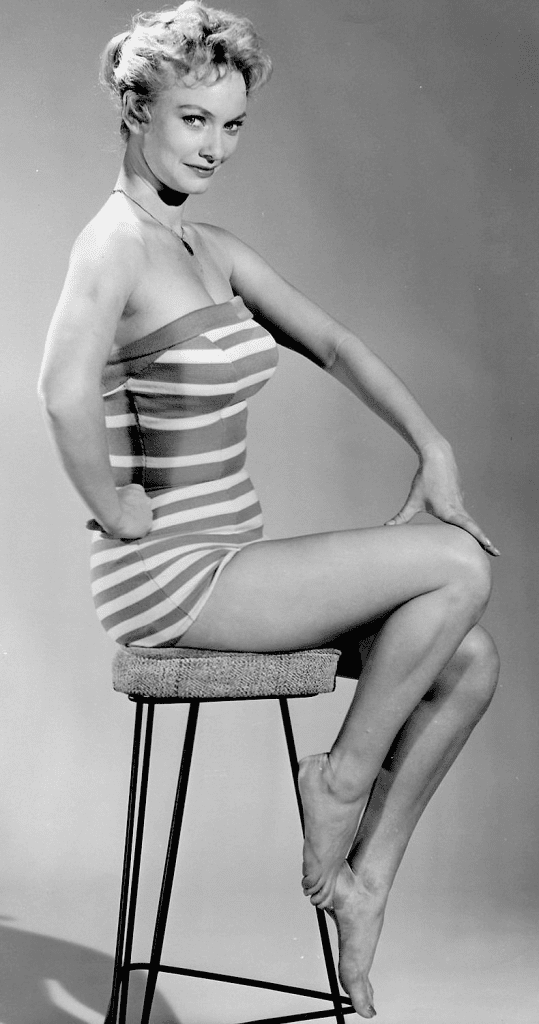
Early Life: Arizona Grit and a Hunger for More
Born Lona Fay Spain on October 6, 1932, in Phoenix, Arizona, Fay grew up far from Hollywood glamour. Life moved quickly for her family, shaped by remarriage and frequent changes, and that early instability seemed to fuel her independence.
By her late teens, she was already living on her own terms. At just 17, she worked as a casino dealer in Reno, famously exaggerating her age to get the job—and reportedly earning more than anyone else on the floor. But cards and chips weren’t the dream. Acting was.
Instead of taking a college scholarship after high school in White Salmon, Washington, she headed straight for New York City. It was a bold move, like jumping into deep water without testing the temperature, but Fay thrived on risk.
New York Hustle: Theater, Television, and Tough Lessons
New York in the early 1950s rewarded persistence, not comfort. Fay worked summer stock theater in the Catskills and Maryland, took odd jobs, and slowly built credibility. She earned her Equity card and learned the craft the hard way—live audiences, small stages, and long days.
Her first television appearance came in 1955 on Big Town. That same year, she was named one of the WAMPAS Baby Stars, an industry recognition that signaled serious potential. It was Hollywood’s way of saying, “Keep an eye on her.”
She also appeared on early TV westerns and even popped up as a contestant on You Bet Your Life. Each appearance sharpened her instincts and expanded her visibility.
Breaking Through on Film: Bold Roles and Strong Choices
Fay Spain didn’t ease into movies—she charged in. Her breakout role came in 1957 with Dragstrip Girl, where she played a rebellious, magnetic woman drawn into the dangerous thrill of street racing. The role fit her perfectly: tough, seductive, and unapologetic.
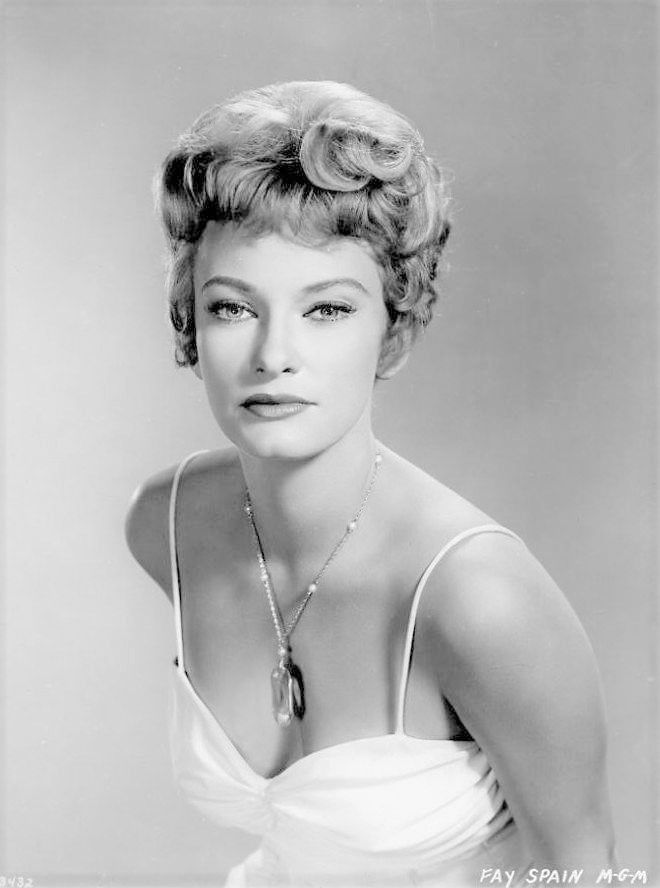
Audiences took notice. Soon after, she landed one of her most talked-about performances as Darlin’ Jill in God’s Little Acre (1958). The role demanded intensity and confidence, and Fay delivered both, holding her own alongside established stars.
In 1959, she appeared in Al Capone, portraying Maureen Flannery opposite Rod Steiger. It was a step into more serious territory and proved she could move beyond exploitation films into mainstream drama.
Versatility on Display: From Adventure to Cult Classics
The early 1960s showcased Fay’s range. She appeared in films like The Beat Generation and the adventurous The Private Lives of Adam and Eve, embracing unconventional projects without hesitation.
She even stepped into European-style fantasy, playing a striking villainous role in Hercules and the Captive Women (1961). Whether the film was gritty, dramatic, or fantastical, she adapted effortlessly.
Later projects such as Welcome to Hard Times (1967) and The Todd Killings (1971) reflected a darker, more reflective tone, mirroring shifts in American cinema itself.
Television Stardom: A Familiar Face in American Living Rooms
While films built her reputation, television sustained it. Fay Spain became a frequent guest star on some of the most popular series of the era.
She appeared on Gunsmoke, Perry Mason, Bonanza, Dragnet, Have Gun – Will Travel, and Death Valley Days. Each role was different—sometimes tough, sometimes vulnerable—but always memorable.
In 1966, she portrayed Calamity Jane, showcasing her ability to blend historical grit with emotional depth. Television allowed her to work consistently while exploring a wide range of characters.
Personal Life: Love, Family, and Quiet Strength
Away from the screen, Fay’s life was layered and complex. She married four times, each relationship reflecting a different chapter of her life.
Her first marriage to actor and screenwriter John Falvo brought her a son, Jock, in 1954. Later marriages included painter John Altoon and Imo Ughini. In 1968, she married Philip Fulmer Westbrook Jr., with whom she remained until her death.

Despite the demands of her career, she remained deeply connected to family. Those who knew her described her as warm, humorous, and grounded—a contrast to the fiery personas she often portrayed.
A Final, Iconic Appearance
In 1974, Fay Spain made her final screen appearance in The Godfather Part II, playing Marcia Roth, the wife of a mob figure. Though the role was brief, it placed her within one of cinema’s most respected works.
It felt like a quiet full circle—a woman who began in drive-in films ending her career within a landmark production.
Shortly after, she stepped away from acting to care for her husband, choosing family over the spotlight.
Passing and Legacy
Fay Spain passed away on May 8, 1983, in Los Angeles at the age of 50 after battling lymphatic cancer. Her death shocked fans who had grown up watching her dominate screens large and small.
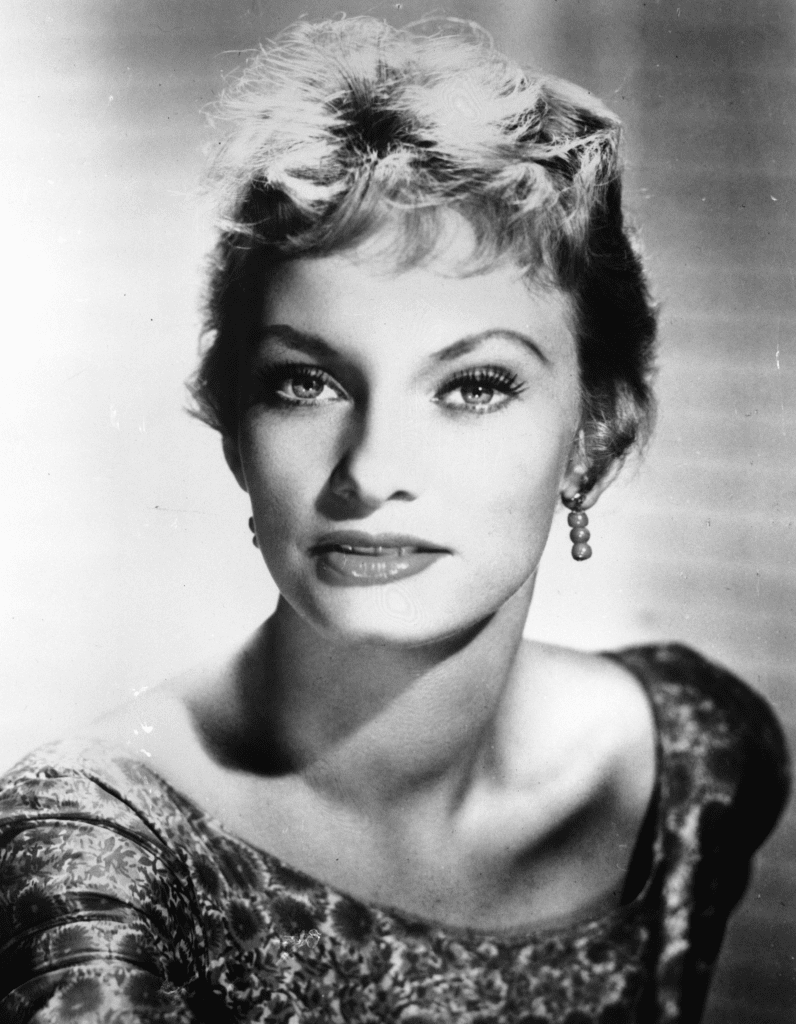
Today, her films and television appearances continue to surface in reruns and classic collections. New audiences discover her and immediately recognize something rare: authenticity.
Conclusion: Why Fay Spain Still Matters
Fay Spain’s career was never about playing it safe. She embraced bold roles, explored the edges of her era’s storytelling, and brought intelligence and fire to everything she touched.
From Dragstrip Girl to God’s Little Acre to The Godfather Part II, her work reflects a woman unafraid to take risks. Though her life ended too soon, her screen presence remains vivid—proof that true impact isn’t measured by longevity, but by intensity.
Her legacy lives on in every sharp glance, every fearless performance, and every scene she made impossible to ignore.