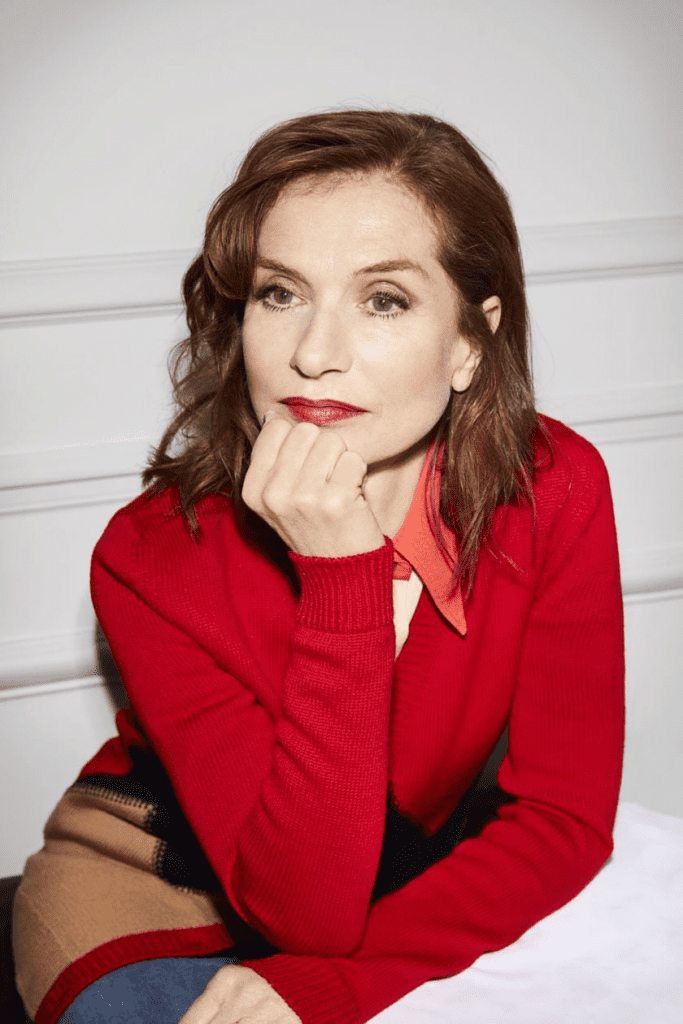
From Quiet Beginnings to a Fearless Force on the Global Screen
Some actors fade with time. Others sharpen, deepen, and surprise us the longer we watch them. Isabelle Huppert belongs firmly in the second category. With a career stretching across more than five decades, she has become one of the most daring and intellectually respected figures in modern cinema. Her performances don’t just entertain—they challenge, unsettle, and linger in your thoughts long after the screen goes dark.
So how did a girl from the Paris suburbs become a defining presence in world cinema? Let’s trace the path.
Early Life and the Roots of Artistic Curiosity
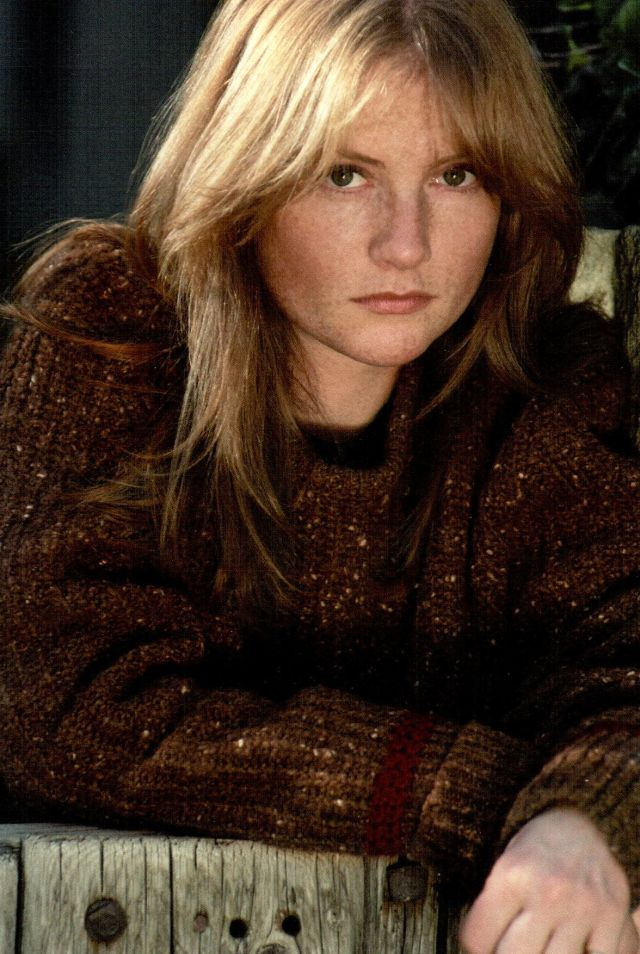
Born Isabelle Anne Madeleine Huppert on March 16, 1953, in Paris, she spent her childhood in Ville-d’Avray, a quiet and cultured suburb. She was the youngest in a family of five children, raised in a home where education and curiosity mattered. Her father worked in manufacturing, while her mother, an English teacher, introduced her children to literature, language, and performance.
That early encouragement made a difference. Isabelle didn’t stumble into acting by accident. She studied drama seriously, first at the Conservatory of Versailles and later at the Conservatoire National d’Art Dramatique. Think of it like laying a strong foundation before building a towering structure. Her craft was intentional from the very beginning.
First Steps on Screen and a Breakthrough Moment
Isabelle entered film in the early 1970s with small roles, learning the rhythm of the camera and the discipline of set life. Then came a shift. In 1977, her performance in The Lacemaker quietly changed everything.
She played a shy young woman whose emotional world slowly fractures. No grand gestures. No theatrics. Just stillness, vulnerability, and restraint. Critics took notice, and audiences felt something real. The performance earned her major recognition and marked her as an actress who could do more with silence than others could with monologues.
Why That Role Mattered
- Emotional precision instead of excess
- A willingness to appear fragile and exposed
- A natural command of stillness
It was the first clear signal that she was willing to take risks.
Fearless Choices and Darker Characters
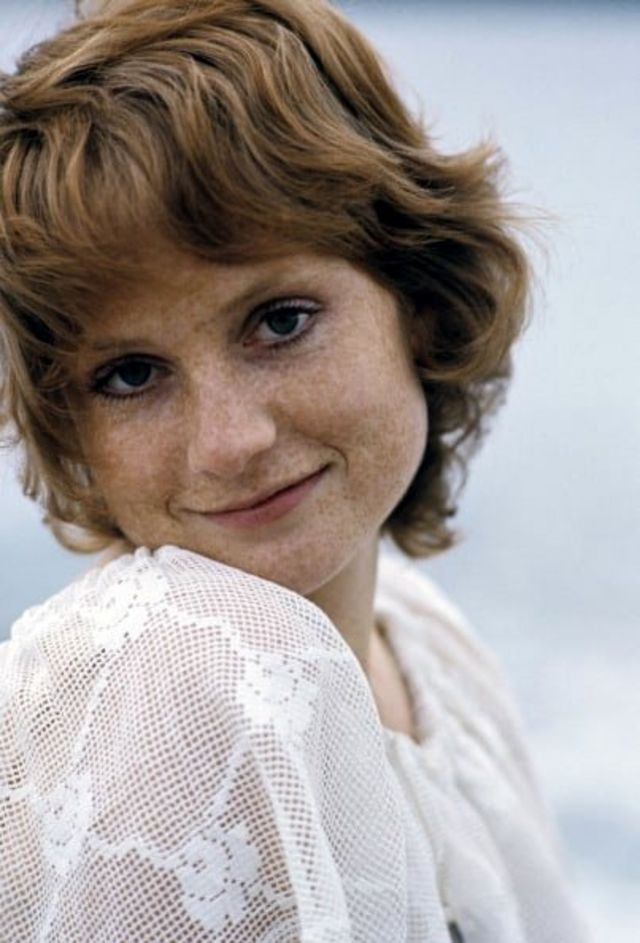
Many actors chase likable roles. Isabelle went the opposite direction. She gravitated toward characters that lived in moral gray zones—women who were complex, unsettling, and impossible to reduce to simple labels.
Her collaborations with director Claude Chabrol defined this era. Together, they explored obsession, guilt, power, and desire. Roles like Violette Nozière and Story of Women demanded emotional courage. She didn’t soften these characters. She embodied them fully, earning major international awards along the way.
An Artistic Pattern Emerges
She wasn’t interested in comfort.
She chose tension over safety.
And audiences couldn’t look away.
International Recognition and Career Reinvention
As her reputation grew, so did her global reach. Directors from across Europe sought her out, knowing she would commit fully to demanding material. One pivotal moment came with The Piano Teacher, where her portrayal of repression and psychological fracture stunned viewers worldwide.
That performance didn’t just earn awards—it redefined her international standing. Suddenly, she wasn’t only a French icon. She was a global benchmark for serious acting.
Later projects continued that momentum. Films exploring aging, intimacy, power, and emotional isolation showed her range expanding rather than narrowing with time.
A Commanding Presence on the Stage
While many film actors avoid theater, Isabelle embraced it. The stage became a parallel home—a place where performance happens without edits or second takes. She appeared in productions across Europe, London, New York, and Australia, tackling demanding texts and minimalist staging.
What Theater Gives Her
- Total immersion
- Immediate audience connection
- Artistic reset between film projects
Her stage work sharpened her control and deepened her presence. Watching her perform live is like watching a masterclass unfold in real time.
Private Life: Stability Away from the Spotlight
In contrast to her intense screen roles, Isabelle’s personal life remains notably calm. She has maintained a long-term partnership with filmmaker Ronald Chammah since the early 1980s. Together, they raised three children, including a daughter who followed her into acting.
She avoids public drama, chooses privacy, and keeps her personal world grounded. In an era of constant oversharing, that discretion feels almost radical. It’s clear that this balance fuels her longevity.
Recent Work and Creative Energy in Her Seventies
As of 2026, Isabelle shows no signs of slowing down. Recent films continue to premiere at major festivals, and upcoming collaborations with internationally respected directors keep critics watching closely.
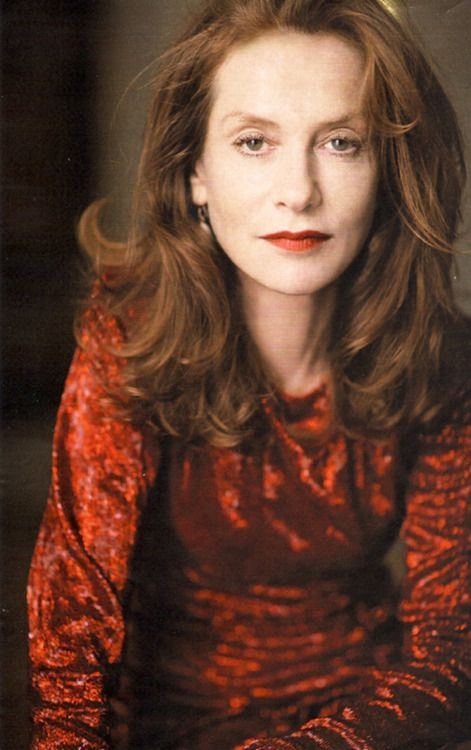
She also remains active in theater, headlining demanding productions that require stamina, focus, and emotional control. At an age when many peers step back, she steps forward—selective, curious, and fully engaged.
Why Her Career Still Works
She doesn’t chase relevance.
She follows curiosity.
And curiosity never ages.
Conclusion: A Legacy Still in Motion
Isabelle Huppert’s journey proves that true artistry deepens with time. From her disciplined beginnings to her fearless performances, she has built a career defined by integrity and bold choices. She never played it safe, never followed a predictable arc, and never stopped evolving.
Her story reminds us that growth isn’t about reinvention for its own sake—it’s about commitment to truth, complexity, and craft. Decades in, she remains not just relevant, but essential. And the most remarkable part? Her story is still unfolding.