Margaret Rose Keil: From Post-War Berlin to the Golden Age of Italian Cinema
Have you ever stumbled upon an old European film and wondered about the actress who quietly stole every scene? That’s exactly the kind of discovery Margaret Rose Keil represents. Her career didn’t come with Hollywood headlines or loud publicity. Instead, it unfolded across decades of Italian cinema, filled with genre films, international productions, and a graceful exit from fame when the time felt right.
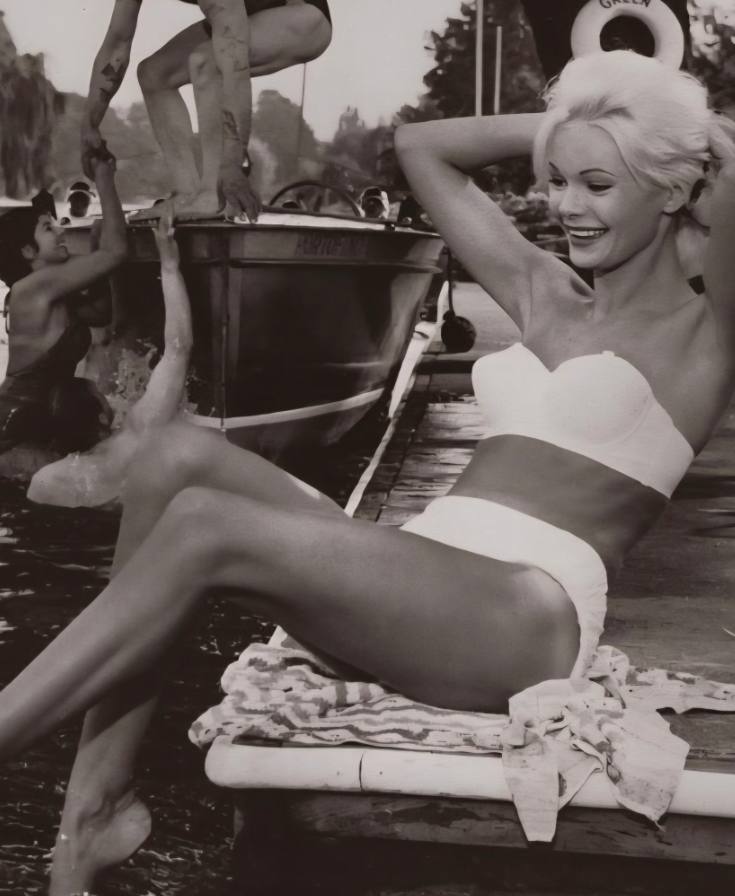
Her story feels like a forgotten reel from film history—rich, glamorous, and surprisingly human.
Early Life in Post-War Germany: Beginnings Shaped by Change
Margaret Rose Keil was born on July 7, 1945, in Berlin, just weeks after World War II ended. Germany was rebuilding, and life was defined by uncertainty, discipline, and resilience. Very little about her childhood was ever made public, and that privacy would later become one of her defining traits.
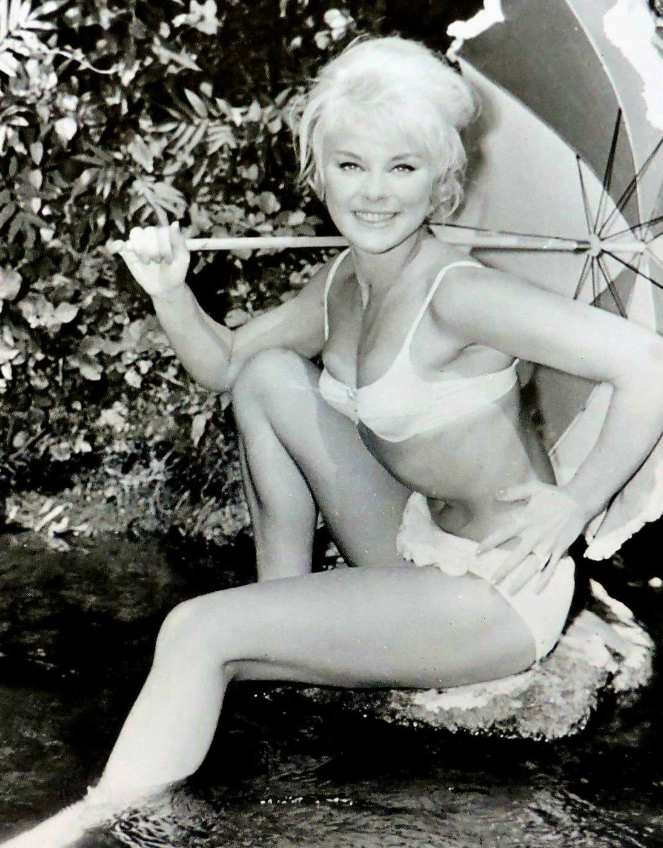
Growing up during reconstruction meant learning adaptability early. That quiet strength followed her throughout life. At some point during her youth, Margaret moved to Italy, a country bursting with creativity, film studios, and opportunity. It was there that her future truly began.
Her German roots never disappeared. In fact, they became part of her on-screen identity. Italian filmmakers frequently cast her as German or Austrian characters, using her natural accent and striking Northern European look to add authenticity.
Breaking Into European Cinema: The First Roles
Getting into movies in the early 1960s wasn’t easy, especially for young foreign actresses. Margaret Rose Keil began with small roles, learning the industry from the inside out. Around 1961, she appeared in Italian comedies such as La ragazza di mille mesi and I magnifici tre, sharing screen time with respected Italian stars.
These early projects may not have been leading roles, but they gave her something more important: momentum. Directors noticed her screen presence, and casting calls kept coming.
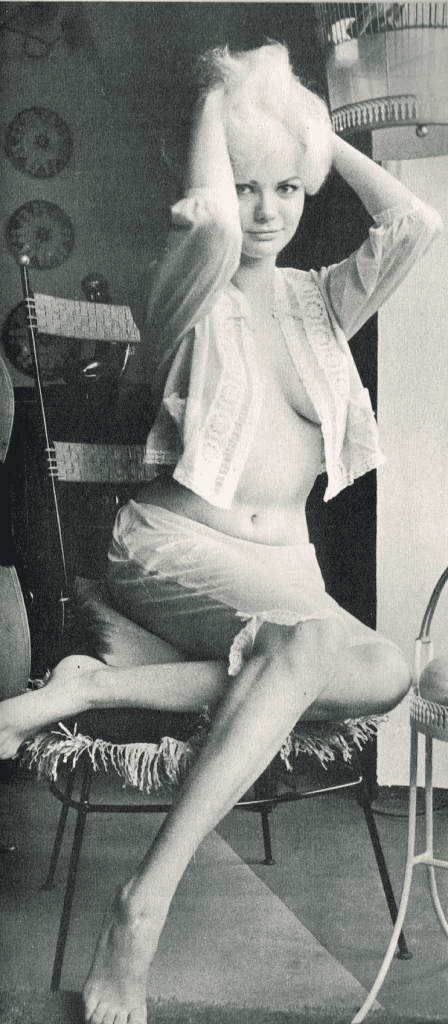
In 1962, she appeared in Women of Devil’s Island, an adventure film that leaned into exotic locations and dramatic tension. A year later, she crossed into British cinema with That Kind of Girl (1963), playing an Austrian au pair in a socially daring story for its time. The role showed she could handle serious material, not just light comedy.
Rising With Italian Genre Films: Comedies and Historical Epics

The mid-1960s were a golden era for Italian genre cinema. Studios produced films at an incredible pace, and Margaret Rose Keil found herself right in the middle of it. She appeared in historical adventures, comedies, and sword-and-sandals epics—often referred to as peplum films.
These productions didn’t always aim for prestige, but they reached massive audiences. Margaret learned to work fast, adapt quickly, and bring personality to every role, even when screen time was limited.

She became a familiar face in Italian theaters, sometimes credited under slightly different name variations. Her adaptability helped her stay in demand, and her performances added elegance and charm to films that relied heavily on visual storytelling.
A Standout Moment: Wit and Parody
One of her most memorable appearances came later with Helen, Yes… Helen of Troy (1973). The film was a playful parody that allowed her to lean into comedy and self-awareness. Instead of taking the myth too seriously, she embraced humor and timing, showing another side of her talent.
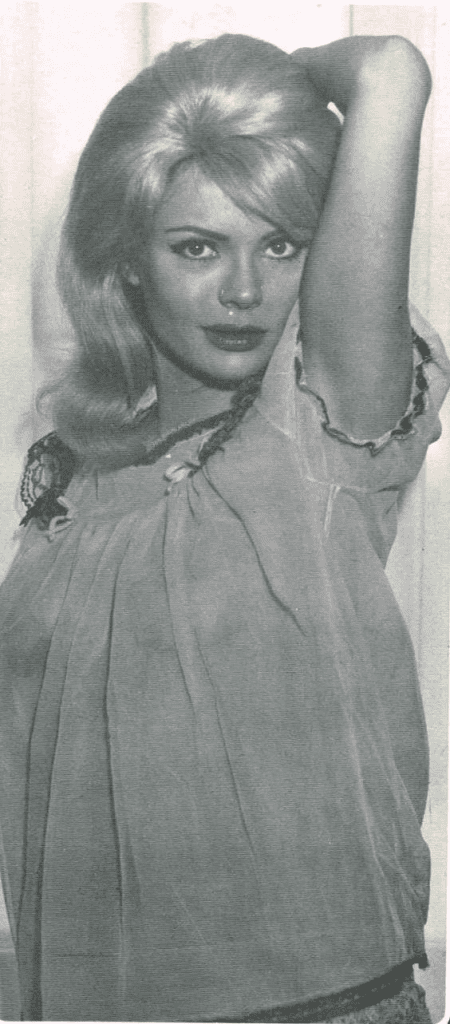
This role highlighted something important about Margaret Rose Keil: she never boxed herself in. She moved comfortably between serious drama and tongue-in-cheek entertainment, understanding the tone of each project instinctively.
Exploring Darker Territory: Thrillers and Giallo
As Italian cinema evolved in the 1970s, thrillers and giallo films gained popularity. Margaret stepped into this darker world with ease. In 1975, she appeared in The Police Are Blundering in the Dark, a mystery-driven thriller filled with suspense and twists.
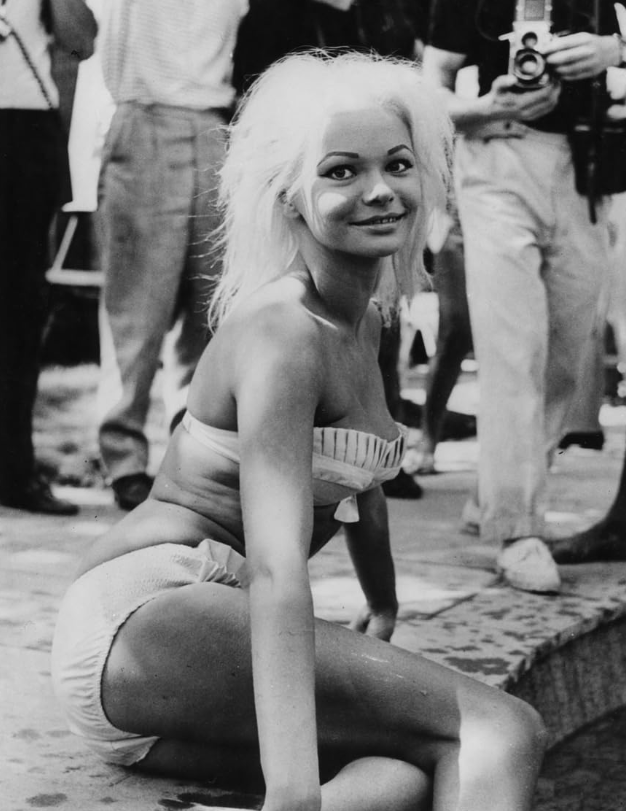
These films relied heavily on atmosphere, mood, and subtle performance. Margaret brought calm intensity, adding intrigue without exaggeration. She also balanced these projects with comedies and western-style films, including He Was Called the Holy Ghost, proving again that versatility was her strongest asset.
The Final Chapter on Screen: Science Fiction and Farewell
By the early 1980s, the Italian film industry was changing. Fewer genre films were being made, and audiences were shifting tastes. Margaret Rose Keil’s final notable role came in Escape from Galaxy 3 (1981), a colorful science-fiction adventure inspired by the global space-movie craze.
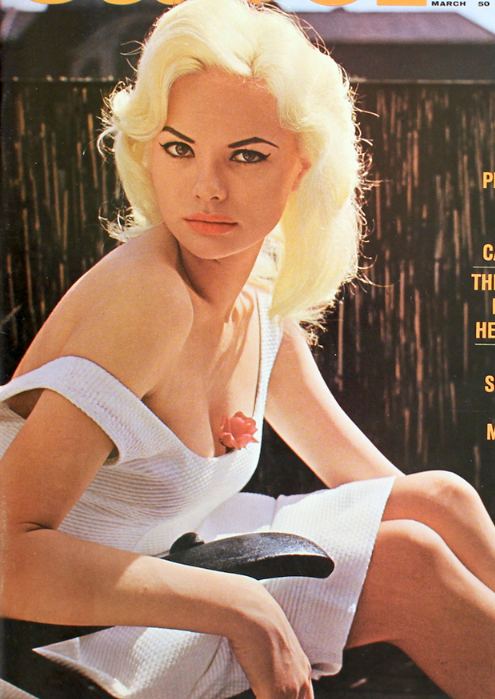
The film was bold, fast-paced, and very much a product of its time. It served as a fitting finale—fun, adventurous, and unpretentious. After more than 40 films, Margaret quietly stepped away from acting. No farewell tour. No dramatic announcements. Just a natural exit.
Life Away From the Spotlight: Choosing Privacy
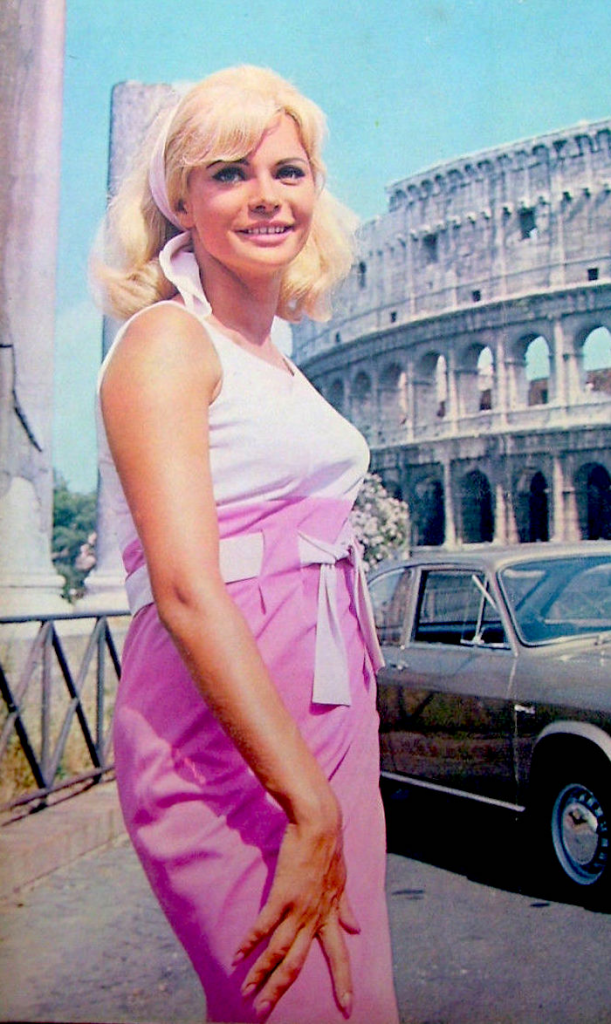
Unlike many performers, Margaret Rose Keil never chased celebrity outside her work. She settled permanently in Italy, reportedly in Rome, and built a life centered on family and stability. She married, focused on her personal world, and avoided publicity almost entirely.
She did some modeling work along the way, including campaigns for Italian products, but always kept boundaries between public and private life. That decision allowed her to transition smoothly from actress to everyday life—something many performers struggle to do.
Margaret Rose Keil Today: Quiet Retirement in Italy
As of 2025, Margaret Rose Keil is 80 years old and fully retired. She lives quietly in Italy, far from red carpets and film sets. She doesn’t give interviews or seek recognition, but her work continues to resurface through classic-film festivals and online rediscoveries.
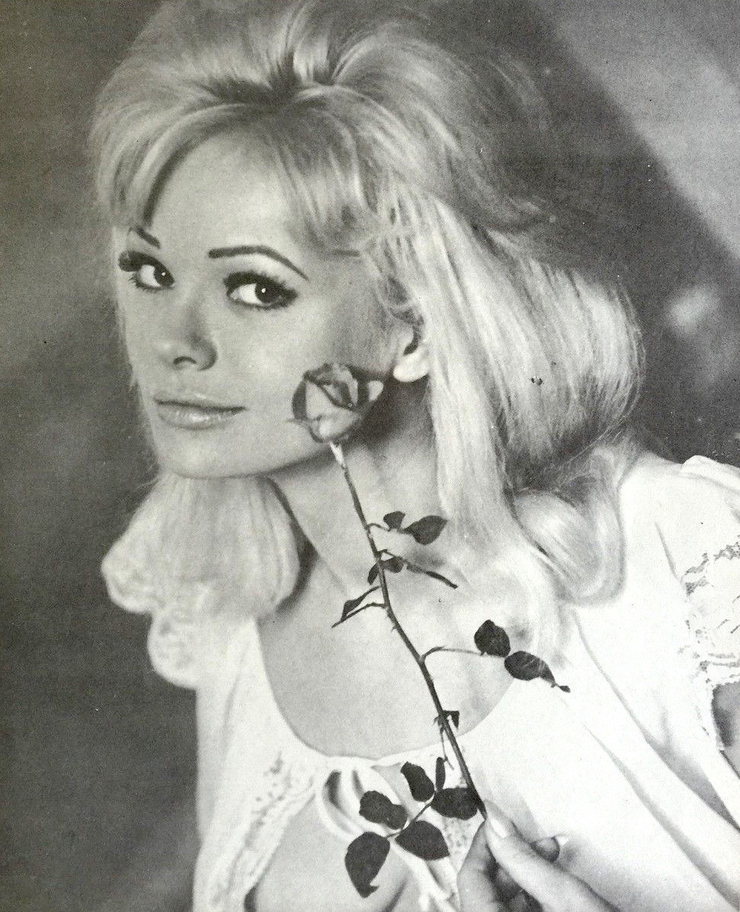
New audiences still find her performances charming, elegant, and timeless. There’s something refreshing about her absence from the spotlight—it adds mystery rather than erasing her legacy.
Why Her Career Still Matters
Margaret Rose Keil represents a type of success that’s rare today. She worked steadily, adapted constantly, and left on her own terms. Her films may not all be household names, but together they form a vivid snapshot of European cinema during one of its most creative periods.
She reminds us that not every meaningful career needs constant attention. Sometimes, the most fascinating stories belong to those who did the work, enjoyed the journey, and then chose peace.
Conclusion: A Hidden Gem of European Cinema
From post-war Berlin to the bustling studios of Italy, Margaret Rose Keil built a career defined by versatility, professionalism, and quiet confidence. She navigated comedies, thrillers, historical epics, and science fiction with ease, leaving behind a filmography that still entertains decades later.
Today, living quietly in Italy, she stands as a reminder that stepping away can be just as powerful as stepping into the spotlight. Her legacy lives on in the frames of classic films—and in the curiosity of viewers who discover her work for the first time.