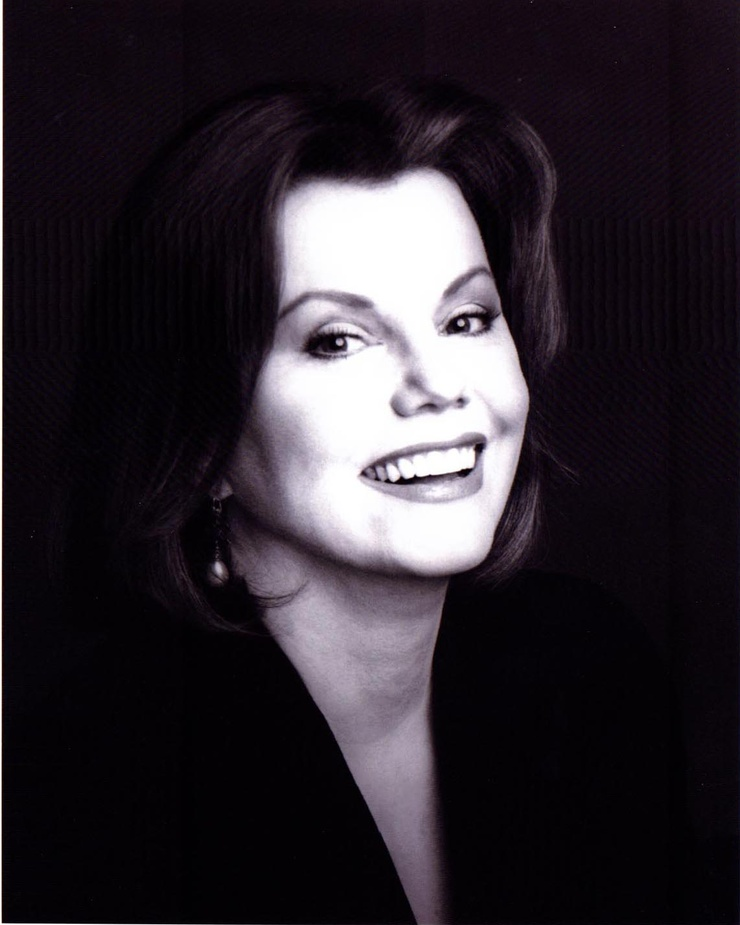
A Resilient Screen and Stage Journey Defined by Emotion, Intelligence, and Craft
Ever notice how some actors don’t need grand gestures to leave a mark? They draw you in quietly, scene by scene, until you realize you’re completely invested. That’s exactly what Marsha Mason has done throughout her career. With four Academy Award nominations in less than a decade and a powerful second act as a theater director and mentor, her story is all about depth, durability, and choosing substance over noise.
Roots in the Midwest and Early Acting Dreams
Marsha Mason was born on April 3, 1942, in St. Louis, Missouri, and raised in nearby Crestwood. Growing up in a grounded Midwestern environment shaped her sensibility—practical, observant, and emotionally tuned in. She attended Nerinx Hall High School before heading to Webster College, now Webster University, where she earned a degree in drama.
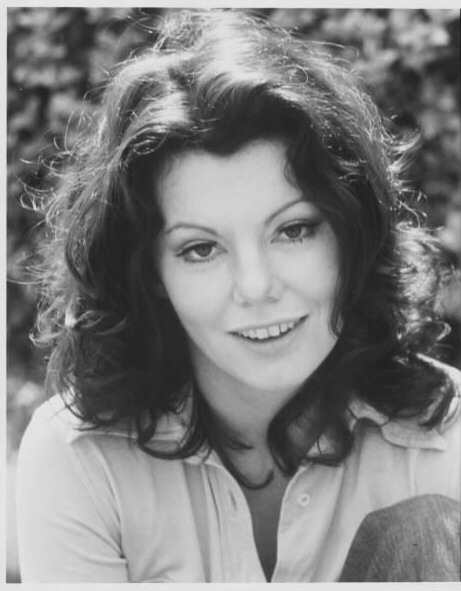
Right after graduation in the mid-1960s, she packed her bags for New York City. Like many young actors, she started wherever the door cracked open. Off-Broadway productions, small television roles, and even a recurring part on the soap Love of Life helped her gain experience. Her first film role came in a low-budget project in 1966. It wasn’t glamorous, but it was real—and it taught her how to work.
The Breakthrough That Changed Everything
Sometimes, one role flips the switch. For Marsha Mason, that moment arrived in 1973 with Cinderella Liberty. Playing Maggie, a woman juggling independence, motherhood, and complicated love, she delivered a performance that felt raw and deeply human. Audiences connected. Critics took notice.
That role earned her an Academy Award nomination for Best Actress and a Golden Globe win. Almost overnight, Marsha shifted from promising talent to serious leading lady. The key wasn’t flash—it was honesty. She played Maggie like someone you might actually know, and that relatability became her trademark.
Creative Chemistry and a Run of Oscar Nominations
Not long after her breakout, Marsha met playwright Neil Simon, and their personal and professional lives intertwined. They married in 1973, and their collaboration sparked some of the most memorable performances of her career.
In The Goodbye Girl (1977), she played a single mother navigating love and uncertainty, earning another Oscar nomination and a Golden Globe. Then came Chapter Two (1979), inspired by their own relationship, followed by Only When I Laugh (1981), where she portrayed a woman in recovery with sharp humor and aching vulnerability. Each role brought her another Academy Award nomination.
Four nominations in just a few years isn’t luck. It’s consistency. Marsha had a rare ability to balance comedy and pain, like walking a tightrope without ever wobbling.
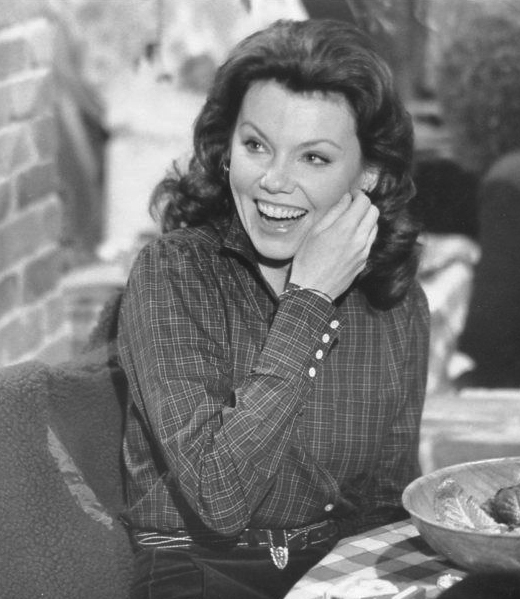
Expanding into Film and Television
While those years defined her as an awards favorite, Marsha Mason never boxed herself in. She explored tougher roles in films like Heartbreak Ridge, showing grit opposite strong personalities, and later appeared in family-centered dramas and comedies.
Television became another steady outlet. She popped up in memorable recurring roles, including a lively arc on Frasier that earned her an Emmy nomination. In later years, she appeared on contemporary shows such as The Middle and Grace and Frankie, proving that strong presence never goes out of style. Think of it like switching instruments in the same band—different sound, same skill.
A Powerful Shift Toward Theater and Directing
While many actors chase screen time, Marsha Mason leaned back into the theater. The stage wasn’t a fallback—it was a calling. She began directing major productions, including Steel Magnolias and several works by Neil Simon, and took on challenging revivals and world premieres.
Her work behind the scenes earned just as much respect as her performances. She directed innovative productions, mentored actors, and even stepped into last-minute stage roles when needed. In theater, there’s no safety net, and Marsha thrives in that space. It’s where craft matters most.
Teaching, Mentoring, and Creative Leadership
In recent years, Marsha has focused heavily on mentoring the next generation. She served as a master teacher for elite acting programs, guiding young performers not just in technique, but in resilience. Her message is simple but powerful: learn your craft, respect the work, and don’t rush the journey.
She continues to appear in off-Broadway productions and special stage projects, choosing roles that challenge her rather than chase attention. It’s a long-game mindset, and it shows.
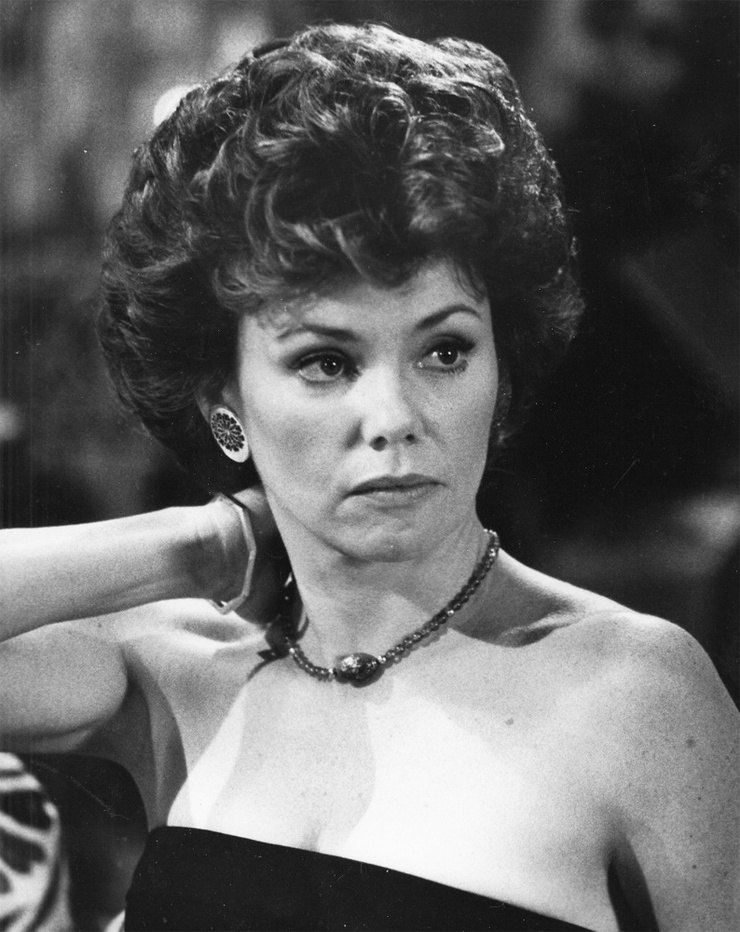
Marsha Mason Today: Purpose Over Spotlight
As of late 2025, Marsha Mason remains active in theater and teaching, living a quieter life that still hums with creativity. She’s stepped away from the frenzy of Hollywood, focusing instead on what fuels her—storytelling, collaboration, and passing on hard-earned wisdom.
She’s not chasing another award. She’s building legacy through influence, through the actors she shapes and the productions she elevates. That kind of impact doesn’t fade when the curtain closes.
Conclusion: A Career Built on Authentic Strength
Marsha Mason’s journey proves that true success isn’t about constant visibility—it’s about lasting value. From a remarkable run of Oscar-nominated performances to a respected career in theater direction and mentorship, she’s shown that talent evolves when it’s nurtured with intention.
She didn’t just play resilient characters—she lived that resilience herself. And in doing so, she created a body of work that continues to inspire long after the applause fades.