Julie Gregg: A Quiet Star Whose Talent Left a Lasting Mark on Stage and Screen
Have you ever watched a legendary film and felt moved by a character who didn’t dominate the screen, yet somehow stayed with you long after the credits rolled? That’s exactly the kind of impact Julie Gregg had. She wasn’t loud, flashy, or constantly chasing headlines. Instead, she built a career on skill, grace, and consistency—qualities that age beautifully in the world of entertainment.
Julie Gregg’s journey is a reminder that not every meaningful career is built at the center of the spotlight. Some are shaped just off to the side, steady and unforgettable in their own quiet way.
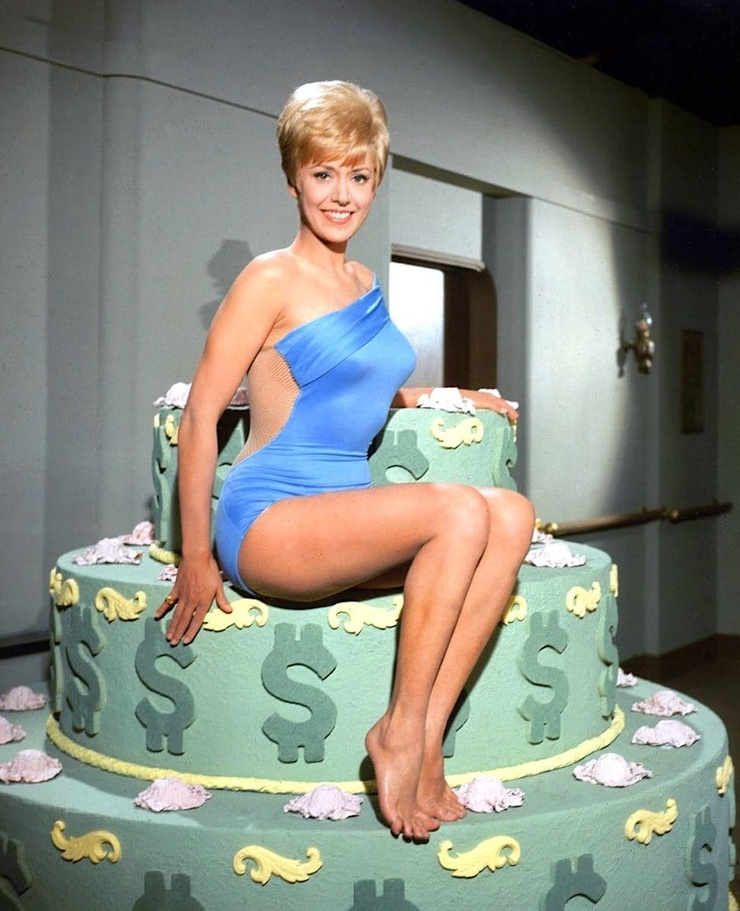
Early Life and Musical Roots in New York
Julie Gregg was born Beverly Marie Scalzo on January 24, 1937, in Niagara Falls, New York, to an Italian-American family that valued hard work and discipline. From a young age, it was clear she had a gift for music. Her voice stood out—rich, expressive, and emotionally grounded.
That talent earned her a music scholarship to the University of Southern California, a major turning point in her life. Moving to California wasn’t just about education; it was about opportunity. While studying, she trained rigorously, refining her vocal technique and discovering how naturally acting complemented her musical ability. Think of it like learning two languages that suddenly merge into one fluent voice—stage performance.
Finding Her Home on the Stage
Julie Gregg’s early professional success came through theater. In the 1960s, she toured nationally in well-known productions such as Fanny and How to Succeed in Business Without Really Trying. These roles sharpened her confidence and stage presence, preparing her for bigger challenges.
Her defining theatrical moment arrived in 1968 with The Happy Time on Broadway. Playing Laurie Mannon, Julie delivered a performance that critics praised for its warmth and emotional sincerity. Her work earned her a Tony Award nomination for Best Featured Actress in a Musical, as well as a Theatre World Award.
That recognition wasn’t just a career highlight—it was validation. She wasn’t simply talented; she was respected.
Breaking into Film with Grace and Restraint
Julie Gregg transitioned into film without abandoning her theatrical roots. In 1972, she appeared as Sandra Corleone in The Godfather, portraying the wife of Sonny Corleone. While the role wasn’t large, it was emotionally significant. Her quiet reactions added depth to scenes that relied heavily on atmosphere rather than dialogue.
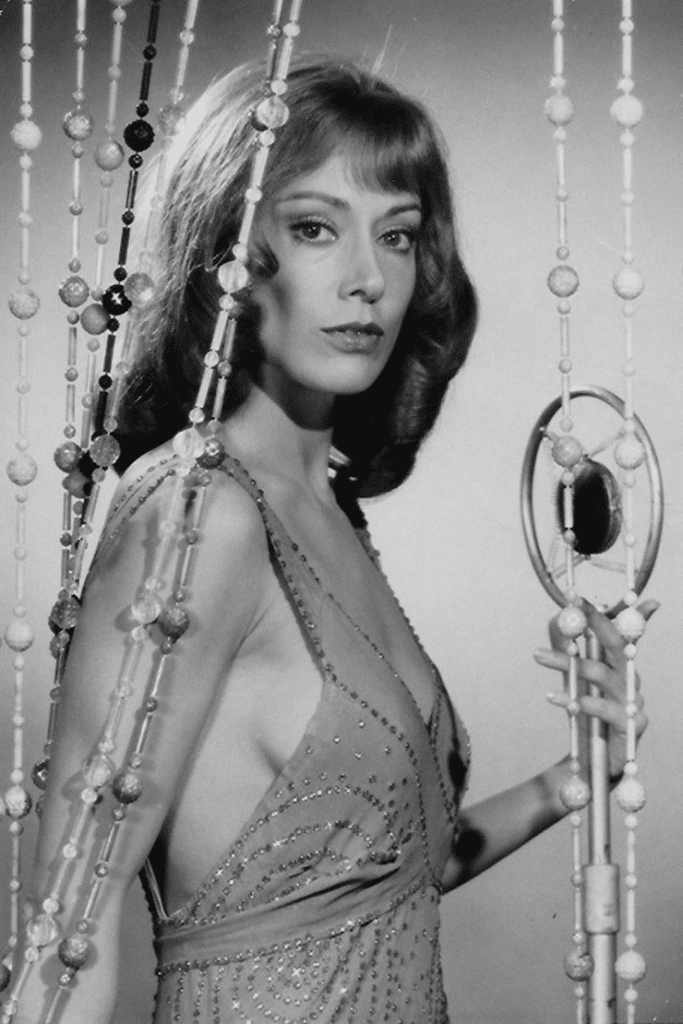
She returned for The Godfather: Part II, though her scenes ultimately didn’t make the final cut. Even so, her presence remained part of the film’s legacy, remembered by fans who appreciate subtle performance.
That same year, she appeared in Man of La Mancha, singing as Antonia alongside Peter O’Toole and Sophia Loren. Here, her musical training shone. Her voice carried sincerity, blending seamlessly into the film’s emotional core.
Later roles in films like The Kill Reflex and Dead On showed her ability to shift into darker, more intense material. Julie didn’t chase stardom—she chose roles that fit her strengths.
A Familiar Face on Classic Television
Julie Gregg became a reliable and recognizable presence on television throughout the 1960s and 1970s. She appeared in a wide range of popular series, including Batman, Mission: Impossible, Hawaii Five-O, Bewitched, I Dream of Jeannie, Bonanza, Mannix, and The Incredible Hulk.
She also had roles in shows like McHale’s Navy, Banyon, and Mobile One. Whether she was playing drama, light comedy, or suspense, Julie brought consistency and professionalism to every set.
Her final television appearance came in 1987 on Brothers, marking the end of a steady and respectable on-screen career. She worked not for attention, but for the craft.
A Life Lived Away from the Spotlight
Unlike many performers of her era, Julie Gregg kept her personal life private. She wasn’t interested in celebrity culture or public spectacle. Her focus stayed on her work and her well-being.
In her later years, she faced cancer with quiet resilience. There were no public campaigns or dramatic interviews—just strength and dignity. Julie Gregg passed away on November 7, 2016, at her home in Van Nuys, California, at the age of 79.
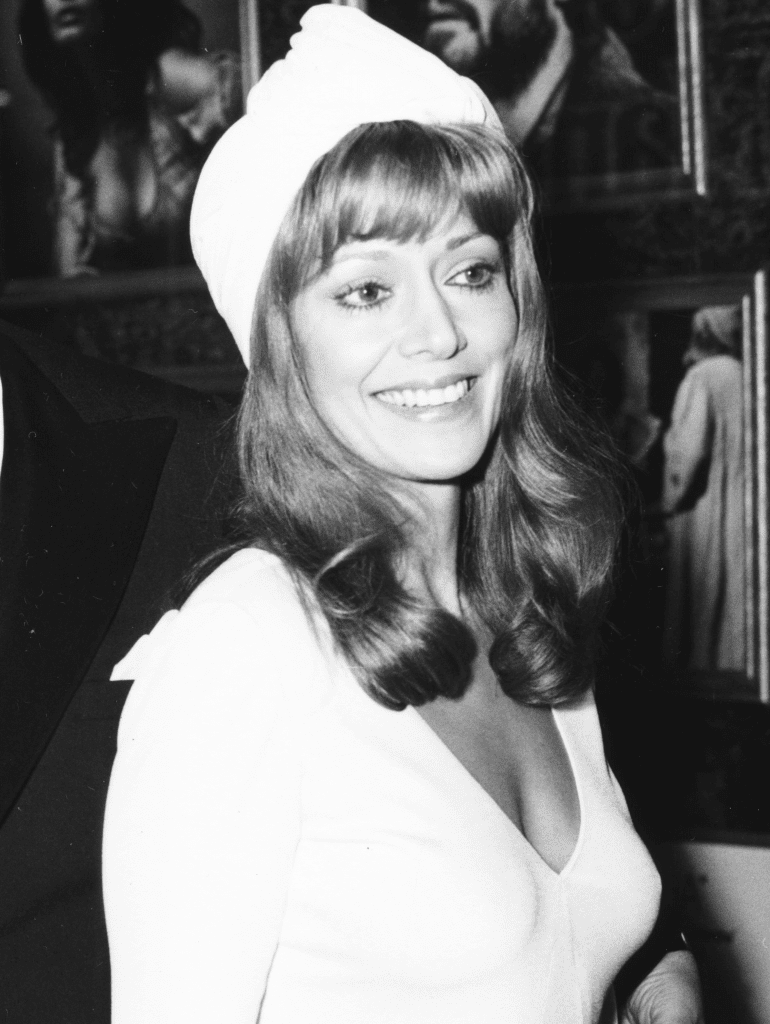
Why Julie Gregg Still Matters
Julie Gregg’s legacy isn’t defined by headlines or awards lists. It lives in moments—on Broadway stages, in classic films, and across decades of television. She represented a kind of performer who trusted the audience to notice subtlety, who understood that presence doesn’t need volume.
She showed that supporting roles can still be essential, that grace can be powerful, and that a career built on respect lasts longer than one built on noise.
Conclusion: Remembering a Career Built on Substance
Julie Gregg’s life and career remind us that talent doesn’t always shout. Sometimes, it sings clearly, steadily, and with purpose. From her early musical roots to her Tony-nominated stage work and memorable screen appearances, she built a body of work that continues to resonate.
She didn’t chase fame—she earned admiration. And in an industry that often rewards excess, Julie Gregg stands as proof that quiet strength leaves a lasting impression.