A Legendary Presence Who Defined An Era
When you think of classic German entertainment—those films and stage productions that feel like stepping into another world—there’s one name that inevitably rises to the surface: Ellen Schwiers. She wasn’t just an actress; she was a force, a storyteller whose presence could shift the entire temperature of a room. Whether she stood under the warm glow of theater lights or faced the cool precision of a film camera, Ellen Schwiers created magic with a glance, a breath, a pause. Her career spanned more than seven decades, and if longevity speaks to greatness, then Ellen was nothing short of extraordinary.
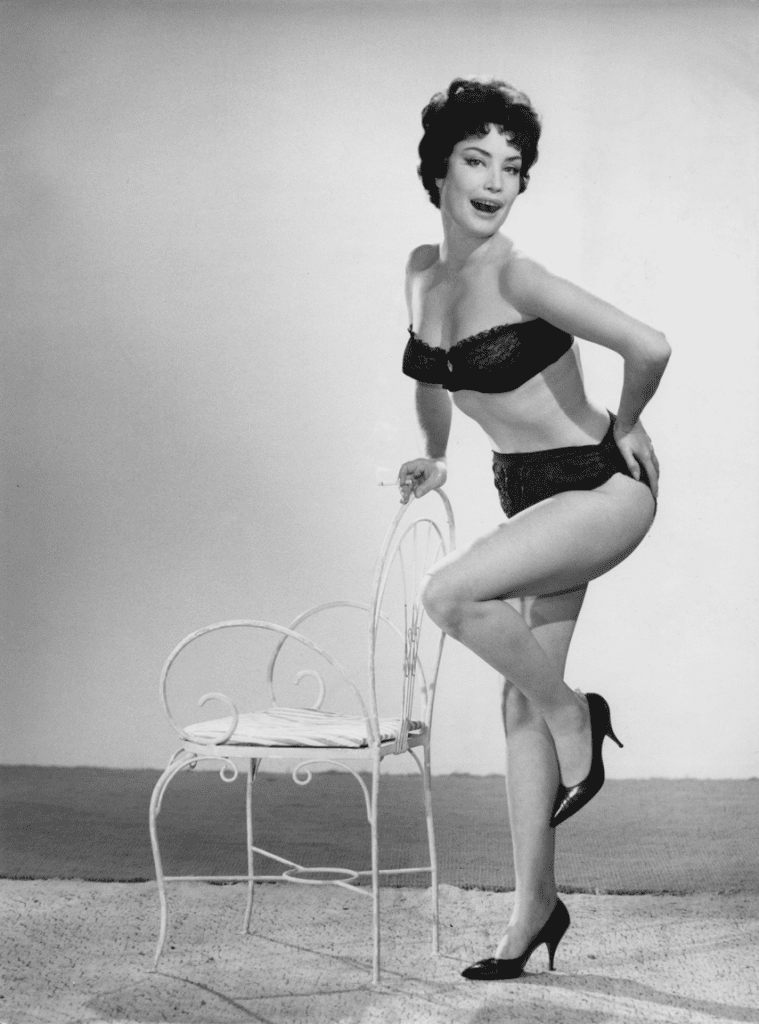
What made her unforgettable wasn’t fame—it was feeling. She didn’t “perform” vulnerability; she embodied it. And that emotional honesty cemented her as one of Germany’s most admired performers.
Humble Beginnings And The Spark Of A Performer
Ellen Schwiers entered the world on June 11, 1930, in Stettin, Pomerania—today’s Szczecin, Poland. Her childhood unfolded behind the curtains of her father’s touring theater life. Lutz Schwiers, her father, wasn’t just an actor. He was her first mentor, her blueprint, the quiet fire that shaped the performer she would become. Her mother kept the family grounded, but it was the stage that tugged Ellen toward her destiny.
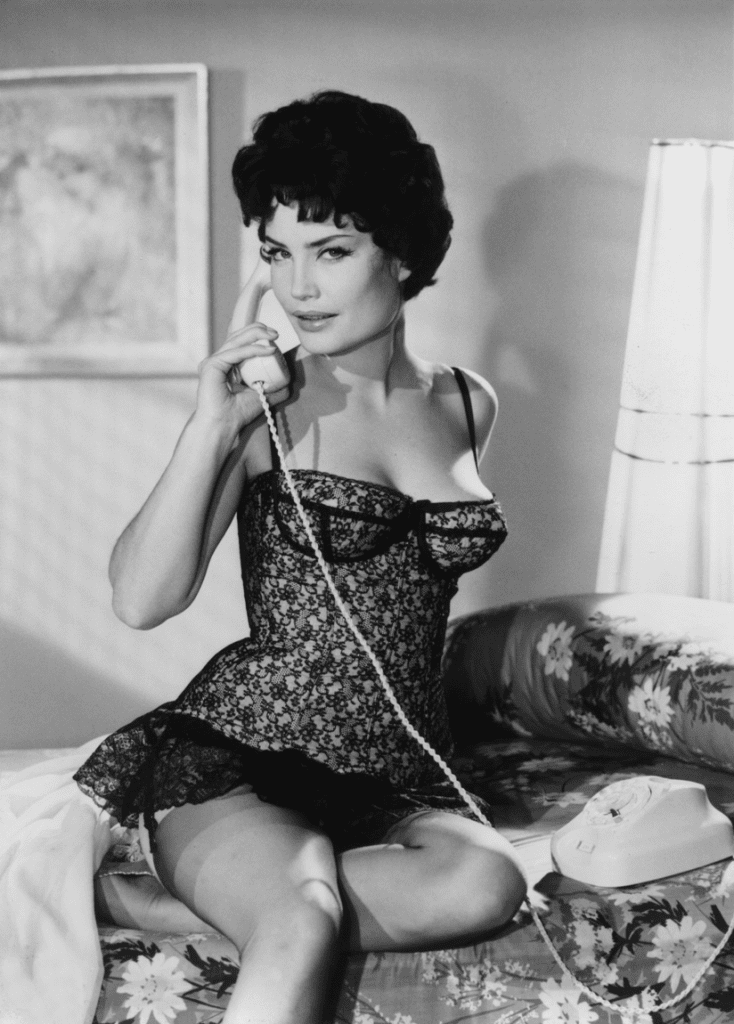
Growing up during the tumultuous pre-war and wartime years, she developed a resilience that would later appear in many of her most powerful roles. She’d often say the stage felt like home long before she ever stepped onto it professionally. And at just 19, she put that instinct to the test.
Her early days at Theater Koblenz were anything but glamorous. She was young, nervous, and painfully aware of the veterans surrounding her. But by the end of her first season, Ellen Schwiers had already proven she carried a rare fearlessness—one that couldn’t be taught.
Rising Through Theater: The Stage That Shaped Her Soul
When Ellen joined the Theater Göttingen in 1953 under the esteemed director Heinz Hilpert, her career ignited. Her portrayal of Minna in Minna von Barnhelm drew praise that spread beyond the city’s borders. Critics didn’t just commend her performance—they recognized a fresh voice entering German theater.
She wasn’t content with predictable roles. Ellen embraced difficult, emotionally charged characters. Her work in Zurich’s Schauspielhaus brought her into the international spotlight, especially with performances in groundbreaking plays like Friedrich Dürrenmatt’s Der Meteor and Max Frisch’s Biografie: Ein Spiel. These premieres showcased the depth of her emotional range, proving that Ellen Schwiers didn’t just act—she excavated.
And then came her defining festival triumph.
The Salzburg Festival Breakthrough
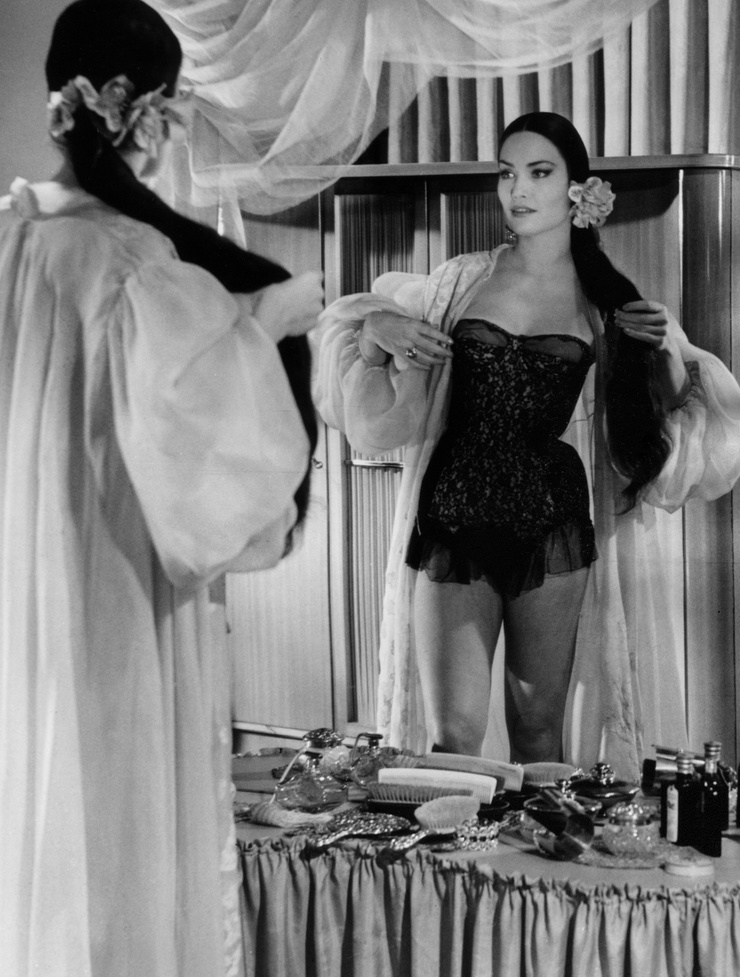
As Buhlschaft in Jedermann at the Salzburg Festival in 1961 and 1962, Ellen Schwiers stunned audiences. Her portrayal was fearless, seductive, and layered with humanity. She captured attention not just for her beauty, but for the emotional intelligence she brought to every line.
Actors open doors. Icons build them. Ellen did both.

Her Impact As A Director And Cultural Leader
Ellen didn’t confine herself to acting; she also stepped behind the scenes. She directed Shakespeare’s Twelfth Night at the Burgfestspiele Jagsthausen with wit and charm, proving she understood theater from every angle. Eventually, she became the festival’s Intendant, shaping its artistic direction with the same confidence she exuded on stage.
Together with her husband, actor Peter Jacob, and later with her daughter Katerina, she founded Das Ensemble—a touring troupe that took meaningful, intimate productions across Germany. Even after Peter’s passing, Ellen steered the company with unwavering dedication.
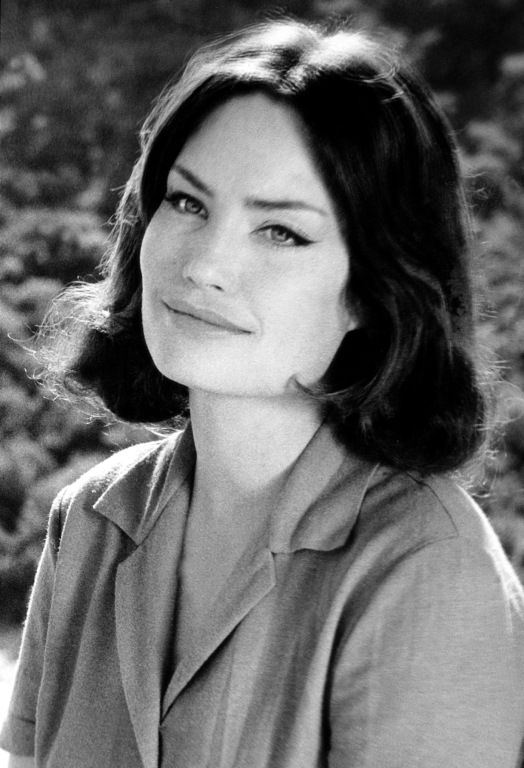
Her final appearance at age 84 in Altweiberfrühling alongside her daughter was a poetic full-circle moment—one that highlighted her love for the craft until the very end.
A Cinematic Journey Through German And International Film
While theater may have been her sanctuary, film became her playground. Ellen Schwiers made her screen debut in 1949 with Heimliches Rendezvous. She swiftly transitioned through genres—war dramas, comedies, historical epics—each showcasing different facets of her talent.
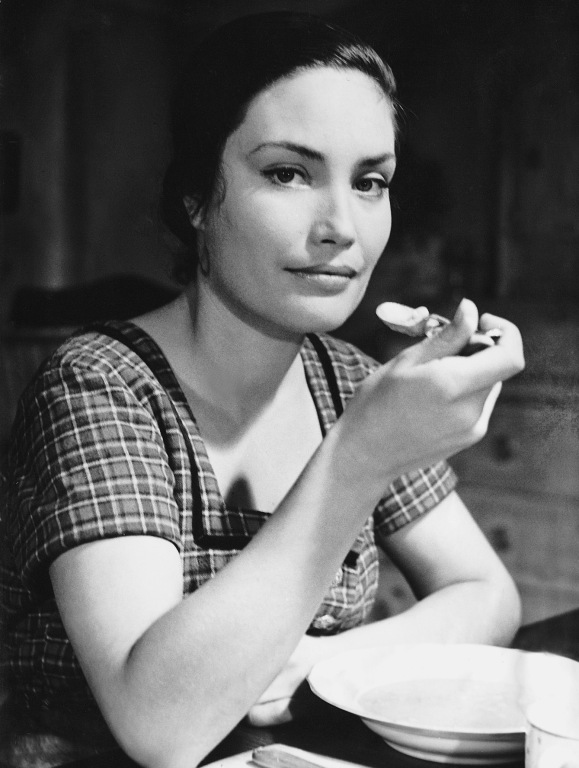
In 08/15 Zweiter Teil, she commanded the screen with strength and magnetism as Natascha. Her role in Arms and the Man showed her flair for combining humor with sharp emotional insights. She even entered the world of European Westerns and psychological thrillers, proving she could adapt to any cinematic landscape.
Her internationally recognized performance came in the 1976 epic 1900, directed by Bernardo Bertolucci. Acting alongside Robert De Niro and Gérard Depardieu, Ellen Schwiers delivered a performance of quiet depth—subtle, grounded, and unforgettable.
Billy Wilder’s Fedora later offered another iconic role, where she embodied intensity in ways only seasoned actresses could.
A Beloved Presence On Television
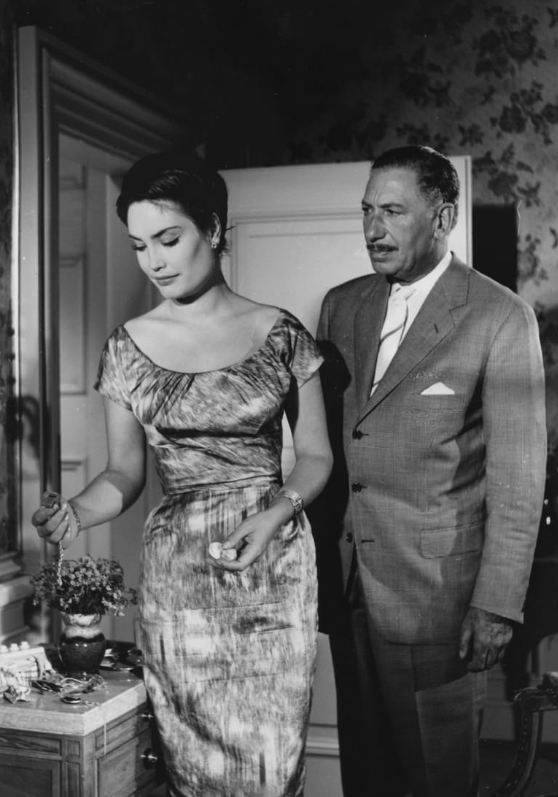
German households grew to adore Ellen through her television roles. With more than 200 TV appearances, she became a fixture in living rooms for decades. Shows like Tatort, Der rote Schal, and Doktor Martin benefitted greatly from her steady, compelling presence.
Whether she played a morally complex suspect, a misunderstood mother, or a wise mentor, Ellen Schwiers breathed authenticity into every frame. Her talent wasn’t loud—it was luminous.
Awards naturally followed. Among the most meaningful was the 2013 Deutscher Schauspielpreis for her role in In the Prime of Life, a testament to her continued excellence well into her eighties.
A Personal Life Marked By Deep Love And Deep Loss
Ellen Schwiers married actor Peter Jacob in 1956, forming one of German theater’s most admired creative partnerships. Their children, Katerina and Daniel, became the heartbeat of their lives. Tragically, their son Daniel passed away in 1985 at only 21, a loss Ellen carried quietly but powerfully for the rest of her life.
Her granddaughter, Josephine Jacob, now continues the family’s performing legacy—a glowing reminder of the artistic torch Ellen helped ignite.
Her Final Years And The Legacy That Lives On
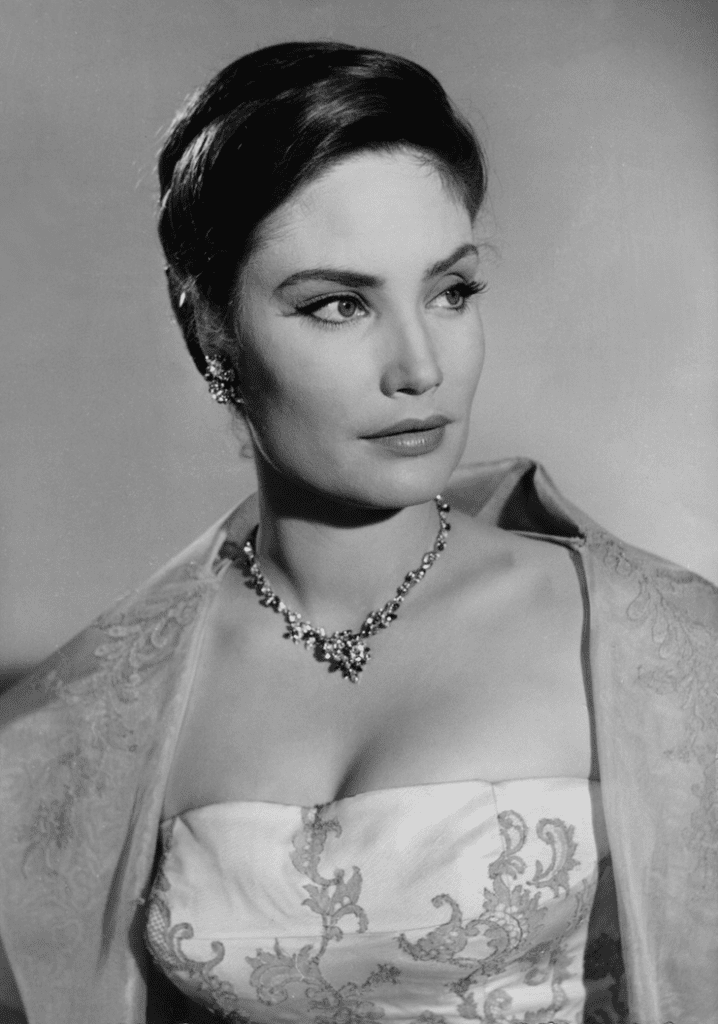
Ellen Schwiers passed away on April 26, 2019, at her home in Starnberg, surrounded by family. Yet her influence never dimmed. Her performances remain a masterclass in storytelling, and her work continues to inspire young artists across Europe.
Her legacy in 2025 and beyond is more than the sum of her roles—it’s the emotional courage she brought to the craft.
Conclusion
Ellen Schwiers was not just a German actress—she was an artistic landmark. Her life blended passion, resilience, and an unwavering commitment to truth in storytelling. From her early days in Pomerania to her unforgettable film work and her heartfelt contributions to theater, she proved that great acting isn’t about pretending. It’s about feeling deeply and sharing that truth with the world.
Her story remains a reminder that true talent doesn’t fade with time—it glows brighter with every generation it touches.