A Life Shaped By Art, Courage, And Unapologetic Expression
When you look back at the most influential figures in Britain’s mid-century creative scene, there’s one woman whose story stands out for its bravery, originality, and sheer artistic fire. Her name is Pamela Green—an artist, model, performer, and entrepreneur who reshaped the boundaries of visual expression in the 1950s and 60s. Her journey wasn’t just about being seen; it was about transforming how society viewed the human form, creativity, and personal freedom.
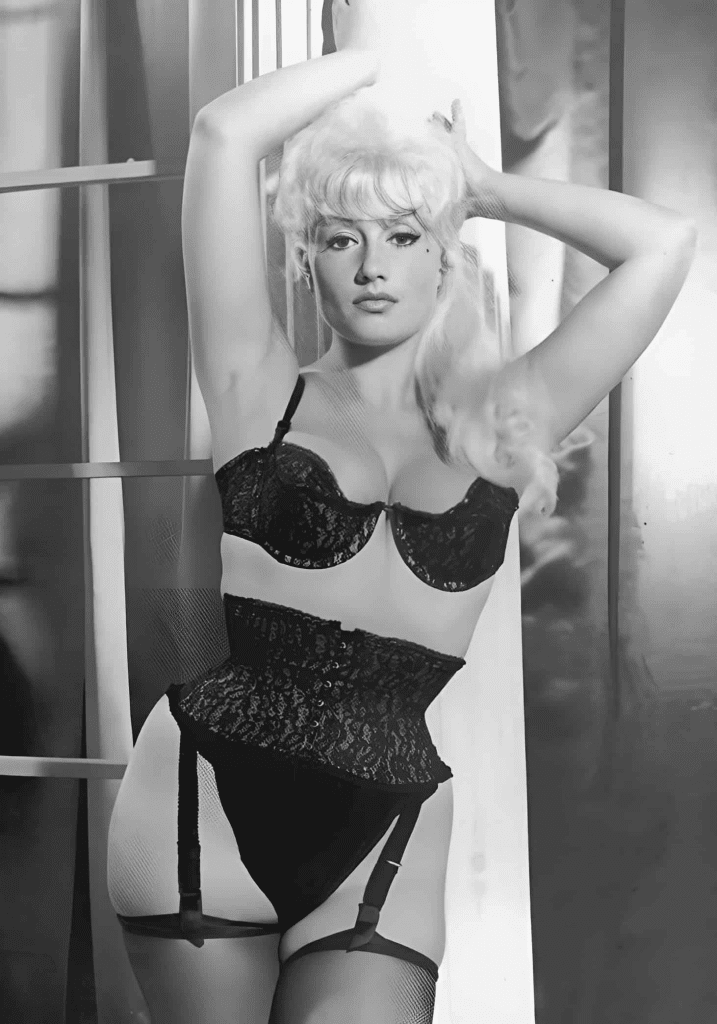
Born Phyllis Pamela Green on March 28, 1929, she grew from a curious, art-loving child into one of the most innovative personalities in British cultural history. This is the story of a woman who challenged expectations, inspired generations, and carved a legacy that still sparks admiration today.
Early Foundations: A Childhood Colored By Art And Resilience
Pamela Green’s early years were anything but ordinary. Raised partly in the Netherlands, she absorbed a relaxed, artistic environment where creativity flowed as naturally as sunlight. Her father, an English architect, and her mother, a Dutch homemaker, encouraged imagination and expression. Those early days—filled with sketchbooks, pencils, and wide European skies—became the foundation of her lifelong relationship with art.
But history intervened. When World War II approached, her family relocated to England, settling in Surrey, where Pamela matured through rationing, air-raid precautions, and the uncertainties of wartime life. Instead of dulling her spirit, the era sharpened it. She grew more self-reliant, more focused, more driven.
By her late teens, her passion for drawing had become impossible to ignore. In 1947, she earned her place at the prestigious St. Martin’s School of Art in London. Like many young talents in post-war Britain, she needed additional income, and she found an unexpected path—working as a life model for art classes. The world of figure modeling introduced her to new artistic circles, new opportunities, and a new understanding of confidence.
The Rise Of A Creative Force: Stepping Into The Spotlight
As the 1940s gave way to a more vibrant post-war London, Pamela expanded her creative pursuits. Her natural poise and artistic intuition attracted photographers who saw in her a rare blend of elegance and expressive clarity. She became a muse for respected artists and photographers, appearing in magazines that favored tasteful, artistic imagery.
What made Pamela Green so captivating wasn’t simply her visual appeal—it was her commitment to artistry. Every pose, every expression, every shot carried intention. She treated modeling like performance, shaping scenes with the same care she once applied to her drawings.
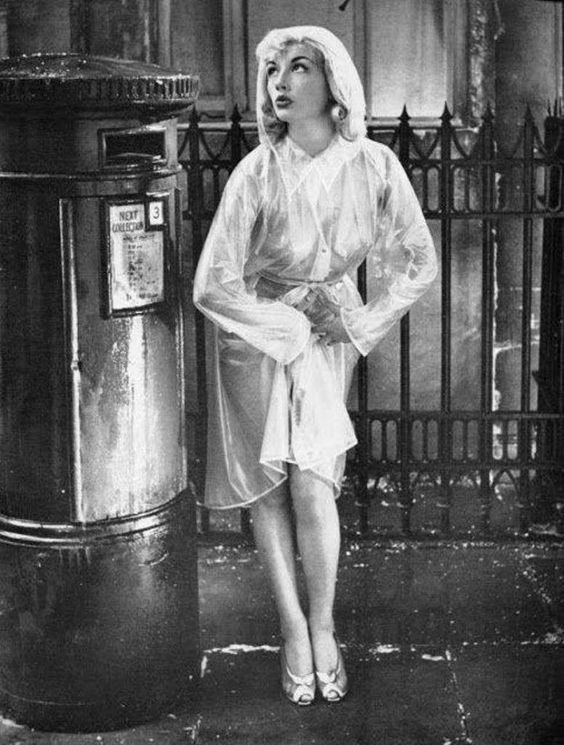
Her versatility soon led her to theatrical work, including West End revues where she performed in elaborate productions that blended dance, still-pose art, and fantasy. Her stage presence became a magnet for creative collaborators, pulling her deeper into the center of London’s artistic pulse.
A Game-Changing Partnership: Creative Innovation In Soho
In the early 1950s, fate introduced Pamela Green to photographer and filmmaker George Harrison Marks. Their partnership—romantic, creative, and entrepreneurial—became one of the most influential collaborations of the era.
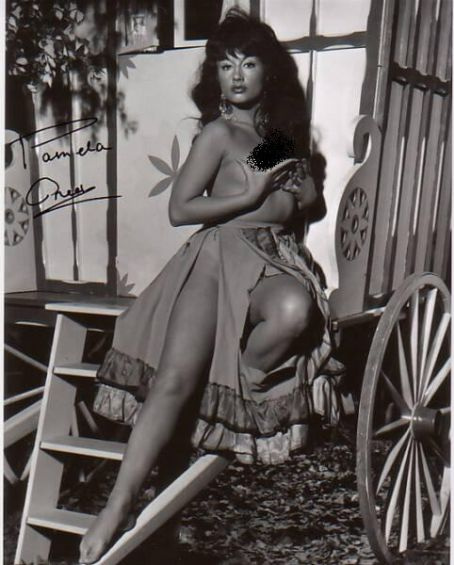
Together, they built a thriving visual-arts studio in Soho, producing images that balanced elegance with playful creativity. Pamela wasn’t just the model; she was the co-architect of the entire vision. She designed sets, created costumes, scouted talent, and helped craft visual styles that felt fresh, modern, and full of personality.
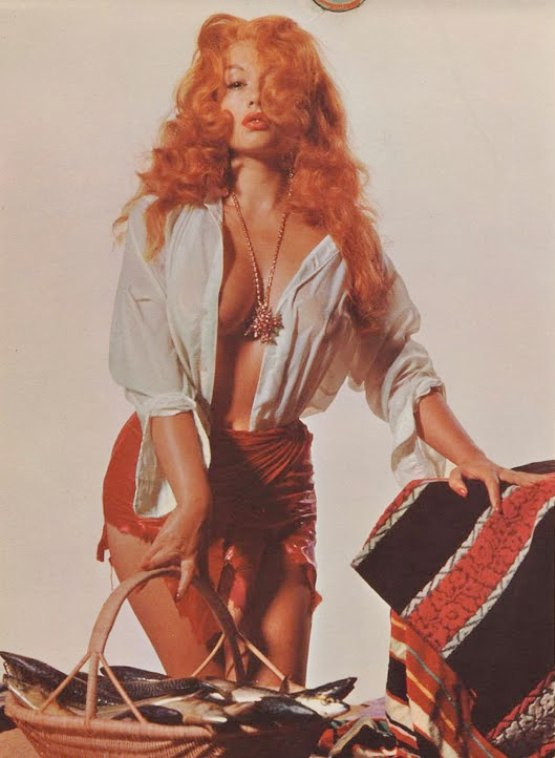
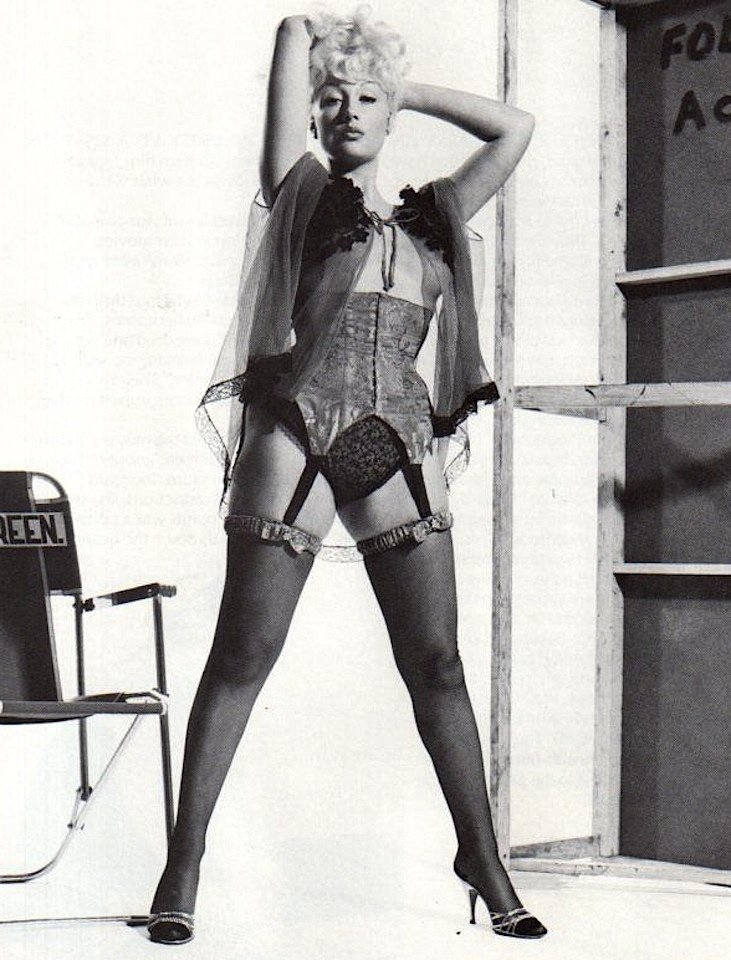
Their joint publication, Kamera, launched in 1957 and became an instant phenomenon. Pamela Green appeared as herself, and sometimes as her fiery red-haired alter ego “Rita Landré,” a character she designed to explore different aesthetics and narratives. Her contributions shaped the magazine’s unique visual identity, inspiring countless photographers and artists.
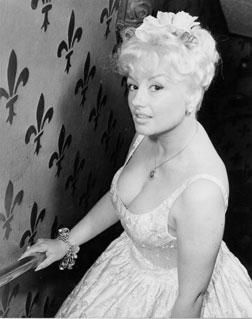
The project didn’t just succeed—it became iconic. Kamera embodied a new wave of personal expression, relying on lighting, composition, and creativity rather than shock value. Many artists today cite Pamela’s work as part of the movement that pushed visual art toward a more liberated future.
Breaking Into Film: A New Stage, A New Legacy
Pamela Green’s artistic talents soon caught the attention of filmmakers. In 1960, she appeared in Michael Powell’s psychological thriller Peeping Tom, delivering a performance marked by stillness, tension, and haunting presence. Her scene became one of the film’s most unforgettable moments, cementing her place in British cinema history.
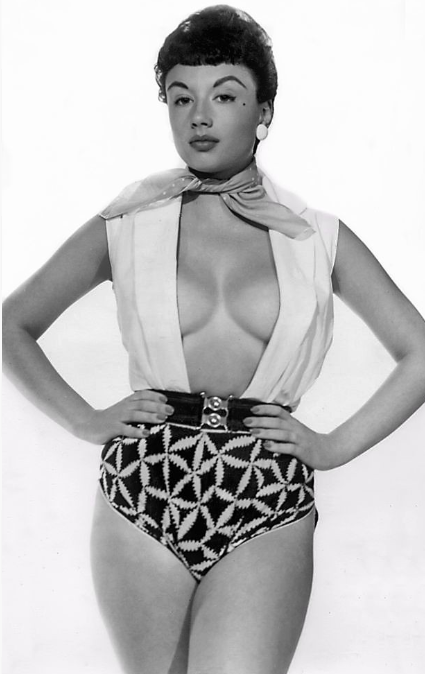
Throughout the 1960s and 70s, she continued collaborating on film and photography projects, including work with her long-time partner Douglas Webb, an accomplished photographer and military veteran. Pamela contributed not just as a performer but also behind the scenes, bringing her deep understanding of lighting, composition, and character to projects that needed her artistic eye.
Her later film contributions, including roles in atmospheric thrillers and creative documentary-style works, showcased her range. Even in brief appearances, she radiated a unique blend of mystery and confidence.
Life Beyond The Spotlight: Love, Growth, And Later Years
Pamela Green’s personal life was as rich and layered as her professional journey. Her longtime partnership with Douglas Webb led to marriage in 1967, and together they built a life filled with creativity, collaboration, and quiet joy. They lived for many years on the Isle of Wight, where she embraced a more peaceful rhythm—painting, writing, connecting with local communities, and reflecting on a life lived boldly.
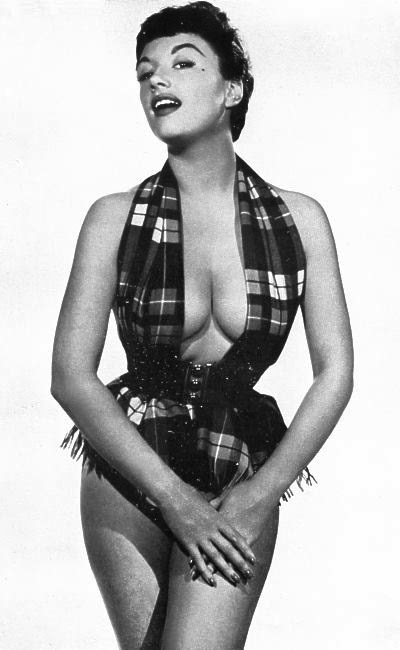
Even as she moved away from the public eye, she remained a beloved figure among collectors, film enthusiasts, and historians. She participated in interviews, contributed to books on British cultural history, and preserved archives that offered a window into a fascinating chapter of artistic evolution.
Pamela Green passed away in 2010 at age 81, leaving behind a legacy that continues to influence photography, film, and artistic expression.
A Legacy That Still Inspires: Why Her Story Matters Today
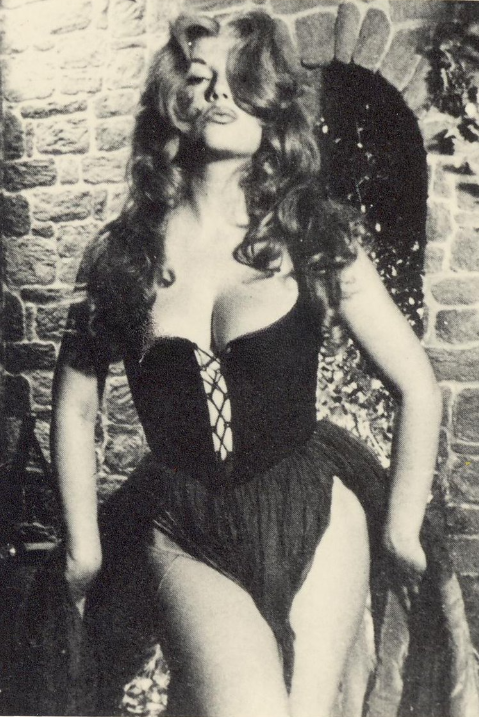
Pamela Green’s impact reaches far beyond her photographs and film roles. She represented a new way of thinking—an approach that blended bravery with artistry, confidence with creativity. She helped shape conversations about expression, individuality, and the power of embracing one’s own image.
In a world that still debates authenticity and representation, her work feels surprisingly modern. She didn’t chase approval; she built her own path. She didn’t follow trends; she helped create them. And she didn’t hide her creativity—she wore it proudly, turning every project into a chance to make something meaningful.
Conclusion
Pamela Green’s story is a testament to courage, originality, and artistic evolution. From a young girl sketching under European skies to a cultural pioneer whose work still resonates, she proved that creativity can shape a lifetime and inspire countless others. Her legacy reminds us that art isn’t just what we see—it’s what we feel, remember, and carry forward.