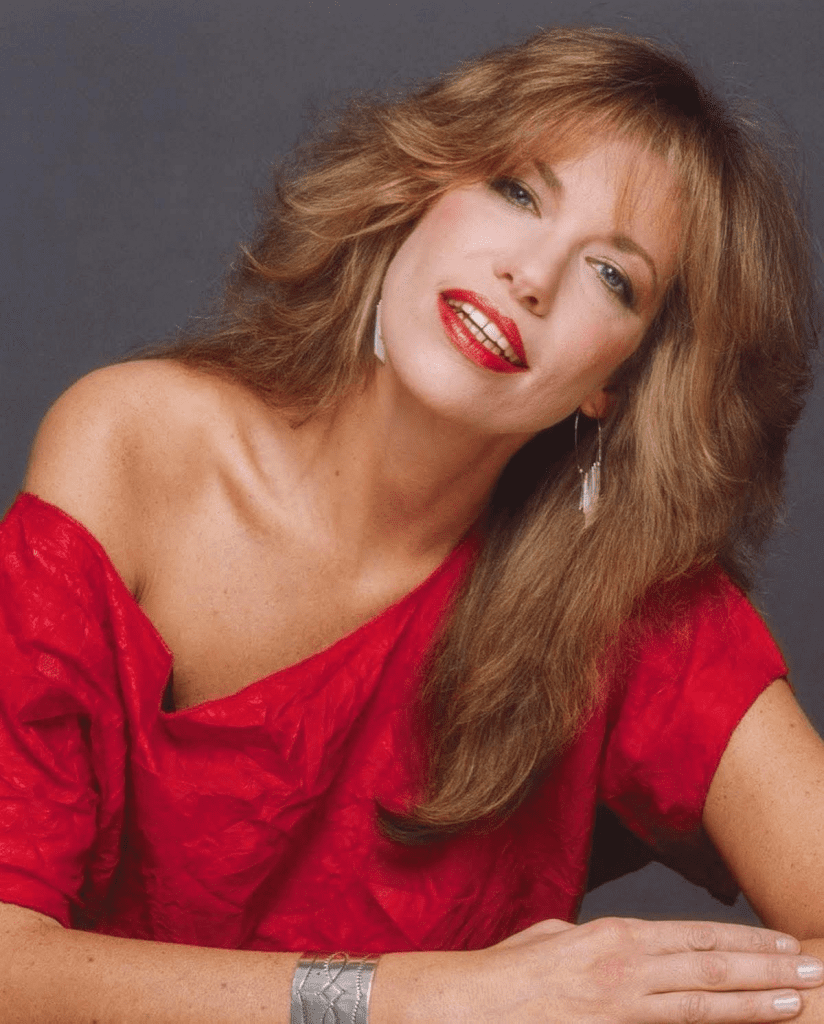
Carly Simon: A Voice That Turned Personal Truth Into Timeless Music
Have you ever heard a song and felt like it understood you better than most people do? That quiet, almost uncanny connection is the signature of Carly Simon. With her warm, husky voice and lyrics that feel like honest conversations, she reshaped pop and folk music by making it deeply personal. Even now, in 2025, her work still feels alive—because truth doesn’t age.
This is the story of an artist who chose sincerity over spectacle and built a legacy that continues to resonate.
A Creative Childhood in New York City
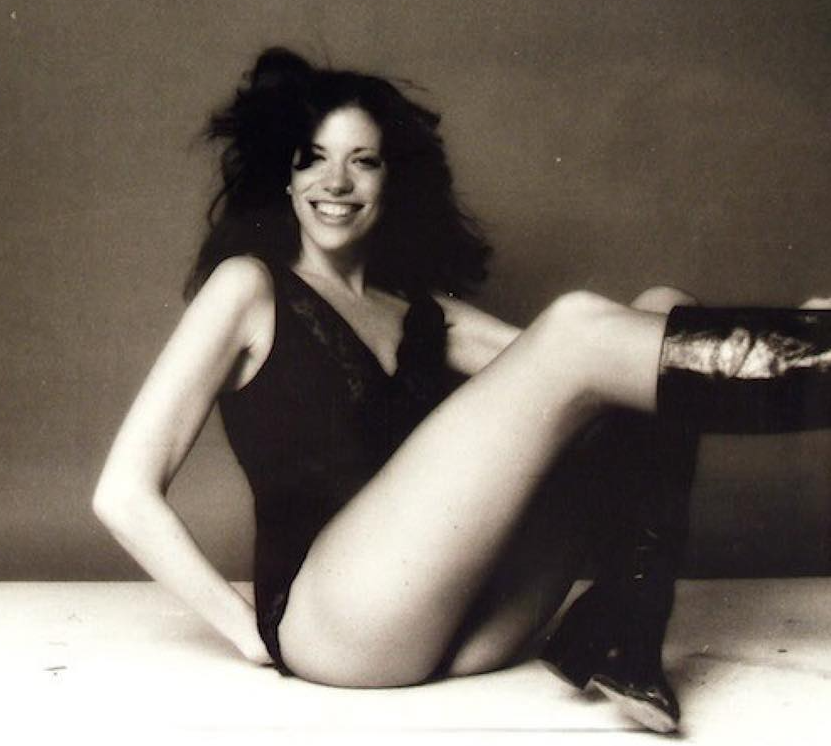
Carly Simon was born on June 25, 1945, in New York City, into a family steeped in creativity. Her father, Richard Simon, helped found the publishing giant Simon & Schuster, while her mother filled their home with music. Carly and her sisters grew up singing together, harmonizing for joy before they ever imagined an audience.
Those early years came with challenges. Carly struggled with extreme shyness and a stutter that made speaking difficult. Singing, however, felt freeing. Music gave her a voice when words failed. She attended Sarah Lawrence College briefly, then made a decisive move—she left to pursue music full time. For Carly, music wasn’t a hobby; it was survival.
From Sister Act to Solo Voice
In the early 1960s, Carly performed with her sister Lucy as part of the Simon Sisters, releasing folk albums that reflected the era’s gentle sound. It was a meaningful start, but her true breakthrough arrived when she stepped out on her own.
Her self-titled solo debut in 1971 introduced a songwriter who wasn’t afraid to question expectations. “That’s the Way I’ve Always Heard It Should Be” explored marriage and independence with refreshing honesty, earning critical praise and a Grammy nomination. It didn’t shout for attention—it invited listeners in.
Then came “Anticipation.” Suddenly, Carly Simon was everywhere. The song captured the nervous excitement of waiting for something—or someone—and turned it into an anthem. The rocket lift-off had begun.
Defining an Era With Honesty
The 1970s and 1980s became Carly Simon’s defining decades. Albums like No Secrets, Hotcakes, Playing Possum, and Boys in the Trees delivered songs that blended pop appeal with emotional depth. “You’re So Vain” topped charts and sparked endless speculation, yet its real power came from confidence and wit, not mystery alone.
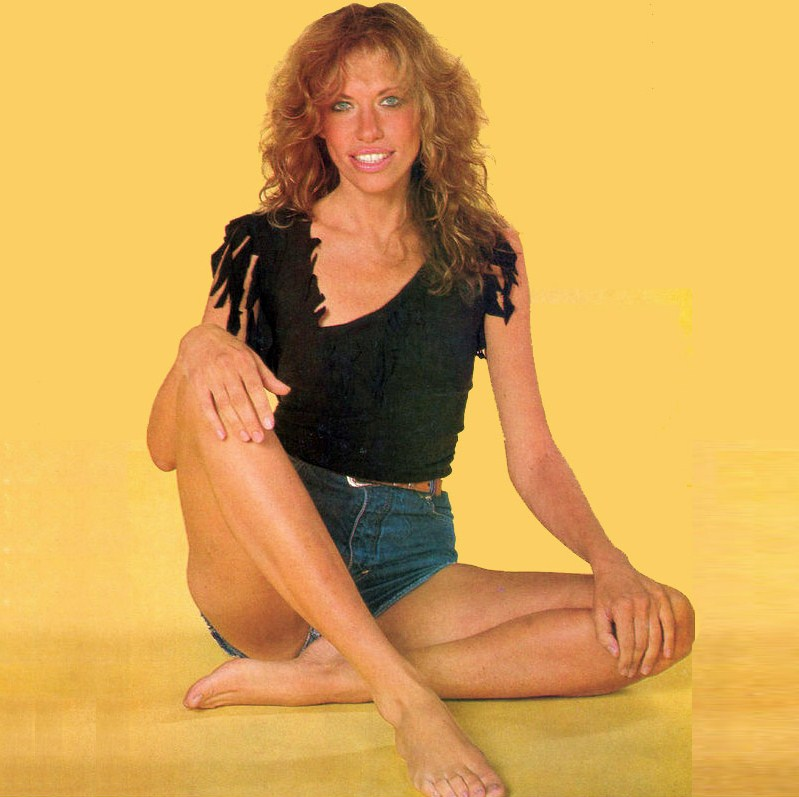
She proved her versatility with “Nobody Does It Better,” the theme from The Spy Who Loved Me, earning an Oscar nomination while maintaining her intimate style. Her music never lost its human touch.
Later, “Coming Around Again” reflected adulthood, motherhood, and resilience with a maturity that felt earned. Carly didn’t pretend life was simple. She made art out of its complexity.
Love, Family, and Real Life Behind the Songs
Carly Simon’s personal life often mirrored the emotional honesty of her music. She married fellow singer-songwriter James Taylor in 1972, and together they became one of music’s most beloved couples. They welcomed two children and shared creative moments that fans still cherish. Though their marriage ended in 1983, they remained connected as friends and parents.
In 1987, Carly married poet Jim Hart. Their relationship lasted two decades and supported her through years of growth and reinvention. Through love, divorce, and motherhood, Carly continued to write—because that’s how she processed life.
In the early 2000s, she faced breast cancer. She approached it quietly, with strength and reflection. Surviving it didn’t harden her voice; it deepened it.
Later Years: Still Curious, Still Creating
Carly Simon never stopped exploring new forms of expression. In the 2000s and 2010s, albums like Never Been Gone and This Kind of Love revisited earlier work with fresh perspective while introducing new material shaped by experience.
Her memoir Boys in the Trees offered the same candor as her songs—open, thoughtful, and unsentimental. Readers connected with her willingness to tell the truth without polishing the edges.
She also explored children’s books and musical theater, proving that creativity doesn’t have an expiration date. Curiosity remained her compass.
Life in 2025: Quiet, Grounded, Fulfilled
Now in her 80s, Carly Simon lives with intention. She divides her time between Martha’s Vineyard and New York, close to family, nature, and the rhythms she loves. She still writes music, though she releases it selectively, guided by meaning rather than momentum.
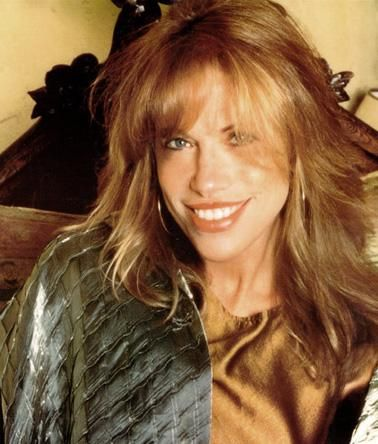
She enjoys simple pleasures—gardening, reflection, time with grandchildren—and continues supporting causes she believes in, including environmental protection and women’s rights. Her voice, both spoken and sung, carries wisdom without weight.
A Legacy That Endures
Carly Simon’s impact isn’t measured only in awards or chart positions. It lives in how her songs make people feel understood. She turned vulnerability into strength and honesty into connection.
From “Anticipation” to “You’re So Vain,” from youthful uncertainty to seasoned reflection, her music has grown alongside her listeners. She reminds us that the best art doesn’t pretend—it listens, observes, and tells the truth.
Carly Simon didn’t just write songs for a generation. She wrote songs for moments. And that’s why, decades later, they still feel like they were written for you.