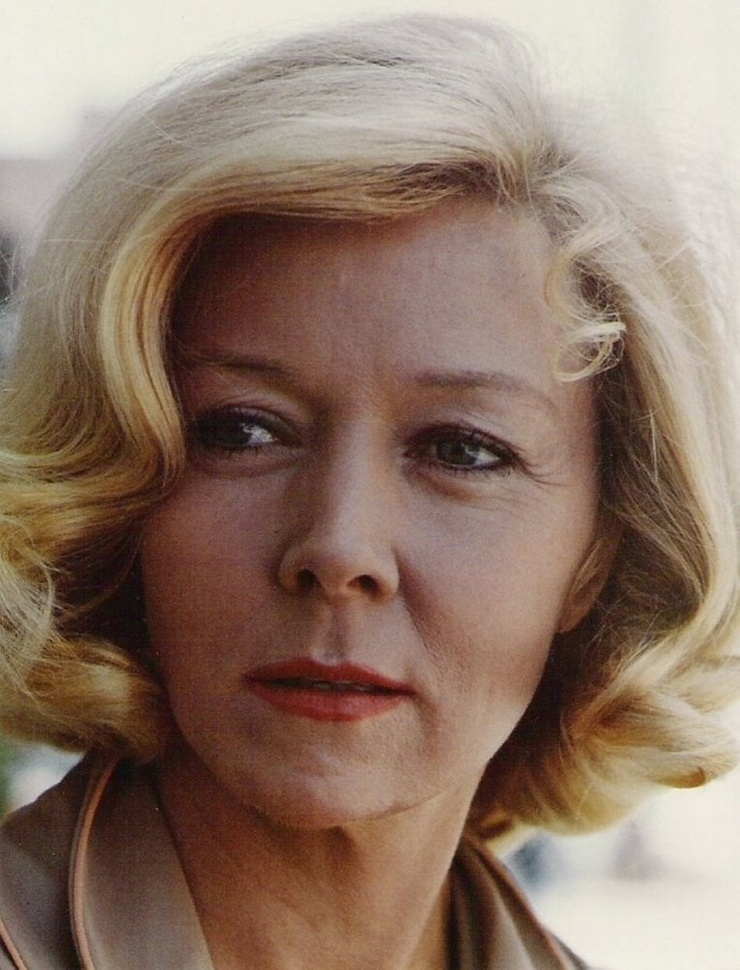
Gloria Grahame: The Enigmatic Oscar-Winning Star of Classic Hollywood
Have you ever wondered how some performers from classic Hollywood still feel alive on screen decades later? Gloria Grahame is one of those rare figures whose presence never fades. She didn’t rely on glamour alone. Instead, she brought intensity, vulnerability, and a sharp emotional edge that made every role feel unpredictable. From film noir to award-winning drama, Gloria Grahame carved out a legacy that continues to fascinate movie lovers today.
Early Life and a Childhood Surrounded by Acting
Gloria Grahame was born Gloria Hallward on November 28, 1923, in Los Angeles, California. Acting wasn’t a distant ambition for her. It was part of everyday life. Her mother, Jean Grahame, was a respected stage actress and acting coach, and young Gloria grew up immersed in theater culture. Rehearsals, scripts, and performances were as normal to her as schoolbooks.
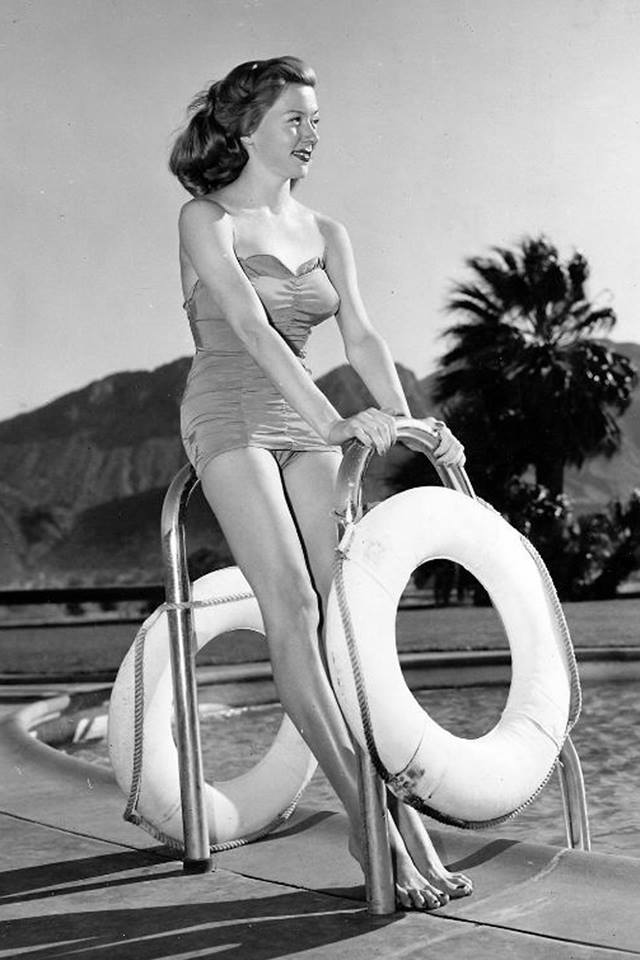
She attended Hollywood High School, but the pull of acting proved stronger than formal education. Gloria left school early to pursue her passion full time, a bold move that showed her determination. By her late teens, she was already performing on Broadway, gaining confidence and sharpening her skills in front of live audiences. This early stage experience would later give her film performances a rare depth and immediacy.
Entering Hollywood and Finding Her Screen Identity
Hollywood soon took notice. Gloria Grahame signed a contract with MGM in the mid-1940s and began appearing in films. Her early roles were small, but they hinted at something different. She didn’t fit the traditional mold of the polished studio star. There was an edge to her, a sense that she could surprise you at any moment.
Her first truly memorable screen appearance came in It’s a Wonderful Life in 1946. Playing Violet Bick, she brought warmth, humor, and quiet sadness to a character that could have easily been overlooked. Audiences remembered her instantly. Even in a supporting role, she had a way of drawing attention without demanding it.
The Rise of a Film Noir Icon
Gloria Grahame truly found her place in film noir. These dark, morally complex stories suited her perfectly. After leaving MGM, she joined RKO, where her career took a dramatic turn.
In Crossfire in 1947, she delivered a powerful performance as a weary hostess caught in a tense and socially charged story. The role earned her an Academy Award nomination and established her as a serious actress capable of emotional nuance. Viewers could sense the exhaustion and resilience beneath her character’s surface.
Her noir legacy deepened with In a Lonely Place in 1950, opposite Humphrey Bogart. As Laurel Gray, she portrayed a woman navigating a dangerous relationship filled with suspicion and emotional volatility. The performance felt intimate and unsettling, like watching something too real unfold. It remains one of her most celebrated roles.
She followed with Sudden Fear and Fritz Lang’s The Big Heat, where she played a hardened woman connected to the criminal underworld. Her fearless approach to these roles set her apart. She didn’t soften her characters to make them likable. Instead, she made them human, flaws and all.
Oscar Recognition and Career Peak
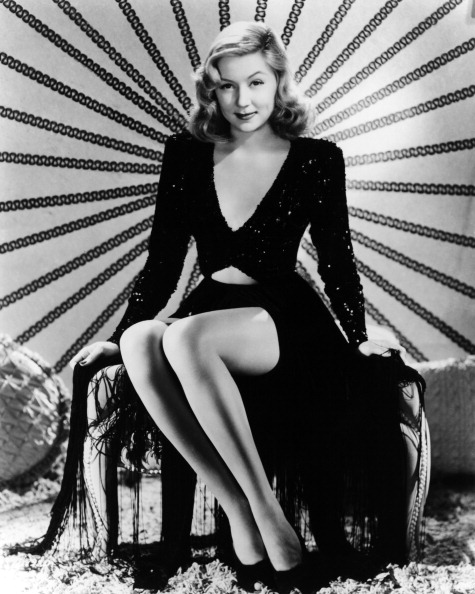
The high point of Gloria Grahame’s career came with The Bad and the Beautiful in 1952. She played Rosemary, the wife of a struggling writer drawn into Hollywood’s ruthless system. With limited screen time, she delivered a performance filled with sharp humor and quiet heartbreak.
That year, she won the Academy Award for Best Supporting Actress. Her acceptance speech was famously brief, but the impact of her performance was undeniable. It proved that a powerful role isn’t measured by minutes on screen but by emotional resonance.
During this period, she also appeared in major productions like Macao and The Greatest Show on Earth. She later surprised audiences by taking on a musical role in Oklahoma! as Ado Annie. While the casting sparked debate, it showed her willingness to challenge expectations and explore new territory.
Personal Life and the Cost of Fame
Away from the camera, Gloria Grahame’s life was far more turbulent. She married four times, and her relationships were often under intense public scrutiny. Her marriage to director Nicholas Ray, with whom she had a son, ended amid emotional strain and personal conflict.
Later relationships and family disputes attracted widespread attention and controversy. At a time when Hollywood studios tightly controlled images, these personal issues affected her career opportunities. The pressure contributed to emotional struggles and periods of instability.
Despite setbacks, Gloria continued working. She refused to disappear, taking on stage roles, television appearances, and independent projects. Her determination to keep performing reflected her deep commitment to acting, even when the industry turned away.
Later Career, Health Struggles, and Final Years
As Hollywood evolved in the 1960s and 1970s, Gloria Grahame adapted. She appeared on television series such as The Fugitive and Burke’s Law, while also focusing more on theater. Stage work allowed her to reconnect with audiences in a direct and meaningful way.
In the late 1970s, she was diagnosed with cancer. Even while battling serious illness, she continued to work whenever possible. Her resilience during this time was remarkable, showing the same strength she brought to her most challenging screen roles.
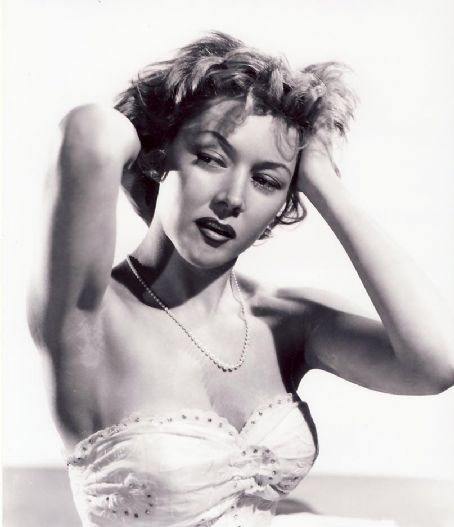
Gloria Grahame passed away on October 5, 1981, at the age of 57, due to complications from cancer. Her final years were marked by both physical hardship and creative persistence.
The Lasting Legacy of Gloria Grahame
Today, Gloria Grahame is remembered as one of classic Hollywood’s most compelling actresses. Her performances feel modern because they are emotionally honest. She portrayed women who were complex, vulnerable, and strong, long before such characters became common.
Film enthusiasts continue to rediscover her work, and actors still draw inspiration from her fearless choices. Though her life included controversy and hardship, her artistic legacy remains powerful.
Conclusion
Gloria Grahame’s story is one of talent, risk, and resilience. She reached the heights of Hollywood success, earned critical acclaim, and faced personal challenges that reshaped her career. Through it all, she remained committed to her craft. Her films continue to captivate audiences, proving that true screen presence never fades. Gloria Grahame didn’t just act in the golden age of cinema. She helped define it.