Abbe Lane: The Brooklyn-Born Star Who Sang, Danced, and Reinvented Herself Across Decades
Some performers don’t just entertain for a season—they glide through generations, leaving traces of rhythm, glamour, and resilience wherever they go. Abbe Lane is one of those rare figures. Her life reads like a vintage showbiz novel, packed with bright lights, bold choices, and constant reinvention. From child performer to international nightclub sensation, from Broadway to television screens around the world, her journey proves that true artistry evolves with time.
Let’s take a closer look at how Abbe Lane built a career that refused to fade.
Early Life in Brooklyn and a Childhood Shaped by Performance
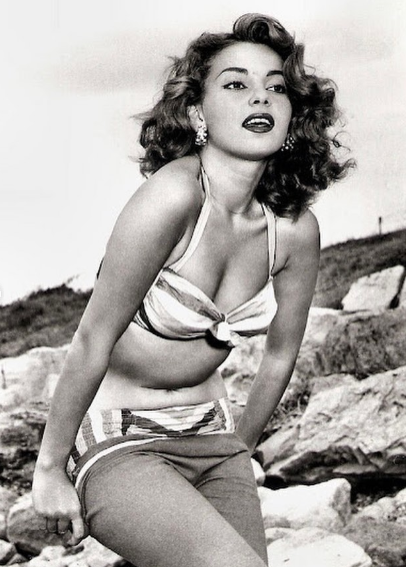
Abbe Lane was born Abigail Francine Lassman on December 14, 1932, in Brooklyn, New York. Raised in a Jewish family by her parents Abbey and Grace Lassman, she grew up in a neighborhood buzzing with energy and ambition. While most children were still finding their footing, Abbe had already stepped onto the stage.
At just four years old, she appeared in Vitaphone film shorts and performed on radio programs. That early exposure wasn’t a novelty—it was training. By the time she reached her teenage years, performing felt as natural as breathing.
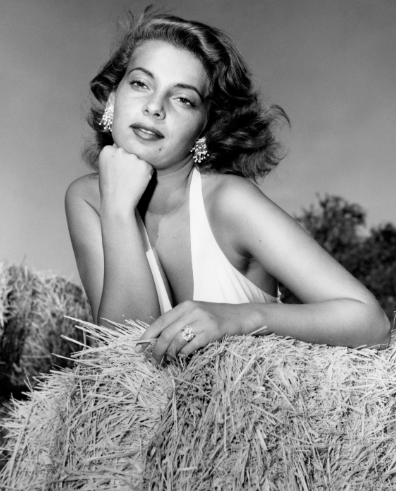
She later adopted the name Abbe Marshall during her early Broadway years, a nod to her father’s nickname. Even then, she stood out. She wasn’t just following choreography; she was commanding attention.
Broadway Beginnings and the Spark of International Appeal
Abbe’s teenage years saw her dancing on Broadway in productions like Barefoot Boy with Cheek and As the Girls Go. Her movement was sharp, her timing instinctive, and her stage presence impossible to miss. But the real turning point came when fate intervened backstage.
Bandleader Xavier Cugat, already a towering figure in Latin music, saw her perform a calypso number and immediately recognized her star power. He hired her on the spot, launching Abbe into a world far larger than Broadway.
Suddenly, she wasn’t just a dancer. She was a singer, an international performer, and a rising icon of nightclub glamour. She toured extensively, singing in English, Spanish, Italian, and French, adapting seamlessly to audiences across continents. That multilingual versatility gave her a global edge few performers could match.
A Defining Broadway Moment and Expanding Fame
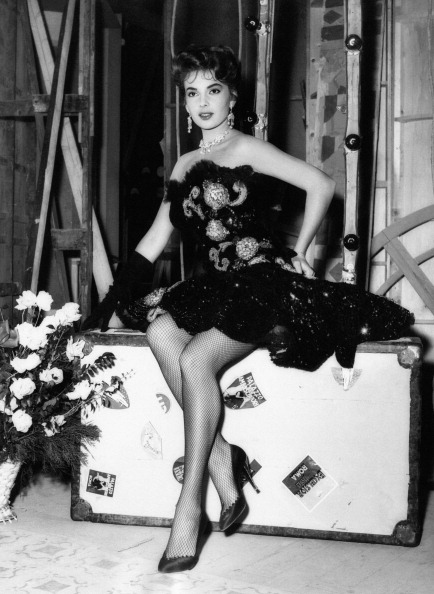
In 1958, Abbe Lane starred opposite Tony Randall in the Broadway musical Oh, Captain!. Critics praised her performance, noting her vibrant energy and natural charisma. Though contractual issues kept her off the original cast album, she later recorded her songs independently, ensuring her voice still reached audiences.
This period cemented her reputation as a performer who could hold her own among Broadway heavyweights. She wasn’t just filling space on stage—she was driving the momentum.
Marriage to Xavier Cugat and Life in the Spotlight
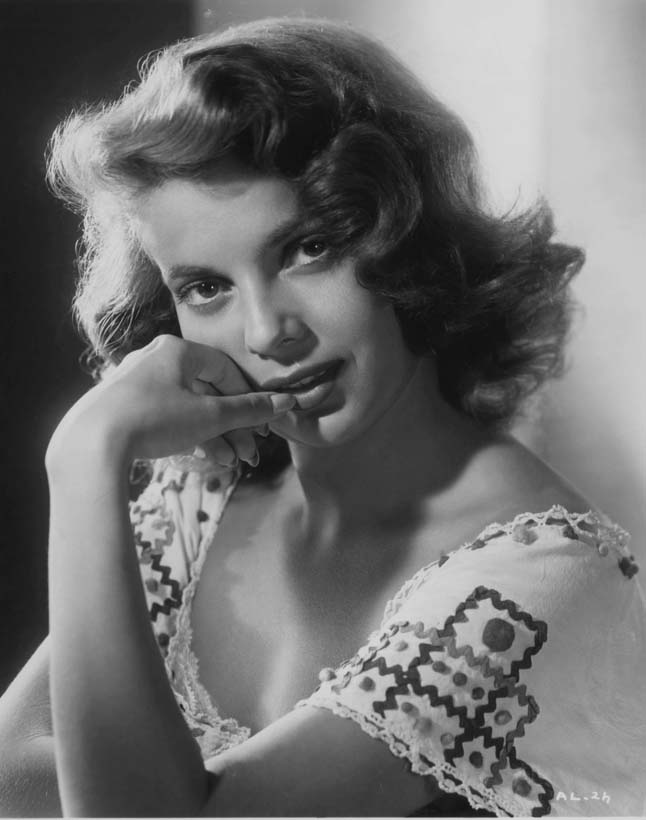
At just 19 years old, Abbe married Xavier Cugat in 1952. The age gap was significant, but together they formed one of the most recognizable entertainment pairings of the era. She became the featured singer with his orchestra, appeared on album covers, and co-headlined tours that introduced Latin rhythms like the rumba and cha-cha to mainstream American audiences.
They dazzled on television variety shows, helping shape the sound and style of an entire decade. Albums such as Be Mine Tonight, featuring collaborations with artists like Tito Puente, showcased Abbe’s ability to blend sensual rhythm with vocal precision.
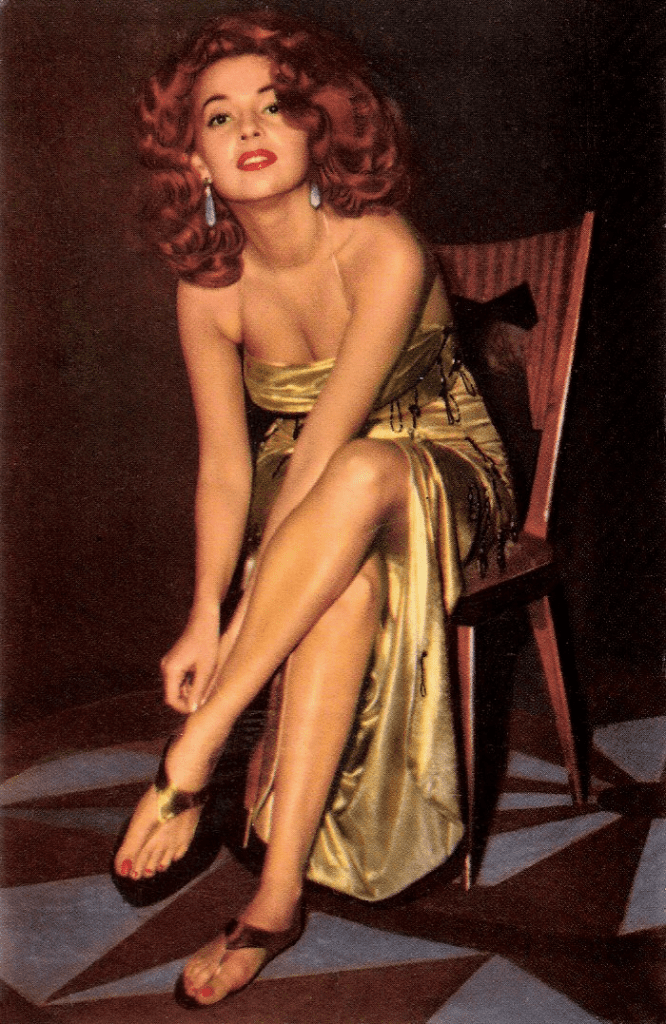
Behind the glamour, however, the marriage carried strain. After 12 years, the relationship ended in divorce in 1964. Years later, Abbe reflected on that chapter in her semi-autobiographical novel But Where Is Love?, offering a thoughtful look at ambition, identity, and emotional cost.
A Confident Solo Career Across Film, Television, and Music
After the divorce, Abbe Lane didn’t slow down—she soared independently. She appeared in Italian films, gaining a strong European following before returning to American screens. Television audiences saw her on popular series such as The Flying Nun, F Troop, The Brady Bunch, and Hart to Hart.
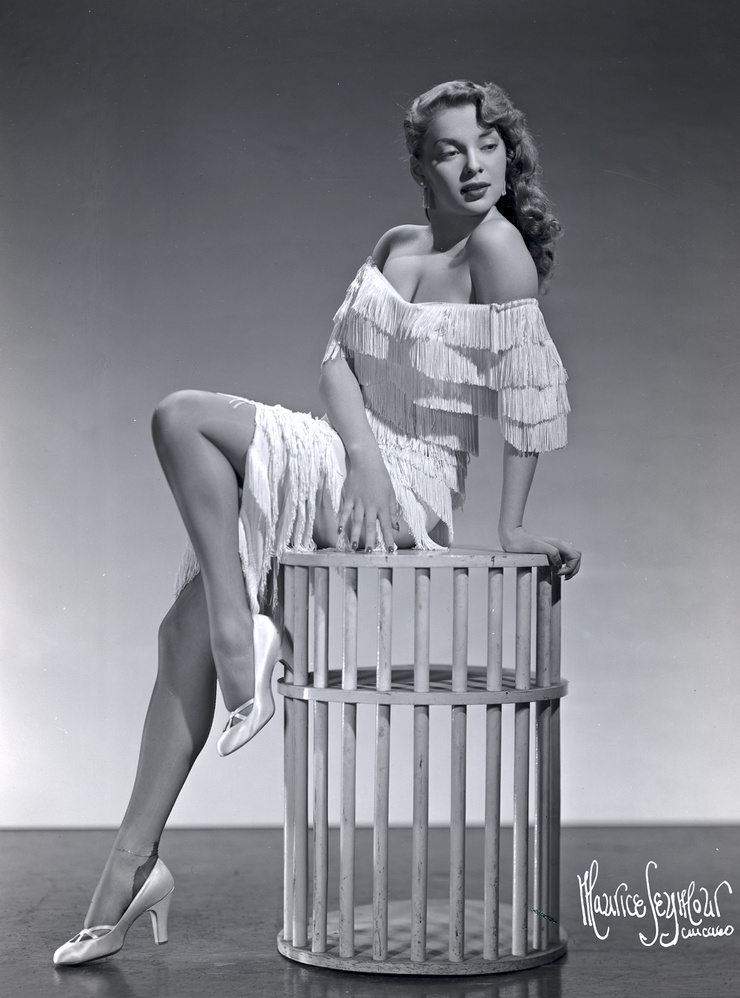
Her film work included appearances in Caesar Against the Pirates and Twilight Zone: The Movie, where she played a stewardess. Each role reinforced her adaptability. She moved easily between drama, comedy, and musical performance without losing her identity.
Music remained central to her career. Recording for labels like RCA Victor and Mercury, she released albums that blended pop, jazz, and Latin influences. Frequent appearances on The Ed Sullivan Show kept her in the public eye, reminding viewers that her voice carried both warmth and edge.
Personal Reinvention and Lasting Love
Just months after her divorce, Abbe found lasting stability when she married theatrical agent and businessman Perry Leff in December 1964. She later described him as the love of her life. Together, they built a family, raising two sons, Steven and Andrew.
This chapter marked a shift. While she continued to work, family became her anchor. The couple remained together until Perry’s passing in 2020, a partnership defined by support rather than spectacle.
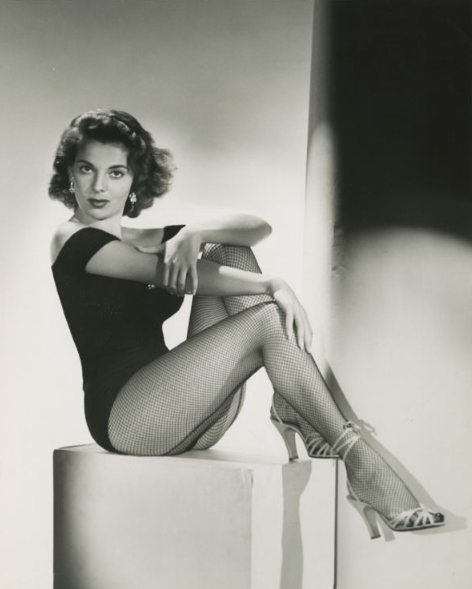
In recognition of her television contributions, Abbe Lane received a star on the Hollywood Walk of Fame, a fitting tribute to a career that spanned decades and mediums.
Life Today and a Quiet, Enduring Legacy
As of 2025, Abbe Lane lives a private life at 93. Widowed and largely out of the spotlight, she enjoys the rewards of a life fully lived. Though she no longer makes public appearances, her influence continues through classic recordings, television reruns, and archival performances that capture her at her peak.
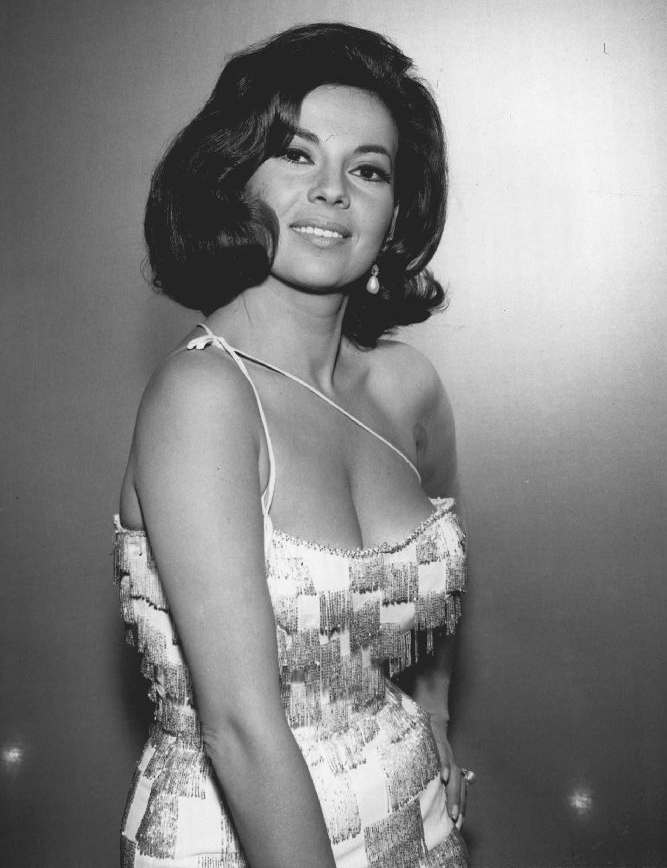
She once traded roaring applause for quieter moments, proving that reinvention doesn’t always mean staying visible. Sometimes, it means choosing peace.
Conclusion
Abbe Lane’s story captures the soul of classic entertainment—bold beginnings, global success, personal reinvention, and enduring grace. From a Brooklyn child performer to an international nightclub star, from Broadway to television history, she navigated fame with courage and adaptability.
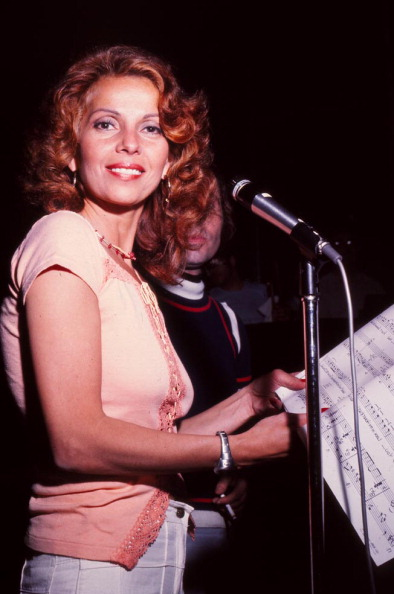
Her legacy isn’t frozen in one role or one decade. It lives in rhythm, voice, and the confidence to evolve. For anyone drawn to vintage glamour and timeless talent, Abbe Lane remains a shining reminder that real stars don’t disappear—they simply change the way they shine.