Growing Up Surrounded by Art, Yet Free to Choose
Amanda Sandrelli entered the world already wrapped in creativity. Born on October 31, 1964, in Lausanne, Switzerland, she was the daughter of two towering figures of Italian culture: singer-songwriter Gino Paoli and actress Stefania Sandrelli. With music flowing on one side and cinema glowing on the other, art wasn’t something distant or abstract. It was daily life.
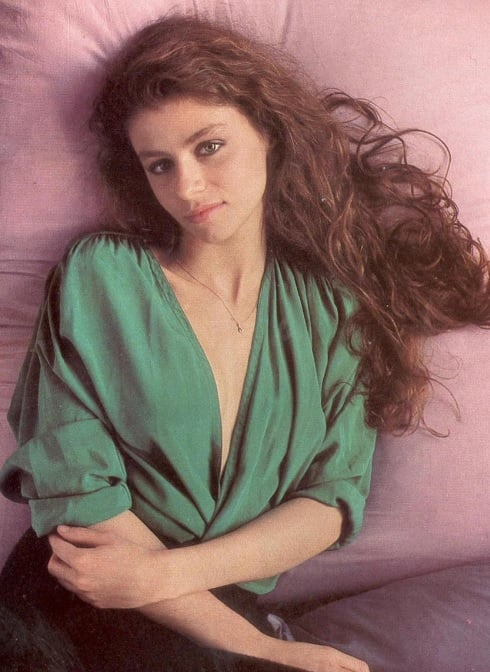
Yet her childhood wasn’t about pressure or expectations. She grew up within a blended family, grounded and observant, absorbing the rhythm of rehearsals, film sets, and backstage conversations. Rather than feeling overshadowed, she learned early how to stand comfortably in her own space. That balance—between legacy and independence—would later define her entire career.
First Steps Into Acting: A Debut That Left a Mark
Amanda didn’t rush into the spotlight, but when she stepped in, people noticed. At just 20 years old, she made her film debut in Non ci resta che piangere (1984), a comedy that would go on to become a classic of Italian cinema. Acting alongside Roberto Benigni and Massimo Troisi was no small introduction, yet she held her own with ease.
That first role opened doors quickly. Directors recognized not just her famous surname, but her natural timing, warmth, and emotional clarity. Giuseppe Bertolucci cast her in Strana la vita and Amori in corso, performances that earned her the Sacher d’Oro award. These early films revealed a young actress capable of depth without exaggeration—someone who felt real on screen.
Building a Film Career With Purpose, Not Noise
Throughout the 1990s and early 2000s, Amanda Sandrelli made deliberate choices. She appeared in films that challenged her rather than chasing constant visibility. One of her most notable roles came in Nirvana (1997), directed by Gabriele Salvatores. The film’s darker, futuristic tone allowed her to explore a different emotional register, proving her versatility.
She later worked with Gabriele Muccino in Ricordati di me (2003), a film centered on family tensions and personal longing. Perhaps one of the most meaningful projects of her career arrived in 2009 with Christine Cristina, directed by her mother. Taking on the lead role in such an intimate film blurred the lines between personal history and artistic expression in a way that felt honest rather than sentimental.
Television also became a steady part of her work, with appearances in respected miniseries and comedies. Yet even as her screen credits grew, another passion quietly took center stage.
Theater: Where Her Voice Truly Found Home
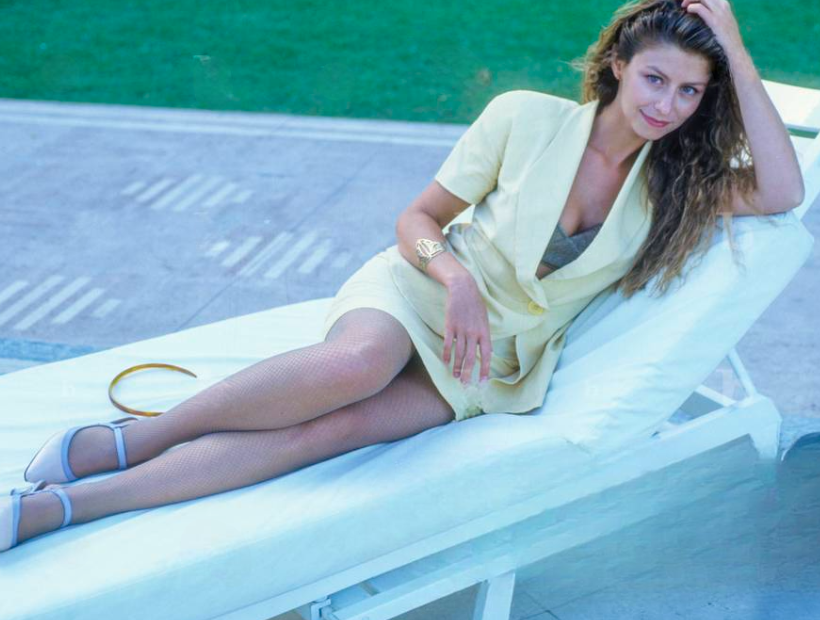
While cinema introduced her to the public, theater became the place where Amanda truly flourished. She stepped onto the stage in the early 1990s and never looked back. Live performance allowed her to explore language, silence, and presence without filters or edits.
Over the years, she worked with prominent directors and appeared in contemporary plays such as Bruciati, Xanax, Tres, Il bagno, and Col piede giusto. Each role demanded precision and vulnerability. Theater, for her, wasn’t about spectacle. It was about connection.
She also took part in ambitious literary projects, including spoken performances inspired by The Odyssey, The Iliad, and The Aeneid. These productions transformed ancient texts into living experiences, carried by her expressive voice and grounded delivery. On stage, she didn’t perform characters—she inhabited them.
Behind the Camera: Writing and Directing With Sensitivity
Amanda’s creativity didn’t stop at acting. In 2004, she directed the short film Un amore possibile, a delicate story inspired by personal reflections on love and adoption. The project earned a David di Donatello nomination, confirming her ability to tell stories from behind the camera with the same emotional intelligence she brought to acting.
She also explored music in subtle ways, including a special collaboration with her father on the Italian version of Beauty and the Beast. These moments felt less like career moves and more like natural extensions of who she is—a storyteller in many forms.
Personal Life: Family, Change, and Continuity
Away from the stage lights, Amanda Sandrelli built a full and layered personal life. In 1994, she married actor Blas Roca-Rey. Together, they had two sons, Rocco and Francisco, and even shared the stage in theatrical productions. Their marriage lasted nearly twenty years before they separated amicably in 2013.
Life continued to evolve. Since 2018, she has been in a long-term relationship with a partner from her teenage years, a reconnection that reflects her belief in growth and second chapters. Family remains central to her world, even as she protects her sons from the pressures of public exposure.
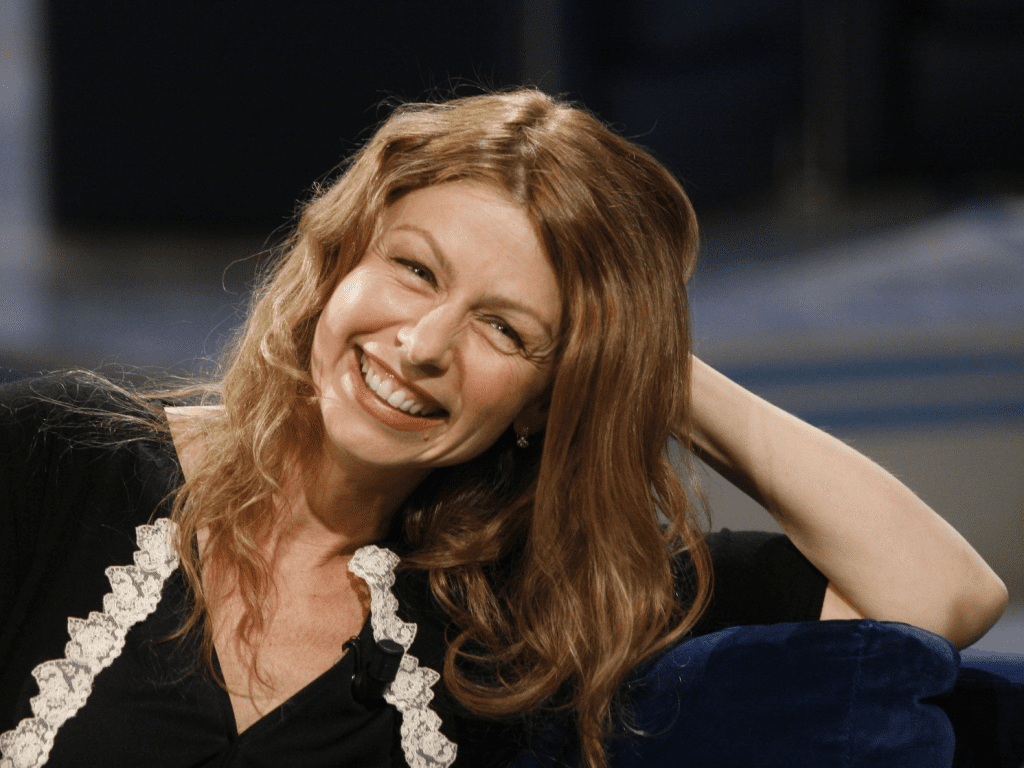
Recent years also brought loss. In 2025, the sudden passing of her half-brother Giovanni Paoli deeply affected her. She spoke about grief with honesty, emphasizing the importance of memory, love, and presence. Through change and sorrow, she continues to move forward with quiet strength.
Life and Work in 2025: Still Creating, Still Giving Back
As of late 2025, Amanda remains deeply active in the world of theater. She stars in the comedy Vicini di casa at Milan’s Teatro Manzoni, earning praise for her timing and emotional nuance. Beyond performing, she serves as artistic director at Teatro Verdi in Monte San Savino, supporting emerging voices and shaping future productions.
Her days balance rehearsals, family time, and reflection. She gives thoughtful interviews, speaks openly about aging in the arts, and continues to choose projects that align with her values. Fame has never been her goal—meaning has.
A Career Defined by Authenticity
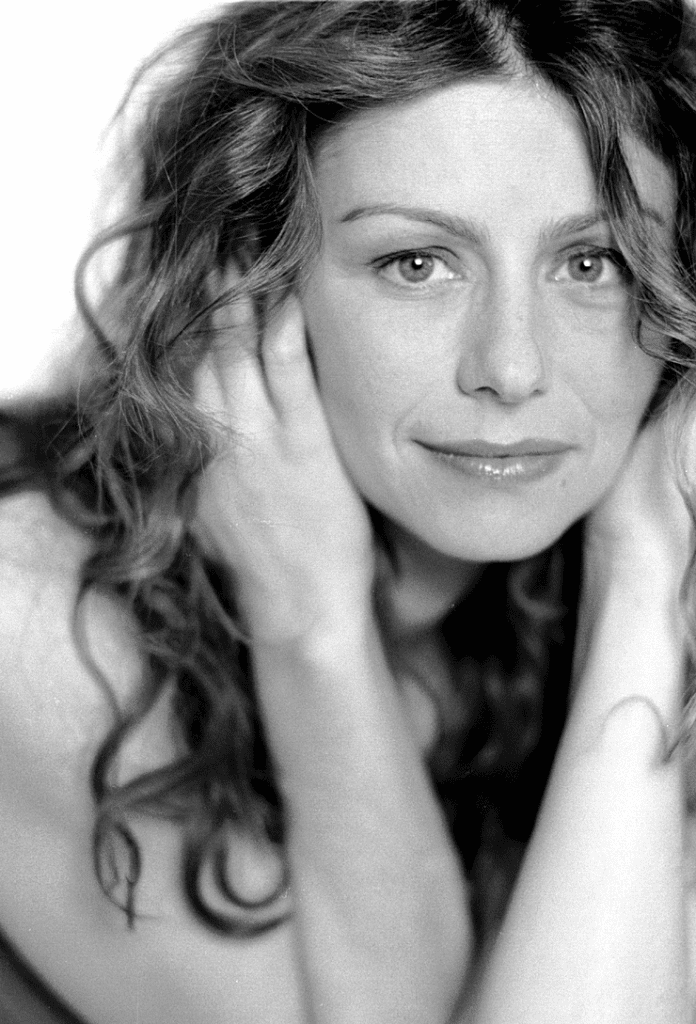
Amanda Sandrelli’s journey proves that legacy doesn’t have to be a burden. It can be a starting point. From a Swiss-born child of Italian icons to a respected actress, director, and theater leader, she has built a career rooted in substance rather than spectacle.
She chose depth over noise, stage over spotlight, and honesty over hype. In doing so, she created a body of work that feels timeless and human. Her story reminds us that true success isn’t about being everywhere—it’s about being exactly where you belong.