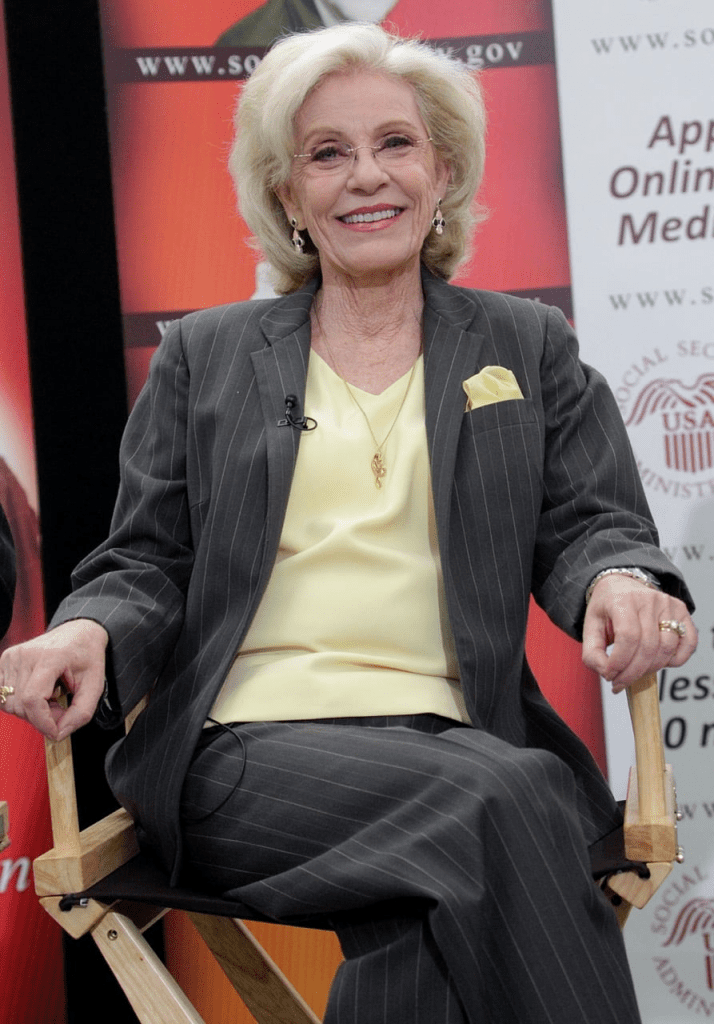
Patty Duke: From Child Prodigy to Oscar Glory and a Voice That Changed How America Talks About Mental Health
Some lives feel like a full-length drama packed into a single career. Patty Duke lived one of those lives. She rose from a painful childhood to become an Oscar-winning actress before most teens even finish school. Then, when fame could have swallowed her whole, she chose honesty—about struggle, resilience, and the courage to ask for help. Her story still lands with force because it isn’t polished or easy. It’s human. And that’s why it lasts.
Early Life in Queens: Talent Born from Turmoil
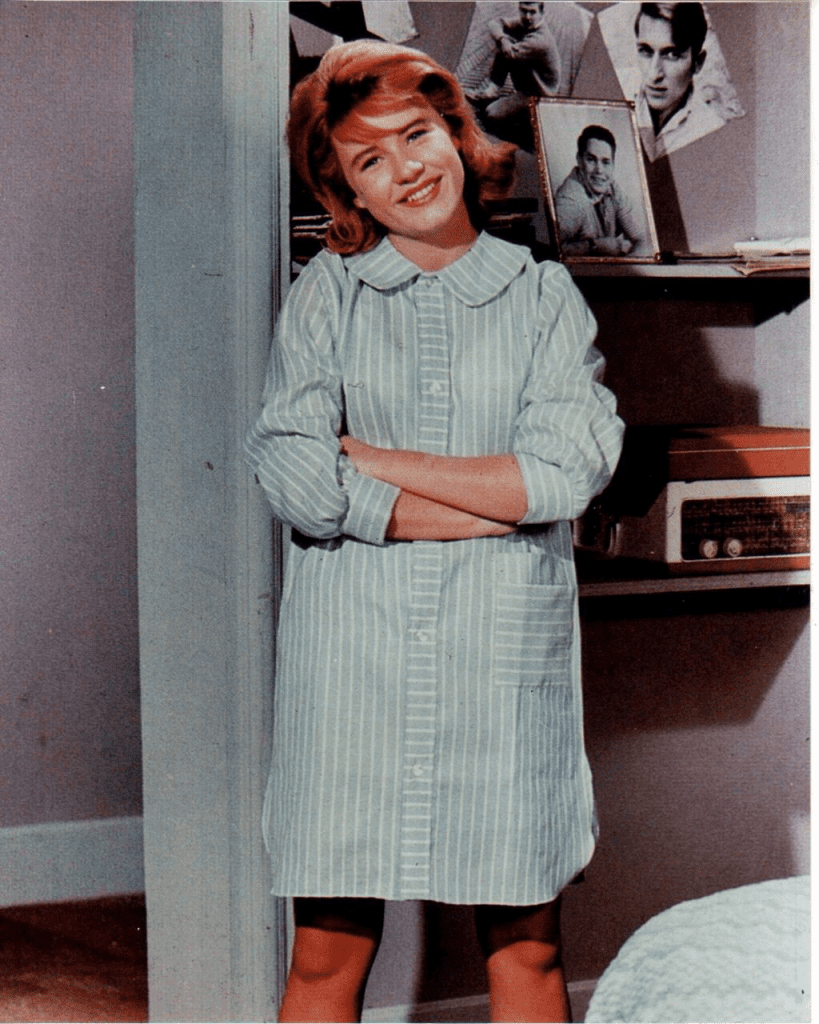
Patty Duke was born Anna Marie Duke on December 14, 1946, in Elmhurst, Queens, New York. Her early years were marked by instability. Her father battled alcoholism. Her mother lived with severe depression. Money was tight, emotions were tighter, and home rarely felt safe.
After her parents separated, Patty was taken in by talent managers John and Ethel Ross. They pushed her hard into acting and changed her name to “Patty,” declaring that her old identity was gone. It’s heartbreaking, but it also explains her fierce drive. Acting became both a shield and a ladder—protection from chaos and a way up.
Broadway Breakthrough: Becoming Helen Keller
At just twelve, Patty Duke stepped onto Broadway as Helen Keller in The Miracle Worker. The role demanded physical intensity, emotional precision, and stamina beyond her years. She delivered all of it—and earned a Tony nomination.
Then came the film version in 1962, opposite Anne Bancroft. Patty’s performance wasn’t just good; it was unforgettable. At sixteen, she won the Academy Award for Best Supporting Actress, becoming the youngest winner in that category at the time. The moment changed her life overnight. Hollywood had a new star, and audiences saw a young actress who felt utterly real.
Television Stardom: The Patty Duke Show Phenomenon
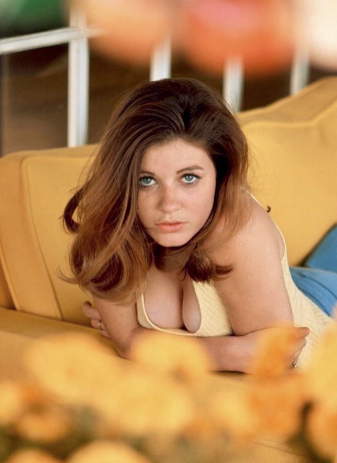
Fresh off her Oscar win, Patty Duke landed her own sitcom in 1963: The Patty Duke Show. She played identical cousins—Patty Lane from Brooklyn and Cathy Lane from Scotland—switching accents, manners, and moods with ease.
The show ran for three seasons and became a family favorite. Viewers connected with the humor and heart, while industry insiders noticed her range. The dual-role concept, inspired by her emotional contrasts, foreshadowed what no one yet understood. Still, the show cemented her as a household name and a defining face of 1960s television.

Expanding the Craft: Films, Emmys, and Reinvention
As she grew older, Patty Duke refused to stay boxed into childhood fame. She took risks. In 1967, she starred as Neely O’Hara in Valley of the Dolls, a role filled with ambition and unraveling. She followed with Me, Natalie and a steady stream of stage and television work.
Her television career earned her three Emmy Awards, including recognition for a miniseries based on her own life. She also served as President of the Screen Actors Guild from 1985 to 1988, advocating for performers’ rights at a critical time. Honors followed, including a star on the Hollywood Walk of Fame in 2004.
The Hidden Battle: Bipolar Disorder and a Turning Point
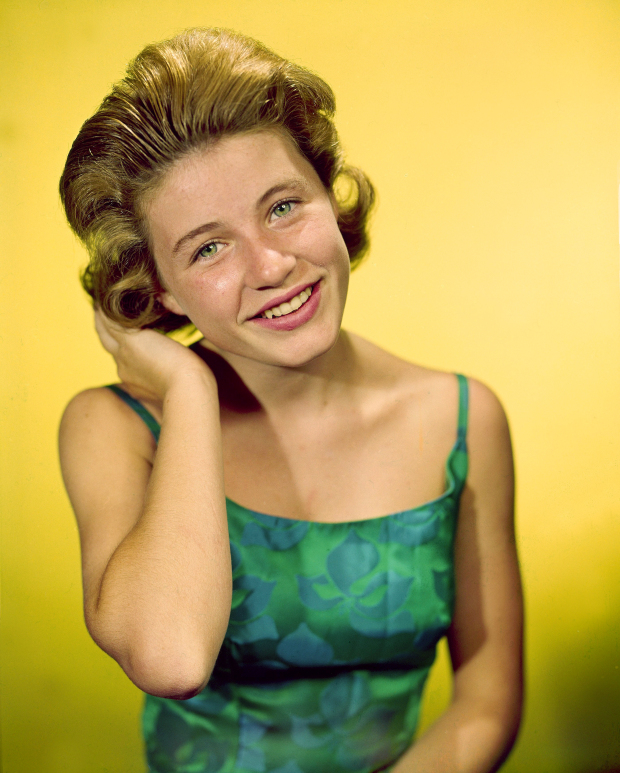
Behind the scenes, Patty Duke struggled. Mood swings, impulsive decisions, eating disorders, and deep lows shaped much of her private life. For years, no one could explain why. In 1982, at age 35, she finally received a diagnosis of bipolar disorder.
Treatment changed everything. With stability came clarity. Patterns made sense. Pain had a name. And instead of hiding, Patty chose to speak.
Turning Pain into Purpose: Mental Health Advocacy
In 1987, Patty Duke released her memoir Call Me Anna, openly discussing her diagnosis and life experiences. It was groundbreaking. Few public figures had spoken so honestly about mental illness, and her words resonated deeply.
She followed with A Brilliant Madness, blending personal insight with education and advocacy. Patty testified before Congress, worked with national organizations, and pushed for research and understanding. Like turning a spotlight onto a dark stage, her openness helped millions feel seen. She didn’t just tell her story—she changed the conversation.
Family Life: Love, Loss, and Enduring Bonds
Patty Duke’s personal life included four marriages, each teaching her something different. Her longest and happiest union was with Michael Pearce, whom she married in 1986. Together, they built a quieter life in Idaho and adopted a son, Kevin.
She was also the mother of actors Sean Astin and Mackenzie Astin. Sean, known for The Goonies and The Lord of the Rings, often spoke about his mother’s courage and love. Family grounded Patty in her later years, giving her joy beyond the spotlight.
Final Years and Passing
On March 29, 2016, Patty Duke passed away at age 69 in Coeur d’Alene, Idaho, due to sepsis caused by a ruptured intestine. The news saddened generations of fans who had grown up with her work. Tributes poured in—not just for her performances, but for her bravery.
Her son Sean later launched the Patty Duke Mental Health Initiative, continuing her mission to educate, support, and reduce stigma. Her influence didn’t end. It multiplied.
Conclusion: Why Patty Duke Still Matters
Patty Duke’s life reads like a powerful comeback story written over decades. She conquered Broadway as a child, won an Oscar as a teenager, ruled television, and then did something even bolder—she told the truth about mental illness when silence was the norm.
Her legacy isn’t just on film or television. It lives in every conversation made easier because she spoke first. In every person who felt less alone because she shared. Revisit The Miracle Worker. Rewatch her sitcom. Read her words. You’ll find a woman who turned vulnerability into strength and left the world more understanding than she found it.
That’s a legacy worth remembering.