From Child Prodigy to Cultural Icon: A Career Built on Fearless Talent
Some careers feel carefully planned. Others feel like destiny kicking the door open. Anna Paquin belongs firmly in the second category. With an Academy Award win before her teenage years and a résumé that spans intimate dramas, global franchises, and prestige television, her journey is one of rare longevity and constant reinvention.
Let’s take a closer look at how she grew from an accidental discovery into one of the most respected performers of her generation.
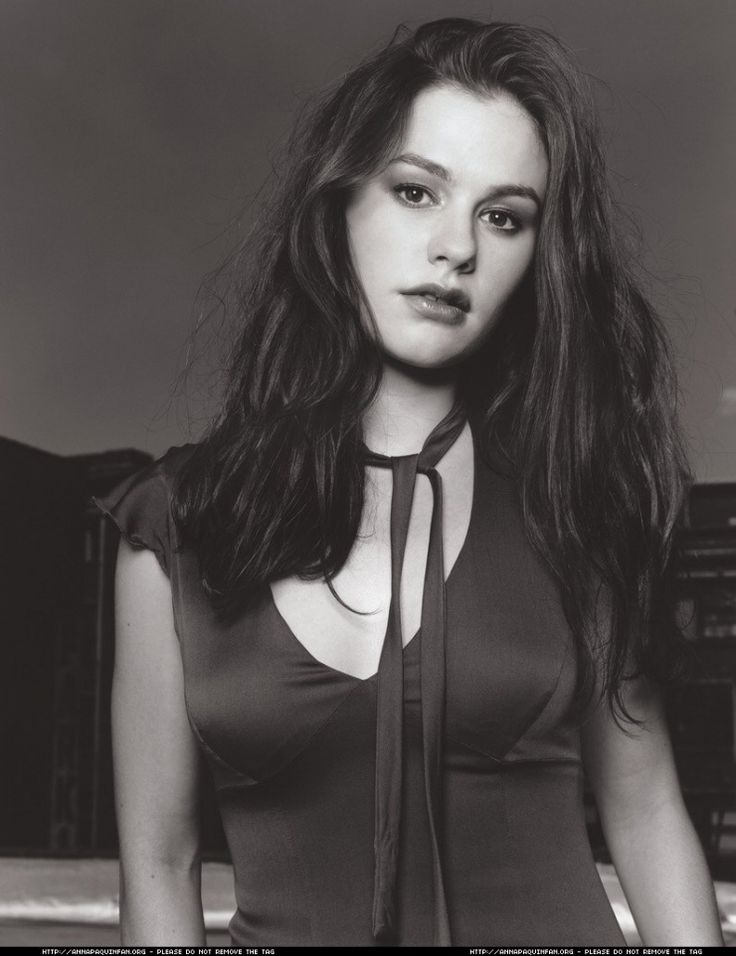
Early Life: A Global Childhood That Shaped Her Perspective
Anna Helene Paquin was born on July 24, 1982, in Winnipeg, Canada, to a New Zealand-born English teacher mother and a Canadian physical education teacher father. When she was just four years old, her family relocated to Wellington, New Zealand—a move that quietly shaped her grounded worldview.
Her childhood wasn’t centered on acting. Instead, she filled her days with music lessons, ballet, skiing, swimming, and school life like any other kid. That sense of normalcy would later become a secret weapon, keeping her steady when fame arrived far earlier than expected.
When her parents separated during her early teens, life shifted again. And then, almost out of nowhere, acting entered the picture.
An Accidental Audition That Changed Everything
At nine years old, Anna auditioned for a film simply because her school was buzzing about an open casting call. She had no training. No expectations. No idea what she was stepping into.
That film was The Piano (1993), directed by Jane Campion.
Cast as Flora, the outspoken daughter of a mute woman in 19th-century New Zealand, Anna delivered a performance that stunned critics worldwide. Her emotional instincts felt natural, unforced, and deeply human.
In 1994, she won the Academy Award for Best Supporting Actress—becoming one of the youngest Oscar winners in history. Overnight, she went from anonymous schoolgirl to international sensation.
Navigating Fame: Growing Up on Screen Without Losing Balance
Many child stars struggle to transition. Anna Paquin didn’t rush it.
She chose thoughtful roles in films like Fly Away Home, Jane Eyre, and Amistad, balancing youth-driven stories with emotionally rich material. These choices allowed her to mature as an actor while still protecting her personal life.
By the time she entered her late teens, she was ready to take on more complex, adult roles in films such as Almost Famous and 25th Hour. Her performances showed restraint, intelligence, and a growing confidence that signaled long-term staying power.

Blockbuster Era: Redefining the Superhero Heroine
In 2000, Anna stepped into a role that introduced her to a whole new generation: Rogue in X-Men.
This wasn’t a typical superhero character. Rogue was vulnerable, isolated, and emotionally conflicted—traits Anna portrayed with empathy rather than spectacle. Over the years, she reprised the role across multiple films, including X-Men: Days of Future Past.
What made this phase remarkable wasn’t just box-office success. It was her ability to bring emotional weight to a genre often dominated by action over character.
Alongside franchise work, she continued choosing prestige projects, appearing in films like Margaret, The Irishman, and voice roles such as The Good Dinosaur.
Television Reinvention: Owning a Cultural Phenomenon
Television became her next proving ground.
After acclaimed performances in projects like Bury My Heart at Wounded Knee and Alias Grace, she landed the role that would redefine her TV legacy: Sookie Stackhouse in HBO’s True Blood.
From 2008 to 2014, she anchored the series as a telepathic waitress navigating a supernatural world. The role earned her a Golden Globe and turned the show into a pop culture juggernaut.
What stood out wasn’t just the genre appeal—it was her ability to balance humor, vulnerability, and strength across seven seasons.
Later television work, including The Affair, Flack, and Bellevue, further showcased her range, often placing her in morally complex, emotionally layered roles.
Life Beyond the Camera: Family, Identity, and Advocacy
Off-screen, Anna Paquin has consistently chosen honesty over spectacle.
She moved to Los Angeles as a teenager, briefly attended Columbia University, and eventually committed fully to acting. In 2010, she publicly spoke about her bisexuality in a campaign supporting marriage equality—doing so calmly, without turning it into a headline-driven moment.
That same year, she married actor Stephen Moyer, her co-star on True Blood. The couple welcomed fraternal twins in 2012 and built a blended family, keeping their children largely out of the public eye.

She supports causes related to LGBTQ+ rights, mental health, and children’s charities, often without fanfare.
Recent Years: Resilience, Health, and a Quieter Chapter
In recent years, Anna has stepped back from the relentless pace of Hollywood.
Her 2024 film A Bit of Light, directed by her husband, marked a deeply personal project focused on healing and recovery. Around the same time, she openly acknowledged health challenges that affected mobility and speech, appearing publicly with a cane in 2024.
Rather than disappearing, she chose transparency—thanking fans for their support and signaling optimism for recovery. By 2025, she appears focused on wellness, family, and choosing projects carefully.
It’s not a retreat. It’s a recalibration.
Conclusion: A Career Defined by Courage and Choice
Anna Paquin’s journey is remarkable not just for how early it began, but for how thoughtfully it evolved.
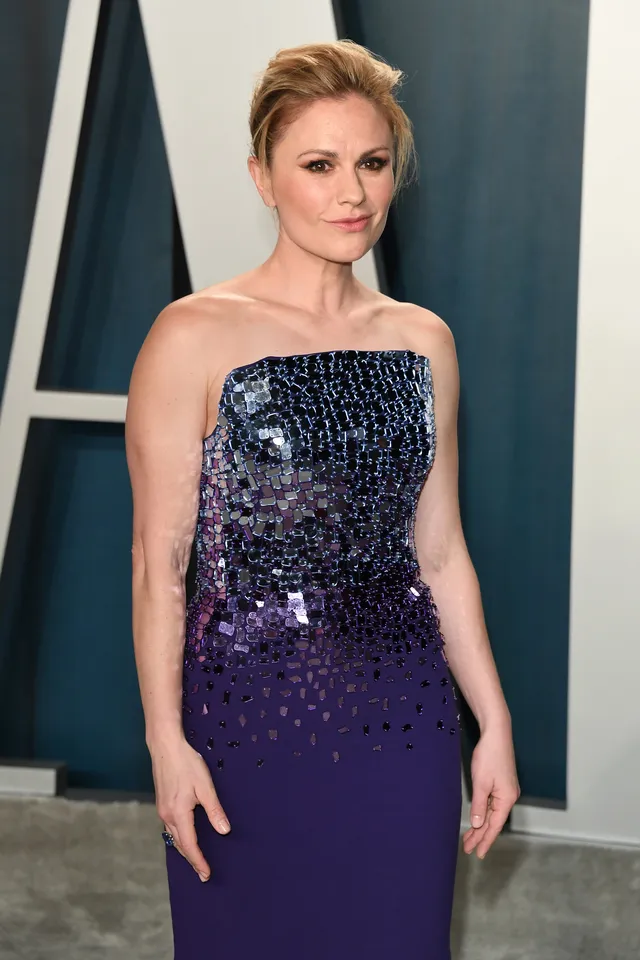
From an untrained child winning an Oscar, to a superhero icon, to a defining television lead, and now a seasoned artist prioritizing health and authenticity—her career reflects courage at every stage.
She never chased trends. She chose stories.
And that’s why her work continues to resonate: because it feels honest, human, and fearless—just like the woman behind it.