From Parisian Elegance To Gothic Shadows: A European Star Who Defined 1960s Horror Cinema
Ever watched a classic gothic horror film and felt mesmerized by the quiet strength of its heroine? The kind of woman who doesn’t scream just to be heard, but commands attention with her eyes, her posture, her presence? That unforgettable grace belongs to Yvonne Monlaur. Her career may have been brief, but her impact still lingers like candlelight in a dark castle hallway.

Yvonne Monlaur wasn’t just another face in European cinema. She was a blend of art, discipline, and emotional depth, shaped by culture and refined by experience. Let’s step into her world and uncover how she became one of the most memorable figures in classic horror history.
An Artistic Childhood Rooted In Culture And Discipline
Yvonne Monlaur was born on December 15, 1939, in Pau, France, under the full name Yvonne-Thérèse-Marie-Camille Bédat de Monlaur. From the very beginning, art surrounded her. Her father, Pierre Bédat de Monlaur, was a respected poet from an old French noble lineage. Her mother was a Russian ballerina and pianist, filling the household with music, movement, and creative energy.
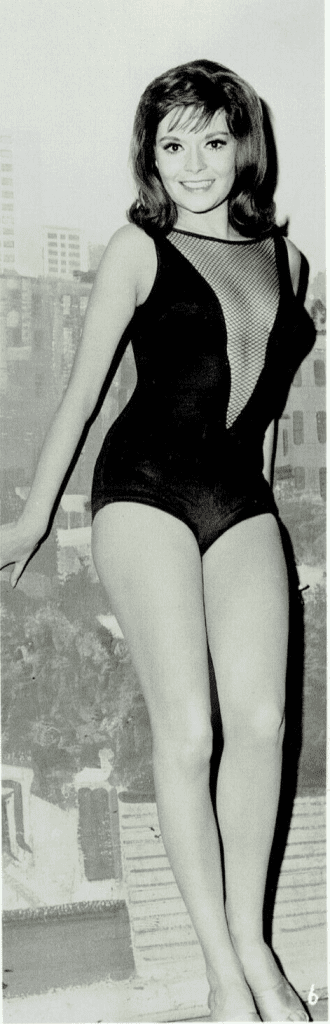
Growing up in such an environment shaped Yvonne’s worldview. Ballet training became part of her daily life, teaching her control, balance, and emotional expression without words. Those lessons stayed with her forever. Even when she later stood still on camera, her body spoke.
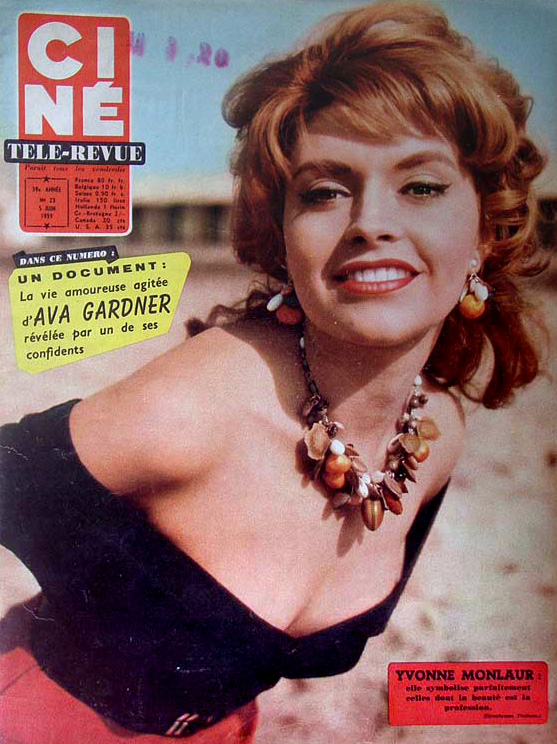
As a teenager, she transitioned into modeling and appeared in Elle magazine, becoming part of Paris’s post-war fashion scene. Modeling refined her elegance and introduced her to the discipline of visual storytelling, setting the stage for her next leap.
Early Film Roles And A Swift Rise Across Europe
Yvonne Monlaur made her film debut in the mid-1950s, first appearing in French cinema before quickly finding opportunity in Italy. Italian filmmakers were drawn to her natural sophistication and expressive face. In 1958, she appeared in Three Strangers in Rome, sharing the screen with a young Claudia Cardinale.
That same year, she took on multiple Italian projects, proving she could adapt to different tones and languages. Her momentum nearly came to a halt in 1959 when a boat explosion during the filming of Avventura a Capri caused severe burns and required a long hospital recovery.
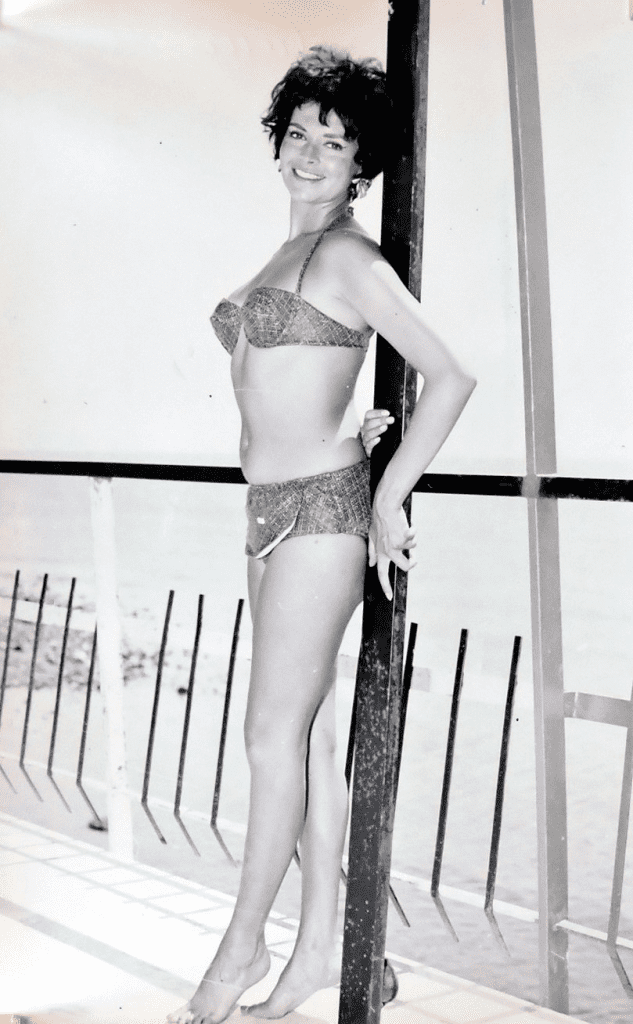
Many would have stepped away. Yvonne did the opposite. She returned stronger, her resilience adding depth to her public image. Producers saw not just beauty, but strength. Like a dancer returning to the stage after injury, she carried herself with renewed purpose.
Crossing Borders And Finding Her Defining Genre
By 1960, Yvonne Monlaur’s career took a decisive turn when she moved into British cinema. England opened new doors, especially in the thriller and horror genres that were gaining global attention. Her first major role in this phase came with Circus of Horrors.
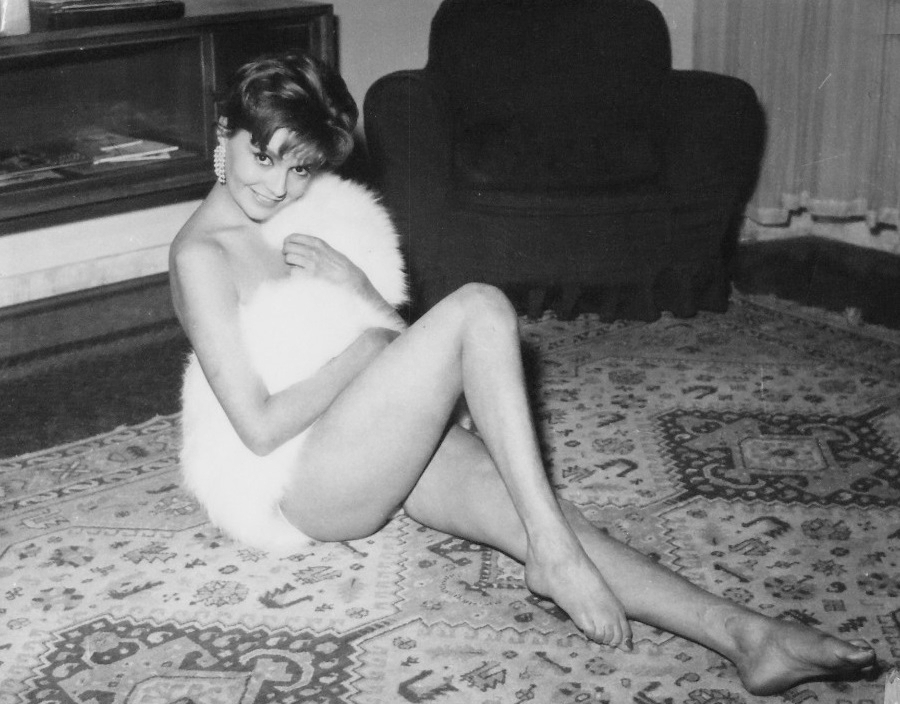
In the film, she played Nicole, a woman scarred and emotionally wounded, transformed by a sinister surgeon. It was a role that demanded vulnerability and quiet intensity, both of which Yvonne delivered effortlessly. Her performance hinted at something deeper than surface fear.
But it was her next project that sealed her legacy.
A Hammer Horror Icon Is Born
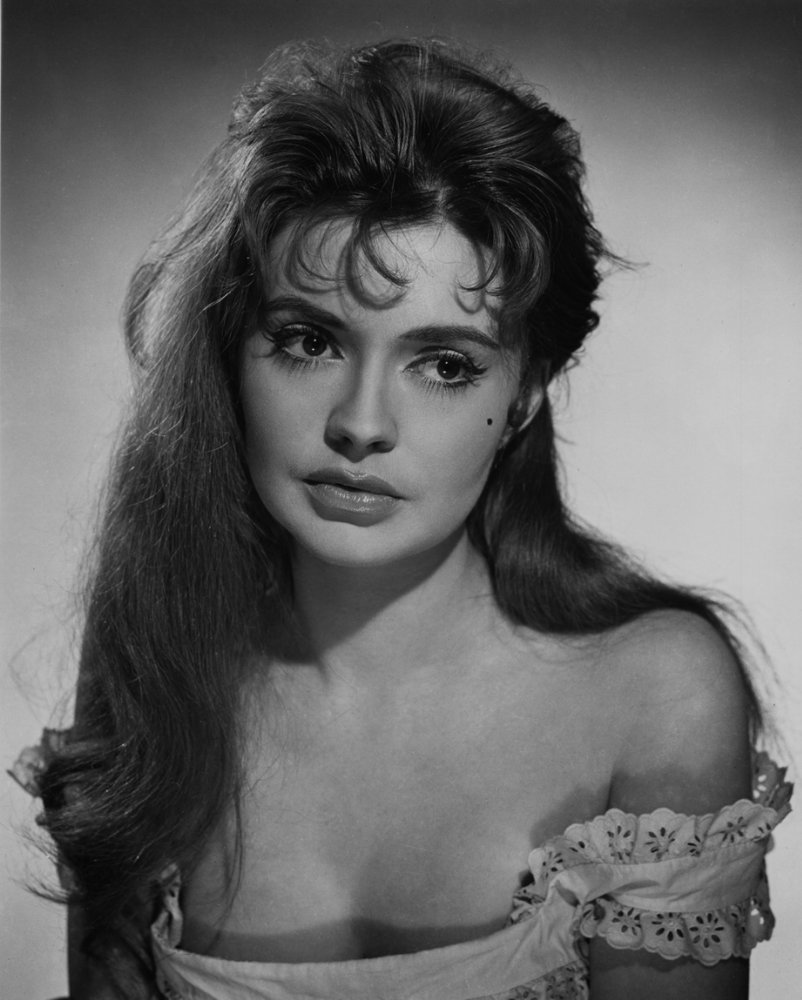
Yvonne Monlaur became unforgettable in The Brides of Dracula, produced by Hammer Films and directed by Terence Fisher. She portrayed Marianne Danielle, a schoolteacher caught in a web of gothic terror. Opposite Peter Cushing’s Van Helsing, she embodied innocence without weakness.
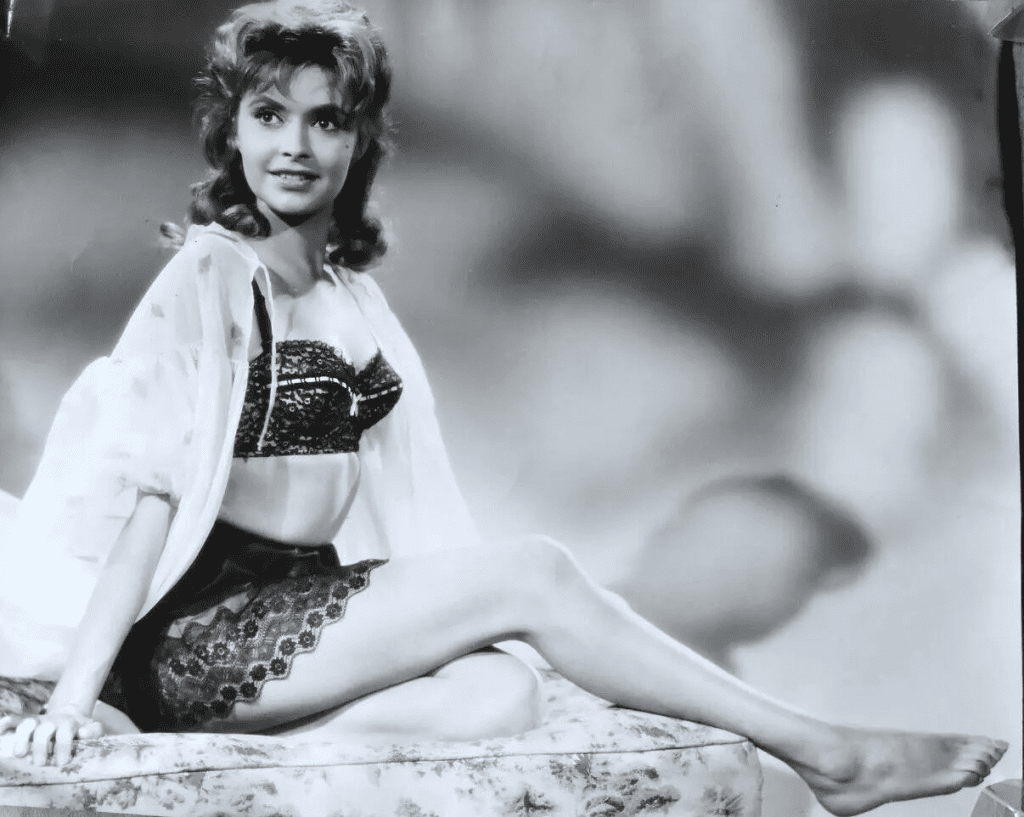
Her wide, expressive eyes conveyed fear, curiosity, and determination in equal measure. She didn’t overpower scenes. She anchored them. Hammer audiences responded instantly, and her image became forever linked with the studio’s golden era.
This role turned her into a cult favorite, even though she never chased stardom aggressively. Sometimes, the most powerful impressions come from restraint.
Expanding Her Range In Thrillers And Adventures
Following her Hammer success, Yvonne continued working in British and European productions. In The Terror of the Tongs, she starred alongside Christopher Lee in a story blending mystery, action, and exotic intrigue. The role required transformation, both physical and emotional, which she handled with professionalism.
She also appeared in lighter projects like Inn for Trouble and dramatic films such as Time to Remember. Behind the scenes, her reputation grew as someone reliable, composed, and deeply focused on her craft.
At one point, she nearly landed the role of Domino in Thunderball. Although the part ultimately went to Claudine Auger, the screen test itself reflected how close Yvonne Monlaur was to global superstardom.
Later Work And A Graceful Exit From Acting
As the 1960s progressed, Yvonne explored German cinema, appearing in crime thrillers like Die Rechnung – eiskalt serviert. She also made guest appearances on television series including The Third Man and Agence Intérim.
Then, unexpectedly, she stepped away.
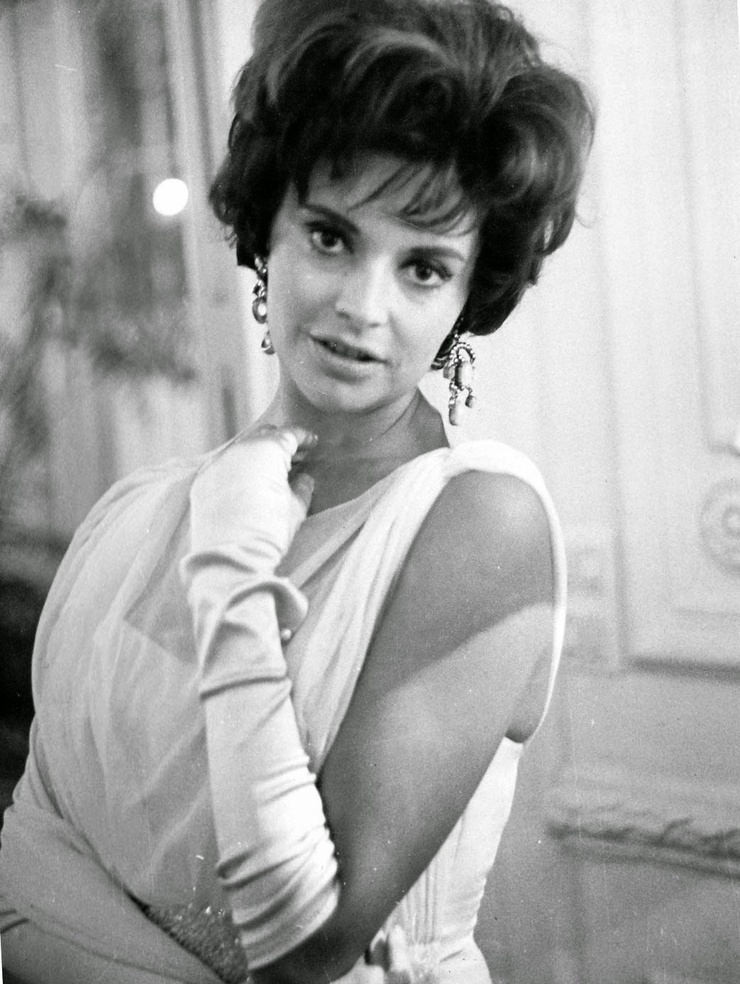
At just 27, Yvonne Monlaur chose to leave acting behind. There was no scandal, no decline. Simply a decision rooted in personal values. She became a mother to her son, Alexis, and returned to Paris, prioritizing stability over spotlight.
In an industry obsessed with visibility, her choice felt quietly radical.
Life After Fame And A Lasting Connection With Fans
Though she lived privately, Yvonne occasionally appeared at film festivals and genre conventions. Fans of classic horror welcomed her warmly, eager to revisit the films that shaped their love for cinema. She met them with kindness, humility, and genuine appreciation.
These moments revealed a woman at peace with her past, proud but not defined by it. She understood that her work had meaning, even decades later.
A Legacy That Still Haunts And Inspires
Yvonne Monlaur passed away on April 18, 2017, in Paris, at the age of 77. She left behind her son and a body of work that continues to resonate with fans of classic European cinema.
Her performances, especially in gothic horror, remain timeless. She showed that fear could be quiet, strength could be subtle, and elegance could coexist with darkness.
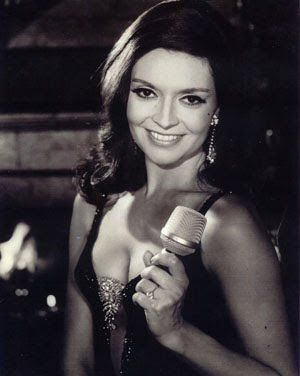
In the end, Yvonne Monlaur’s story reminds us that not all legends shout. Some simply appear, leave their mark, and fade gracefully into history, forever remembered by those who know where to look.