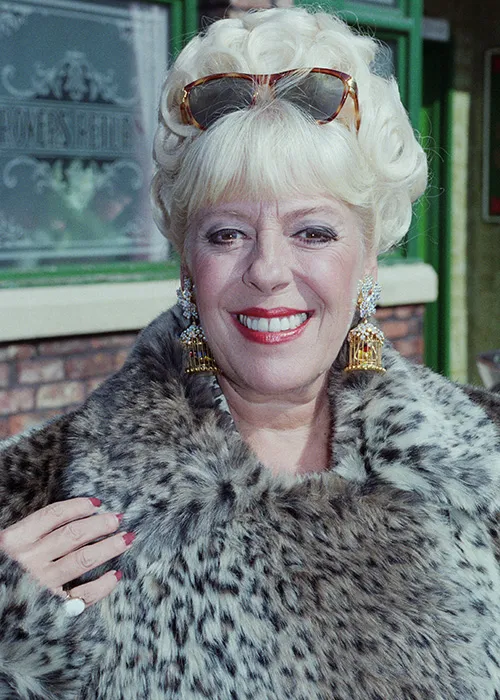
Julie Goodyear: From a Tough Lancashire Childhood to a Lasting British TV Icon
What does it take to become a true television legend? Not just talent, and not just luck—but grit, timing, personality, and the courage to stay authentic no matter the cost. That’s exactly how Julie Goodyear earned her place in British television history. She didn’t simply play a character audiences liked; she created a figure people recognized, quoted, and carried with them for decades.
Her life story feels like a drama shaped by real experience—hard beginnings, overwhelming success, personal loss, and a calm, well-earned sense of peace later on.
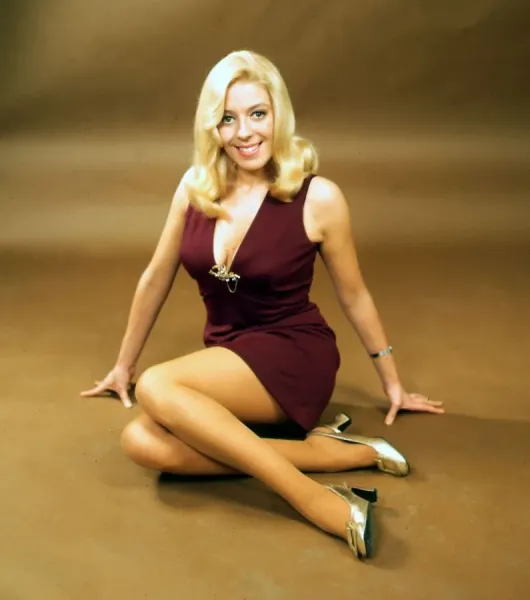
Early Life in Lancashire: Where Strength Was Built
Julie Goodyear was born on March 27, 1942, in Heywood, Lancashire, under the name Julie Kemp. Her early years were defined by instability rather than comfort. Her parents separated when she was young, money was scarce, and life demanded independence early on.
She worked factory jobs, served behind bars, and trained as a hairdresser, even running her own salon at one point. Those years were not glamorous, but they were formative. She learned how people talk, how they argue, how they joke, and how they survive. Long before acting, she was observing life closely.
That real-world experience would later give her performances a credibility no acting school could teach.
Finding Acting by Chance, Not Design
Julie didn’t grow up dreaming of fame. Acting entered her life through amateur dramatics, almost by accident. What began as curiosity quickly revealed itself as a calling. Performing allowed her to channel real emotion—anger, humor, vulnerability—into something others could feel.
Her first television appearance came in 1961 on The Younger Generation. The role was small, but it confirmed that she belonged on screen. Slowly, opportunity followed persistence, not hype.
Then came the moment that changed everything.
The Birth of an Iconic Character
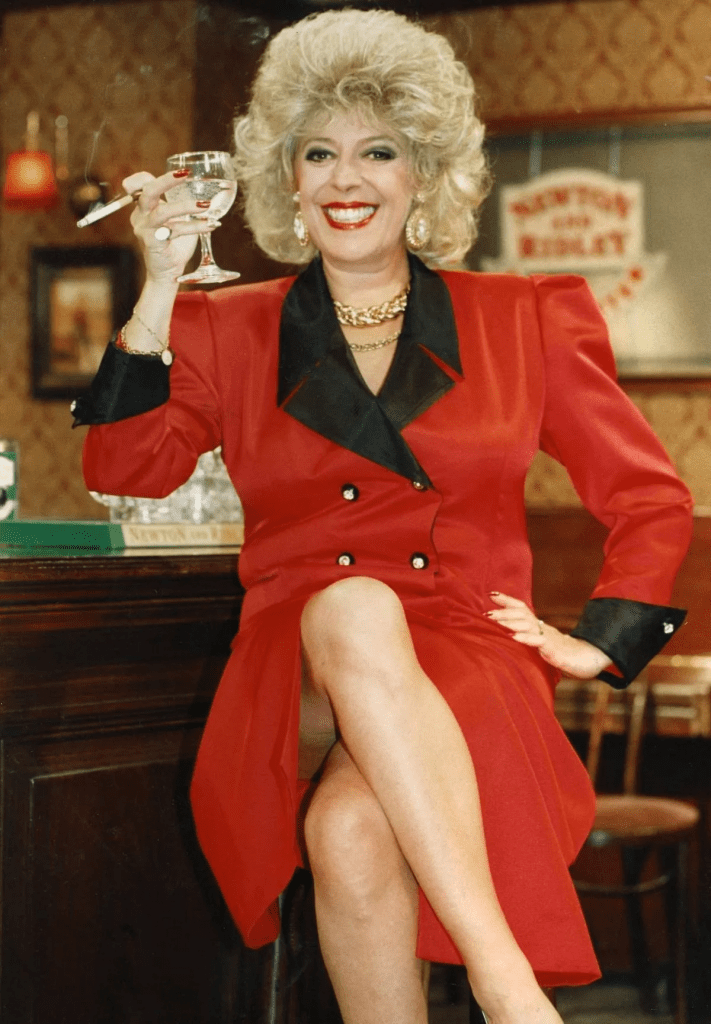
In 1966, Julie Goodyear appeared on Coronation Street as Bet Lynch, a bold, glamorous barmaid with sharp wit and a fearless attitude. The role was originally meant to be temporary. But audiences reacted immediately.
Bet wasn’t polished or polite. She was loud, funny, emotional, and unapologetically herself. Viewers saw pieces of real women in her—women who worked hard, loved deeply, and refused to disappear quietly.
By 1970, Bet Lynch became a regular character. Julie Goodyear had transformed a small part into a cultural force.
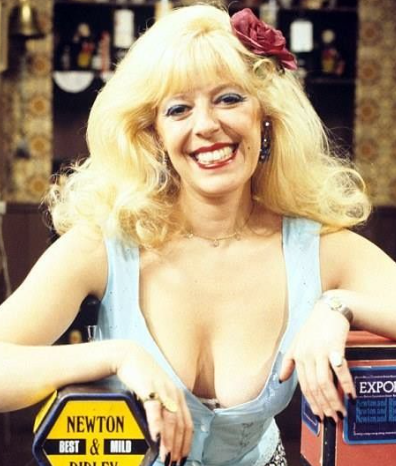
Dominating Coronation Street for Decades
For more than 25 years, Julie Goodyear was one of the defining faces of Coronation Street. Bet Lynch’s storylines were filled with romance, heartbreak, ambition, and survival. She ran the Rovers Return, endured failed marriages, and delivered unforgettable one-liners with perfect timing.
Julie’s portrayal balanced toughness with vulnerability. Bet could be fierce one moment and deeply wounded the next. That emotional range made the character human, not cartoonish.
Awards followed, including a Lifetime Achievement honor in 1999. But more important than trophies was the public’s loyalty. Viewers didn’t just watch Bet Lynch—they grew up with her.
A Complicated Personal Life, Lived Honestly
Away from the cameras, Julie’s life carried its own challenges. She married several times, including a brief marriage to fellow Coronation Street actor Bill Roache. While those relationships ended, they shaped her understanding of independence and resilience.
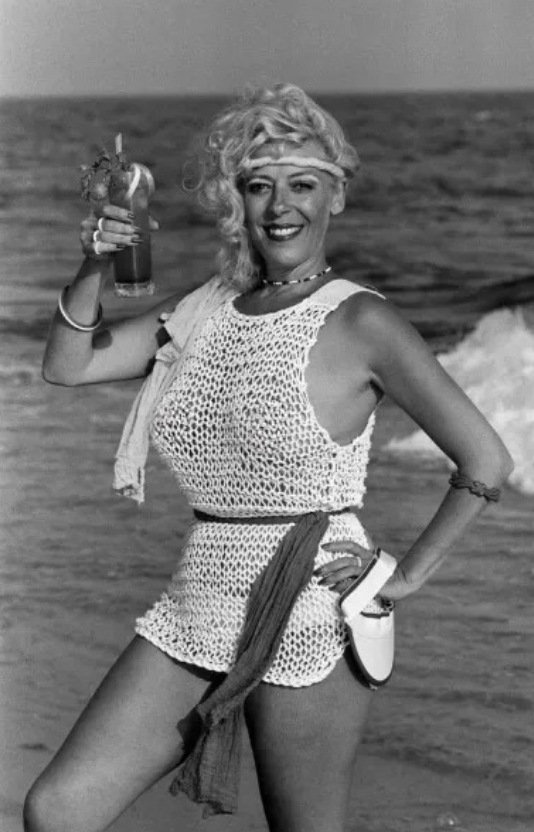
In 1995, she married Scott Brand, a relationship that brought genuine happiness and stability. They remained together until his death in 2020. Julie later spoke of their life together with gratitude rather than bitterness, showing emotional maturity earned through experience.
Her story proves that love doesn’t always follow a neat timeline—but it can still be meaningful at any stage.
Health Struggles and Choosing to Step Away
In the mid-1990s, Julie shocked fans by leaving Coronation Street. Behind the decision were serious health concerns, including a diagnosis of cervical cancer. She underwent surgery and treatment and eventually went into remission.
The illness, combined with the pressures of fame, forced reflection. Julie returned briefly for short storylines in the late 1990s and early 2000s, giving fans moments of closure. But she ultimately chose retirement.
It wasn’t a dramatic exit. It was a deliberate one. She understood that protecting her well-being mattered more than remaining in the spotlight.
Life Today: Peace Over Publicity
Now in her 80s, Julie Goodyear lives a quiet life in Lancashire. She stays close to family and trusted friends, far from the intensity of television schedules. She occasionally reflects on her career but has no desire to return to public life.
She supports charitable causes, particularly those related to cancer awareness and animal welfare. Fans still write to her, and she appreciates their kindness, even if she no longer seeks attention.
There is a calm confidence in this chapter of her life—one built on having nothing left to prove.
Why Julie Goodyear Still Matters
Julie Goodyear’s legacy isn’t just about a long-running role. It’s about representation. She brought working-class strength, humor, and emotional honesty to British television at a time when it mattered deeply.
Her portrayal of Bet Lynch gave voice to women who were tough, flawed, outspoken, and resilient. She showed that you don’t need to be refined to be powerful—you need to be real.
Her life reminds us that success isn’t measured by how long you stay visible, but by how deeply you’re remembered.
Julie Goodyear stepped away from the spotlight, but her impact never left. And that, in the end, is the mark of a true icon.