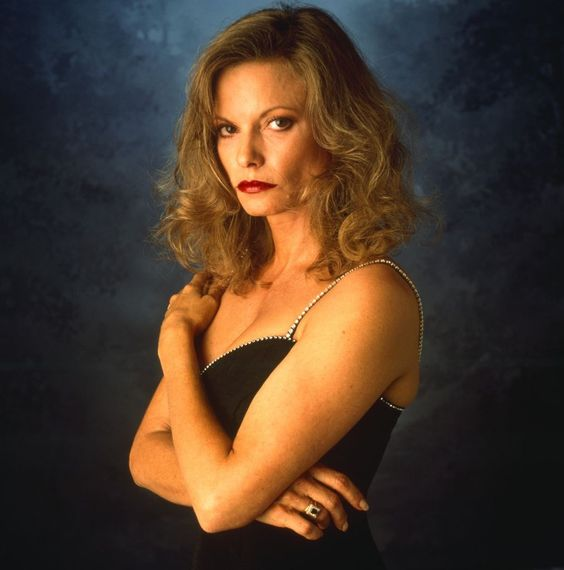
Kay Lenz: Emmy-Winning Actress, Breezy Star, and an Enduring Hollywood Talent
Ever wonder how some actors seem born for the screen—and then spend a lifetime proving it wasn’t luck? Kay Lenz is one of those rare stories. She didn’t just grow up around cameras; she grew into them. From a baby’s first TV appearance to Emmy-winning performances that still resonate, her career reads like a masterclass in longevity, versatility, and quiet resilience. Let’s take a conversational stroll through a life built on craft, courage, and consistency.
Early Life in a Showbiz Family
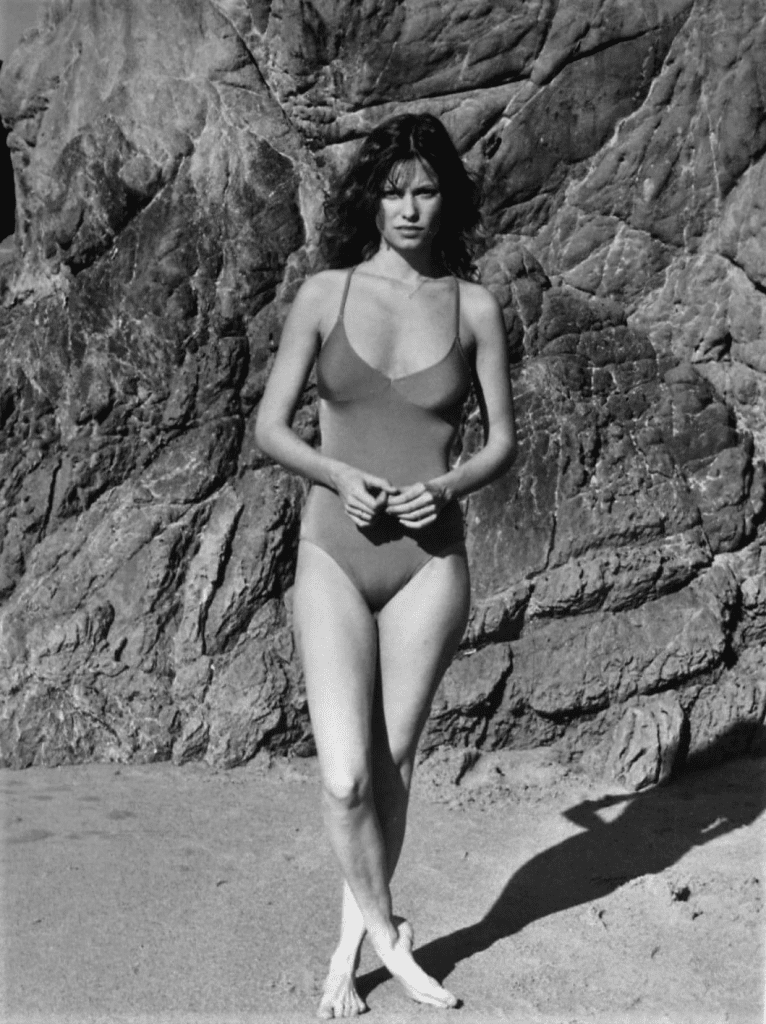
Imagine making your screen debut at just eight weeks old. That’s not a metaphor—it’s fact. Born Kay Ann Lenz on March 4, 1953, in Los Angeles, she entered a household where entertainment wasn’t a dream; it was daily life. Her father, Ted Lenz, worked as a producer and commentator, while her mother, Kay Miller Lenz, modeled and engineered radio. With that backdrop, the industry felt less like a maze and more like a familiar neighborhood.
As a child, she appeared on shows connected to her father’s work—once even being held on screen by a legendary TV personality. Acting didn’t feel forced; it felt natural. By her early teens, she was already performing on stage, including productions at the Pasadena Playhouse. She briefly used the name Kay Ann Kemper, a practical move that didn’t change the trajectory—only the credits. The foundation was set early: discipline, curiosity, and comfort under lights.
A Breakthrough That Felt Like a Breeze
What if your first major film role earned you awards attention? In 1973, that’s exactly what happened. She starred in Breezy, directed by Clint Eastwood, playing a free-spirited young woman opposite William Holden. The performance felt effortless—gentle yet grounded—like a breeze changing direction without warning. Critics noticed, audiences connected, and a Golden Globe nomination followed.
That same year, she appeared briefly in American Graffiti, another cultural touchstone. These roles weren’t flashy. They were honest. And honesty, in Hollywood, can be revolutionary. She wasn’t boxed into a single type; instead, she showed emotional range early, signaling a career that would zigzag confidently across genres.
Television: Where Craft Met Consistency
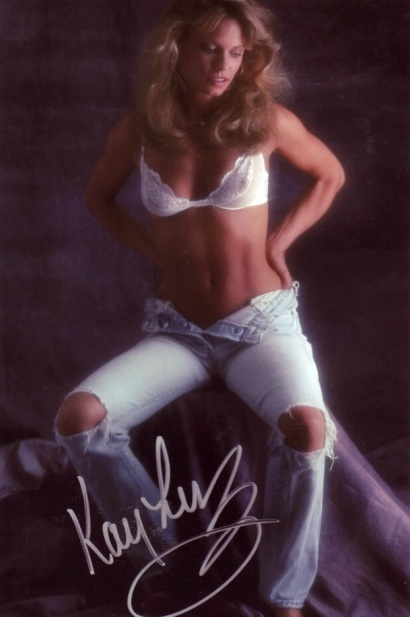
Some actors chase film glory. Others build empires on television. For Kay Lenz, TV became the arena where her skills sharpened and shined. Guest spots piled up on iconic series—Gunsmoke, The Streets of San Francisco, McCloud, Cannon. Each role was a short sprint, but she ran them like marathons.
The turning point came with Rich Man, Poor Man (1976). Her portrayal of Kate Jordache earned an Emmy nomination, proving she could anchor long-form drama with depth and restraint. A Daytime Emmy followed for an ABC Afternoon Playbreak episode, and then came the crown jewel: a Primetime Emmy win in 1989 for Outstanding Guest Actress on Midnight Caller. Her performance was raw, humane, and unshowy—the kind that lingers after the credits.
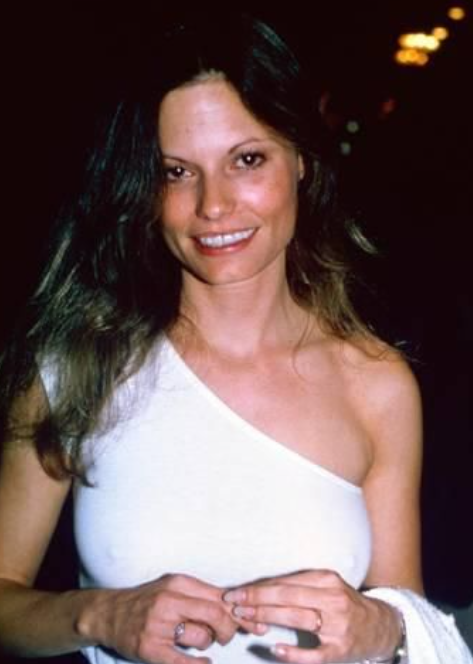
Later, as Maggie Zombro on Reasonable Doubts, she brought toughness and intelligence to the small screen, earning more accolades. Rhetorical question: how many actors manage to stay relevant—and respected—across decades of TV evolution?
Film Roles That Refused to Sit Still
While television thrived, film never left her orbit. She embraced variety like a seasoned traveler packs light. In White Line Fever (1975), she grounded a blue-collar drama with emotional authenticity. In House (1985), she balanced humor and suspense, earning genre fans and critical nods alike. Action came calling in Death Wish 4: The Crackdown (1987), where she held her own amid grit and intensity.
She didn’t shy away from indie edges either—Stripped to Kill and Falling from Grace showed a willingness to explore complex material. Even voice work added texture, reminding audiences that versatility isn’t about volume; it’s about choice. Like a skilled navigator, she adjusted course without losing direction.
Awards, Recognition, and the Quiet Power of Craft
Awards can be loud. Her recognition was earned quietly. Beyond Emmys and that early Golden Globe nomination, she received genre acknowledgments that underscored respect from peers. These weren’t trophies for spectacle; they honored nuance. Think of them as mile markers on a long road traveled with intention.
Personal Life: Choosing Balance Over Noise
Hollywood romances often come with headlines. Hers did too—briefly. She married pop culture icon David Cassidy in 1977 after eloping, a union that drew intense public attention. The marriage ended amicably in 1983. No children, no tabloid theatrics. Afterward, she chose privacy and personal stability.
Life wasn’t without challenges—industry strikes, financial shifts, even the loss of a Malibu home to wildfires. But resilience defined her off-screen as much as on. Sometimes the bravest role is stepping back.

Life Today: A Well-Earned Calm
In recent years, she’s appeared selectively in independent films and guest roles, preferring substance over saturation. Now in her seventies, she lives largely out of the spotlight. And that feels right. Her work continues to stream, circulate, and inspire—proof that relevance doesn’t require constant visibility.
Conclusion: A Legacy That Ages Gracefully
Kay Lenz’s story isn’t about overnight fame. It’s about endurance. From a baby on TV to an Emmy-winning actress, she built a career on honesty, adaptability, and respect for the craft. She chose roles with heart, navigated life with perspective, and left behind performances that still breathe. In an industry obsessed with the next big thing, her legacy reminds us that the most lasting talents don’t shout—they resonate.