Emma Caulfield: From Cult Television Icon to a Life of Resilience, Reinvention, and Quiet Power
Have you ever watched a character who made you laugh, surprised you with emotional depth, and somehow stayed with you long after the credits rolled? That’s exactly what Emma Caulfield has done for decades. She’s one of those performers whose work feels familiar, comforting, and sharp all at once. From cult television to indie films, from convention stages to deeply personal battles, Emma Caulfield’s journey is layered, human, and quietly inspiring.
Let’s take a closer look at how she built a career that refuses to fit into a single box—and why audiences still care so much.

Early Life and the Spark of Performance
Emma Caulfield was born Emma Chukker on April 8, 1973, in San Diego, California. Growing up near the coast, she was surrounded by sunshine and possibility, but her real pull was toward the stage. While other teens chased typical high school thrills, Emma immersed herself in drama classes and theater programs.
She trained and performed at respected venues like the La Jolla Playhouse and the Old Globe Theatre. Those early experiences weren’t glamorous, but they were formative. Theater taught her discipline, presence, and how to connect with an audience in real time. Think of it as learning the fundamentals before ever stepping onto a bigger field.
By her early twenties, Emma packed up her ambition and headed straight into the Hollywood grind.
Early Television Work: Learning the Craft the Hard Way
Emma Caulfield’s early career was built the classic way—guest roles, recurring parts, and relentless auditions. She appeared in shows like Burke’s Law, Renegade, and Saved by the Bell: The New Class. These roles weren’t headline-grabbing, but they were essential.
Her first major recurring role came on Beverly Hills, 90210, where she played Susan Keats in the mid-1990s. Soon after, she joined General Hospital as Nurse Lorraine Miller. Soap operas are known for fast-paced schedules and emotional intensity, and Emma handled both with confidence.
This period was her training ground. She learned speed, adaptability, and emotional range—skills that would soon pay off in a massive way.
The Breakthrough: Anya Jenkins and Cultural Immortality
In 1998, everything changed when Emma Caulfield joined Buffy the Vampire Slayer. Cast as Anya Jenkins, a former vengeance demon struggling with human behavior, she instantly stood out. What was meant to be a short guest arc turned into a core role lasting through the show’s final seasons.
Anya was blunt, funny, awkward, and unexpectedly vulnerable. Emma played her with perfect timing and emotional honesty. Fans loved her not just for the humor, but for the way she grew from comic relief into a fully realized, deeply human character.
Emma appeared in more than 80 episodes, earning critical recognition and cementing her place in television history. Even today, Anya remains one of the most quoted and beloved characters from the series.
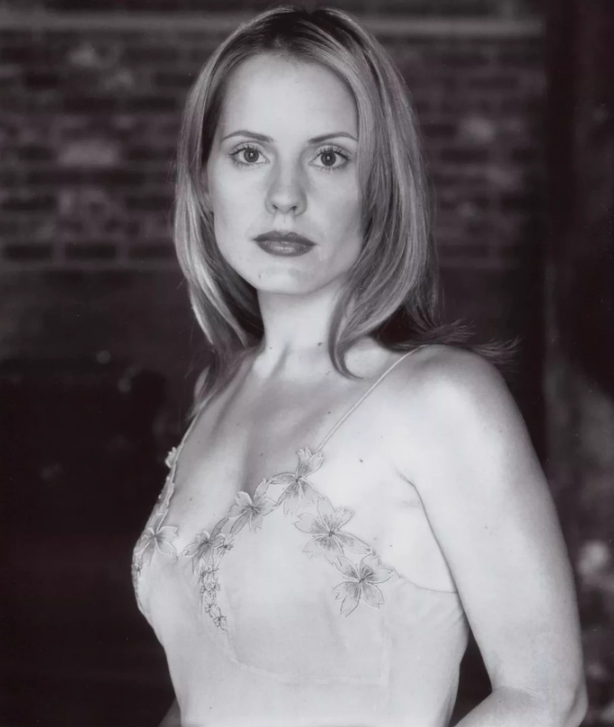
It’s rare for an actor to find a role that becomes part of pop culture. Emma Caulfield did it—and then kept moving forward.
Film Roles and Creative Expansion
After Buffy, Emma didn’t try to repeat herself. Instead, she explored different genres and creative avenues. In 2003, she starred in the horror film Darkness Falls, which opened at number one at the box office. The film showcased her ability to anchor fear-driven stories with emotional realism.
She followed this with Bandwagon, a sharp satire she also helped produce. Later, she took the lead in Timer, a romantic comedy with a clever sci-fi twist that earned praise for its warmth and originality. Emma’s performance proved she could carry a film on her own terms.
She also expanded into writing, co-creating the comic series Contropussy. It was another reminder that her creativity wasn’t limited to acting alone.
Television Returns and Genre Versatility
Emma Caulfield continued to make memorable television appearances across genres. She appeared in Monk, Life Unexpected, and Supergirl, often portraying characters with authority and edge.
In Once Upon a Time, she played the Blind Witch, delivering a performance that felt theatrical and unsettling in the best way. Then came her entry into the Marvel universe.
In 2021, Emma appeared in WandaVision as Sarah Proctor, also known as Dottie. The role felt like a clever nod to her genre roots, blending suburban mystery with psychological tension. She later returned in Agatha All Along, keeping fans guessing and engaged.
These roles showed her adaptability. She wasn’t chasing nostalgia—she was building on it.
Personal Life, Family, and a Quiet Battle
Behind the scenes, Emma Caulfield’s life took turns that few knew about at the time. She married in 2006, divorced a few years later, and eventually found lasting partnership and stability. In 2016, she became a mother, a role she has described as transformative.
In 2010, Emma was diagnosed with multiple sclerosis. For more than a decade, she kept this deeply personal challenge private. It wasn’t until 2022 that she chose to speak openly about it, explaining that she needed time to process, adapt, and protect her family.
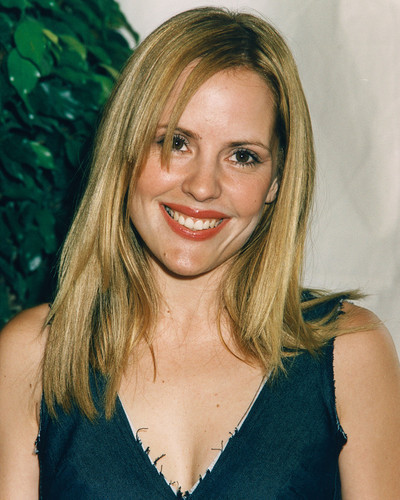
Her decision to share wasn’t about sympathy. It was about honesty. She spoke about learning to live with uncertainty, adjusting expectations, and focusing on what truly matters. That openness resonated with many who saw strength in her quiet resilience.
Life Today: Balance, Boundaries, and Connection
As of 2025, Emma Caulfield lives a balanced, intentional life. She remains active on the convention circuit, connecting directly with fans who grew up watching her work. These appearances aren’t just nostalgia trips—they’re conversations, reflections, and celebrations of shared stories.
She continues to choose projects carefully, prioritizing health, family, and creative fulfillment. There’s also ongoing interest in reviving past projects, including discussions around a sequel connected to Darkness Falls, which keeps fans excited.
Emma’s career today isn’t about chasing the spotlight. It’s about standing comfortably within it when she chooses to.
Conclusion
Emma Caulfield’s journey is a reminder that a meaningful career doesn’t have to follow a straight line. From early television work to an iconic cult role, from genre films to personal advocacy, she has evolved with honesty and courage.
She embraced humor, darkness, vulnerability, and strength—both on screen and off. And through it all, she stayed true to herself. Emma Caulfield didn’t just survive Hollywood. She shaped a life within it that feels grounded, resilient, and deeply human.