Suzanna Leigh: From British Dreamer to Hollywood Star, a Life of Glamour, Grit, and Lasting Impact
Some stories feel like classic cinema—bold openings, unexpected turns, and a final act that lingers long after the lights fade. Suzanna Leigh lived one of those stories for real. She wasn’t born into superstardom, but she chased it with fearless determination, knocking on doors both literal and symbolic until the world opened up. From swinging-era London to Hollywood sets with Elvis, and from cult horror classics to a life defined by resilience, her journey proves that ambition, when paired with courage, can shape an unforgettable legacy.

A Childhood Marked by Loss, Courage, and Big Dreams
From an early age, she knew exactly what she wanted. Born Sandra Eileen Anne Smith on July 26, 1945, in Berkshire, England, she grew up in a comfortable but emotionally complex household. Her father ran an auto engine business, and the family moved in well-connected circles. Then, life changed abruptly. She lost her father at just six years old, a moment that could have dimmed her spark—but instead sharpened it.
Before he passed, her father shared a story that felt almost magical: the legendary Vivien Leigh was her godmother. Whether myth or destiny, that idea planted a seed. At only eleven years old, she did something most adults wouldn’t dare—she walked up to Vivien Leigh’s London home and introduced herself. The encounter was brief but powerful. Vivien encouraged her dreams and gave her permission to use the surname “Leigh.” That moment became a quiet turning point, like a compass needle locking into place.
Finding Her Way Onto the Screen
Acting didn’t arrive overnight, but she never waited for permission. Educated at convent schools, she balanced discipline with determination. She began appearing as an extra in films while still a teenager, learning the craft from the ground up. One of her earliest appearances came in Tom Thumb in the late 1950s, a small role but a big step.
She hustled, auditioned, and learned fast. Think of her like a traveler with a map drawn in pencil—adjusting the route, but never losing the destination. She wasn’t handed fame; she earned momentum.
The Hollywood Breakthrough That Changed Everything
Sometimes, opportunity arrives disguised as risk. In her late teens, she performed a daring parachute jump that caught the attention of the press. Photos of the stunt made their way across the Atlantic and landed in front of legendary producer Hal B. Wallis. One bold move later, she was on a plane to Hollywood.

Her big break came in Boeing Boeing (1965), a fast-paced comedy starring Tony Curtis and Jerry Lewis. She played a glamorous airline stewardess caught in a whirlwind of romantic chaos. The role showcased her charm, timing, and screen confidence. Audiences noticed. Hollywood noticed. The door was no longer cracked—it was wide open.
Sharing the Spotlight With Elvis
If Hollywood had a postcard moment, this was it. In Paradise, Hawaiian Style (1966), she starred opposite Elvis Presley, playing Judy Hudson, a smart and capable secretary who brought warmth and wit to the story. Set against the lush backdrop of Hawaii, the film blended music, romance, and escapism.

On screen, their chemistry felt natural. Off screen, they formed a genuine friendship filled with laughter and mutual respect. For her, it wasn’t just another role—it was a defining chapter. How many actors can say they stood beside one of the biggest cultural icons of all time and still held their ground?
Becoming a Cult Favorite Through Horror and Adventure
While many actresses stayed in one lane, she swerved confidently into darker territory. She became a standout presence in British horror and adventure films, particularly during the late 1960s and early 1970s.
In The Deadly Bees (1966), she faced a chilling premise with calm strength. The Lost Continent (1968) pushed her into a world of monsters, pirates, and surreal danger. Later, Lust for a Vampire (1971) added mystery and suspense, cementing her status as a cult favorite.
These roles weren’t about helpless screams. She played women who reacted, adapted, and survived. Like a lighthouse in a storm, she brought steadiness to chaos—and fans remembered.
Television, Range, and Staying Power
Film may have launched her, but television kept her connected. She appeared in popular series such as The Saint and The Persuaders!, proving she could slip effortlessly between genres and formats. Her later work, including appearances in European productions and independent films, showed an actress unafraid of evolution.
She wasn’t chasing trends. She was following curiosity—and that made all the difference.
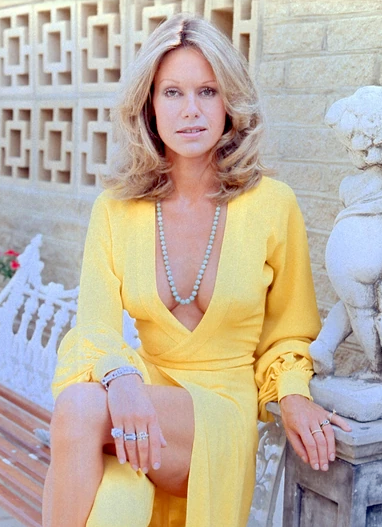
Life Beyond the Camera: Love, Motherhood, and Survival
Off screen, her life carried as much drama as any script. During the height of 1960s glamour, she dated high-profile figures and lived a jet-set lifestyle. But her most important role arrived in 1972 with the birth of her daughter, Natalia.
Raising a child alone wasn’t easy, especially while navigating financial instability and health challenges. She sold possessions, took on new ventures, and reinvented herself more than once. Later, she moved to the United States, organized fan events, and even lived in Memphis for a time, honoring her connection to Elvis and his fans.
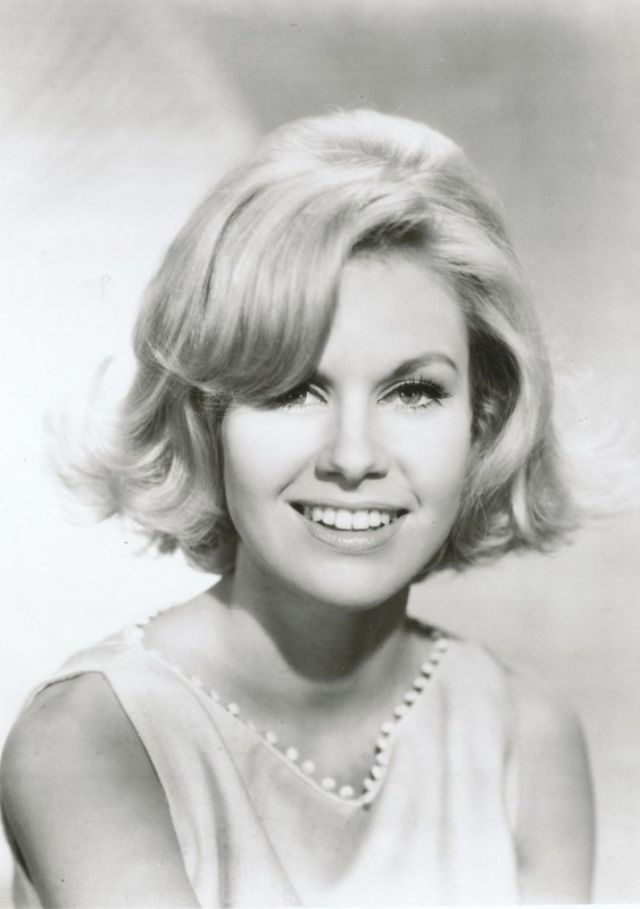
In 2000, she shared her story in a memoir, offering readers warmth, humor, and honesty. No bitterness. No regret. Just reflection.
Later Years, Illness, and an Unbreakable Spirit
In 2016, doctors diagnosed her with advanced liver cancer. The prognosis was grim, but she faced it the same way she faced everything else—head-on. She outlived expectations, surrounded by loved ones, holding onto dignity and humor until the end.
She passed away peacefully on December 11, 2017, in Florida, at the age of 72. Her daughter later described her as a warrior. It’s hard to find a better word.

Conclusion: A Life That Still Resonates
Suzanna Leigh’s life wasn’t defined by a single role or moment. It was defined by movement—forward, always forward. From a determined child knocking on a famous door, to a Hollywood star sharing scenes with legends, to a mother and survivor who refused to give up, her journey reminds us that courage fuels longevity.
She lived boldly, adapted fearlessly, and left behind a body of work and a story that still captivates. In an industry obsessed with instant fame, her legacy stands as proof that true impact comes from persistence, authenticity, and heart.