Rita Moreno: A Trailblazing Legend Who Redefined Hollywood, One Role at a Time
Some lives feel like they were written for the screen. Rita Moreno’s life didn’t just play out in Hollywood — it reshaped it. From a young girl arriving in New York with little more than hope, to a global icon who shattered barriers and rewrote what success looks like, Rita Moreno’s story is a masterclass in resilience, talent, and fearless reinvention.
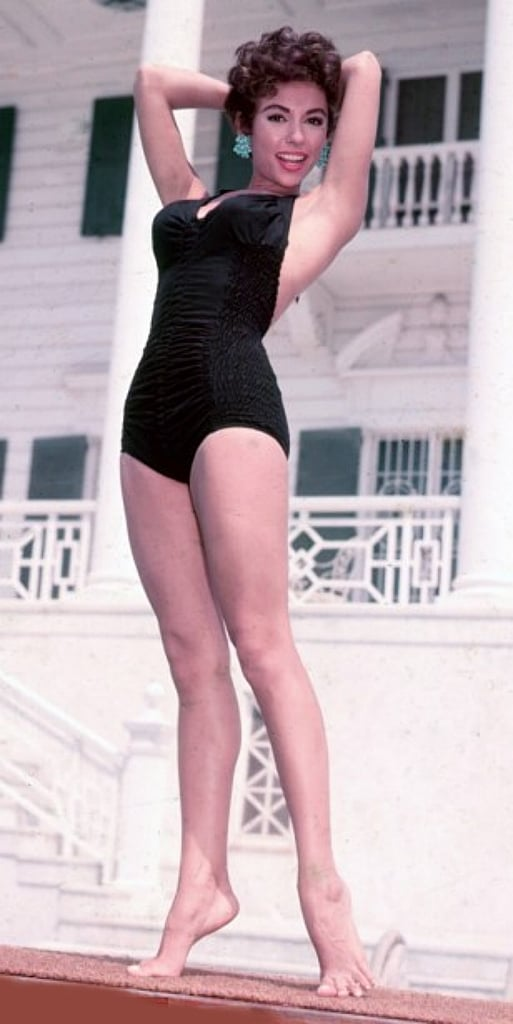
Let’s take a closer look at how she became one of the most respected and influential performers in entertainment history.
From Puerto Rico to New York: The Roots of a Fighter
Rita Moreno was born Rosita Dolores Alverío on December 11, 1931, in Humacao, Puerto Rico. Her early years were simple, filled with music, movement, and family warmth. But everything changed when she moved to New York City at the age of five with her mother, chasing opportunity in a world that didn’t always welcome outsiders.
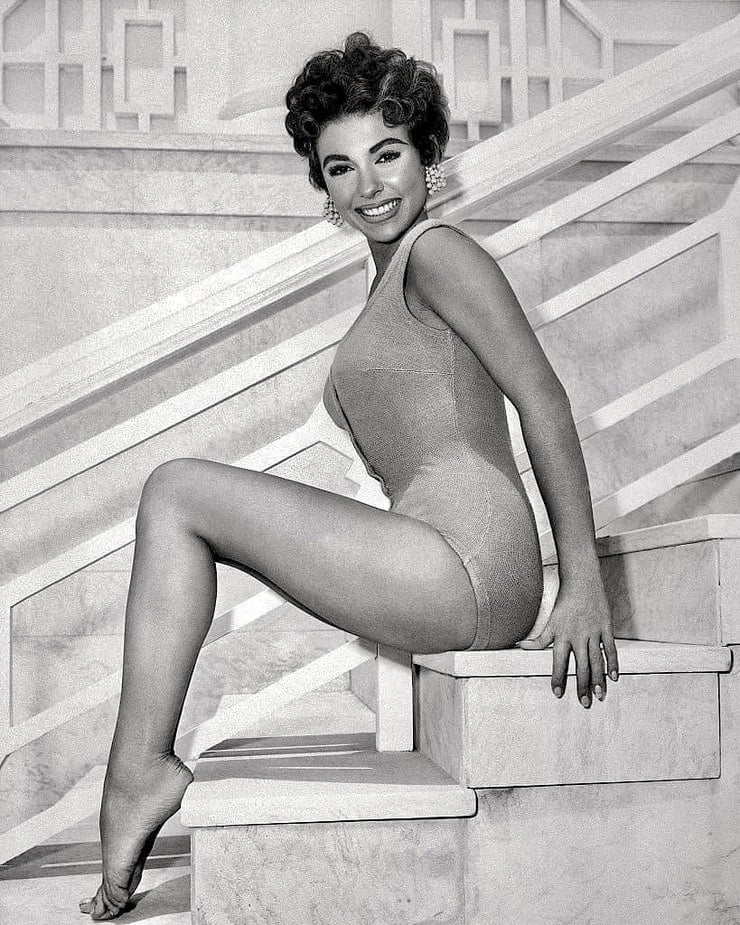
Life in Spanish Harlem was tough. Money was scarce, the language was unfamiliar, and prejudice was everywhere. Still, Rita found comfort in dance and song. They became her escape — and her weapon. By her early teens, she was already performing professionally, driven by a belief that talent could open doors where privilege could not.
Breaking Into Hollywood: Opportunity With a Price
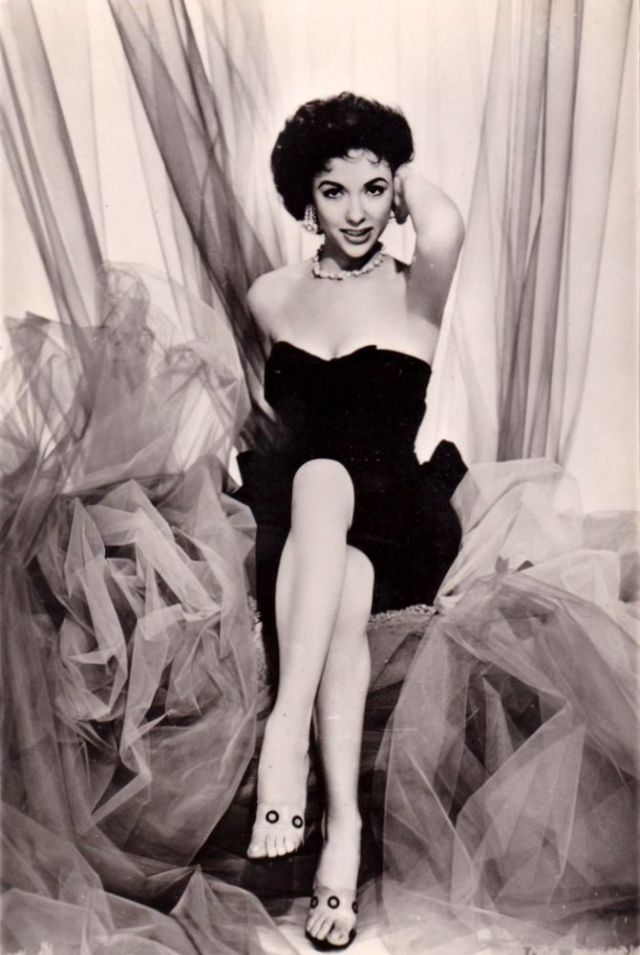
Hollywood noticed Rita Moreno early. She signed with MGM as a teenager, full of hope and ambition. But the reality behind the studio gates was harsh. Roles were limited, repetitive, and often rooted in stereotypes. She danced beautifully, sang flawlessly, and acted with intensity — yet she was frequently cast as the same narrow version of “exotic.”
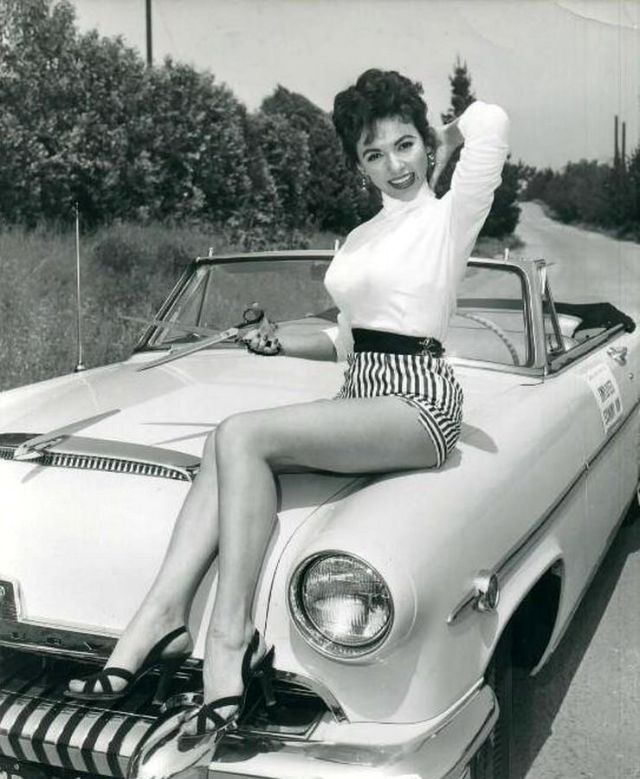
Despite appearing in notable films like Singin’ in the Rain and The King and I, Rita felt trapped. Success came with frustration, and recognition came without respect. She was visible, but not truly seen.
Behind the scenes, emotional struggles weighed heavily on her. A long, painful relationship with Marlon Brando and years of professional confinement pushed her to a breaking point. But instead of giving up, she chose to fight for something better.
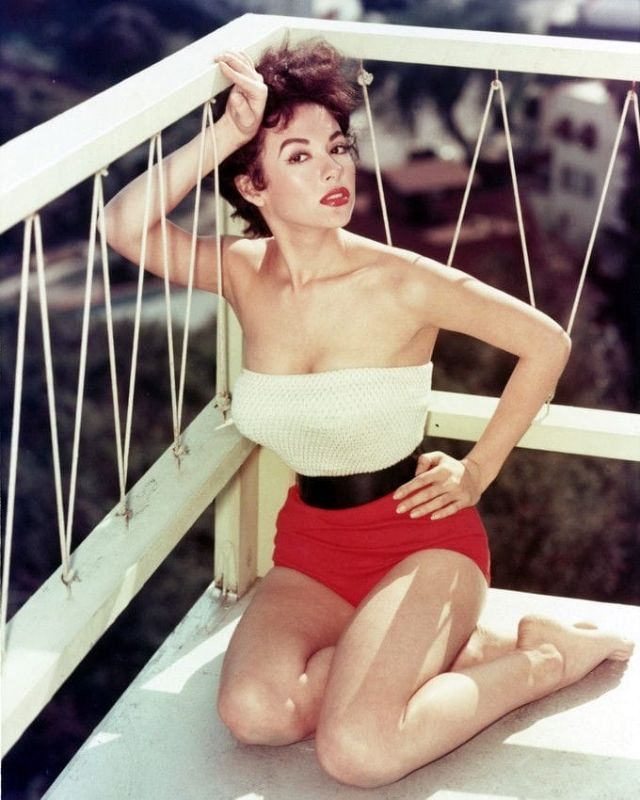
The Role That Changed Everything
That turning point arrived with West Side Story in 1961. Rita Moreno’s portrayal of Anita wasn’t just powerful — it was revolutionary. She brought fire, intelligence, vulnerability, and strength to the role, refusing to let it become a caricature.
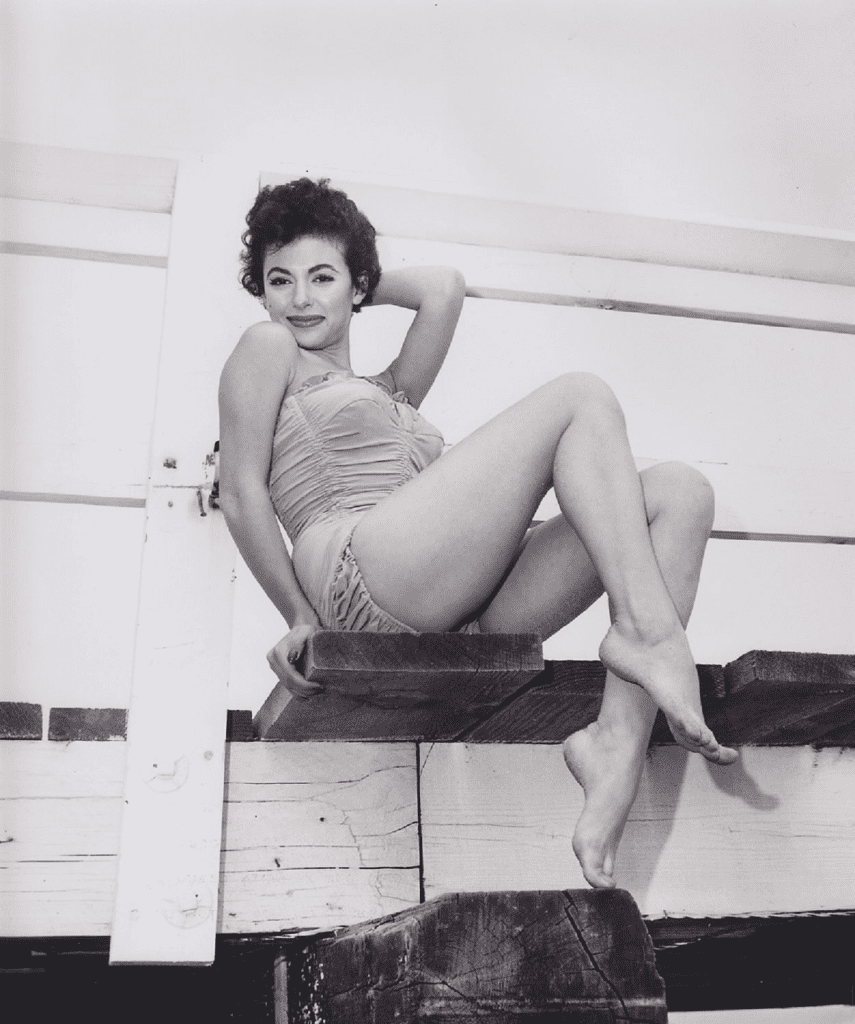
The performance earned her the Academy Award for Best Supporting Actress, making her the first Latina to win an Oscar. It was a historic moment, but it didn’t instantly erase Hollywood’s limitations. Still, it gave Rita something invaluable: proof that she belonged at the highest level.
From Recognition to Mastery: Building an Unmatched Career
After West Side Story, Rita Moreno became more selective. She turned toward theater and television, where creative freedom was broader and voices like hers could breathe.
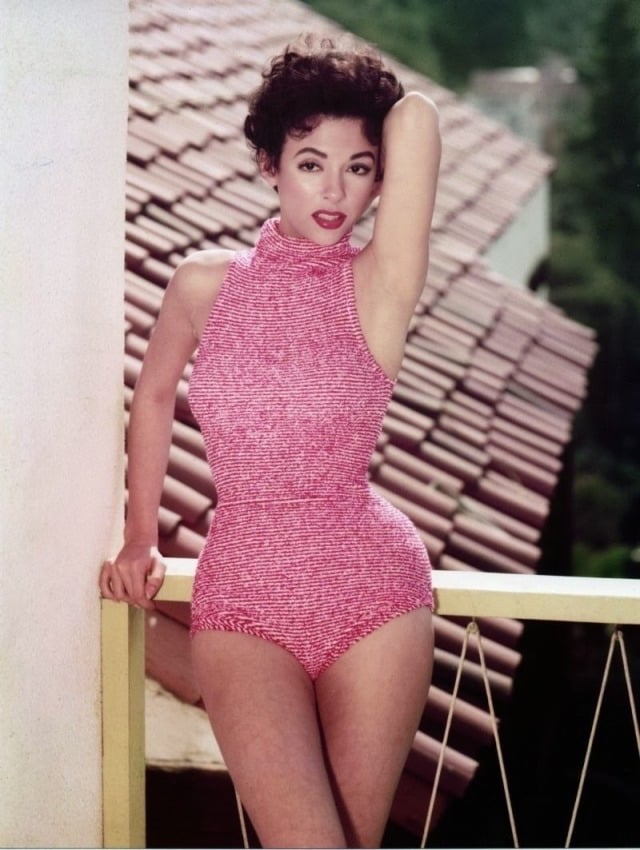
On Broadway, she stunned audiences and won a Tony Award for The Ritz. On television, she became a beloved presence on The Electric Company, educating and entertaining a new generation. Her Grammy win followed for her work on the show’s cast recording.
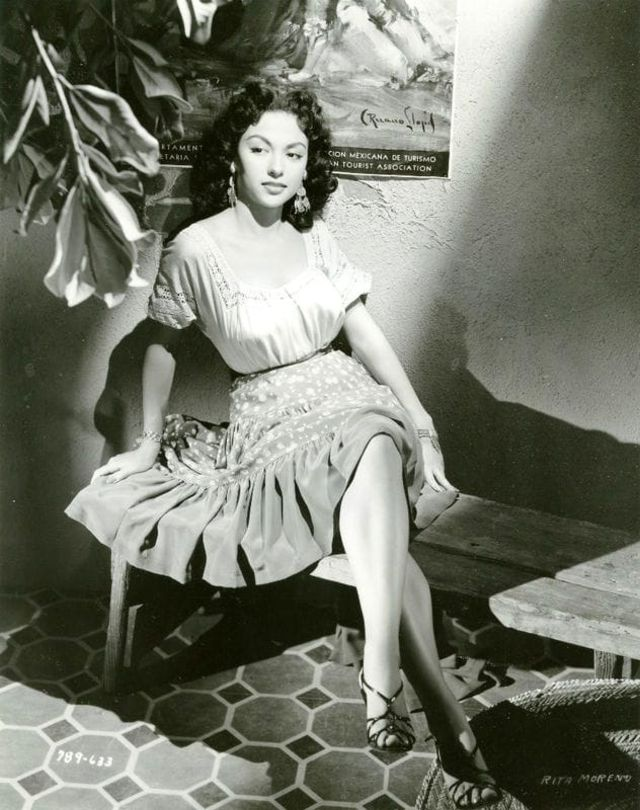
Then came the Emmys, including a memorable guest appearance on The Muppet Show. With that, Rita Moreno achieved what very few ever have — EGOT status. She became one of the rare performers to win an Emmy, Grammy, Oscar, and Tony.
But the accolades were never the point. For Rita, they were proof that versatility and perseverance could break even the strongest ceilings.
Later Career: Depth, Authority, and Reinvention
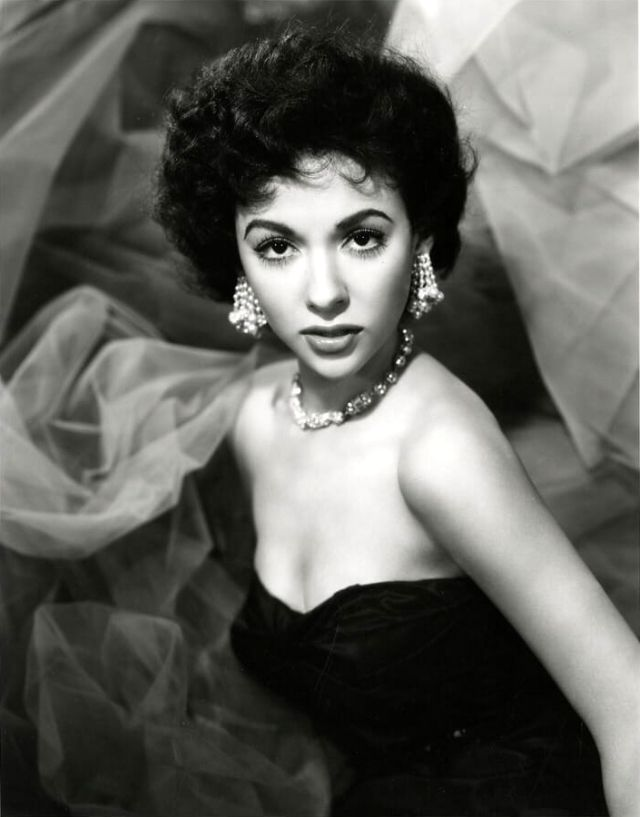
As the years passed, Rita Moreno’s performances gained new depth. She took on complex, authoritative roles that reflected her lived experience. Her portrayal of Sister Peter Marie in Oz earned critical acclaim and introduced her to a new audience.
She continued to shine in films like Slums of Beverly Hills and later in comedies that showcased her impeccable timing. In the reboot of One Day at a Time, she played a sharp, opinionated matriarch who tackled issues like immigration, identity, and family with humor and heart.
In 2021, she returned to West Side Story in Steven Spielberg’s reimagining — this time as Valentina. It wasn’t nostalgia. It was evolution. She stood as a bridge between generations, honored for where she came from and respected for where she stood.
Advocacy, Honors, and Cultural Impact
Rita Moreno has never separated art from responsibility. She has been outspoken about representation, equity, and dignity in entertainment. Her honesty about discrimination helped push conversations forward long before diversity became an industry buzzword.
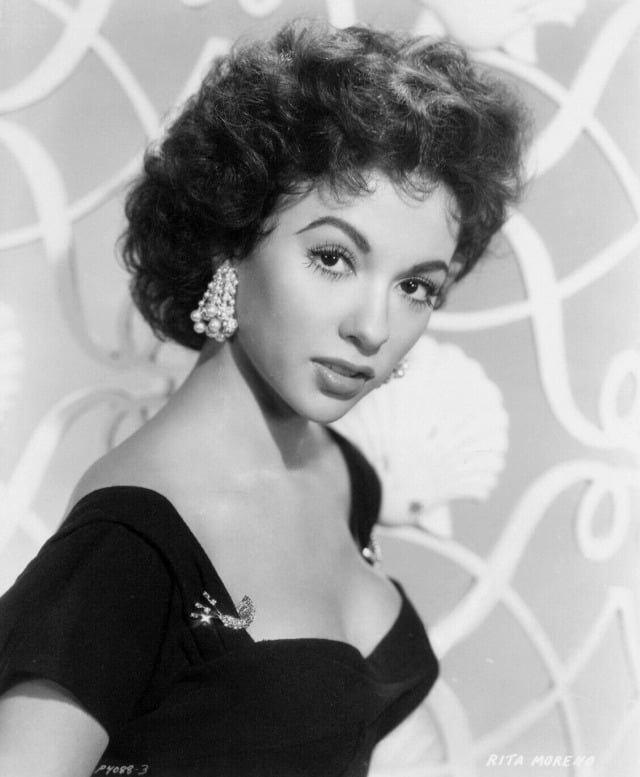
Her impact has been recognized at the highest levels. She has received the Presidential Medal of Freedom, the National Medal of Arts, Kennedy Center Honors, and numerous lifetime achievement awards. Yet she remains refreshingly grounded, often reminding audiences that joy and purpose matter more than trophies.
Life Today: Grace, Energy, and Gratitude
Now in her nineties, Rita Moreno continues to work, speak, and inspire. She appears in television projects, lends her voice to animation, and participates in documentaries that celebrate her legacy. Her energy remains contagious, her wit razor-sharp.
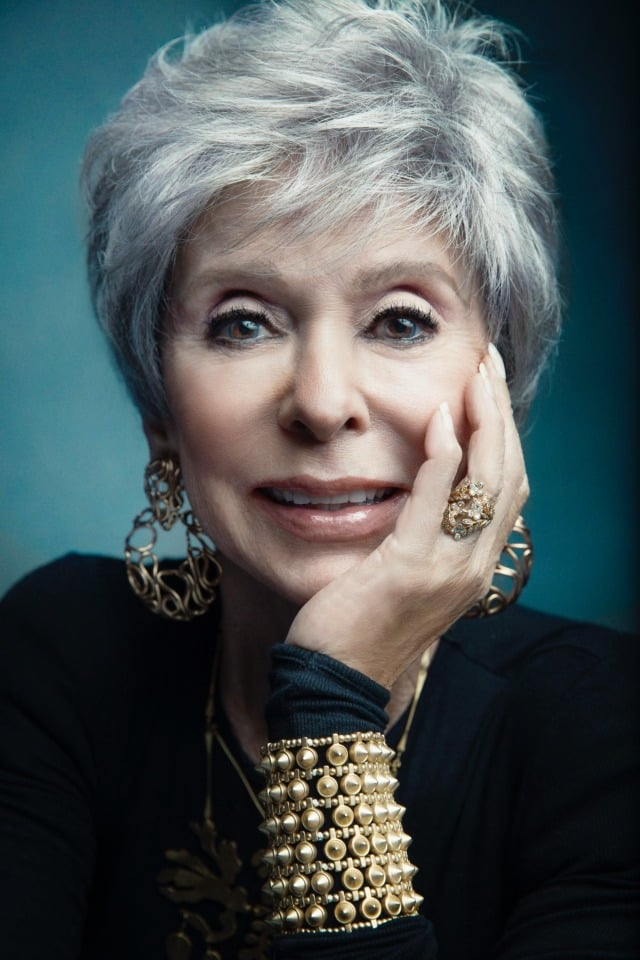
She often says she wakes up grateful — grateful for survival, for growth, and for the chance to keep telling stories. That mindset defines her more than any title ever could.
Conclusion: A Legacy That Transcends Generations
Rita Moreno’s journey is not just about awards or longevity. It’s about courage. Courage to demand better roles. Courage to walk away when necessary. Courage to return stronger, wiser, and unapologetically herself.
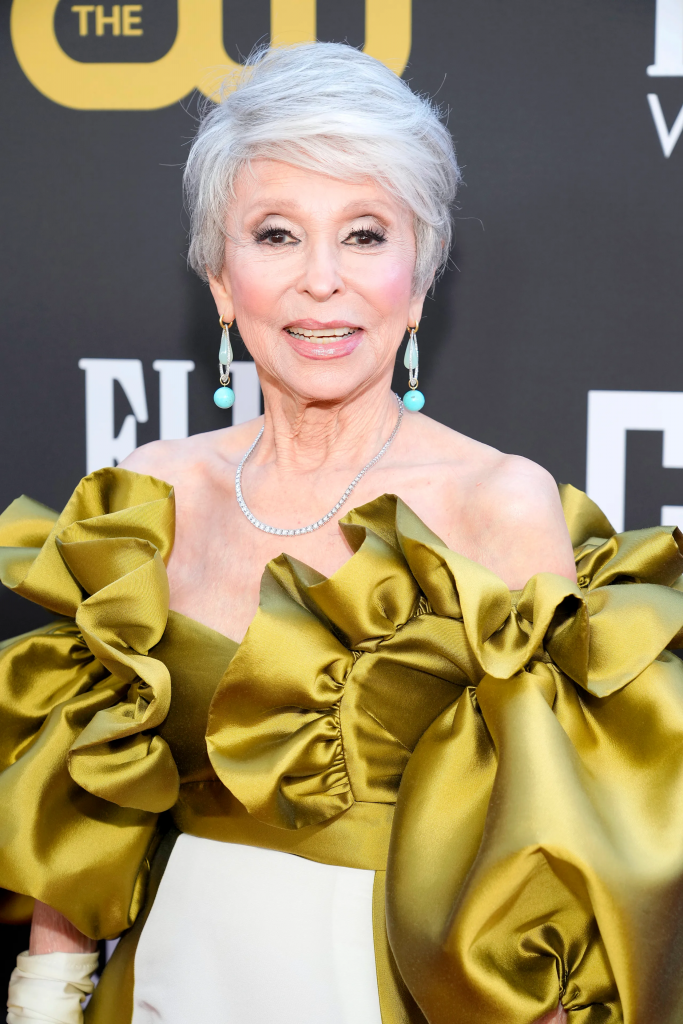
From a little girl crossing oceans to a woman who reshaped Hollywood’s landscape, Rita Moreno proved that talent paired with resilience can change history. Her story isn’t just one of success — it’s one of meaning. And that is why her legacy will continue to shine, long after the curtain falls.