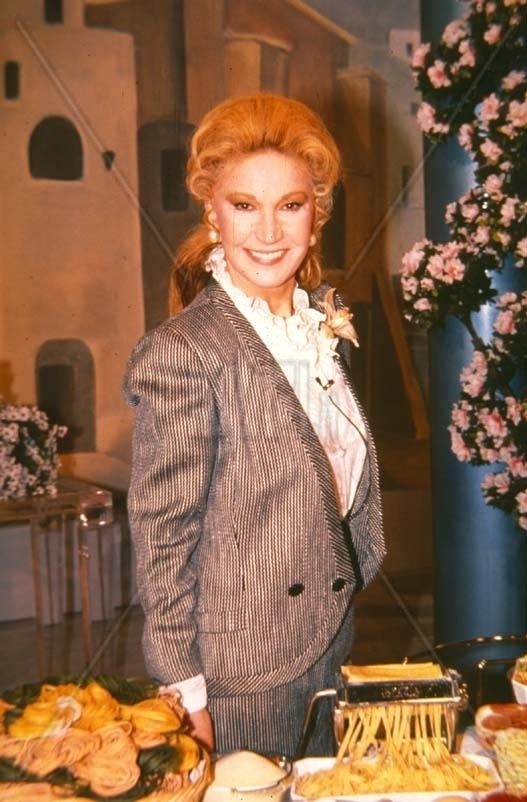
She Built a Lasting Career by Mastering the Art of Presence
Some performers don’t need to dominate the frame to be unforgettable. They bring balance, texture, and credibility—turning good scenes into great ones. That was the quiet power of Luisa Rivelli, an elegant Italian actress whose steady dedication carried her across cinema and television for decades.
Her story isn’t about chasing the spotlight. It’s about earning trust—role by role—and adapting with grace as the industry evolved.
Roots in Lombardy: Early Life and a Calling for Performance
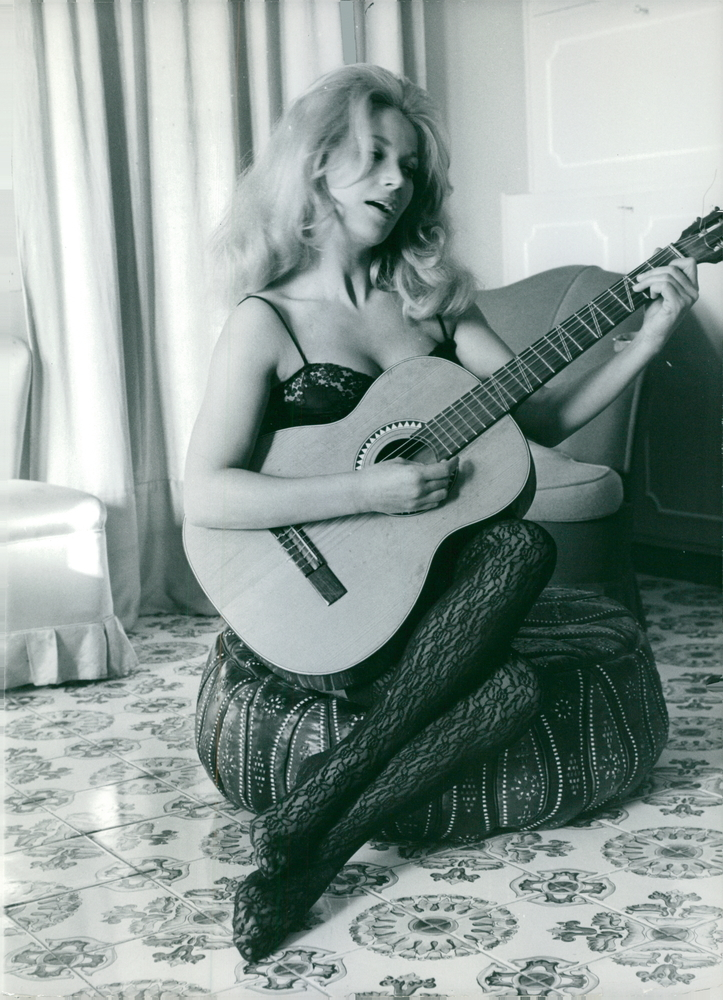
Luisa Rivelli was born Rossella Lanfranchi on February 10, 1931, in Ternate, a small town in Lombardy near Lake Maggiore. Growing up in the aftermath of war, she learned early the value of resilience and discipline. These qualities would later define her career.
Drawn to acting at a young age, she pursued formal training at Rome’s Centro Sperimentale di Cinematografia. That foundation mattered. It sharpened her technique, taught her restraint, and prepared her for a working actor’s life—where consistency counts as much as inspiration.
Sometimes, the strongest careers start with patience.
Early Screen Work: Building Momentum in Postwar Cinema
Luisa’s screen debut came early, and by the 1950s she was working steadily in Italian films. These were years when cinema was rebuilding—experimenting with tone, genre, and storytelling. She found her place as a reliable presence in dramas and comedies, adding polish without pulling focus.
Directors valued her composure. Audiences noticed her poise. She became the kind of actress producers could count on—someone who elevated scenes through subtle choices rather than showy gestures.
A Golden Stretch: Genre Versatility in the 1960s
The 1960s marked Luisa Rivelli’s busiest and most varied period. She moved fluidly across genres—thrillers, Westerns, mysteries, peplum adventures—never locked into a single type.
She appeared in spaghetti Westerns, where tension and atmosphere mattered as much as dialogue. In thrillers and mysteries, she brought controlled intensity, letting the suspense breathe. Even when playing sophisticated or enigmatic women, she avoided caricature, grounding each role in believable emotion.
Why Her Roles Worked So Well
Luisa understood timing. She knew when to step forward and when to hold back. That instinct made her performances feel natural, and it’s why she fit so well into ensemble casts. Like a skilled musician in an orchestra, she supported the whole while playing her part with clarity.
Memorable Collaborations and Standout Performances
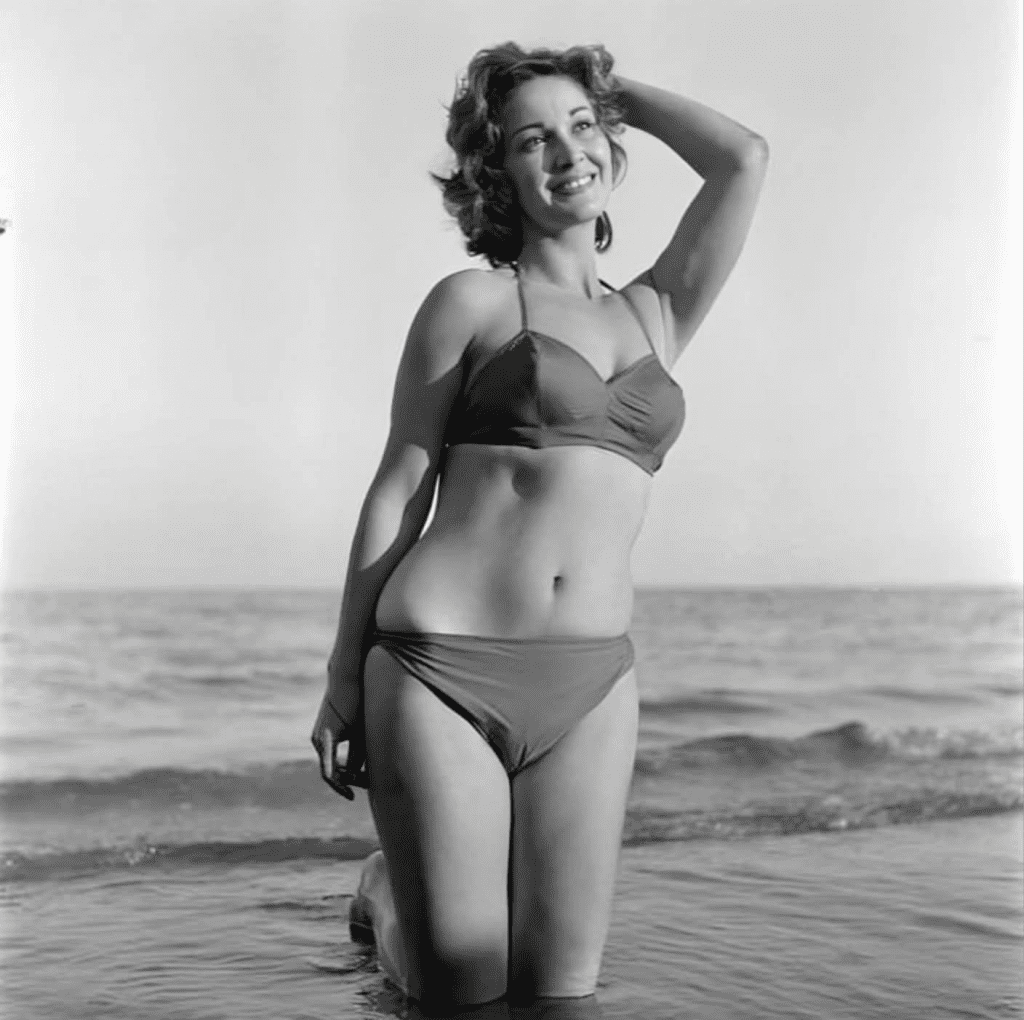
Across more than fifty projects, Luisa worked alongside notable actors and directors, contributing to films that fans of classic Italian cinema still revisit today. Her performances in genre pieces—especially suspense-driven stories—remain highlights for viewers who appreciate craft over spectacle.
She didn’t need leading roles to leave an impression. Her consistency created familiarity, and familiarity builds trust with audiences. That trust is rare—and powerful.
The Shift to Television: A Natural Evolution
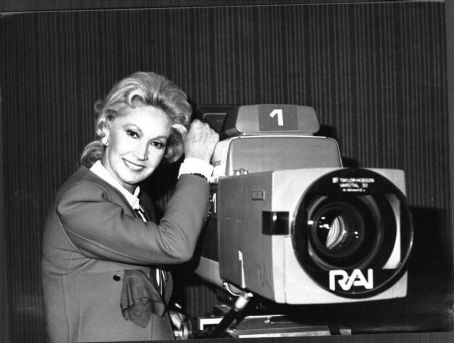
As Italian television expanded in the 1970s, Luisa made a smart pivot. She transitioned from film sets to TV studios, becoming a warm, authoritative presence for viewers at home.
She hosted consumer-focused programs that spoke directly to everyday concerns, explaining issues clearly and calmly. This new role showcased a different strength: relatability. She wasn’t playing a character anymore—she was herself, guiding conversations with empathy and clarity.
The move wasn’t a retreat. It was an expansion.
Becoming a Household Name Through Hosting
Her television work ran for years and made her widely recognizable beyond cinema audiences. Viewers trusted her. They listened. She brought professionalism without stiffness, friendliness without artifice.
That balance turned her into a familiar face across Italy—someone welcomed into living rooms week after week. It’s not easy to make that transition, but Luisa did it with ease, proving adaptability is the key to longevity.
Later Years: Stepping Back on Her Own Terms
By the late 1980s and early 1990s, Luisa Rivelli gradually reduced her public appearances. Her final screen credits arrived in the mid-1990s, closing a chapter defined by steady work and thoughtful choices.
She chose privacy over publicity, embracing a quieter life away from the cameras. No dramatic farewell. No headlines. Just a calm exit after decades of contribution.
There’s wisdom in knowing when you’ve said what you wanted to say.
Passing and Enduring Legacy
Luisa Rivelli passed away on June 12, 2013, at the age of eighty-two. Her departure was peaceful, and tributes focused on her elegance, professionalism, and the breadth of her work.
Today, fans rediscover her through restored prints, television reruns, and curated collections of Italian cinema. Her performances still feel fresh because they were never built on trends. They were built on craft.
Conclusion: The Power of Steady Dedication
Luisa Rivelli’s career reminds us that lasting impact doesn’t require constant reinvention or loud acclaim. It requires reliability, range, and respect for the work.
From Lombardy roots to Italian soundstages and television studios, she built a life in the arts that adapted with time—never losing its sense of balance. Her legacy lives in the scenes she strengthened, the stories she supported, and the viewers who still recognize her calm authority on screen.
In a world that often celebrates extremes, her story stands as proof that presence—quiet, assured, and consistent—can be just as memorable.