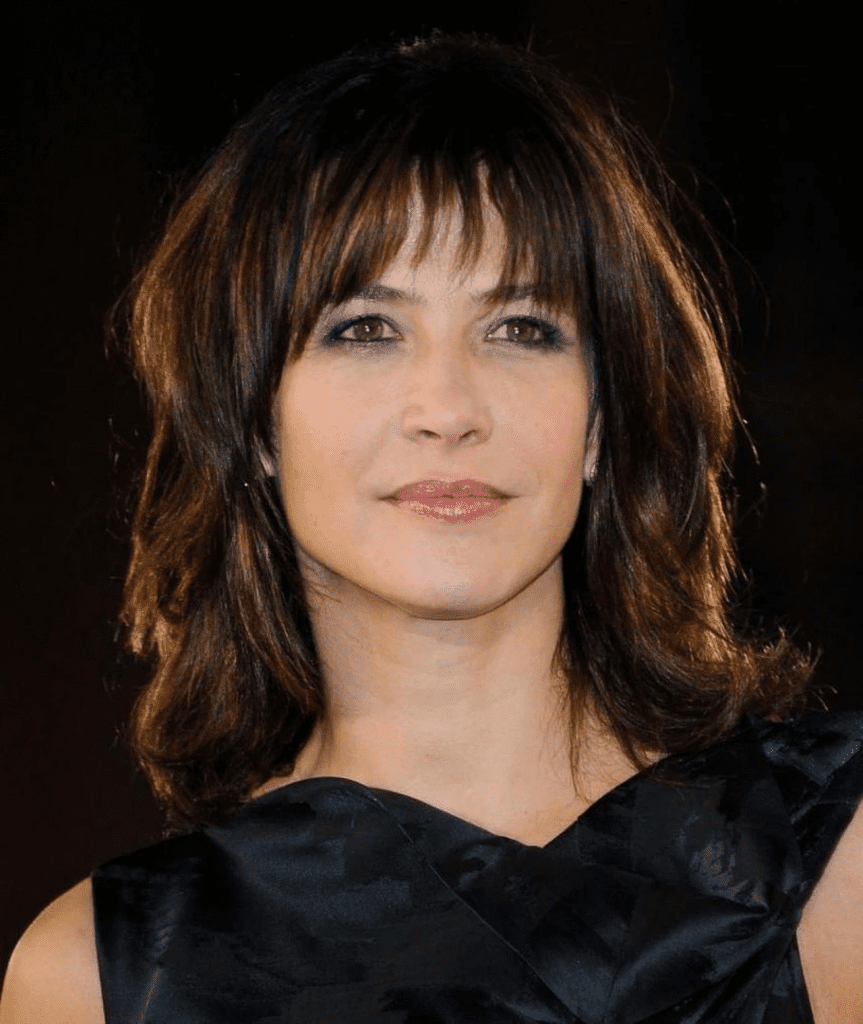
Sophie Marceau: From Parisian Teen Dream To A Timeless Symbol Of Cinema And Elegance
Some stars explode and fade. Others grow, deepen, and quietly become legends. Sophie Marceau belongs to the second kind. For more than four decades, she has moved through cinema with an ease that feels natural, almost inevitable. From a shy teenager in suburban Paris to an internationally respected actress, director, and cultural icon, Sophie Marceau’s journey proves that true presence never depends on noise.
So how did a working-class girl become one of France’s most enduring faces? Let’s walk through her story.

Early Life In Paris: A Childhood Shaped By Resilience
Sophie Marceau was born Sophie Danièle Sylvie Maupu on November 17, 1966, in Paris, France. She grew up in Gentilly, a modest suburb far from the glamour often associated with cinema. Her father worked as a truck driver, while her mother was a shop assistant. Life was practical, not luxurious.
Her parents divorced when she was nine, an experience that forced Sophie to mature quickly. She was quiet, observant, and imaginative, the kind of child who watched the world closely rather than trying to dominate it. That sensitivity would later become one of her greatest strengths on screen.
At just 13, Sophie accompanied her mother to answer a casting call from a modeling agency. It felt casual, almost accidental. Yet that single step opened a door that would never fully close again.
Breakthrough Success With La Boum
Everything changed in 1980. Sophie Marceau landed the lead role in La Boum, playing Vic, a teenager navigating friendship, love, and family chaos. The film struck a nerve across France. Audiences didn’t just watch Vic. They recognized themselves in her.
The movie became a massive success, selling millions of tickets and turning Sophie into a household name almost overnight. Two years later, La Boum 2 confirmed her status, and at just 16 years old, she won the César Award for Most Promising Actress.
Fame arrived fast, maybe too fast. Sophie later described feeling trapped by expectations. Instead of staying comfortable, she made a bold decision to buy out her contract and reclaim control over her career. It was risky, but it showed early signs of the independence that would define her life.
Evolving Into Serious Cinema Roles
The mid-1980s marked a turning point. Sophie Marceau deliberately chose darker, more complex roles to escape the image of a teenage sweetheart. Films like Police and Descente aux enfers allowed her to explore emotional depth and psychological tension.
Her collaboration with Polish director Andrzej Żuławski became especially influential. Their films were intense, demanding, and unconventional. Sophie didn’t shy away from difficulty. Instead, she leaned into it, proving she could carry challenging narratives with conviction.
This phase reshaped how critics and audiences viewed her. She was no longer just a youthful icon. She was an actress with courage and range.
International Recognition And Global Appeal
By the 1990s, Sophie Marceau crossed borders with ease. In 1995, she appeared in Braveheart as Princess Isabelle, bringing warmth and emotional nuance to a large-scale historical epic. The role introduced her to global audiences who may never have seen French cinema before.
Then came The World Is Not Enough in 1999. As Elektra King, Sophie delivered one of the most memorable performances in the franchise. She played intelligence, vulnerability, and danger in equal measure, redefining expectations of what such a role could be.
These international projects didn’t dilute her identity. Instead, they amplified it. Sophie Marceau remained unmistakably herself, no matter the language or setting.
Creative Control Through Directing And Writing
Acting was never enough for Sophie. She wanted to shape stories, not just inhabit them. In 2002, she made her directing debut with Speak to Me of Love, a deeply personal film exploring relationships and emotional fractures. The film earned critical recognition and won Best Director at an international festival.
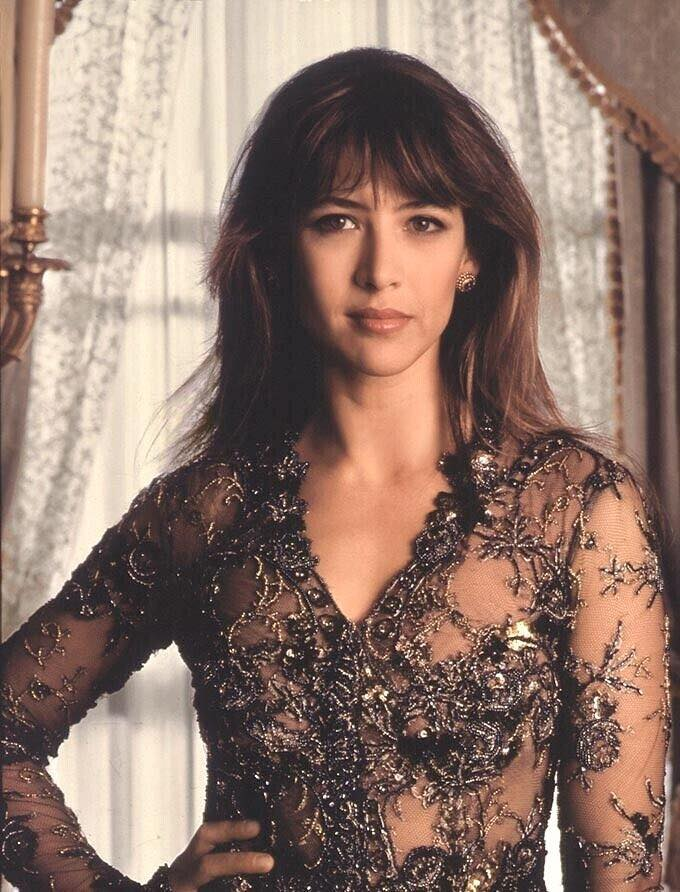
She followed with other directing projects that focused on intimacy, identity, and female perspective. Her style behind the camera mirrored her acting choices: thoughtful, restrained, and emotionally honest.
Beyond film, Sophie has written novels and screenplays, and in 2025, she hosted a literary radio program in France, sharing her love of books and ideas. Creativity, for her, is not a profession. It’s a way of breathing.
Personal Life And Private Strength
Sophie Marceau has always drawn a clear line between public work and private life. She was in a long-term relationship with Andrzej Żuławski, with whom she has a son, Vincent. Later, she shared her life with producer Jim Lemley and welcomed a daughter, Juliette.
She has had other relationships, some public, some not, but she never built her identity around them. Motherhood, independence, and emotional honesty matter more to her than headlines.
In a world obsessed with visibility, Sophie’s restraint feels radical. She protects her inner life fiercely, choosing depth over exposure.
Recent Work And Continued Relevance
Even in her late fifties, Sophie Marceau remains creatively active. In 2025, she returned to a beloved role in LOL 2.0: Anne’s Golden Hour, exploring themes of maturity, freedom, and reinvention. The project reflects her current philosophy: stories should grow as people do.
She also continues to appear at major cultural and fashion events, not as a trend follower, but as a symbol of enduring style. Honors and awards still arrive, yet she treats them as acknowledgments, not destinations.
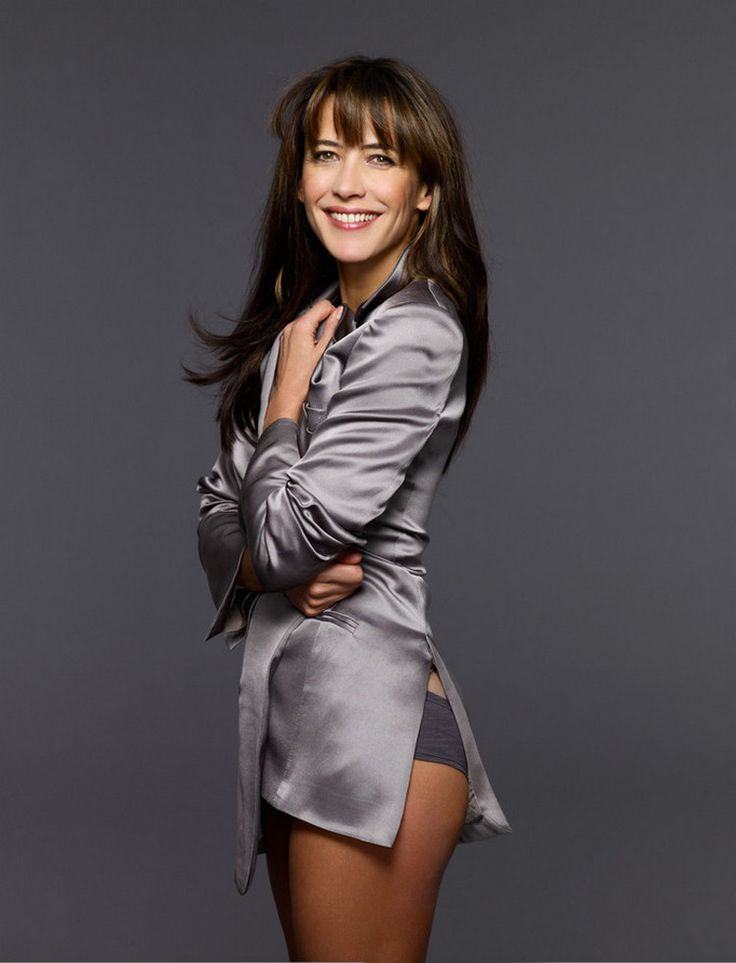
Life Today: Quiet, Purposeful, Fulfilled
As of 2025, Sophie Marceau lives a calm life in the Paris suburbs. She selects projects carefully, spends time with her children, reads, swims, paints, and enjoys everyday routines. There is no rush, no need to prove anything.
Her presence today feels grounded and complete. She hasn’t disappeared. She has simply chosen balance.
Conclusion: Why Sophie Marceau Remains Timeless
Sophie Marceau’s story is not about constant reinvention or chasing relevance. It’s about evolution with integrity. From La Boum to international cinema, from acting to directing, from fame to privacy, she has always moved on her own terms.
Her legacy lives not just in films, but in the example she sets. Talent matters. Courage matters. But knowing when to speak, when to step back, and when to grow quietly may matter most of all.
That is why Sophie Marceau remains timeless.