She Rose From Postwar Poverty to International Stardom With Unmatched Elegance
Some lives feel like cinema even before the cameras arrive. Full of struggle, chance encounters, and quiet determination, they unfold like a beautifully paced film. That was the life of Elsa Martinelli—a woman who moved effortlessly between fashion runways, Hollywood soundstages, and Europe’s most respected film sets, leaving behind a legacy defined by grace rather than noise.
Her story proves that true elegance isn’t taught. It’s earned.
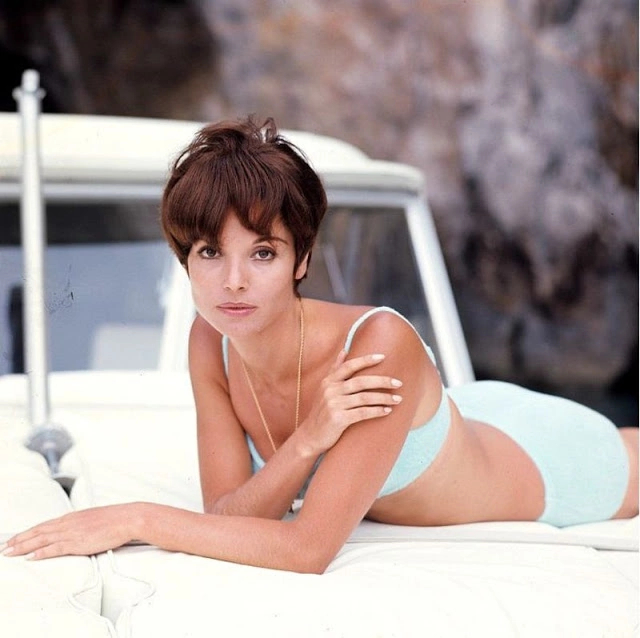
Growing Up in Tuscany: Hardship That Shaped Her Strength
Elsa Martinelli was born Elisa Tia on January 30, 1935, in Grosseto, Tuscany. She was one of eight children, growing up in a family where money was scarce and responsibility arrived early. Postwar Italy was not gentle, and survival required effort from everyone—especially the young.
When her family relocated to Rome after her father found work with the state railways, Elsa began working at just twelve years old. She delivered groceries on foot, worked behind bars, and stitched pearls onto hats late into the night. These were not glamorous beginnings, but they forged resilience.
Like marble shaped under pressure, she grew stronger without losing softness.
A Chance Encounter That Changed Everything
Sometimes destiny doesn’t knock—it glances your way. At eighteen, Elsa caught the attention of renowned Italian fashion designer Roberto Capucci. Her slim figure, expressive eyes, and natural poise made her stand out instantly.
Modeling followed quickly. She appeared in major fashion magazines, including international editions that carried her image far beyond Italy. Her look felt modern yet timeless, refined but approachable.
Fashion didn’t just give her work—it gave her visibility. And visibility opened the door to cinema.
From Fashion to Film: A Natural Transition
Elsa’s early film work began in Europe, where she showed she could do more than pose. Her breakthrough came in the mid-1950s when she starred in a historical drama that introduced her to international audiences.
Soon after, Hollywood came calling.
Her American debut placed her opposite major stars, and audiences took notice. She brought something rare to the screen: European sophistication paired with emotional restraint. She didn’t overplay scenes. She let them breathe.
That restraint became her signature.
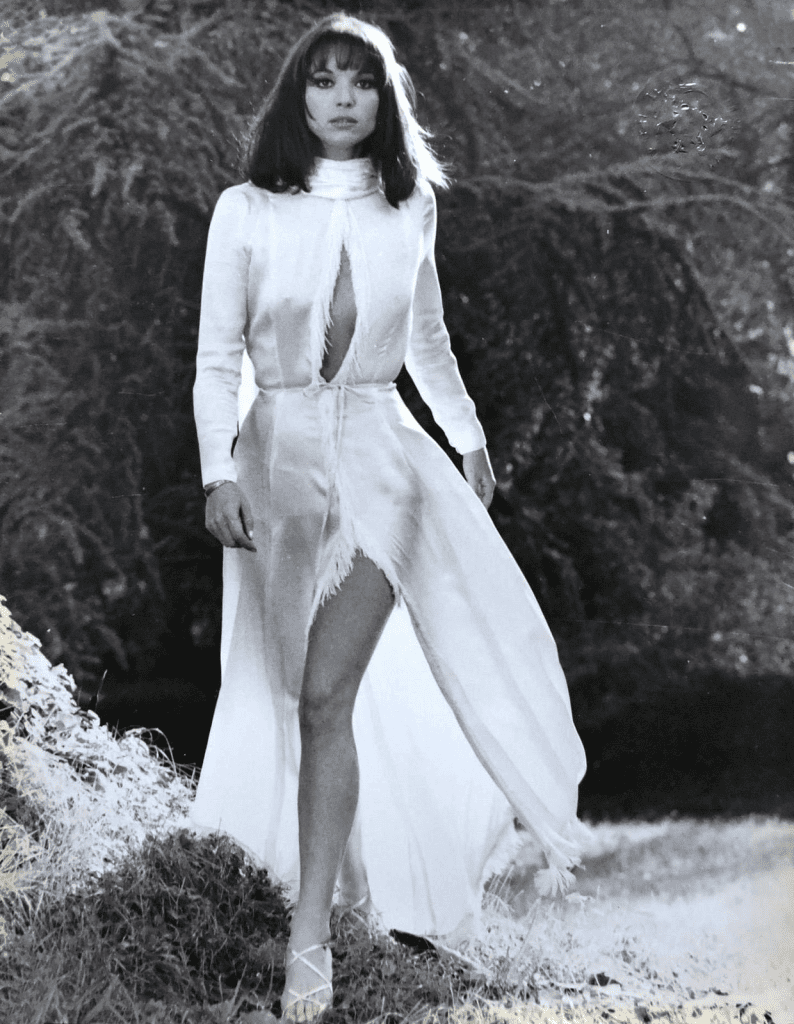
Hollywood Stardom and Iconic Roles
Elsa Martinelli’s Hollywood career flourished during the late 1950s and early 1960s. She appeared in major productions alongside legends of the era, carving out a place for herself as a leading lady who could balance strength with subtlety.
One of her most memorable roles came in an adventure film set in Africa, where she played a photojournalist navigating danger with intelligence and composure. Sharing the screen with a commanding male lead, she never faded into the background. Instead, she matched presence with presence.
She went on to appear in dramas, thrillers, and ensemble casts, always bringing an understated elegance that directors trusted.
European Cinema and Critical Acclaim
While Hollywood offered scale, Europe offered depth—and Elsa embraced both. Returning frequently to Italian and French cinema, she worked with some of the most respected directors of the time.
Her performance in a romantic comedy-drama earned her one of Europe’s most prestigious acting awards, confirming her range and emotional intelligence. She could be playful, vulnerable, ironic, or intense, depending on the role.
Why Her Performances Endured
Elsa Martinelli didn’t chase trends. She chose stories. Whether working in genre films or art-house projects, she approached each role with seriousness and humility. That consistency gave her career longevity across borders.
Evolving Roles and a Shift in Priorities
By the late 1960s and into the 1970s, Elsa gradually reduced her acting workload. She explored other creative interests, including interior design, while continuing to accept select film and television roles.
She understood when to step back. Fame had never been her only goal. Balance mattered.
Her later appearances felt deliberate, like a painter adding final touches rather than starting new canvases.
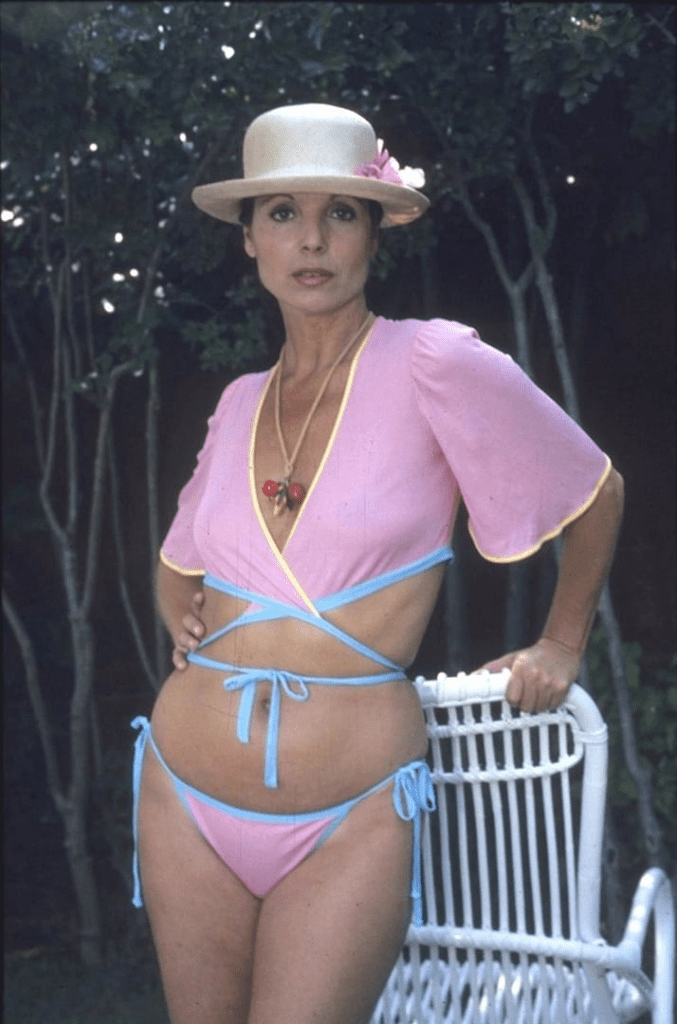
Personal Life: Love, Motherhood, and Choice
Off screen, Elsa’s life was just as rich. She married twice, first to an Italian nobleman, with whom she had a daughter. Motherhood deeply influenced her decisions, including turning down major roles to prioritize family.
Later, she married a prominent photographer and designer, moving within international creative circles that included artists, musicians, and cultural icons. Yet she remained grounded, never allowing social life to overshadow personal values.
Later Years and Quiet Grace
In her later years, Elsa Martinelli lived privately in Rome, far from the glare of cameras. She embraced a quieter rhythm, surrounded by memories rather than headlines.
She passed away peacefully in July 2017 at the age of eighty-two, after a private illness. Tributes described her as elegant, discreet, and timeless—words that fit her perfectly.
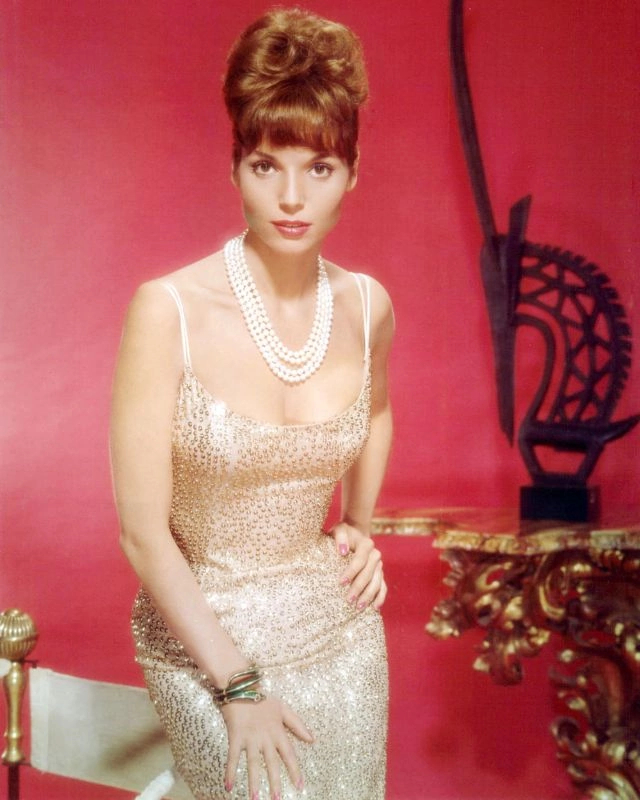
Conclusion: A Legacy That Still Glows
Elsa Martinelli’s life reads like a classic European film: humble beginnings, a meteoric rise, thoughtful choices, and a graceful exit. She bridged fashion, Hollywood, and European cinema without ever losing her sense of self.
Her legacy isn’t just in the films she made. It’s in how she lived—working hard, choosing wisely, and stepping away when the time felt right.
In a world obsessed with constant visibility, her story reminds us that true elegance doesn’t shout. It endures.