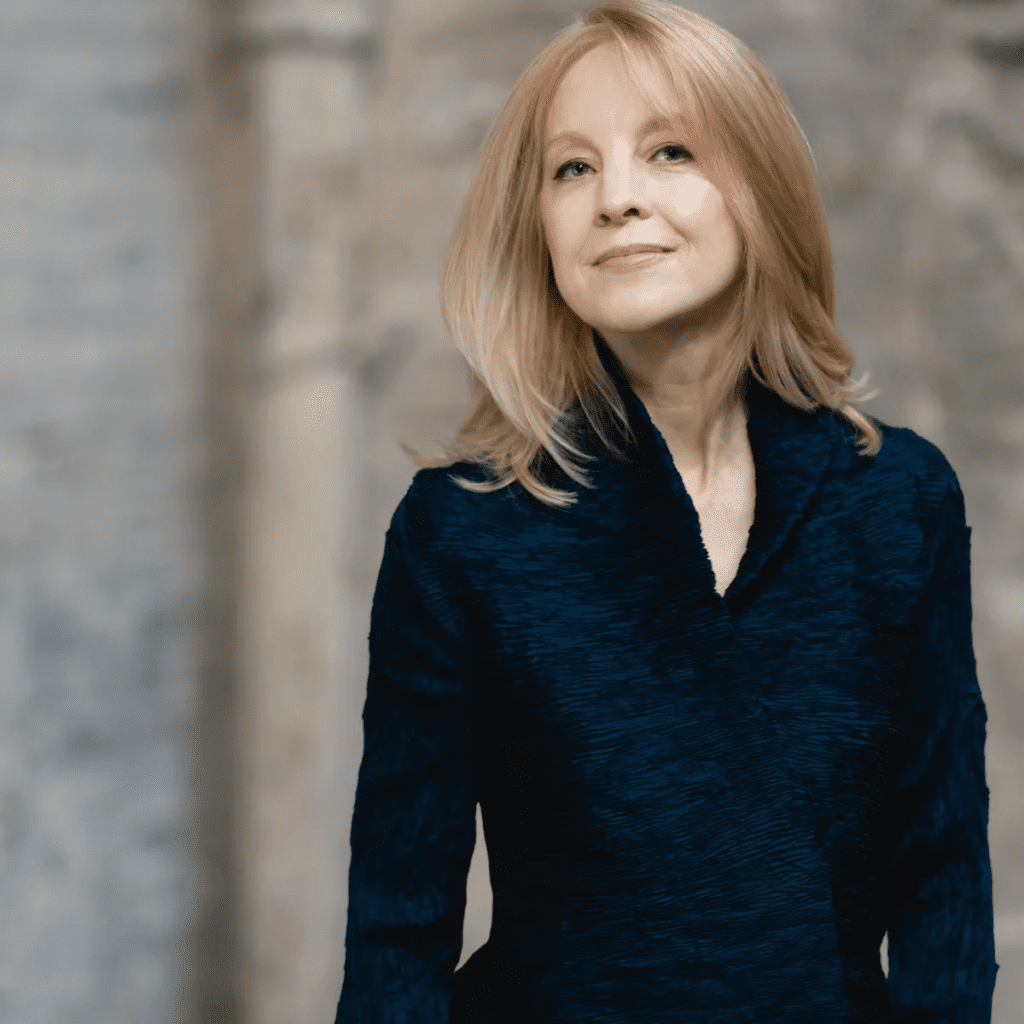
From Shocking Stardom to a Lasting Voice for Truth, Art, and Resilience
Cinema history is filled with stars who rise quickly and disappear just as fast. Maria Schneider belongs to a different category. Her life was not defined by fleeting fame but by courage, honesty, and the long road toward reclaiming her own voice. Long after her passing, her story continues to influence how the world talks about cinema, power, and personal dignity.
This is the story of Maria Schneider—an actress whose impact reaches far beyond the screen.

A Childhood Marked by Absence and Early Independence
Maria Schneider was born on March 27, 1952, in Paris. Stability was never part of her early life. Her father, actor Daniel Gélin, did not officially acknowledge her, and their contact was rare. Her mother, a Romanian-born model and bookseller, struggled to provide consistent care, which led Maria to spend long stretches with caregivers and relatives.
From a young age, she felt alone but observant. As a teenager, she found comfort in movie theaters, sometimes watching films several times a week. Cinema became her refuge and her education. By 15, she left home and moved to Paris on her own, driven by instinct rather than security.
That early independence shaped her deeply. She learned to rely on herself, developing an emotional openness that would later define her performances.
Entering Film Before She Was Ready
Maria’s entry into acting happened fast. In the late 1960s, she appeared in small, often uncredited roles. Casting directors quickly noticed her natural presence. She didn’t perform with polish or theatrical flair. Instead, she brought vulnerability and realism, qualities that felt different at the time.
That difference caught the attention of director Bernardo Bertolucci. What followed would change her life forever.
A Role That Brought Fame and Lasting Pain
In 1972, at just 19 years old, Maria starred opposite Marlon Brando in Last Tango in Paris. The film shocked audiences worldwide and became one of the most talked-about releases of its era. Maria’s performance was widely praised for its emotional intensity, and fame arrived almost overnight.
Years later, Maria revealed the personal cost of that success. She explained that a crucial scene was improvised without her full consent or understanding. She felt humiliated and powerless, and the experience left deep emotional scars. At the time, her voice was largely ignored.
That moment reshaped her relationship with acting and authority. Fame came quickly, but protection did not.
Choosing Integrity Over Easy Success
Despite the controversy, Maria continued acting. She worked with respected filmmakers and appeared in numerous European productions. One of her most admired performances came in The Passenger, directed by Michelangelo Antonioni, where she starred alongside Jack Nicholson.
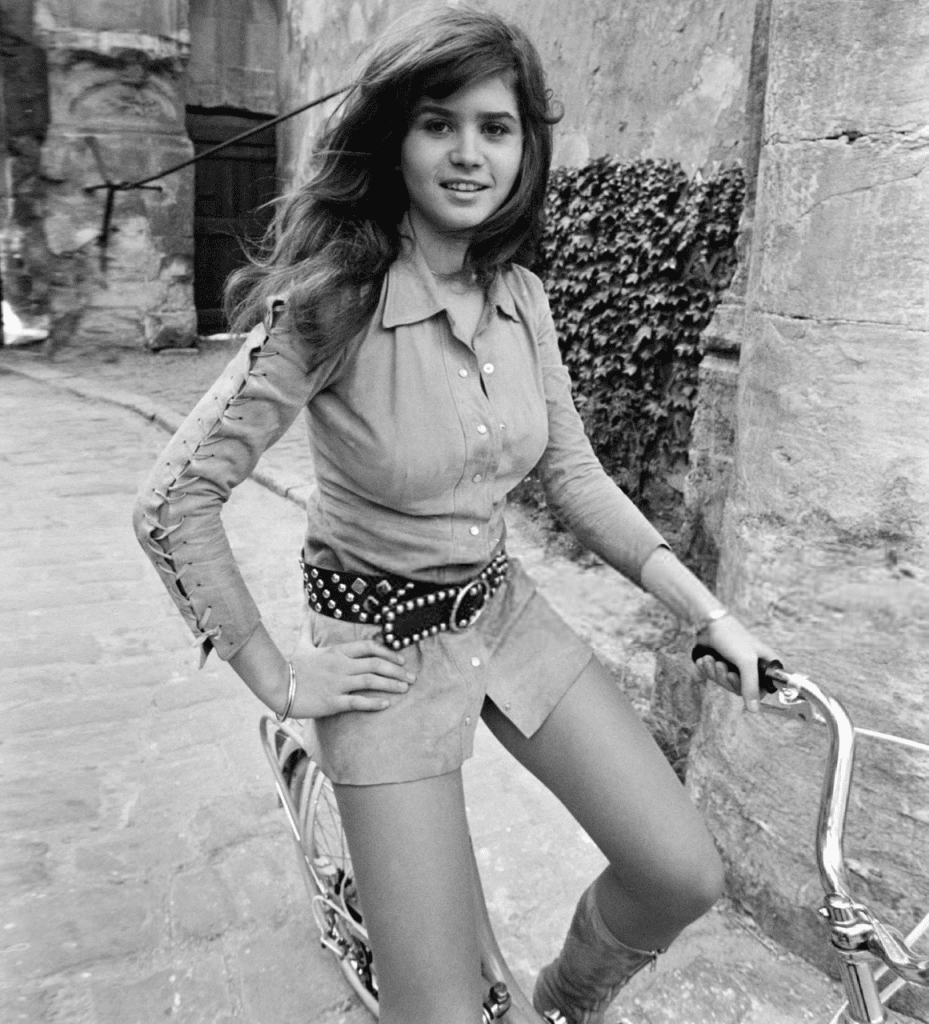
Yet Maria made deliberate choices. She turned down roles that relied on exploitation or objectification, even when those roles promised renewed visibility. Her career became more selective, guided by principle rather than opportunity.
In an industry built on compromise, Maria chose control and self-respect, even when it meant stepping away from the spotlight.
Personal Battles and the Fight to Heal
The emotional toll of early fame followed her into the 1970s. Maria struggled with addiction and depression and spent time in psychiatric care. She survived a suicide attempt, later describing those years as a period of deep confusion and pain.
Recovery was slow but real. In the early 1980s, she found stability through a loving, long-term relationship and a quieter life. Sobriety, routine, and emotional safety allowed her to rebuild. She often said that surviving mattered more than returning to fame.
This chapter marked a turning point. Maria was no longer defined by what had happened to her but by how she chose to live afterward.
Becoming an Advocate Before the World Was Ready
As she matured, Maria Schneider began speaking openly about her experiences. Long before global conversations addressed consent and power in entertainment, she was already challenging harmful practices. She questioned the idea that suffering was necessary for art and called for greater protection for performers.
Her honesty was ahead of its time. Decades later, her words gained renewed importance as the industry began listening more closely to stories like hers.
She also supported artistic rights and remained deeply engaged with cinema as a cultural force, even when she was no longer at its center.
Later Years and Earned Recognition
In her later career, Maria worked sparingly, choosing roles that aligned with her values. One of her final films, Cliente in 2008, was praised for its quiet strength. That same year, France honored her with the Order of Arts and Letters, recognizing her contribution to culture.
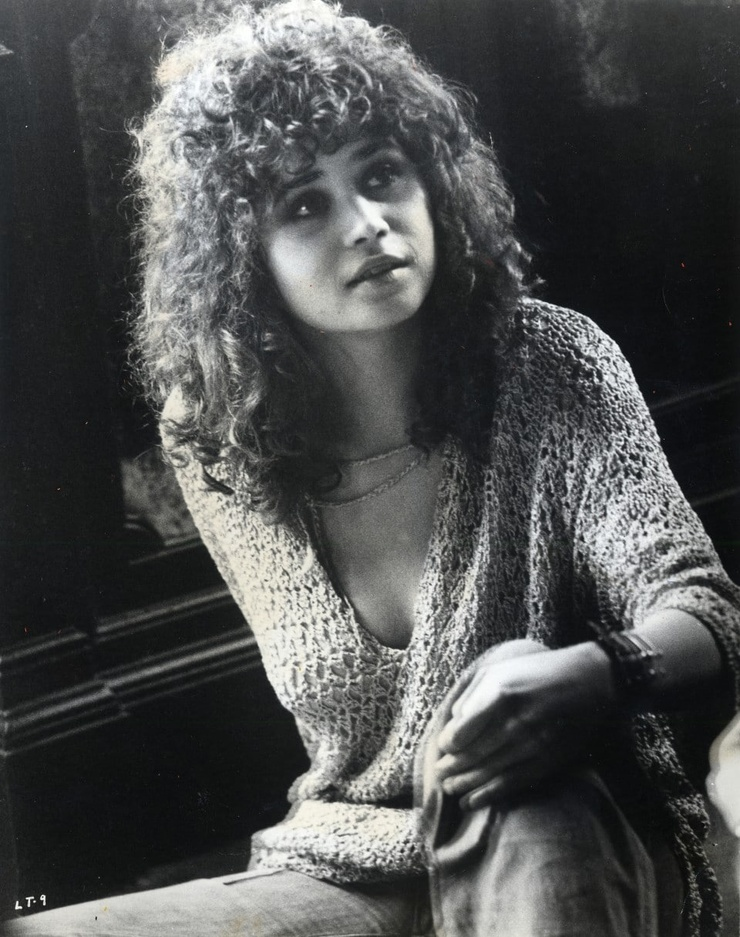
She also faced serious health challenges, including cancer, which she confronted with characteristic honesty and dignity.
Maria Schneider passed away on February 3, 2011, at the age of 58.
Why Her Legacy Still Resonates
In recent years, Maria’s life has been revisited with greater empathy. Films, biographies, and essays have reframed her story as one of resilience rather than scandal. She is now remembered not only for a controversial role but for her bravery in speaking the truth and refusing to be silenced.
Her influence continues to shape conversations about ethics, consent, and responsibility in cinema.
Conclusion: A Legacy Built on Courage and Truth
Maria Schneider’s life was complex, painful, and deeply human. From an unsettled childhood to sudden fame, from trauma to recovery, and from silence to advocacy, her journey reflects the cost of art without protection—and the power of reclaiming one’s voice.
She reminds us that dignity matters, that truth matters, and that speaking out, even late, can still change the world. Maria Schneider did more than act in films. She helped reshape how stories are told, both on screen and behind it.
Her legacy endures because courage, once spoken, never truly fades.