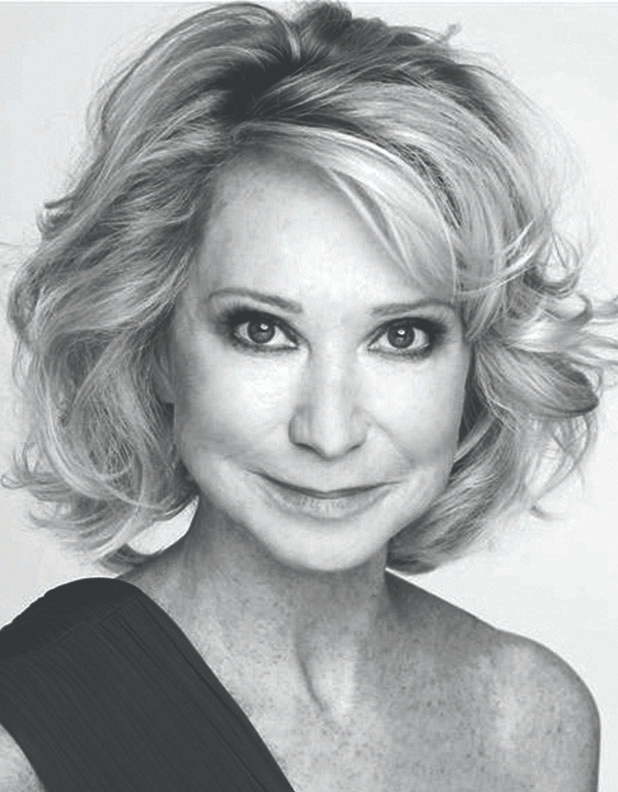
Felicity Kendal: A Life on Stage, Screen, and the Art of Growing Gracefully
Have you ever watched a performance that felt so natural it was like spending time with an old friend? That’s the quiet magic of Felicity Kendal. For decades, she’s made audiences laugh, reflect, and feel at home—without ever shouting for attention. From a childhood spent touring Shakespeare across India to becoming one of Britain’s most cherished television and stage performers, her journey reads like a beautifully paced play: adventurous opening, confident middle acts, and a deeply satisfying continuation.
Even in 2025, at 79, her creative spark hasn’t dimmed. It’s simply matured.
A Childhood Unlike Any Other: Growing Up in a Theatre Troupe
Felicity Kendal was born on September 25, 1946, in Shimla, India, into a family where theatre wasn’t a hobby—it was daily life. Her father, Geoffrey Kendal, ran a touring Shakespeare company, while her mother, Laura, was a dancer and actress. From the moment she could walk, Felicity lived backstage.
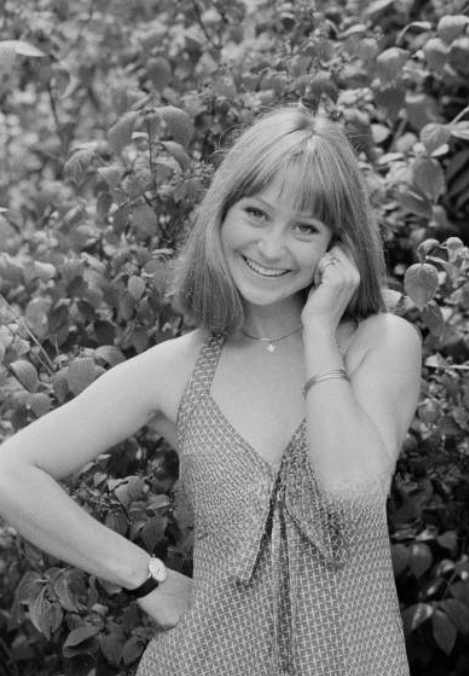
Instead of classrooms, she learned lines. Instead of playgrounds, she grew up in tents and makeshift theatres. Audiences were unpredictable, conditions were rough, and discipline was strict. But that unconventional childhood did something extraordinary—it removed fear from performance.
By the age of ten, she was already acting professionally. Theatre wasn’t intimidating; it was familiar. Like learning a language at home, performance became her native tongue.
Leaving India Behind: Finding Her Place in England
In 1959, the Kendal family returned to England. For young Felicity, the move was jarring. She missed India’s colors, rhythms, and openness, and she struggled to fit into British school life. But once again, theatre became her refuge.
She joined repertory companies and worked tirelessly in regional productions. These years sharpened her technique. She learned pacing, timing, and how to hold an audience without overplaying a moment.
Her breakthrough arrived in the mid-1960s with stage roles that proved she wasn’t just charming—she was formidable. Appearances in productions like The Knack and The Prime of Miss Jean Brodie showed she could move seamlessly between comedy and drama. The industry took notice.
The Role That Changed Everything
In the mid-1970s, Felicity Kendal stepped into a role that would define a generation. As Barbara Good in The Good Life, she became a national treasure almost overnight.
Barbara wasn’t flashy or exaggerated. She was optimistic, intelligent, practical, and quietly rebellious. Felicity played her with warmth and sincerity, making the character instantly relatable. Viewers didn’t just laugh at Barbara—they rooted for her.
The show ran from 1975 to 1978, but its impact lasted far longer. It became a cultural touchstone, and Felicity’s performance helped redefine how women were portrayed in British comedy: capable, thoughtful, and independent without losing kindness.
Even decades later, reruns still draw smiles. That’s not nostalgia alone—that’s craftsmanship.
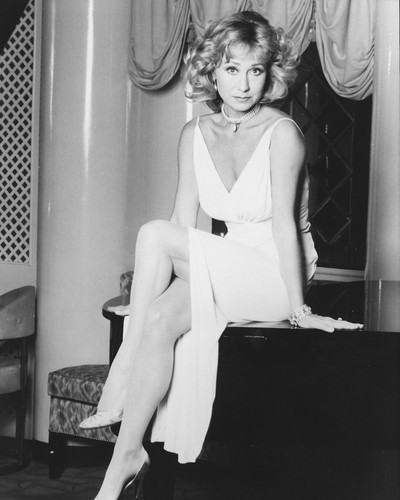
Beyond Comedy: Proving Her Depth and Range
While television made her famous, the stage remained Felicity Kendal’s true home. She returned to it repeatedly, delivering critically acclaimed performances that revealed her dramatic depth.
Her role in Tom Stoppard’s Arcadia in 1993 earned particular praise. As Hannah Jarvis, she showed precision, intelligence, and emotional restraint—qualities that separate good actors from great ones. Other stage successes followed, including Hay Fever and The Deep Blue Sea.
On screen, she continued evolving. Roles in Solo, The Camomile Lawn, and later Rosemary & Thyme demonstrated that she could age with her audience, not ahead of them or behind them. She chose projects that respected her intelligence—and expected the same from viewers.
Personal Life: Love, Change, and Emotional Honesty
Felicity Kendal’s personal life unfolded with as much complexity as her roles. She married actor Drewe Henley in 1966, and they had a son, Charley, before divorcing in 1979. Later, she married director Michael Rudman in 1983, and they welcomed a second son, Jacob.
Though that marriage ended in 1991, their bond remained strong until Rudman’s death in 2023. Throughout these chapters, Felicity spoke openly about love—its beauty, its messiness, and its impermanence.
She raised her sons with the same values she grew up with: independence, curiosity, and creativity. Family, for her, was never separate from life—it was the anchor.
Life in 2025: Still Curious, Still Creating
At 79, Felicity Kendal continues to work—selectively and joyfully. She appears in television projects when they excite her and tours with stage productions that challenge her. She also writes, reflects, and speaks candidly about her life in interviews.
She maintains her health through walking and yoga, enjoys time with grandchildren, and embraces aging without apology. She’s not trying to turn back the clock. She’s enjoying what time has given her: clarity, freedom, and perspective.
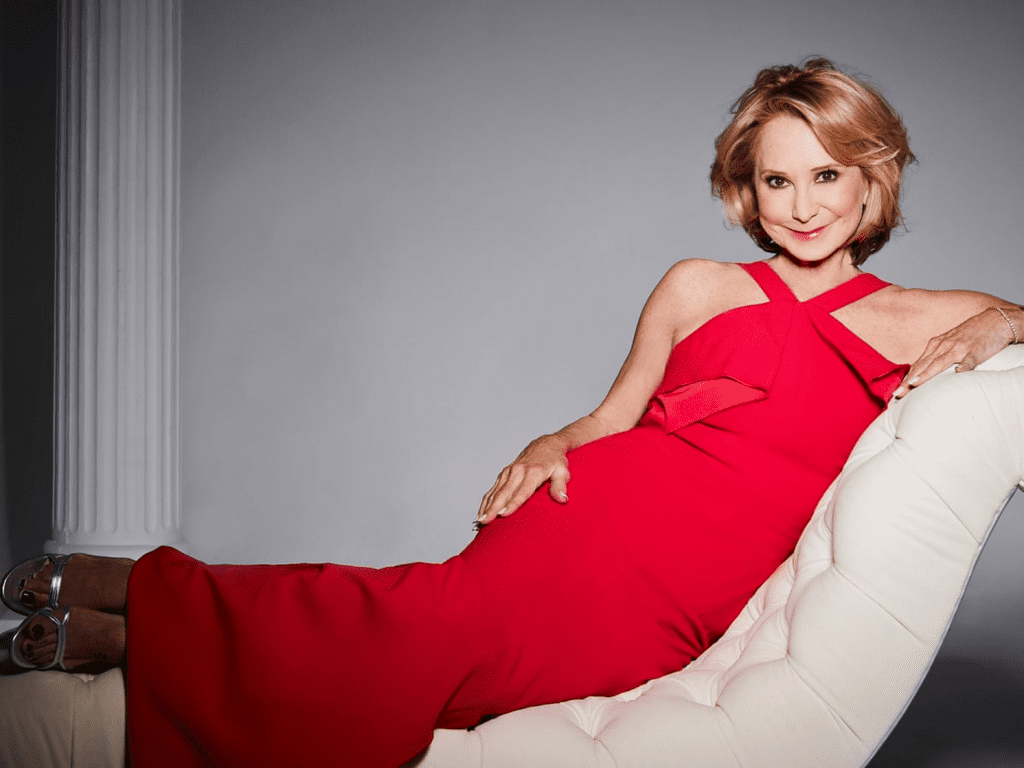
There’s something refreshing about watching someone age without resistance—like a river that widens instead of rushing.
Why Felicity Kendal’s Legacy Endures
Felicity Kendal’s legacy isn’t built on hype or reinvention. It’s built on consistency, authenticity, and respect for the craft. She never chased trends. She followed truth.
From a childhood steeped in Shakespeare to becoming a comedy icon and a respected stage actress, she’s shown that talent doesn’t fade when nurtured—it deepens. Her performances feel lived-in, honest, and generous.
Today, she stands as proof that success isn’t about staying young or staying loud. It’s about staying real.
Felicity Kendal didn’t just play memorable roles. She built a life that reflects the same qualities audiences loved in her characters: warmth, intelligence, resilience, and grace. And that’s why her story still matters—on stage, on screen, and far beyond the spotlight.