María Conchita Alonso: From Beauty Queen Crowns to Global Stage Lights and Unfiltered Truths
Imagine a woman who turned every stage into her kingdom, every song into a story, and every challenge into a spark that fueled her rise. That’s María Conchita Alonso — a Cuban-born, Venezuelan-raised icon who blended grace, grit, and global flair into a career that still burns bright. At 70, she’s more than a beauty queen or performer — she’s a living symbol of passion, independence, and fearless self-expression.
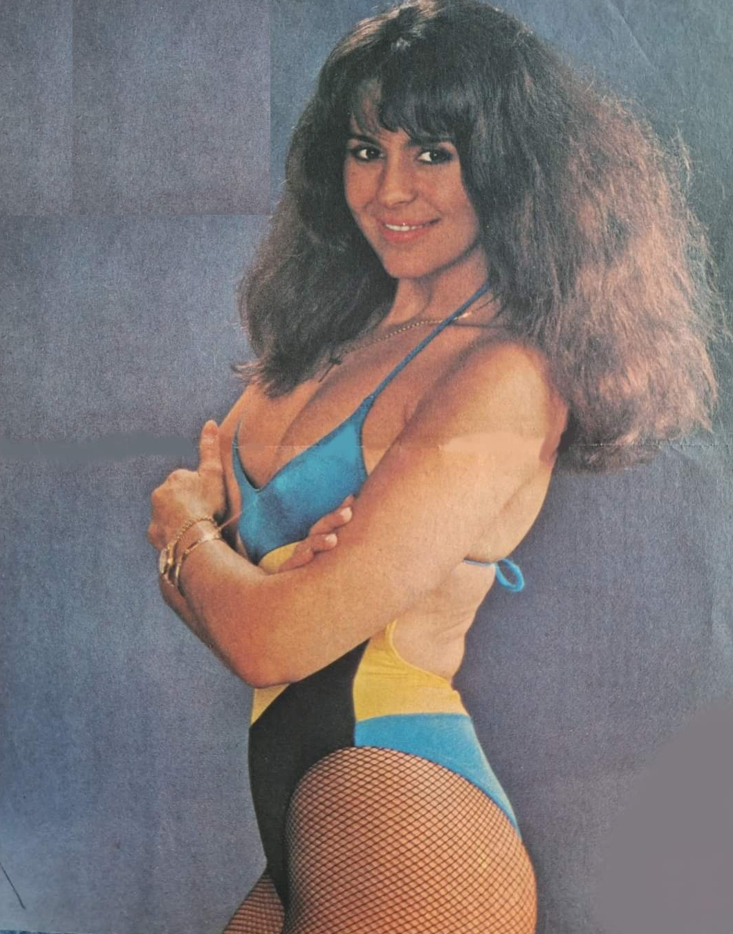
From Havana’s Heartbeat to Venezuela’s Spotlight
María Conchita Alonso’s story begins in Cienfuegos, Cuba, where she was born on June 29, 1955. Her family’s life took a dramatic turn during the Cuban Revolution when they fled to Venezuela seeking freedom and stability. For young María, those early years of exile shaped her strength. Growing up in Caracas, she absorbed two cultures — Cuban warmth and Venezuelan drive — a mix that would one day define her artistry.
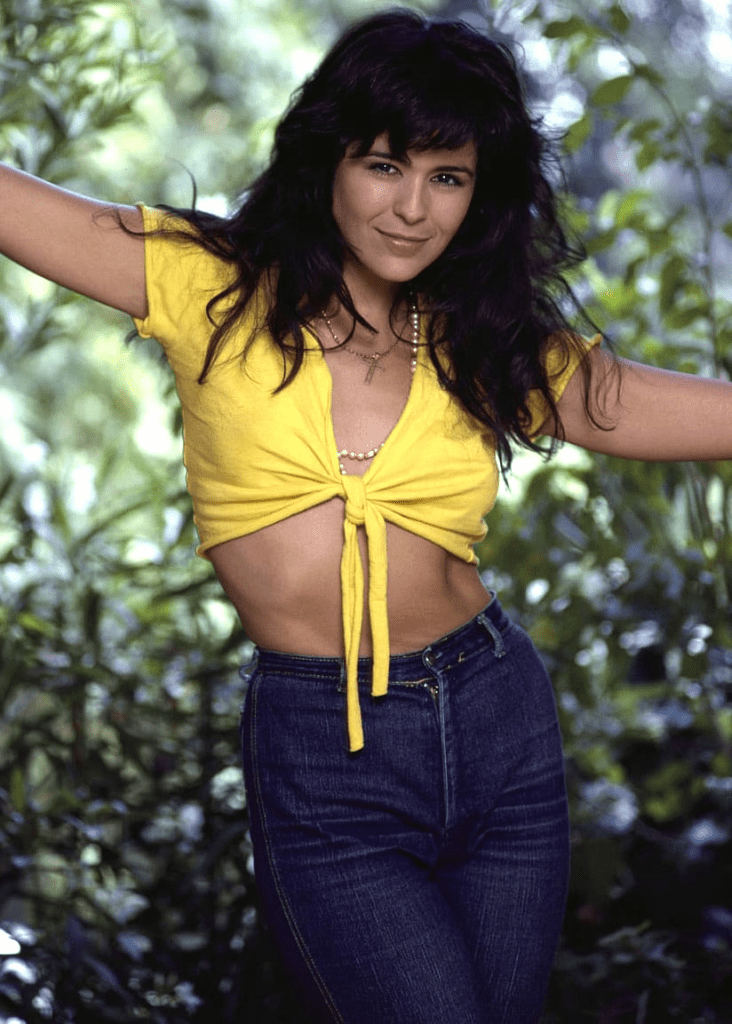
As a teenager, she was already capturing hearts. Her poise, intelligence, and magnetic charm made her stand out in a sea of dreamers. She wasn’t just another pretty face; she was a force in motion — and soon, the world would notice.
Video : Maria Conchita Alonso biography
Crowning Moments: When Beauty Became Her Launchpad
Pageants were María’s first stage, and she conquered them like a natural. At just 16, she won Miss Teenager of the World in 1971, dazzling judges with her confidence and sincerity. Four years later, representing Venezuela as Miss Distrito Federal, she finished as the first runner-up in Miss Venezuela 1975 and went on to compete in Miss World in London — earning a place among the top finalists.
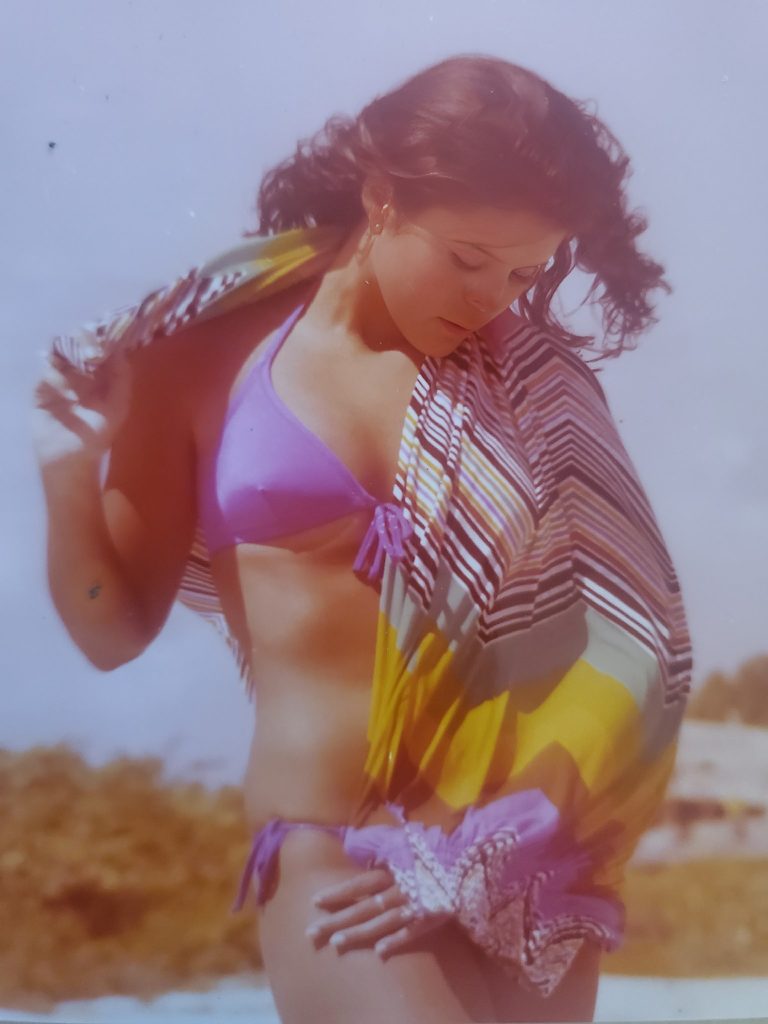
But María Conchita Alonso never saw pageants as a final destination. They were the spark that ignited her ambition, the beginning of something far bigger. Her beauty opened doors, but it was her charisma, voice, and fearless personality that kept them open.
From Soap Operas to Stardom: The Rise of a Performer
After the glitter of pageants faded, María stepped into the world of acting and music with the determination of someone who knew her purpose. In Venezuela, she starred in popular telenovelas and quickly became a familiar face in households across Latin America. Her performances were raw, expressive, and relatable — audiences saw not a star, but a woman unafraid to be real.
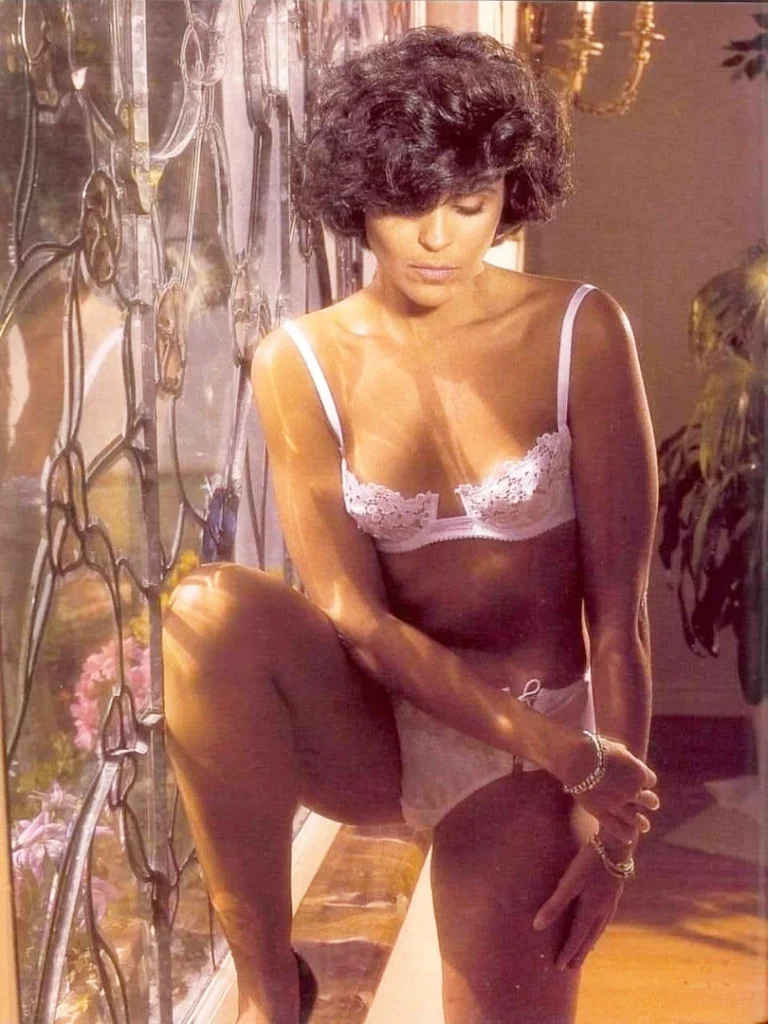
Her magnetic presence soon led her to her true love — music. In the late 1970s, she reinvented herself as a disco-pop artist under the name Ámbar, releasing hits like Love Maniac. The track exploded across Latin America, making her one of the first Venezuelan artists to break into international music charts.
A Global Voice: From Latin Pop to Hollywood Fame
By the 1980s, María Conchita Alonso was unstoppable. She dropped the stage name Ámbar and released her self-titled album María Conchita in 1984 — a record that earned her a Grammy nomination and solidified her as one of Latin America’s most influential female singers. Her follow-up hits like Acaríciame and O Ella o Yo turned into anthems of empowerment, desire, and resilience.
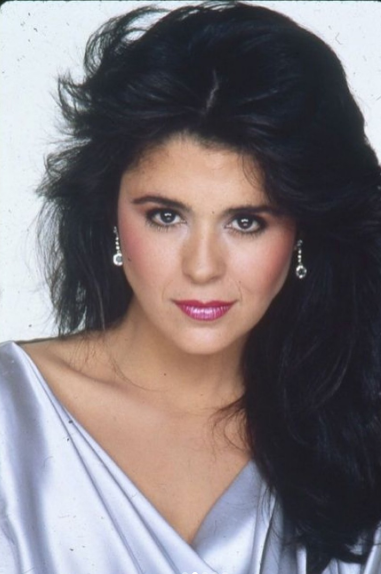
At the same time, Hollywood came calling. María made her U.S. film debut opposite Robin Williams in Moscow on the Hudson (1984), where her charm and depth captivated both audiences and critics. Then came The Running Man (1987), alongside Arnold Schwarzenegger — a performance that proved she could hold her own in a male-dominated action film.
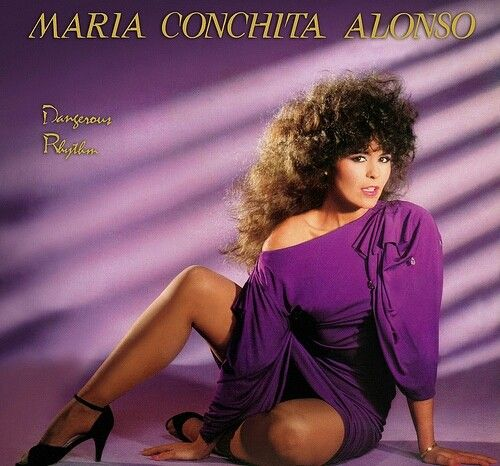
Her filmography grew to include memorable titles like Colors, Extreme Prejudice, Predator 2, and The House of the Spirits, each one showcasing her range — from vulnerable to fierce, from glamorous to gritty. She wasn’t just crossing borders; she was redefining them.
Video : María Conchita Alonso (1975) Miss World Venezuela
Unapologetically Bold: The Woman Behind the Spotlight
What makes María Conchita Alonso stand out isn’t just her career — it’s her courage. She’s always spoken her mind, whether on politics, freedom, or women’s rights. Her outspoken criticism of dictatorships in Latin America, especially Fidel Castro and Hugo Chávez, made her both admired and controversial.
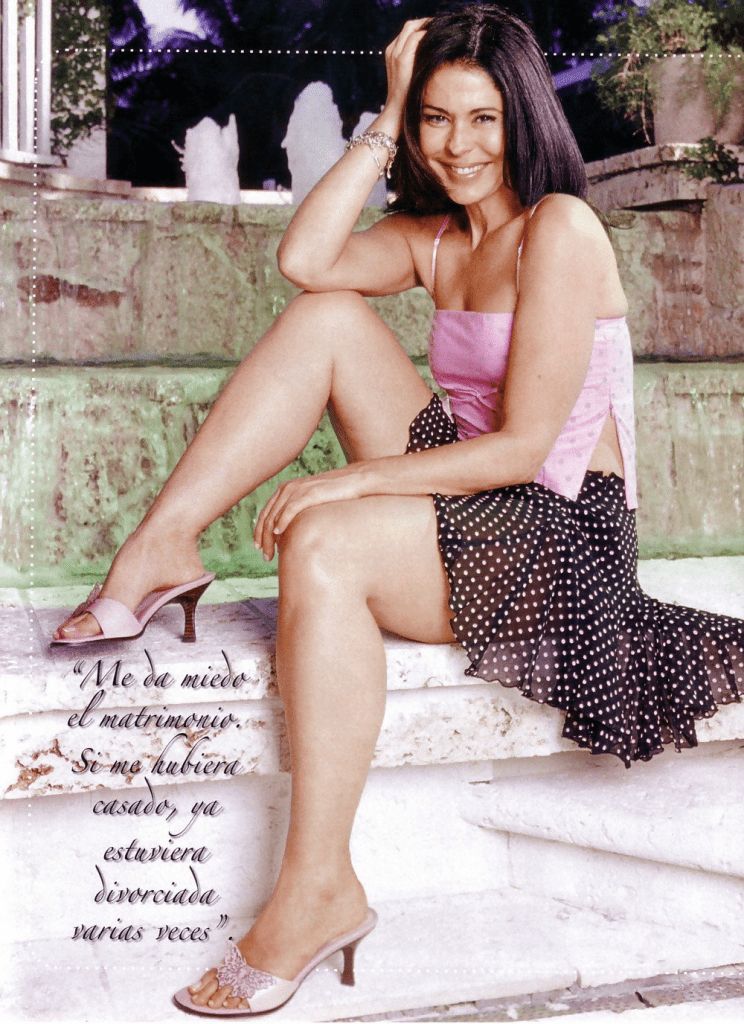
But controversy never scared her. She used her voice to defend human rights, to challenge corruption, and to inspire others to speak up. In an industry where silence is often safer, María chose authenticity over approval every time.
Her activism also extends to animal welfare and humanitarian causes. Through concerts, campaigns, and public appearances, she’s shown that fame means little without purpose.
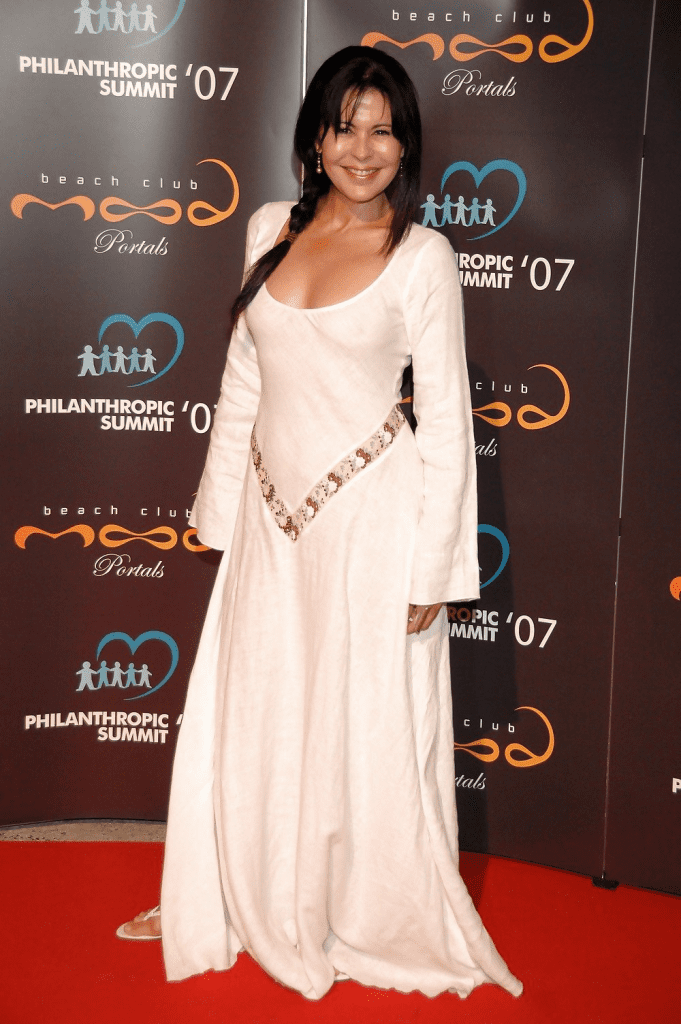
A Legacy That Still Dances to Its Own Rhythm
Even in her seventies, María Conchita Alonso’s energy could light up an arena. In 2025, she continues to tour, record, and perform — blending her classic hits with fresh rhythms. Her new tropical album, produced by Latin Grammy winner Fabián Rincón, revives her timeless voice with a modern twist.
Recently, she shared her personal health journey — undergoing multiple surgeries to remove unsafe biopolymer fillers. Instead of hiding, she turned her experience into a warning for women everywhere, proving once again that transparency is her trademark.
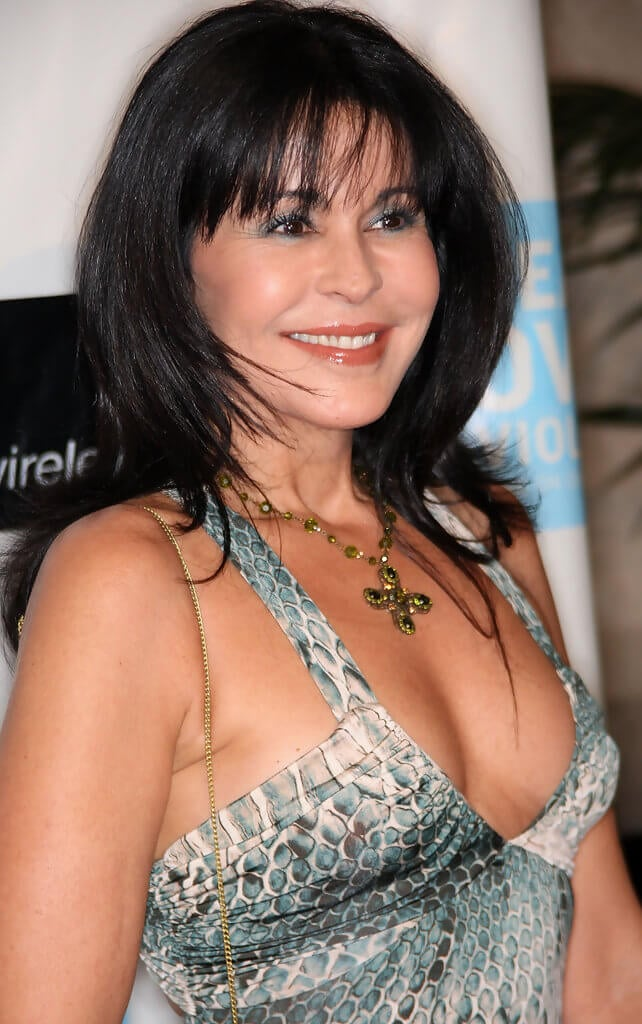
From performing sold-out shows in Mexico to appearing on stage in her solo cabaret Sin Vergüenza, she remains as magnetic as ever — living proof that passion has no expiration date.
María Conchita Alonso’s Everlasting Flame
From her Cuban childhood to her Venezuelan rise, from beauty queen crowns to Grammy stages, María Conchita Alonso has lived a life that reads like a song — bold verses, unexpected bridges, and a chorus of resilience. She’s a woman who never let politics, age, or fear dim her light.
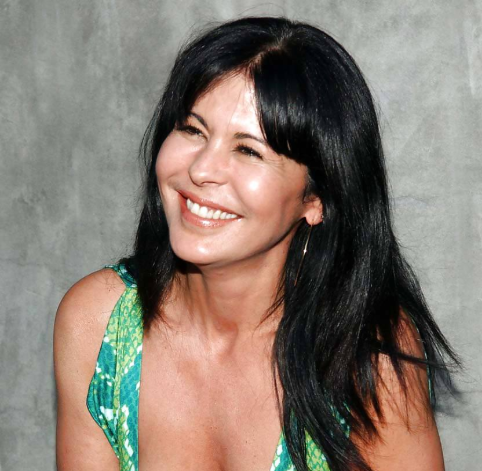
At 70, she stands not as a symbol of nostalgia, but as a reminder of what true artistry looks like: fearless, evolving, and fiercely alive.
Because María Conchita Alonso isn’t just a performer — she’s a movement. And her rhythm? It’s still echoing across generations.