Soledad Miranda: The Enigmatic Spanish Actress Whose Cult Legacy Still Captivates the World
Have you ever discovered an actress who feels untouchable by time, as if she exists somewhere between memory and myth? Soledad Miranda is one of those rare figures. Decades after her untimely death, her beauty, talent, and screen presence continue to intrigue film lovers across generations. Her story is short, intense, and unforgettable—much like a powerful art-house film that ends too soon but never truly leaves you.
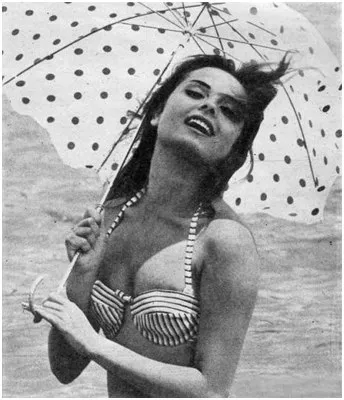
This is the story of a woman who rose from humble beginnings to become a cult icon, leaving behind a legacy far greater than the years she lived.
Early Life in Seville: Where Passion Was Born
Soledad Miranda was born Soledad Rendón Bueno on July 9, 1943, in Seville, Spain. Growing up in post-war Andalusia wasn’t easy, especially as the eldest of six children in a financially struggling family. Responsibility came early, but so did talent.
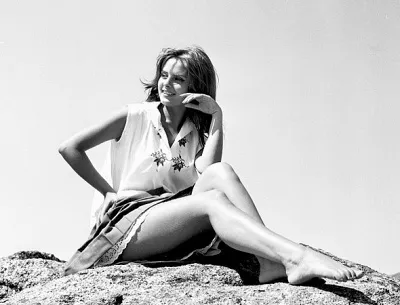
Her roots were deeply artistic. With Portuguese ancestry and Roma heritage, and as the niece of celebrated flamenco performer Paquita Rico, Soledad was surrounded by music and performance from an early age. By just eight years old, she was already appearing on stage as a flamenco dancer and singer, performing at local fairs and touring southern Spain to help support her family.
Those early performances shaped her discipline and presence. Even then, the stage didn’t intimidate her—it felt like home.
A Brave Leap to Madrid and the Birth of “Miranda”
At sixteen, Soledad made a fearless decision. She left Seville for Madrid, determined to become an actress. The city tested her resolve. Auditions led to rejections, and progress came slowly. But quitting was never part of her character.
During this period, she adopted the stage name Soledad Miranda, chosen playfully by drawing names from a hat. What began as a lighthearted choice would soon become a name etched into cult cinema history.
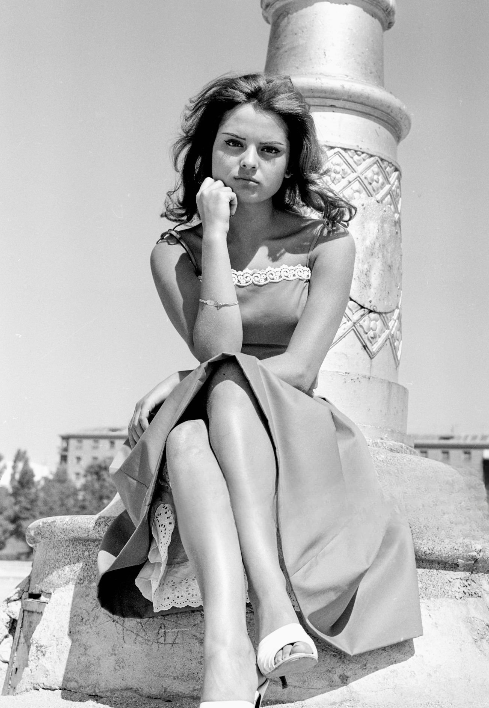
Her film debut arrived in 1960 with La bella Mimí, where she appeared as a dancer in a musical setting. It wasn’t a breakthrough role, but it opened the door to a steady stream of opportunities.
A Versatile Actress Across Genres and Borders
Throughout the 1960s, Soledad Miranda worked relentlessly, appearing in more than 30 films. What set her apart was her versatility. She refused to be confined to a single image or genre.
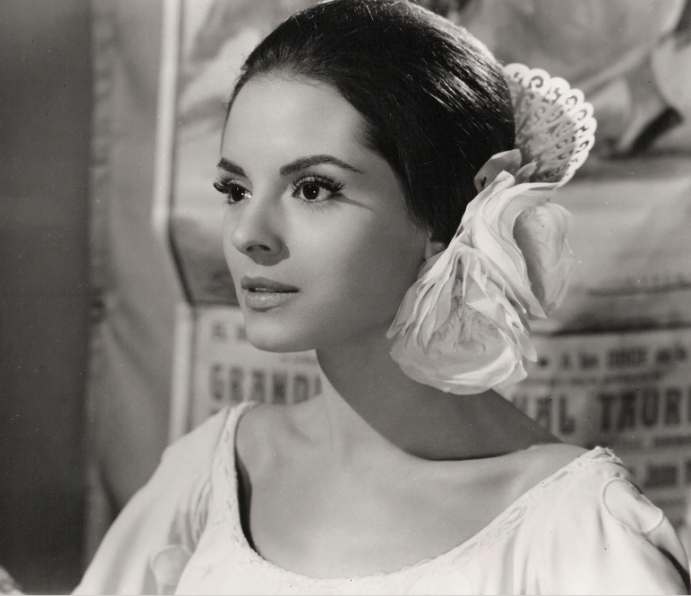
She moved comfortably through romantic comedies like La familia y uno más, dramatic films such as Currito de la Cruz, historical adventures including Ursus and Cervantes, and spaghetti westerns like Sugar Colt. She explored horror in Sound of Horror and appeared in international productions such as 100 Rifles alongside Burt Reynolds and Raquel Welch.
Alongside acting, she released pop singles in Spain, merging her musical roots with her rising screen presence. She wasn’t chasing fame—she was building a craft.
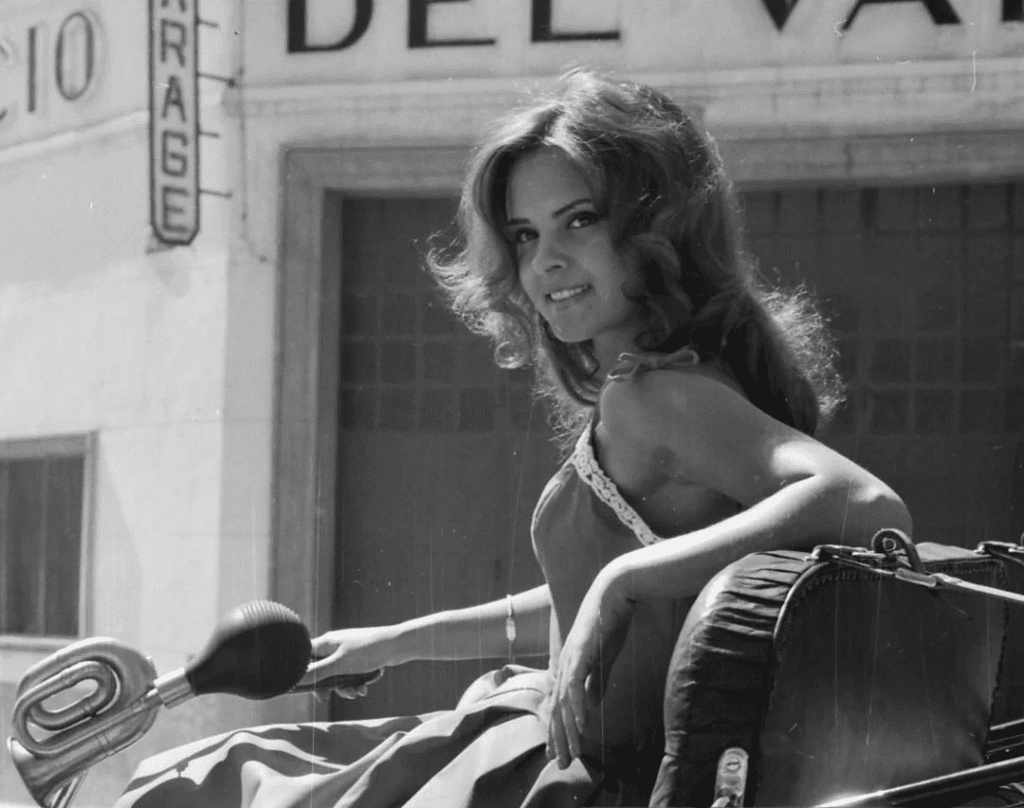
Love, Motherhood, and a Deliberate Pause
In the midst of a demanding career, Soledad found stability in her personal life. While filming in Portugal, she met race car driver José Manuel Simões. Their romance was fast and genuine, leading to marriage in the mid-1960s.
In 1967, she gave birth to their son, Antonio. Motherhood changed her priorities, and she stepped away from acting for nearly two years. Living between Spain and Portugal, she focused on family life while her husband transitioned into the automotive industry after retiring from racing.
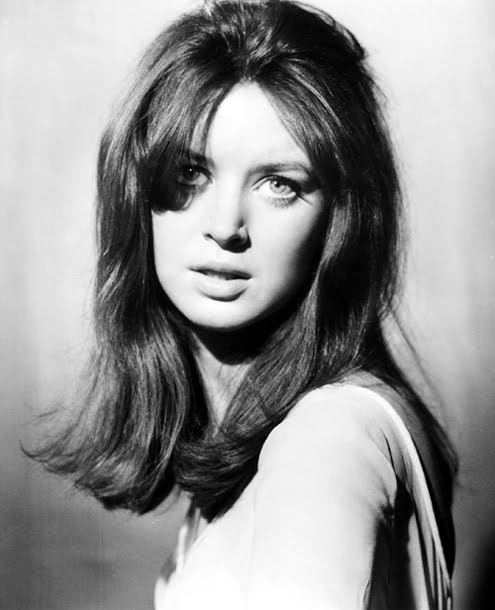
This pause wasn’t an escape from ambition. It was a conscious choice—one that showed her grounded nature and emotional depth.
Jess Franco and the Rise of a Cult Icon
Soledad Miranda returned to acting in 1969, and her career took a dramatic turn when director Jess Franco cast her in Count Dracula alongside Christopher Lee and Klaus Kinski. That collaboration would define her legacy.
In just one year, she appeared in seven Franco films, sometimes using the pseudonym Susann Korda. Films like Eugenie de Sade, Nightmares Come at Night, The Devil Came from Akasava, and She Killed in Ecstasy revealed a new dimension of her talent.
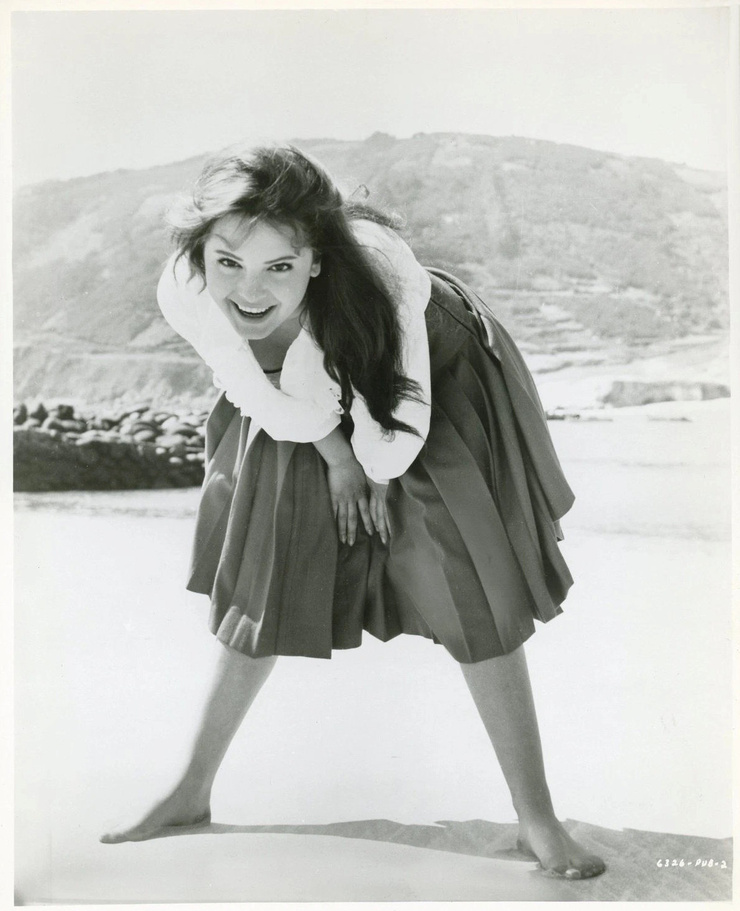
Her most iconic role came in Vampyros Lesbos, where she portrayed Countess Nadine Carody. The film’s dreamlike atmosphere, surreal visuals, and hypnotic tone revolved around her presence. She didn’t dominate the screen by force—she drew viewers in effortlessly.
At this moment, international stardom was within reach. A major German film contract awaited her signature.
A Tragic Accident That Changed Everything
On August 18, 1970, tragedy struck. While traveling on a Lisbon highway to sign that contract, Soledad and her husband were involved in a devastating car accident with a truck. He survived with minor injuries. She did not.
Soledad Miranda passed away at the age of 27.
The loss stunned the film world. Jess Franco abandoned their next planned project entirely. Political tensions between Spain and Portugal at the time complicated matters, and she was laid to rest in Lisbon instead of her hometown.
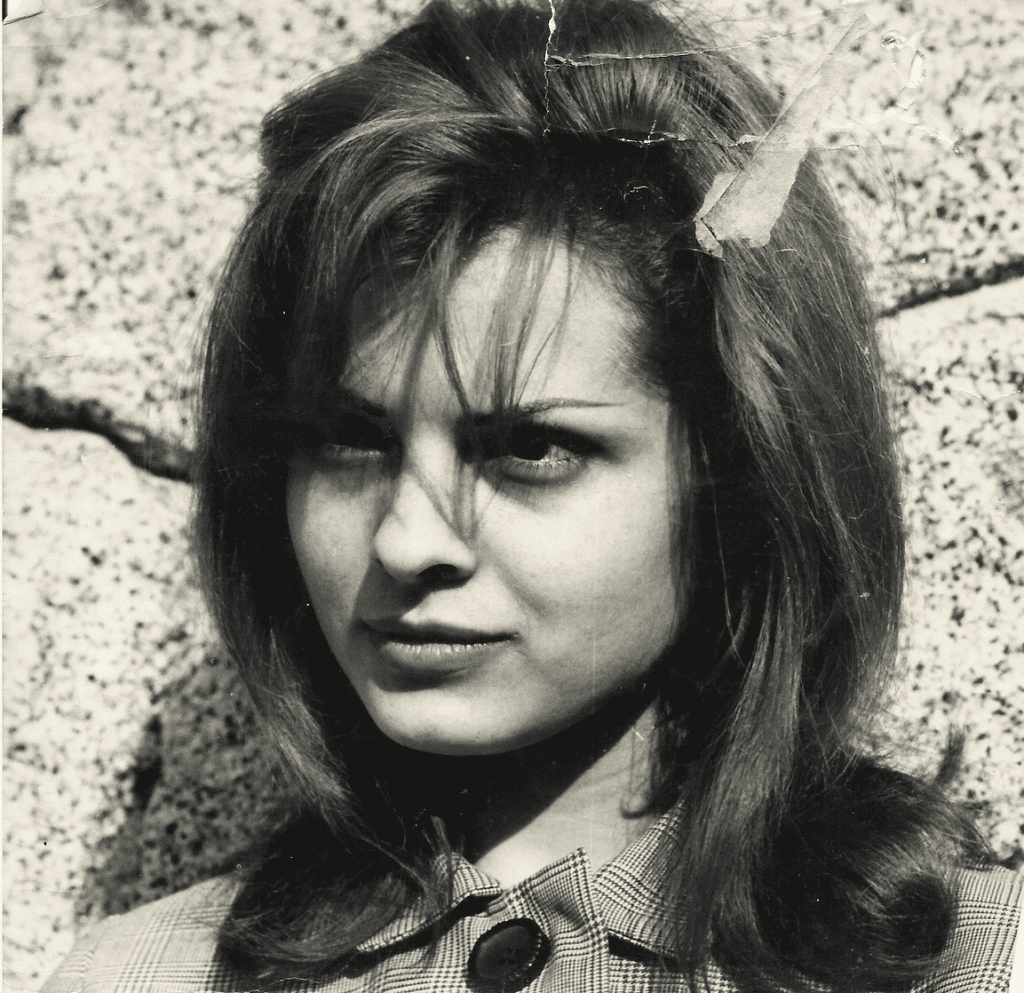
Her future disappeared in a single moment.
Rediscovery and a Legacy That Refused to Fade
For years, her name slipped into obscurity. Then, in the 1980s and 1990s, home video and cult cinema revivals brought Jess Franco’s films back into circulation. With them came a renewed appreciation for Soledad Miranda.
Today, she is recognized as a defining figure in European cult and genre cinema. Her films are screened at retrospectives, analyzed by critics, and celebrated by fans worldwide. Streets in Seville bear her name. Online communities continue to discuss her performances with fascination.
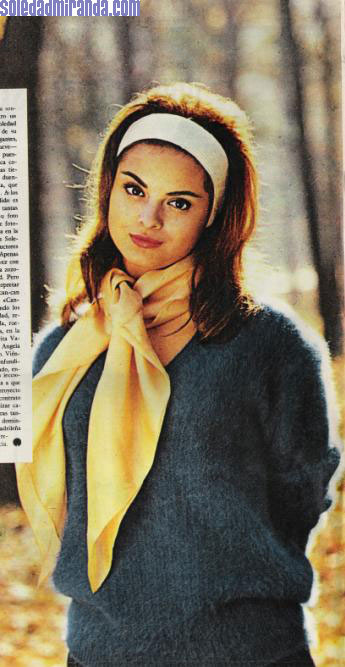
She is often compared to cultural figures whose careers ended too soon—artists remembered not just for what they did, but for what they might have become.
Conclusion: Why Soledad Miranda Still Matters
Soledad Miranda’s life reminds us how fragile success can be—and how powerful genuine presence truly is. From a flamenco prodigy in Seville to a cult cinema icon whose work continues to resonate, she left an impact far greater than her years.
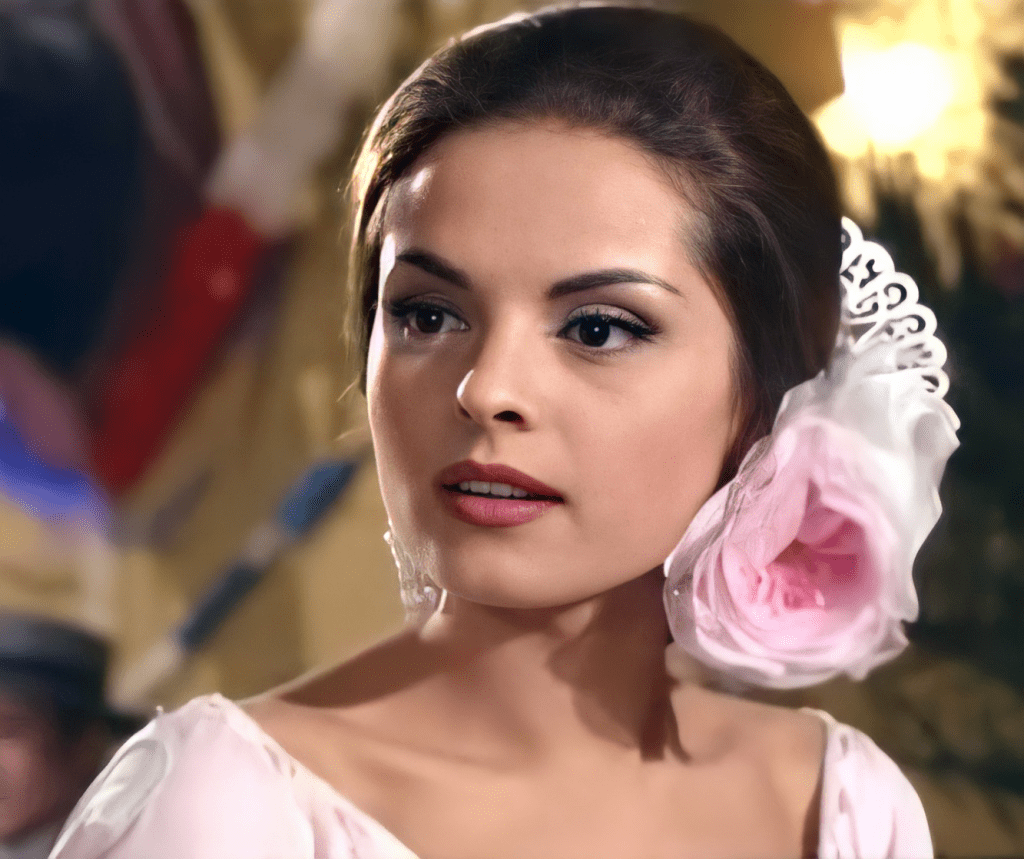
Her legacy lives in atmosphere, emotion, and memory. It lives in the unanswered questions and the timeless pull of her performances.
Some stars fade with time. Others linger like echoes.
Soledad Miranda was never meant to be forgotten.