Haji: The Untamed Spirit Who Redefined Strength in Cult Cinema
Some stars chase fame. Others ignite it. Haji belonged to the second kind. She didn’t arrive in Hollywood asking for permission, and she didn’t stay long enough to be softened by it. Instead, she carved out a legacy built on raw confidence, fearless choices, and performances that still feel electric decades later. If cult cinema has a heartbeat, hers is pounding right at the center.
Let’s rewind the reel and step into the remarkable life and career of Haji.
Early Life: A Rebel Born Far from the Spotlight
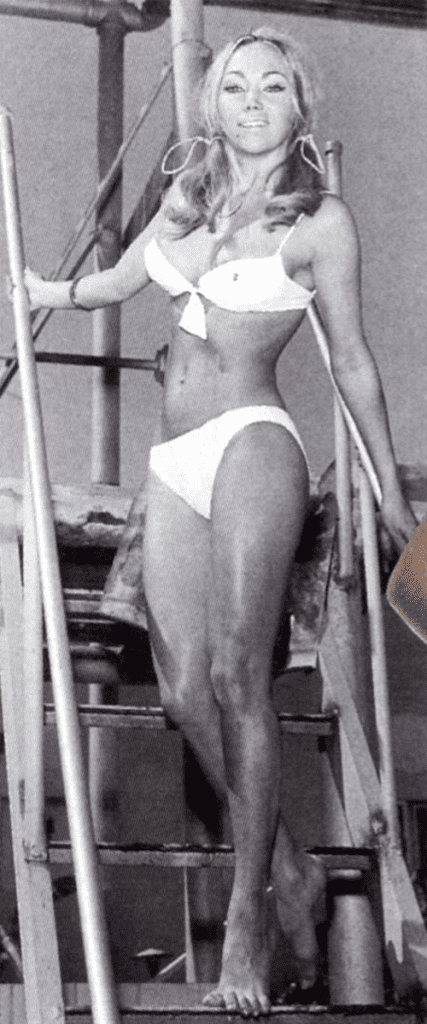
Haji was born Barbarella Catton on January 24, 1946, in Quebec City, Canada. Her background alone hinted at a life that wouldn’t fit neatly into boxes. With a Filipino father and a British-Irish mother, she grew up surrounded by different cultures, perspectives, and stories. That blend shaped her identity early on.
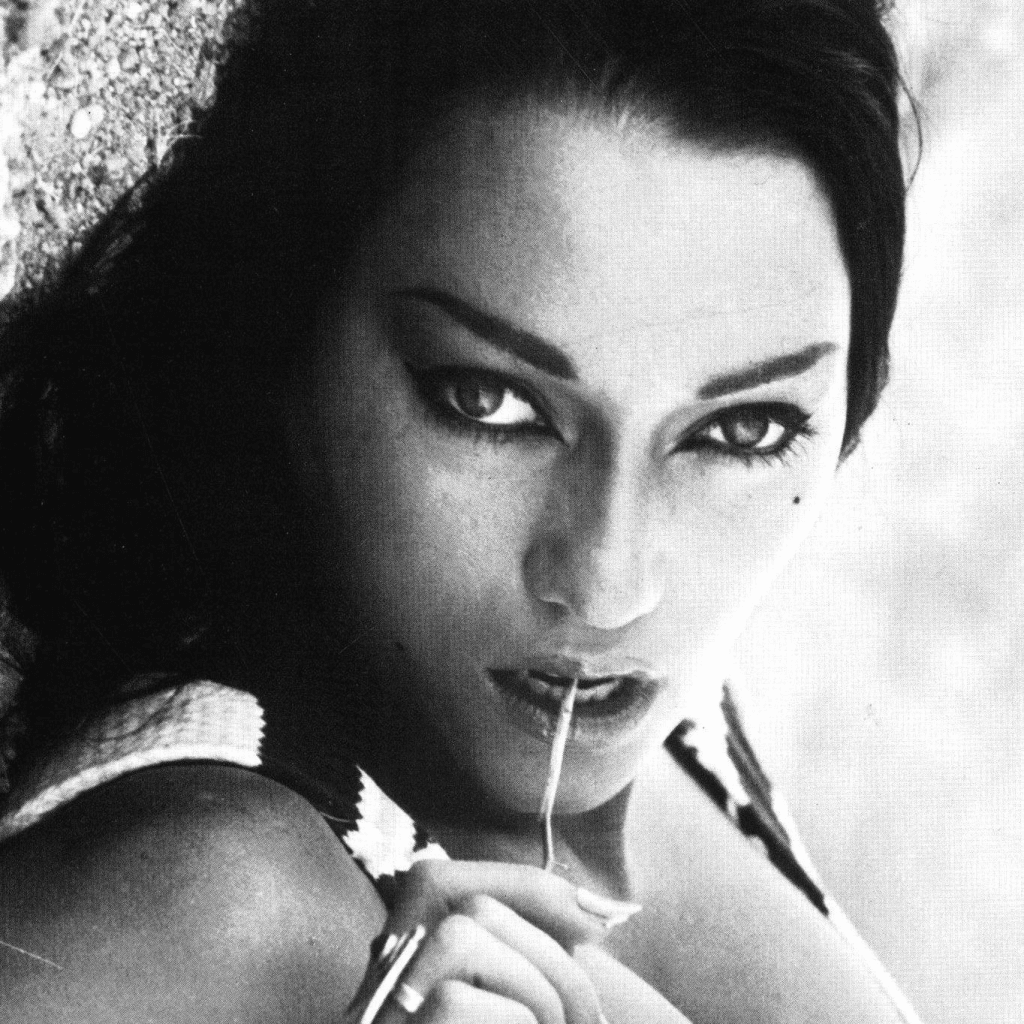
School never felt like home to her. Structure felt confining, and by the age of fourteen, she made a bold decision that would define her life: she left school and chose independence. While most teenagers were figuring out homework and weekends, she was already learning how to survive on her own terms. That early leap into adulthood forged the toughness and self-reliance that later defined her screen presence.
Finding Her Power Through Dance
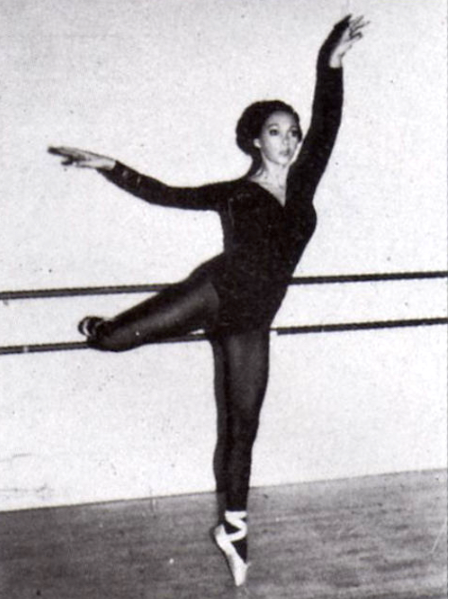
Before cameras found her, Haji found herself through dance. She worked as an exotic dancer in clubs across Canada and later in California. These weren’t glamorous stages, but they were places where she learned control, confidence, and how to command attention without apology.
Dance became her armor. It taught her how to own space, how to meet an audience’s gaze without flinching, and how to turn vulnerability into strength. Those lessons followed her everywhere, especially when fate nudged her toward film. What looked like rebellion from the outside was actually preparation.
The Moment That Changed Everything
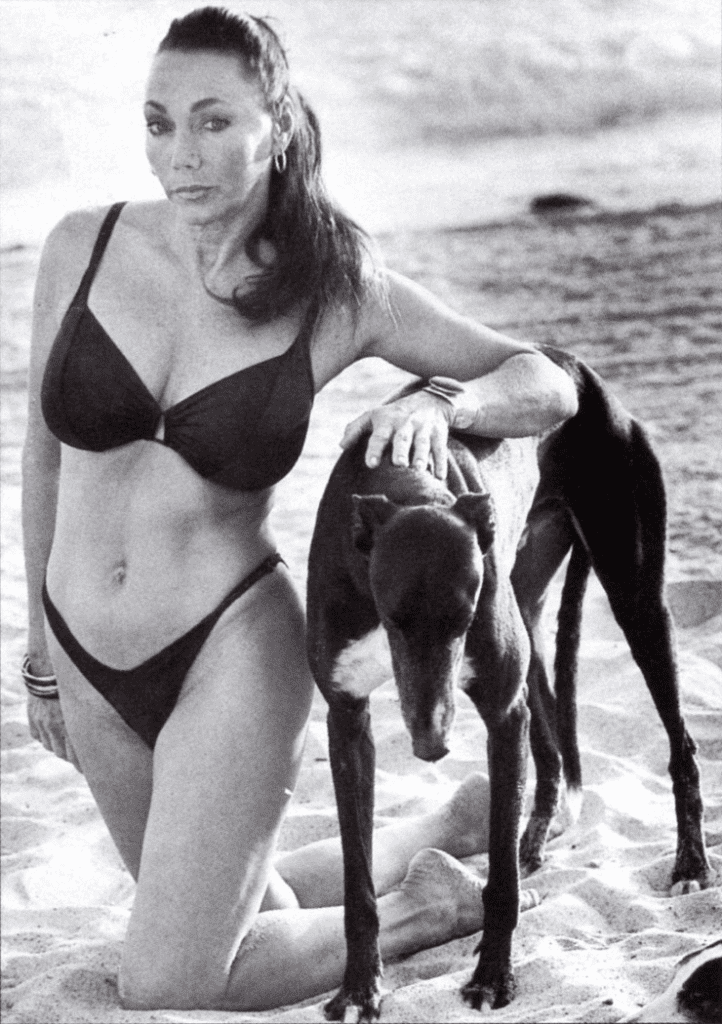
Sometimes a life changes in a single glance. For Haji, that moment came when filmmaker Russ Meyer noticed her while she was dancing in Los Angeles. He wasn’t looking for polish. He was looking for presence. And she had it in abundance.
Her film debut came in Motorpsycho! (1965), where she played Ruby Bonner. The role wasn’t large, but it was intense. She didn’t blend into the background. She stood out immediately, bringing grit and authenticity that felt real rather than rehearsed. That performance opened the door to a series of roles that would cement her place in cult film history.
Breaking Rules and Making History on Screen
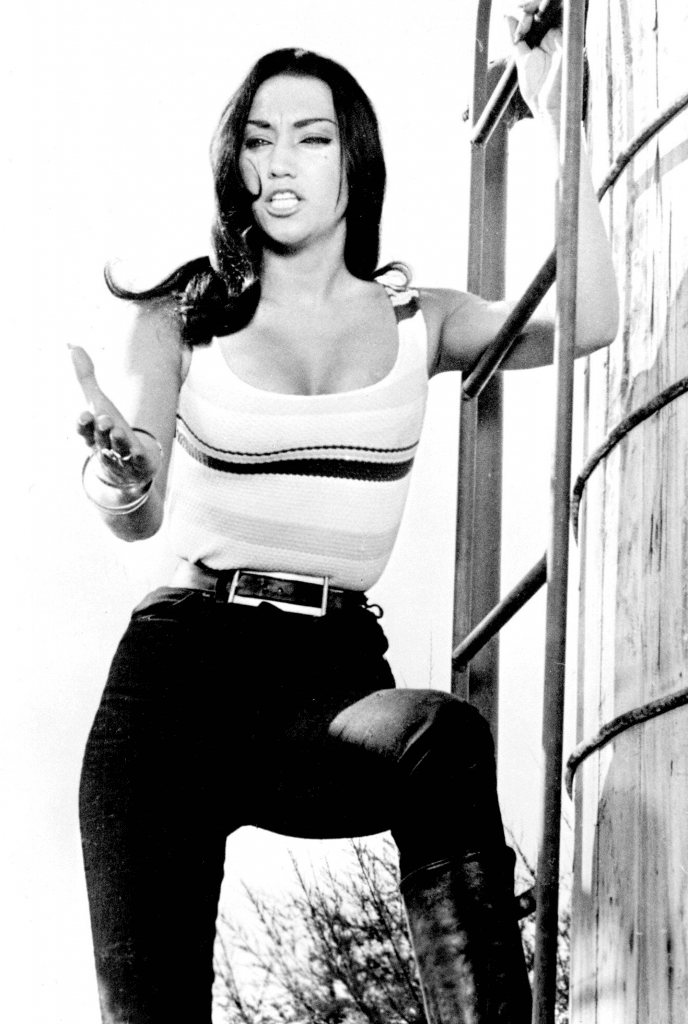
Haji’s most iconic role arrived later that same year in Faster, Pussycat! Kill! Kill! (1965). As Rosie, she wasn’t a side character or a decorative presence. She was dangerous, sharp-tongued, and unapologetically bold. The film flipped traditional gender roles on their head, presenting women as powerful, aggressive, and in control.
At the time, critics didn’t know what to do with it. Audiences weren’t ready either. But time has a funny way of revealing truth. The film eventually became a cult classic, celebrated for its audacity and its ahead-of-its-time portrayal of female strength. Haji’s performance played a huge part in that legacy.
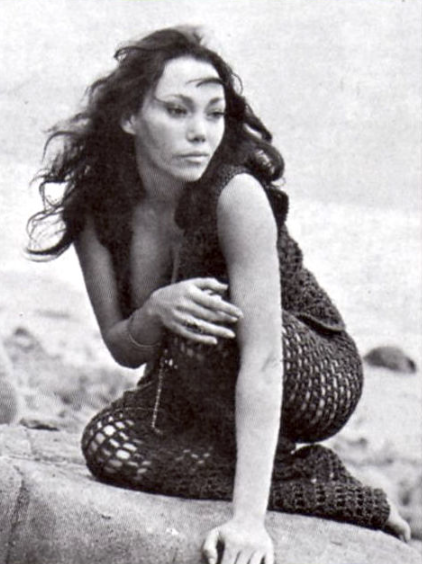
She continued working with Meyer on several films, including Good Morning… and Goodbye! and Supervixens. Each role reinforced her image as a woman who didn’t exist to be rescued or tamed. She wasn’t playing fantasies; she was playing forces of nature.
Beyond One Director: Expanding Her Range
Although she is closely associated with Meyer’s films, Haji didn’t limit herself to one creative world. She appeared in Beyond the Valley of the Dolls (1970), a wild, satirical look at fame and excess, and later worked with respected filmmaker John Cassavetes in The Killing of a Chinese Bookie (1976).
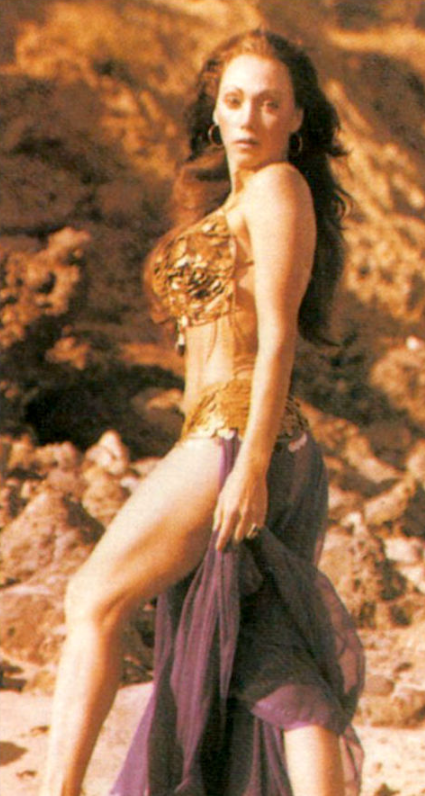
These projects showed another side of her talent. She could be intense, yes, but also subtle and emotionally grounded. Her presence added texture to every scene, even when her screen time was limited. She didn’t need long monologues to make an impact. One look was often enough.
Life Beyond Acting: Choosing Control Over Spotlight
By the late 1970s, Haji began stepping away from regular acting work. Hollywood had given her recognition, but it also tried to define her too narrowly. Rather than fight to stay visible, she chose something more radical: freedom.
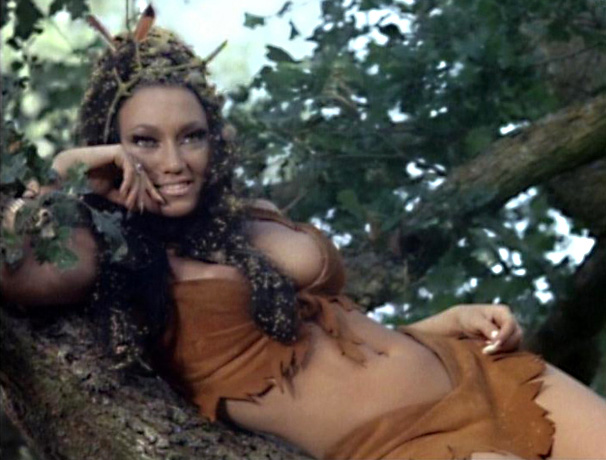
She worked behind the scenes in creative roles such as makeup and wardrobe, and she focused on raising her daughter, Cerlette. Haji never chased the traditional milestones of fame. She valued independence over approval and privacy over publicity. In an industry that often punishes women for aging or changing, she simply walked away.
Later Years and a Quiet Return to Legacy
In the 2000s, Haji made a few brief appearances in independent projects, often alongside fellow cult film veterans. These roles weren’t about comeback headlines. They were about connection—reconnecting with fans, collaborators, and a legacy that refused to fade.
She also embraced her cult status with humor and honesty, attending screenings and speaking openly about her experiences. She didn’t romanticize the past, but she didn’t regret it either. She understood her place in film history and owned it with confidence.
A Farewell That Didn’t End the Story
Haji passed away on August 9, 2013, at the age of 67, following health complications. The news hit fans hard, but her influence didn’t disappear. In fact, it seemed to grow stronger.
Her films continue to be screened at festivals, discussed in documentaries, and rediscovered by new generations. In an era hungry for authentic, fearless female characters, her work feels more relevant than ever.
Why Haji Still Matters
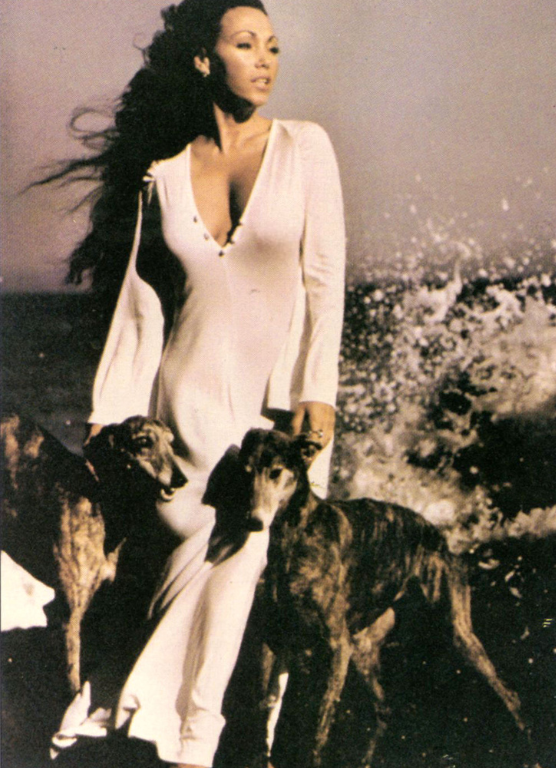
Haji mattered because she refused to shrink. She entered cinema at a time when women were often written as accessories, and she helped flip that script. Her characters were loud, dangerous, funny, and powerful. She didn’t ask audiences to like her—she dared them to keep up.
Her legacy lives on not just in cult films, but in the spirit of every performer who chooses authenticity over acceptance.
Conclusion: A Legacy That Refuses to Be Tamed
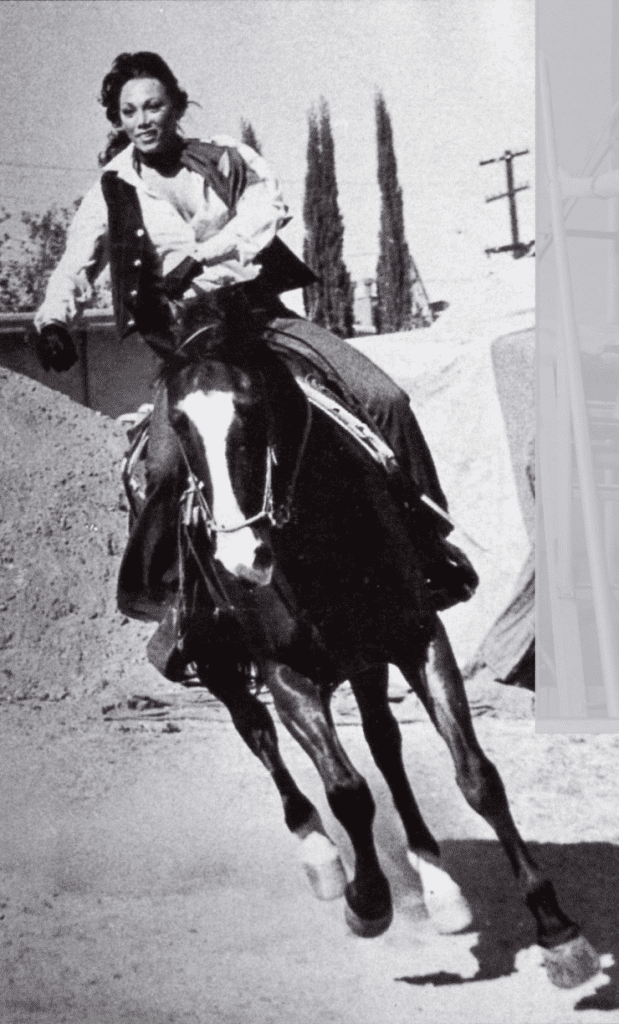
Haji’s life was not a straight line. It was a series of bold turns, sharp edges, and fearless choices. From a rebellious teenager in Canada to a defining face of cult cinema, she lived exactly as she performed—unfiltered and unapologetic.
She didn’t need longevity to create impact. She didn’t need approval to claim power. And she didn’t need the spotlight to remain unforgettable. Haji didn’t just appear on screen. She burned herself into film history—and the fire still hasn’t gone out.