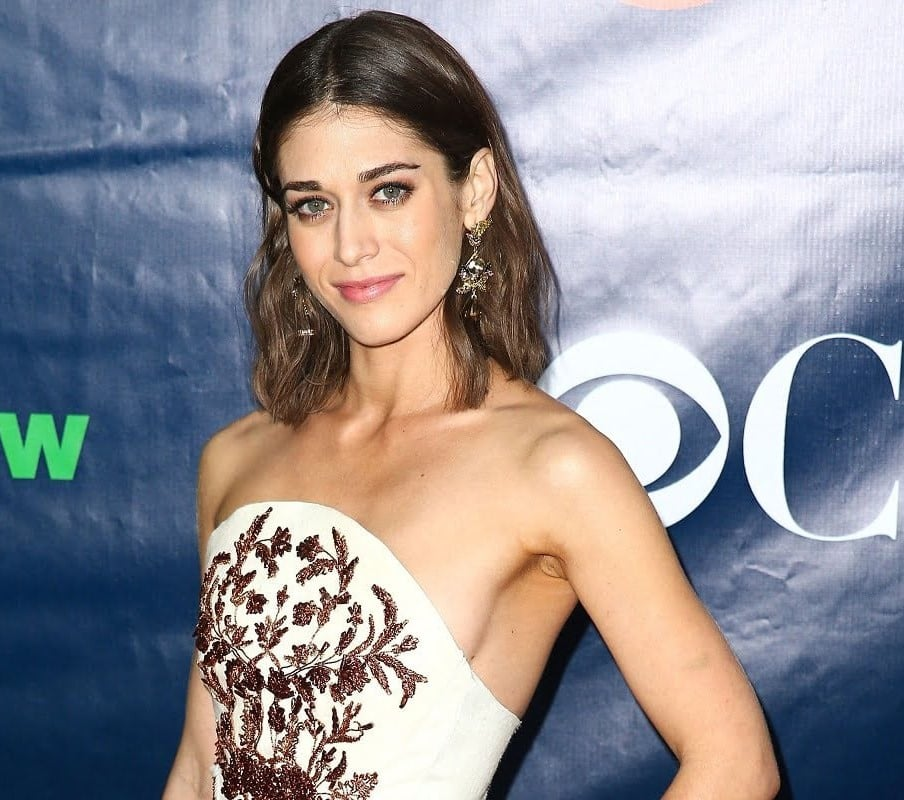
Lizzy Caplan: The Sharp-Witted Powerhouse Redefining Modern Acting
Have you ever watched an actor deliver a line so dry, so precisely timed, that you laugh out loud—and then immediately feel like the joke somehow saw straight through you? That’s the signature effect of Lizzy Caplan. For more than twenty years, she has quietly built one of the most fascinating careers in film and television, mastering the rare balance between biting comedy and emotional depth. She doesn’t beg for attention. She earns it, scene by scene.

Early Life and the Roots of a Serious Performer
Elizabeth Anne Caplan was born on June 30, 1982, in Los Angeles, California, and raised in the San Fernando Valley in a Jewish family that valued education and independence. Her childhood looked ordinary on the surface, but one thing set her apart early: she gravitated toward performance with unusual focus.
While many teens chased popularity or quick fame, Lizzy Caplan leaned into training. She attended Alexander Hamilton High School and joined its respected acting conservatory, a place known for producing disciplined performers rather than overnight stars. From the beginning, she treated acting less like a dream and more like a craft—something you sharpen through patience, failure, and repetition.
A Breakthrough Role That Could Have Defined Her—But Didn’t
In 2004, Lizzy Caplan appeared as Janis Ian in Mean Girls. The film exploded into pop culture, and her performance quickly became iconic. Sharp-tongued, wounded, funny, and deeply human, Janis resonated with audiences in a way that outlived the movie itself.
But here’s where Lizzy made a defining choice. Instead of riding that momentum into a string of similar roles, she stepped sideways. She avoided being boxed into a single type and chose smaller, riskier projects that allowed her to grow. That decision may have slowed her rise, but it protected her longevity.
Comedy as Precision, Not Noise
Following Mean Girls, Lizzy Caplan refined her comedic instincts on television. Shows like The Class and especially Party Down revealed her mastery of deadpan humor. Her characters weren’t loud or exaggerated. They were uncomfortable, neurotic, and painfully honest—like people you actually know.
Comedy, in her hands, worked like a scalpel rather than a hammer. She knew exactly when to pause, when to underplay, and when silence said more than dialogue. Critics noticed. Slowly, she became known as an actor’s actor—someone writers loved because she elevated the material.
The Shift to Prestige Drama and Career Reinvention
In 2013, Lizzy Caplan took a major leap with Masters of Sex, portraying Virginia Johnson opposite Michael Sheen. The role demanded intelligence, emotional vulnerability, restraint, and courage. She delivered all of it.

For four seasons, she transformed a real historical figure into a living, breathing woman—ambitious, conflicted, loving, and flawed. The performance earned widespread acclaim and award recognition. More importantly, it permanently shifted how the industry viewed her. She was no longer just sharp and funny. She was formidable.
Complex Characters That Refuse to Be Simplified
After Masters of Sex, Lizzy Caplan leaned even harder into complexity. She portrayed chilling control as Annie Wilkes in Castle Rock, revealing menace without caricature. In Fleishman Is in Trouble, she played Libby, a woman unraveling under emotional weight, ambition, and self-doubt.
These roles shared a common thread. They were never neat. Lizzy Caplan excels at portraying women who contradict themselves—strong yet insecure, biting yet tender. She doesn’t soften their edges to make them palatable. She lets them exist as they are.
Film Roles That Value Substance Over Scale
Although television expanded her range, Lizzy Caplan never abandoned film. Instead, she chose carefully. From Cloverfield to Hot Tub Time Machine, her performances brought grounding intelligence even to genre projects. In quieter films, she leaned into introspection rather than spectacle.
Her approach stayed consistent. She prioritized scripts that intrigued her, characters that challenged her, and stories that trusted the audience. That selectivity earned her respect even when the projects themselves flew under the radar.
Private Life, Public Balance, and Staying Grounded
In an industry fueled by exposure, Lizzy Caplan has remained remarkably private. Her relationships rarely dominate headlines, and her marriage to actor Tom Riley reflects that same restraint. She speaks openly about valuing balance—between work, love, and personal space.
That grounded perspective likely explains her durability. She doesn’t appear rushed or reactive. She builds a life alongside her career, not beneath it.

Where Lizzy Caplan Stands Today
As of 2026, Lizzy Caplan occupies a rare position. She’s respected, selective, and still surprising audiences. Her recent and upcoming projects suggest continued evolution rather than repetition. At an age when many actresses face narrowing opportunities, her range feels wider than ever.
She plays women who are intelligent, flawed, funny, sexual, and complicated—without apology. In doing so, she quietly pushes the industry forward.
Why Lizzy Caplan Still Feels Like a Discovery
The most remarkable thing about Lizzy Caplan is that, after two decades, she still feels newly discovered. She never chased shortcuts. She never diluted her instincts. She let the work speak.
In a business obsessed with speed, she chose precision. In a culture addicted to attention, she chose substance. And because of that, when her name appears on a project, it means something.
That’s not hype. That’s legacy in the making.