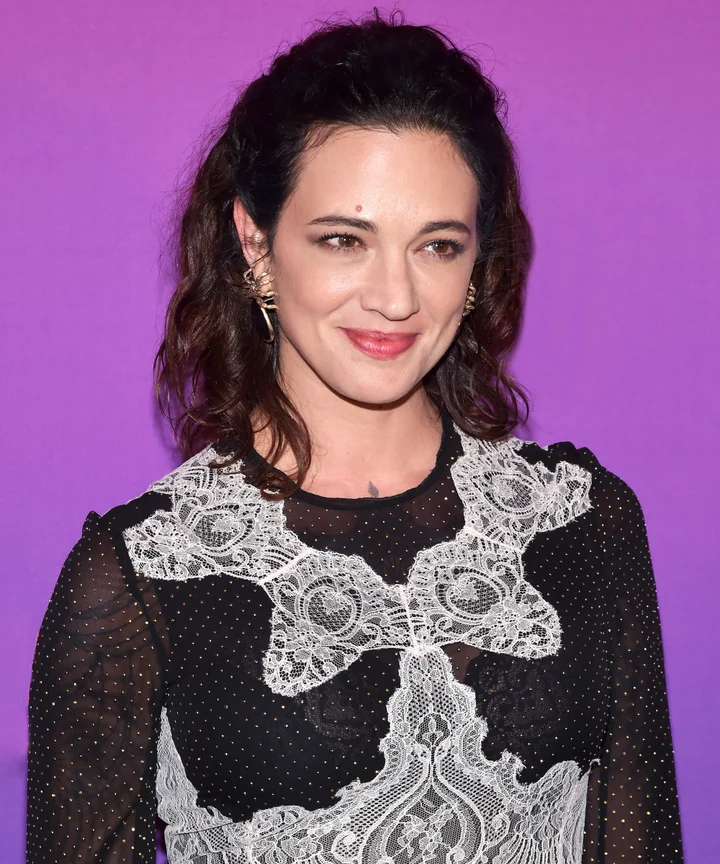
Asia Argento: The Uncompromising Maverick Who Refused to Be Silenced by Cinema or Controversy
Have you ever encountered someone who moves through life as if daring the world to challenge them? That restless, defiant energy defines Asia Argento. Actress, director, writer, and provocateur, she has spent her entire career refusing to fit neatly into anyone else’s expectations. Loved, criticized, admired, and questioned—often all at once—she remains one of the most talked-about figures to emerge from European cinema.
Born Into Film, Raised Without Illusions
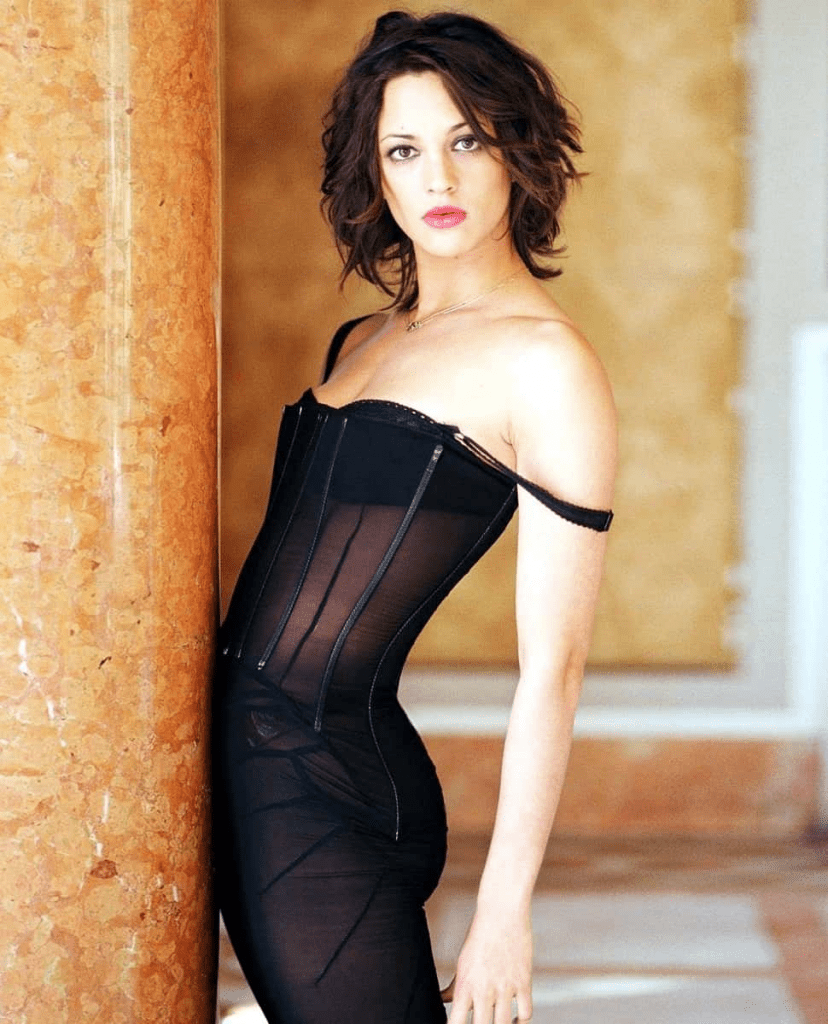
Asia Argento was born on September 20, 1975, in Rome, Italy, into a family already etched into film history. Her father, Dario Argento, helped define modern horror cinema. Her mother, Daria Nicolodi, was an accomplished actress and creative collaborator. Film sets were not special occasions in her childhood—they were home.
Yet growing up around cinema didn’t soften her. It sharpened her. From a young age, Asia understood that being surrounded by legends meant living under constant comparison. Instead of shrinking from it, she leaned into difference. She didn’t want to imitate her parents’ legacy. She wanted to fracture it and rebuild something of her own.
Early Roles and a Reputation for Fearlessness
Asia appeared on screen as a child, but her early adult roles announced her real arrival. In the 1990s, she became synonymous with bold European cinema that rejected comfort and demanded attention. Her performances carried intensity, vulnerability, and an edge that felt dangerous in the best way.
Films like The Stendhal Syndrome and New Rose Hotel showcased her willingness to explore psychological extremes. She wasn’t interested in likability. She chased truth, even when it unsettled audiences. That refusal to soften her presence quickly became her calling card.
Crossing Borders and Defying Categories
By the early 2000s, Asia Argento crossed into American films without losing her identity. Appearances in mainstream projects such as xXx introduced her to wider audiences, while art-house collaborations like Marie Antoinette proved she could move between cinematic worlds without compromise.
No matter the genre, her performances shared a common thread. She didn’t disappear into roles. She confronted them. Watching her felt less like passive entertainment and more like an exchange of energy between actor and audience.
Stepping Behind the Camera to Reclaim Control
Directing became Asia Argento’s most radical act. With Scarlet Diva, her debut feature, she wrote, directed, and starred in a deeply personal story that blurred lines between fiction and lived experience. The film was raw, confrontational, and unapologetically autobiographical.
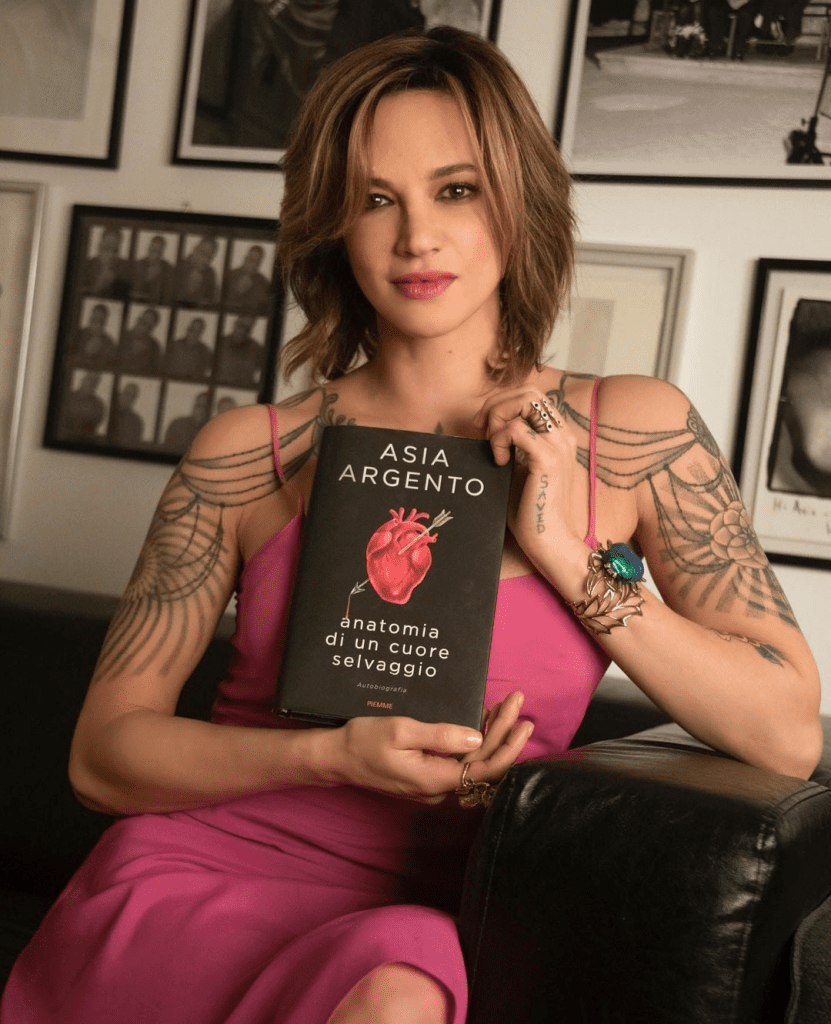
She followed with The Heart Is Deceitful Above All Things, an adaptation that further cemented her reputation as a filmmaker unafraid of discomfort. These projects weren’t designed to please critics or studios. They existed because she needed to tell those stories herself.
Speaking Out and the Cost of Being Loud
In 2017, Asia Argento became one of the most prominent European voices associated with the global reckoning around abuse in the entertainment industry. Her public statements sparked conversation, support, and scrutiny on an international scale.
What followed was a complicated and deeply polarizing chapter. Allegations, denials, legal disputes, and media backlash collided, reshaping public perception almost overnight. Some supporters stepped away. Others doubled down. The industry hesitated. Asia did not retreat.
Rather than disappearing, she continued working, speaking, and creating—often in smaller, independent spaces where control and authenticity mattered more than approval.
Personal Life, Loss, and Staying Present
Asia Argento’s personal life has never been separate from her public identity, yet she remains fiercely protective of her children. Motherhood, she has said, anchors her when the noise becomes overwhelming.
Her relationship with Anthony Bourdain placed her briefly at the center of global attention beyond film. His death in 2018 marked a devastating loss, one she has spoken about openly, acknowledging grief without dressing it up in easy answers. That honesty, even when uncomfortable, mirrors her artistic approach.
Where She Stands Today
As of 2026, Asia Argento continues to work primarily within European independent cinema and Italian television. Her roles may be smaller, but they remain memorable. She writes, directs occasionally, and stays vocal about social and political issues that matter to her.
She exists outside the traditional comeback narrative. There’s no rebranding, no polished reinvention. Instead, there is continuity—an artist still moving forward on her own terms.

Why Asia Argento Remains Impossible to Ignore
Asia Argento’s career does not follow a clean arc. It twists, fractures, and challenges the idea that art must be tidy to be meaningful. She has taken risks others avoided, spoken when silence felt safer, and kept creating even when applause disappeared.
Some see her as controversial. Others see her as courageous. Most agree on one thing: she is unforgettable.
In an industry that often demands conformity, Asia Argento chose friction. She chose honesty over comfort and expression over approval. Her story is unfinished, and perhaps that’s what makes it compelling. She is still here, still working, still refusing to fade quietly into the background.
And whether you admire her, argue with her, or simply can’t look away, her presence continues to leave a mark—raw, imperfect, and undeniably human.