Mary Steenburgen: The Timeless Hollywood Talent Who Keeps Getting Better With Age
Have you ever noticed how some actors don’t just survive Hollywood—they grow deeper, warmer, and more compelling with time? Mary Steenburgen is one of those rare talents. Her career isn’t a straight line; it’s a rich tapestry woven from chance encounters, hard-earned craft, fearless reinvention, and genuine joy. From a small Arkansas town to the biggest stages in film, television, and even music, her story feels less like a celebrity biography and more like a beautifully told American novel.

Let’s take a closer look at how Mary Steenburgen became one of the most respected and beloved figures in entertainment—and why, even today, she feels more relevant than ever.
From Small-Town Arkansas to Big Dreams
Mary Nell Steenburgen was born on February 8, 1953, in Newport, Arkansas. This wasn’t a place buzzing with red carpets or casting agents. It was quiet, grounded, and shaped by routine. Her father worked as a freight-train conductor, and her mother served as a school-board secretary. Life was modest, but it was filled with structure, creativity, and encouragement.

As a child, Mary gravitated toward performance almost instinctively. She tap-danced, joined school plays, and found confidence on stage long before she ever saw a film set. These early experiences weren’t about fame—they were about expression. And that distinction matters, because it shaped how she would later approach her craft.
After attending Hendrix College in Arkansas, a perceptive drama professor recognized her potential and urged her to think bigger. That push led her to New York City in the early 1970s, where she enrolled at the Neighborhood Playhouse School of the Theatre. By day, she studied acting. By night, she waited tables. It wasn’t glamorous, but it was formative.
A Breakthrough Written by Chance
Hollywood loves a good “overnight success” story, but Mary Steenburgen’s breakthrough feels almost cinematic in its randomness. While sitting in a casting office waiting room in New York, she caught the attention of Jack Nicholson. Yes, that Jack Nicholson.
Without a traditional audition, she landed the female lead in Goin’ South (1978), directed by and starring Nicholson himself. Imagine that—one moment you’re waiting your turn, the next you’re starring opposite a legend. But luck alone doesn’t sustain a career. What followed proved she belonged.

Her role in Time After Time (1979) showcased her warmth, intelligence, and emotional clarity. Critics took notice. Audiences did too. Mary wasn’t loud or flashy; she was natural, grounded, and magnetic in a way that felt effortless.
An Academy Award That Changed Everything
If one role can redefine a career, Melvin and Howard (1980) was that moment for Mary Steenburgen. Playing Lynda Dummar, the spirited and complex wife in Jonathan Demme’s offbeat drama, she delivered a performance full of heart and truth.
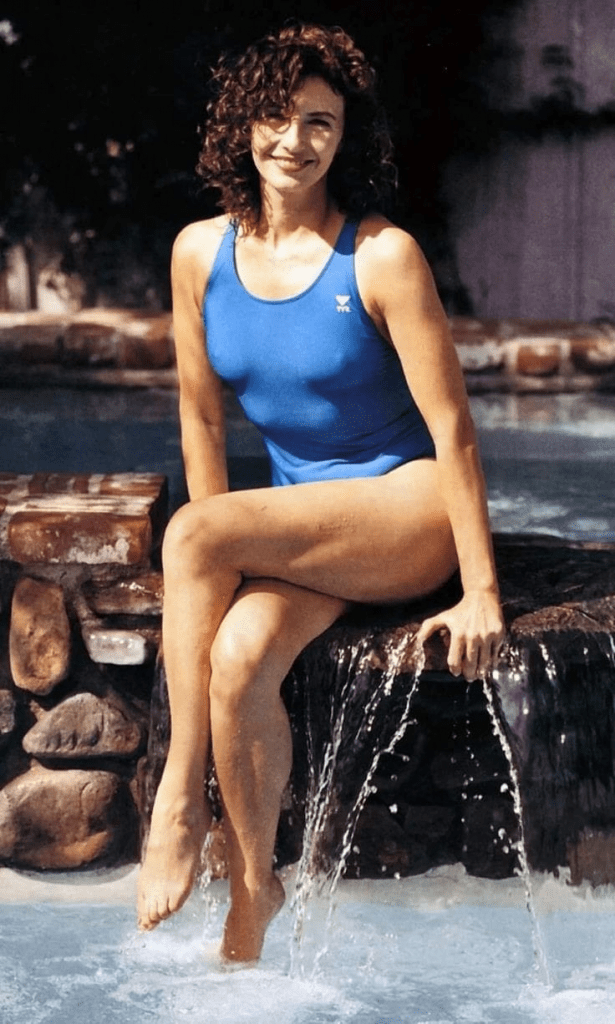
The result? An Academy Award for Best Supporting Actress and a Golden Globe. At just 27, she had reached a milestone many actors chase for a lifetime. But instead of being boxed into one type, she did the opposite—she diversified.
She moved seamlessly between genres, appearing in historical dramas like Ragtime, biographical films like Cross Creek, heartfelt comedies like Parenthood, and cultural touchstones such as Philadelphia. Later, she became a fan favorite for her warm humor in Elf, proving she could steal scenes without ever overpowering them.
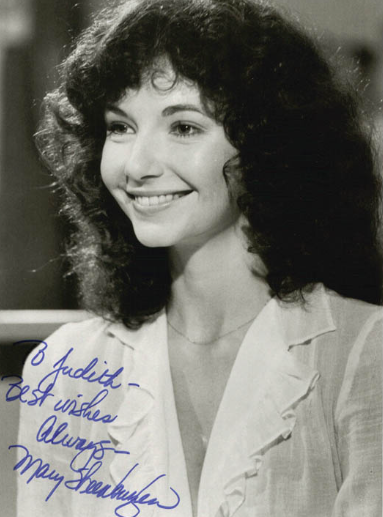
A Personal Life Rooted in Connection
Off-screen, Mary’s life has been shaped by deep relationships rather than tabloid drama. She married actor Malcolm McDowell in 1980, and together they had two children, Lilly and Charlie. Although the marriage ended in 1990, her focus on family never wavered.
Her love story with Ted Danson feels almost like a second-act romance written by fate. They first met in the 1980s but didn’t truly connect until working together years later. They married in 1995, and decades on, they remain one of Hollywood’s most enduring couples.
Their relationship works because it feels real—grounded in mutual respect, humor, and shared values. They collaborate, support each other’s causes, and openly celebrate life together. In an industry known for impermanence, that stability stands out.
A Surprising Creative Turn Into Music
Just when it seemed Mary Steenburgen had explored every corner of acting, she surprised everyone—including herself. After a minor medical procedure in 2007, she experienced an unexpected surge of musical creativity. Melodies and lyrics began flowing naturally, almost insistently.
Instead of ignoring it, she leaned in. She studied songwriting, collaborated with established musicians, and discovered another voice—this one expressed through music. Her song “Glasgow (No Place Like Home)” for the film Wild Rose earned critical acclaim, a major award, and an Academy Award nomination.
It wasn’t a side hobby. It was a new chapter. Signed with a major music publisher, Mary proved that creativity doesn’t expire—it evolves.

Mary Steenburgen in 2025: Still Thriving
Now in her seventies, Mary Steenburgen shows no signs of slowing down. In 2025, she continues to act selectively, choosing roles that resonate emotionally rather than chasing exposure. Her work alongside Ted Danson in recent television projects has been praised for its chemistry and authenticity.
Beyond entertainment, she’s deeply involved in philanthropy, supporting environmental causes and arts education. That commitment earned her and Ted Danson a prestigious humanitarian honor in 2025—recognition not just for who they are on screen, but for what they give back.
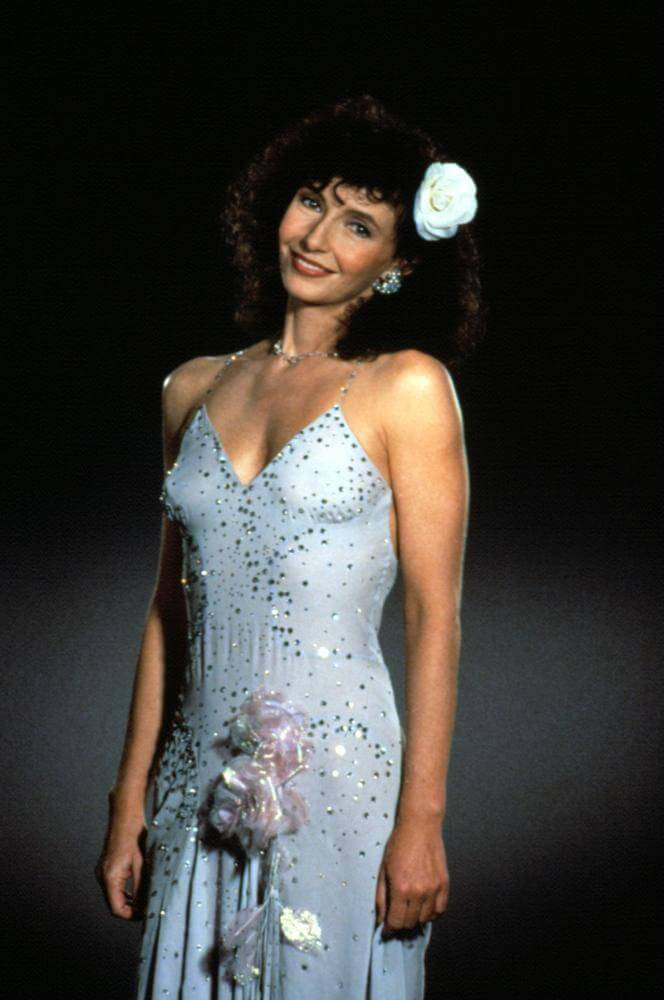
What’s striking is her mindset. In interviews, Mary often speaks about gratitude, curiosity, and presence. She doesn’t chase youth; she embraces growth. And that perspective radiates through her work.
Why Mary Steenburgen’s Legacy Matters
Mary Steenburgen represents something increasingly rare: longevity built on substance. She didn’t rely on spectacle. She relied on craft. She didn’t cling to one identity. She allowed herself to change.

From a small-town childhood to an Oscar-winning performance, from beloved films to songwriting success, her journey reminds us that careers—and lives—don’t have to peak early to be meaningful. Sometimes, the richest chapters come later, written with confidence, clarity, and joy.
Mary Steenburgen isn’t just a Hollywood success story. She’s proof that when talent meets authenticity, time becomes an ally—not an enemy.