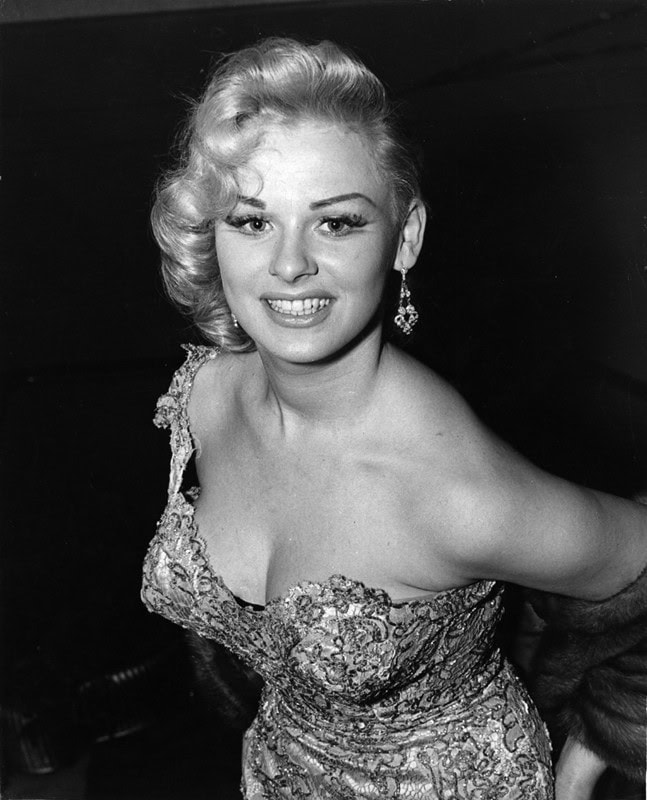
Introduction: why Sabrina still captures attention decades later
Some stars don’t just belong to a moment—they define it. Sabrina, born Norma Ann Sykes, was one of those rare figures. In 1950s Britain, when the country was slowly shaking off post-war austerity, she burst onto the scene like a spark in the dark. Bold, confident, and unforgettable, Sabrina became a symbol of a changing culture. But behind the headlines and flashing cameras lived a woman shaped by hardship, resilience, and very human choices. Her story isn’t just about fame. It’s about survival, timing, and knowing when to step away.
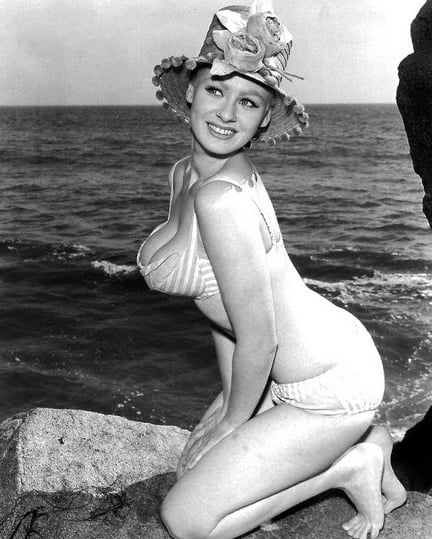
Early years and humble beginnings of Norma Ann Sykes
Norma Ann Sykes was born on May 19, 1936, in Stockport, Cheshire, England. Her childhood was modest and grounded. Her father worked as a mechanical engineer, and her mother was a seamstress, stitching together clothes and keeping the household running during difficult post-war years. Life wasn’t glamorous. It was practical, careful, and often tough.
As a child, Norma showed remarkable discipline. She was an avid swimmer and, by the age of nine, swam a mile a day with dreams of one day crossing the English Channel. That level of commitment says a lot. Unfortunately, her teens brought serious health challenges. Rheumatic fever and polio forced her into long hospital stays, interrupting her athletic ambitions. Yet those setbacks didn’t weaken her spirit. If anything, they sharpened it.
When her family later moved to Blackpool, she encountered touring performers and variety shows. For the first time, entertainment felt real, not distant. It planted a seed. After illness had taken so much from her, show business offered something back—a future shaped by her own choices.
Moving to London and stepping into modeling
At just sixteen, Norma made a bold move to London. Picture a teenager with little money, big ambition, and no safety net. She worked as a waitress while posing for photographers, slowly building a portfolio. Her striking appearance quickly attracted attention in magazines, and modeling opportunities followed.
Producers soon realized she needed a new identity to match her image. They gave her the name “Sabrina,” inspired by a popular film of the era. The transformation worked instantly. Norma Ann Sykes became Sabrina—confident, eye-catching, and perfectly aligned with Britain’s emerging appetite for glamour. It was more than a name change. It was a rebirth.
Television breakthrough and instant stardom
Sabrina’s defining moment arrived in 1955 on the BBC television show Before Your Very Eyes, where she appeared alongside comedian Arthur Askey. Her role required very few lines, yet her presence spoke volumes. Audiences were captivated. Viewers tuned in by the millions, and fan mail flooded in at an astonishing rate.
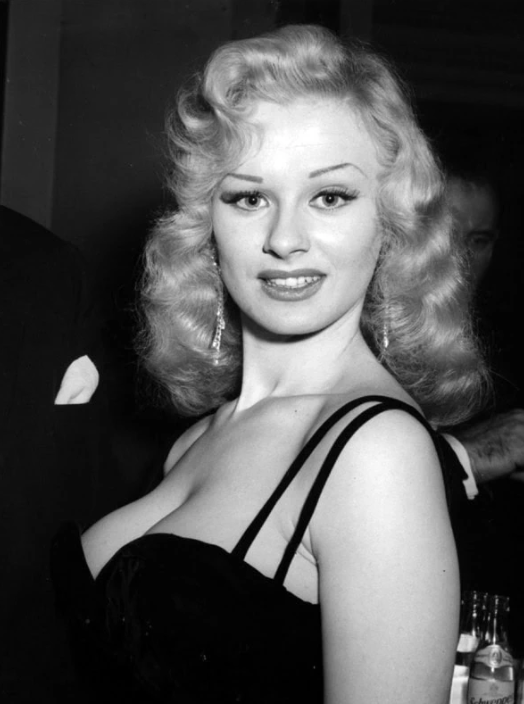
She became a cultural phenomenon almost overnight. Her image appeared everywhere, and her name entered everyday conversation. In a Britain still rooted in restraint, Sabrina represented playful rebellion and optimism. She leaned into the public image with humor and self-awareness, proving she understood the role she played in the national imagination.
Stage appearances and cultural influence
Beyond television, Sabrina toured variety shows, appeared in cabaret acts, and even inspired references on popular radio programs. She didn’t need lengthy monologues to command attention. Her confidence and timing did the work. In many ways, she embodied the idea that star power isn’t always about words—it’s about presence.
Her influence extended beyond entertainment. She became a symbol of post-war transformation, showing that Britain was ready to embrace fun, confidence, and a more open cultural expression.
Film roles and international expansion
Sabrina transitioned naturally into film, starring in a series of British comedies throughout the late 1950s. Movies like Stock Car, Blue Murder at St. Trinian’s, and Make Mine a Million captured the lighthearted, escapist tone audiences craved.
Her career eventually took her beyond the UK. She worked in the United States, appearing in films during the 1960s and exploring musical and dramatic roles. While she never chased awards or critical acclaim, her work reflected the spirit of the era—fun, bold, and accessible. Each role added another chapter to her already remarkable story.
Personal life and a shift away from the spotlight
Behind the scenes, Sabrina’s personal life attracted as much attention as her career. She dated well-known figures and lived a fast-paced social life. In 1967, she married Hollywood surgeon Harold Melsheimer and relocated to California. That move marked a turning point.
In America, she chose privacy over publicity. The constant spotlight faded, replaced by a quieter, more controlled life. The marriage eventually ended, but Sabrina never returned to the relentless pace of fame. It was a conscious decision—one that showed maturity and self-awareness.
Later years, health struggles, and quiet reflection
In later decades, health issues resurfaced, including chronic back problems that required surgery and long-term care. Sabrina lived quietly in Los Angeles, rarely appearing in public. She became more reflective, distanced from the image that once defined her.
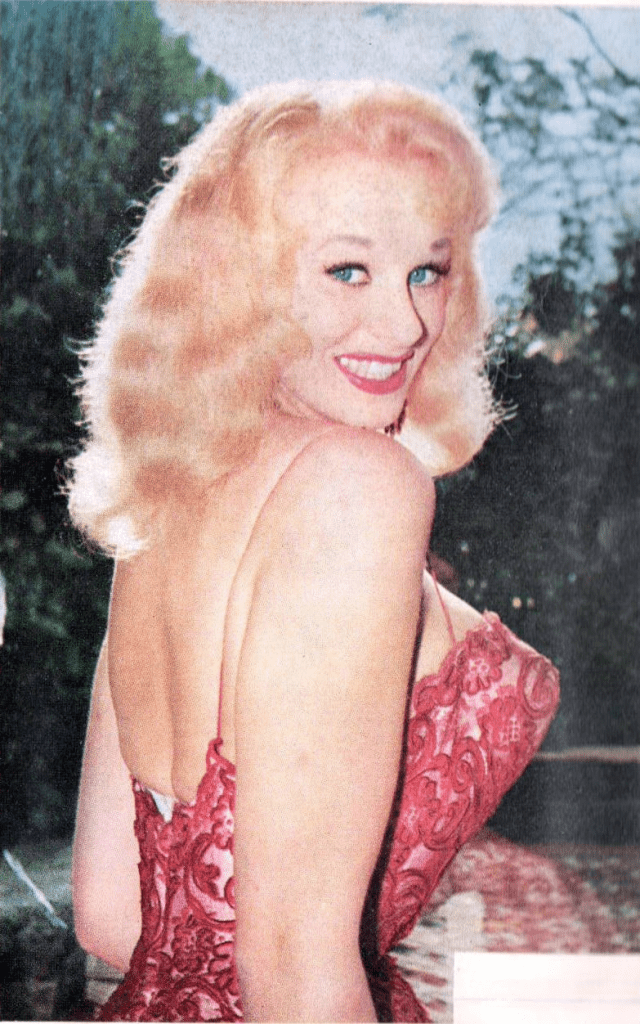
She passed away on November 24, 2016, at the age of 80. Her death marked the end of a chapter, but not the end of her influence. Even today, retrospectives and documentaries revisit her impact, recognizing her role in reshaping British pop culture.
Why Sabrina’s legacy still matters
Sabrina’s life tells a powerful story about fame’s fleeting nature. She rose quickly, shone brightly, and then chose to step away on her own terms. That choice is part of her legacy. She showed that identity doesn’t have to be trapped in one era or image.
Her journey from Norma Ann Sykes—a girl facing illness and hardship—to Sabrina, a cultural icon, reminds us that reinvention is possible, even after setbacks. Fame may fade, but courage and resilience endure.
Conclusion: remembering Sabrina beyond the spotlight
Sabrina, born Norma Ann Sykes, lived a life shaped by contrast. From modest beginnings and serious illness to explosive fame in 1950s Britain, she navigated opportunity with confidence and humor. Her television breakthrough, film roles, and eventual retreat into private life reveal a woman who understood both the power and cost of celebrity. Today, she remains a symbol of an era and a reminder that true impact comes not just from being seen, but from choosing how—and when—to step away.