A Life Written In Fire And Rhythm
Have you ever stumbled across a figure from the past whose presence feels almost too magnetic to belong to a single era? That’s exactly the effect Laya Raki leaves behind — a woman who rose from the rugged streets of post-war Europe to become one of the most unforgettable faces of mid-century cinema. Her story isn’t just about fame; it’s about reinvention, survival, and the kind of determination that turns a dream into destiny. In this deep look at her incredible journey, we’ll uncover how Laya Raki transformed hardship into stardom, how she conquered the international film world, and why her legacy still echoes decades after her final bow.
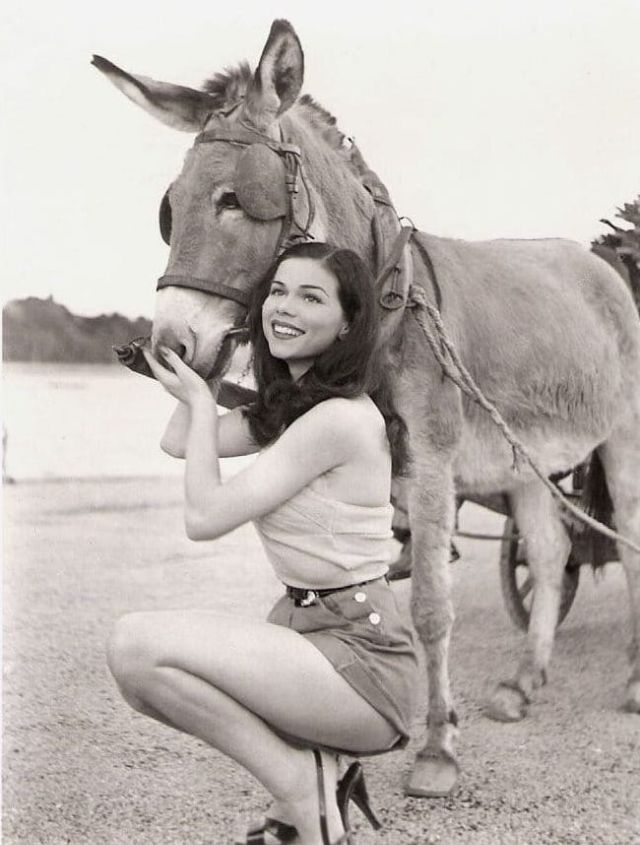
Roots Of Resilience: Laya Raki’s Early Life
Before she became known as Laya Raki, she was born Brunhilde Marie Alma Herta Jörns on July 12, 1927, in Hamburg, Germany, into a world of circus tents, acrobat wires, and unpredictable shifts of fate. Her mother, Maria Althoff, was a gifted acrobat with Javanese heritage. Her father, Wilhelm Jörns, brought laughter to the stage as a clown. It sounds magical on paper — but life wasn’t all bright lights.
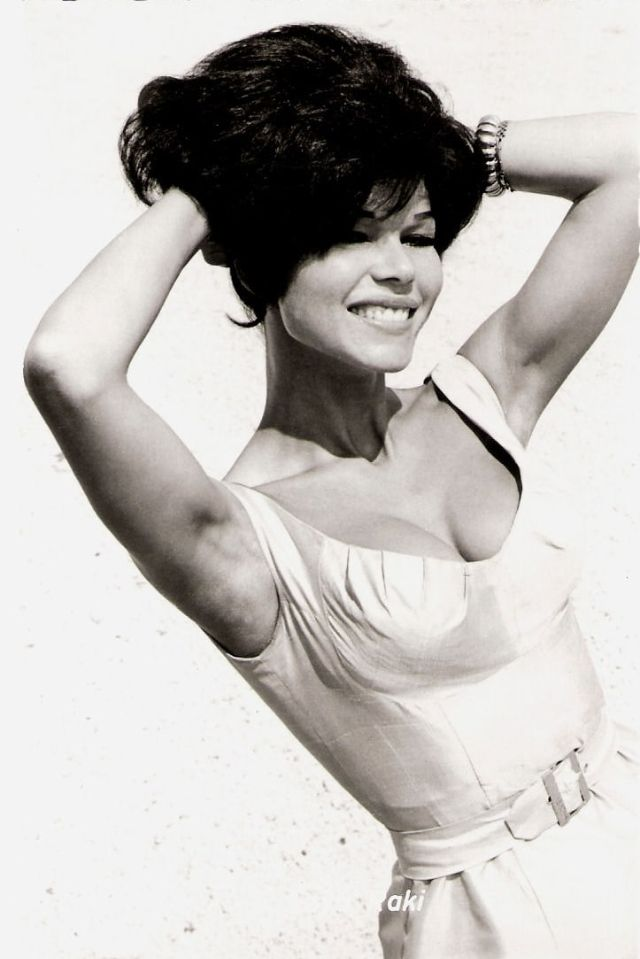
Her mother disappeared from her life when she was only five, leaving behind questions no spotlight could erase. Growing up during the approach of World War II felt like balancing on a tightrope with no safety net. Yet even in that uncertainty, young Brunhilde held onto one dream: the stage.
As the war shattered cities and futures, she found refuge in performance. At just seventeen, she stepped into the Monte Carlo club in war-torn Berlin, shedding her old identity and adopting the name that would make her famous. Inspired by the iconic German dancer La Jana and encouraged by her own love for the strong Turkish spirit known as raki, she rebirthed herself as Laya Raki.
The Dawn Of A Rising Star
Her first performances weren’t glamorous, but they were powerful. She mastered striptease routines that, while controversial, built the foundation of her presence — the ability to command attention, hold a room’s breath, and make every movement matter. Her charisma didn’t just fill a stage; it glowed.
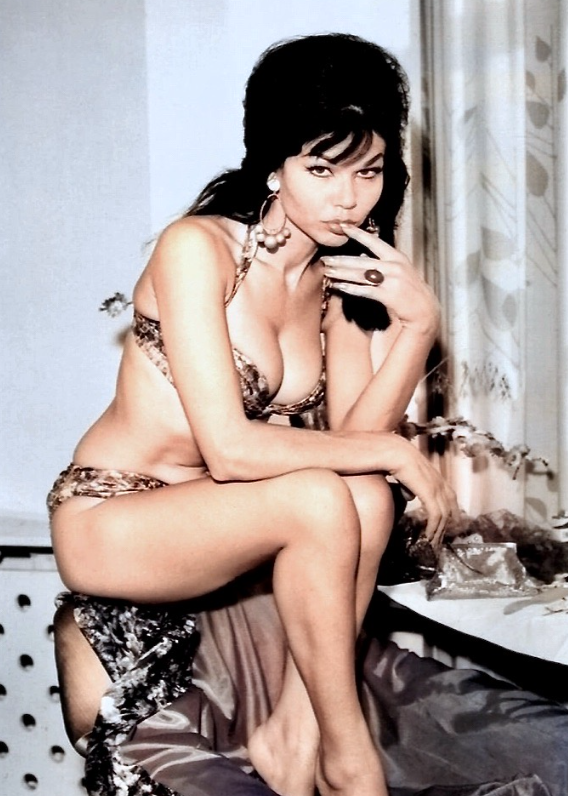
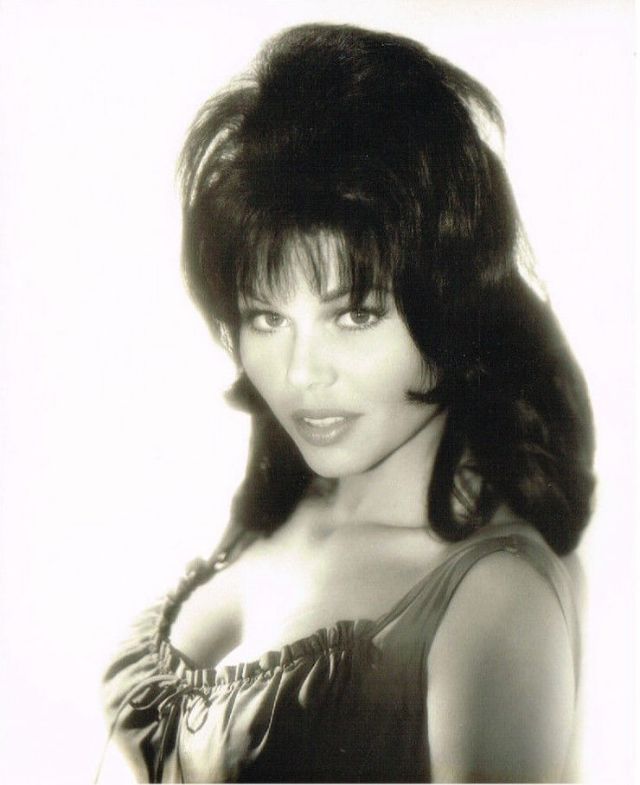
By the late 1940s, her modeling career lifted off. Pin-up photos of Laya Raki spread across Europe, turning her into a sensation. Her exotic features, raven-black hair, hypnotic eyes, and dancer’s body set her apart. She wasn’t just photographed — she was studied, admired, and remembered.
From Nightclub Heat To Silver Screen Stardom
In 1950, her cinematic debut in Der Rat der Götter (The Council of the Gods) marked the first step into her next reinvention. But it was Die Dritte von rechts (The Third from the Right) that made the industry stop and stare. Her dance scene — daring, unforgettable, electrifying — sparked headlines and heated debates.

Germany couldn’t get enough of her, and film directors lined up to cast her in features like Schlag auf Schlag, Hallo, Fräulein!, and Anuschka. Her performances blended confidence with emotion, making her one of the most distinctive entertainers of her time.
But Laya Raki wasn’t content with being a national star. She wanted the world — and the world wanted her too.
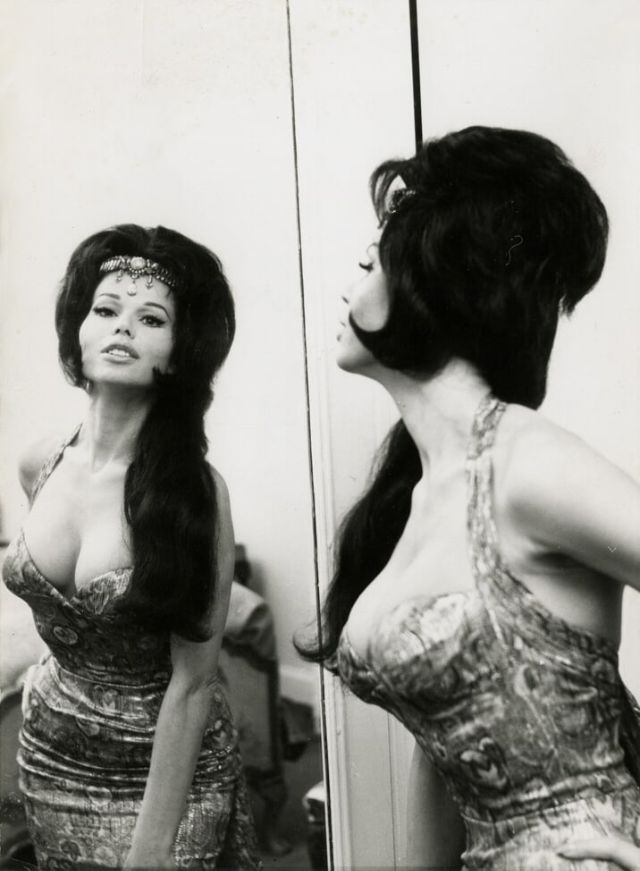
Crossing Borders: International Fame Beckons
The mid-1950s brought her to the United Kingdom for films such as Quentin Durward, where she lit up the screen opposite Robert Taylor. There, she played a fiery gypsy whose intensity nearly stole the entire film. Audiences were captivated. Producers took notice.
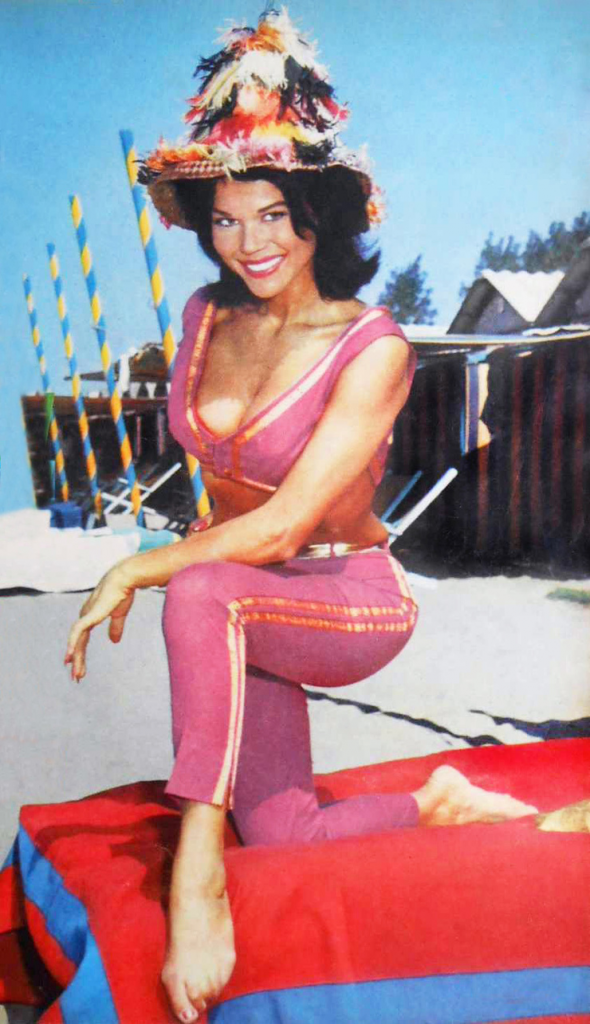
Soon, she soared into Hollywood territory, appearing in major television productions including I Spy and Hawaiian Eye. Whether she played a dancer, a mysterious stranger, or a woman of intrigue, she brought depth and magnetism to every role.
Laya Raki had become an international force — a performer with a story, a signature, and a presence impossible to replicate.
Scandal, Glamour, And Headlines
Of course, fame in the 1950s came with scrutiny. One of Laya Raki’s most discussed public incidents occurred during the 1961 Berlin Film Festival, where a wardrobe mishap at a high-profile event stole headlines — even overshadowing American star Jayne Mansfield. But where others might have panicked, Laya Raki laughed, handled it with grace, and turned the moment into part of her myth.
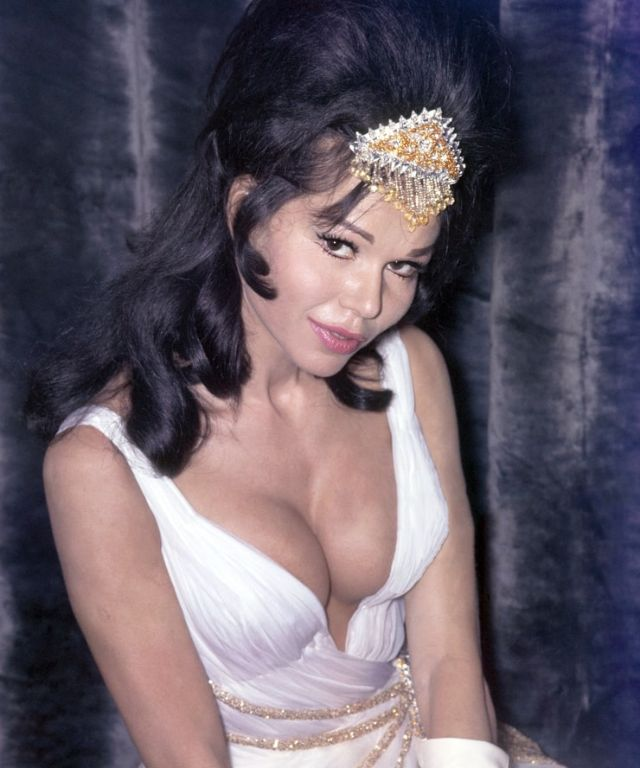
She became a favorite of photographers, magazines, and designers. Whether modeling at major international shows or appearing in stage appearances, she owned her image with unshakeable confidence.
Love, Partnership, And Life Beyond The Spotlight
In 1957, Laya Raki married Australian actor Ron Randell in London — a partnership that lasted an astonishing 48 years. Their marriage became her emotional anchor during the rollercoaster of fame. They lived between London, Europe, and eventually Beverly Hills, where they built a peaceful life together.
After Ron Randell’s passing in 2005, Laya eventually found companionship again with American businessman Duane Wood, entering a quiet, comfortable chapter far removed from the noise of the entertainment world.
A Graceful Exit And A Lasting Legacy
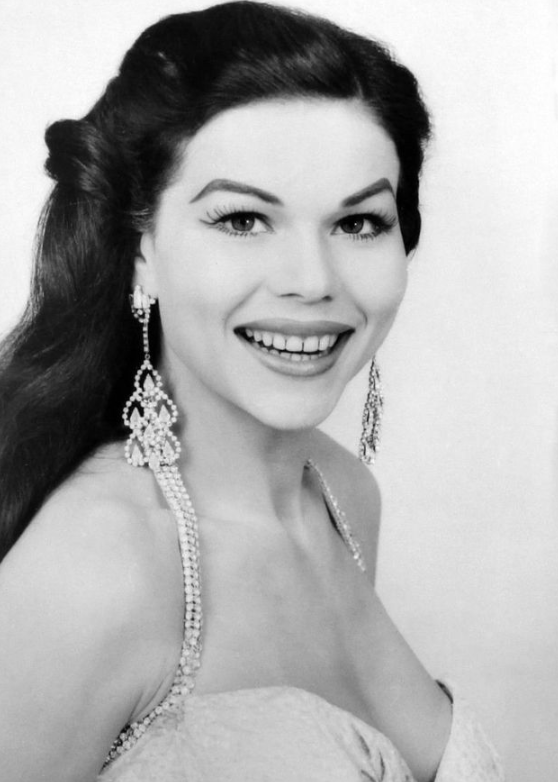
Laya Raki retired from acting in the late 1960s after memorable roles in films like The Poppy Is Also a Flower. Instead of chasing roles that didn’t inspire her, she chose to step away gracefully — a decision that revealed her confidence and independence.
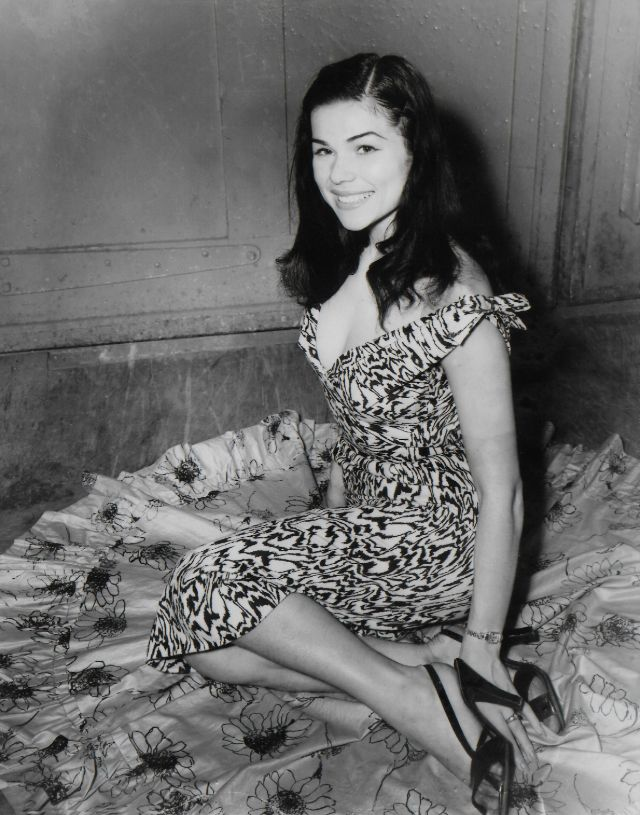
She lived a long and remarkable life until her passing on December 21, 2018, in Beverly Hills at 91 years old. But her legacy didn’t fade. Instead, her films continue to be rediscovered, remastered, and celebrated by new generations curious about the cinematic icons who shaped early international entertainment.
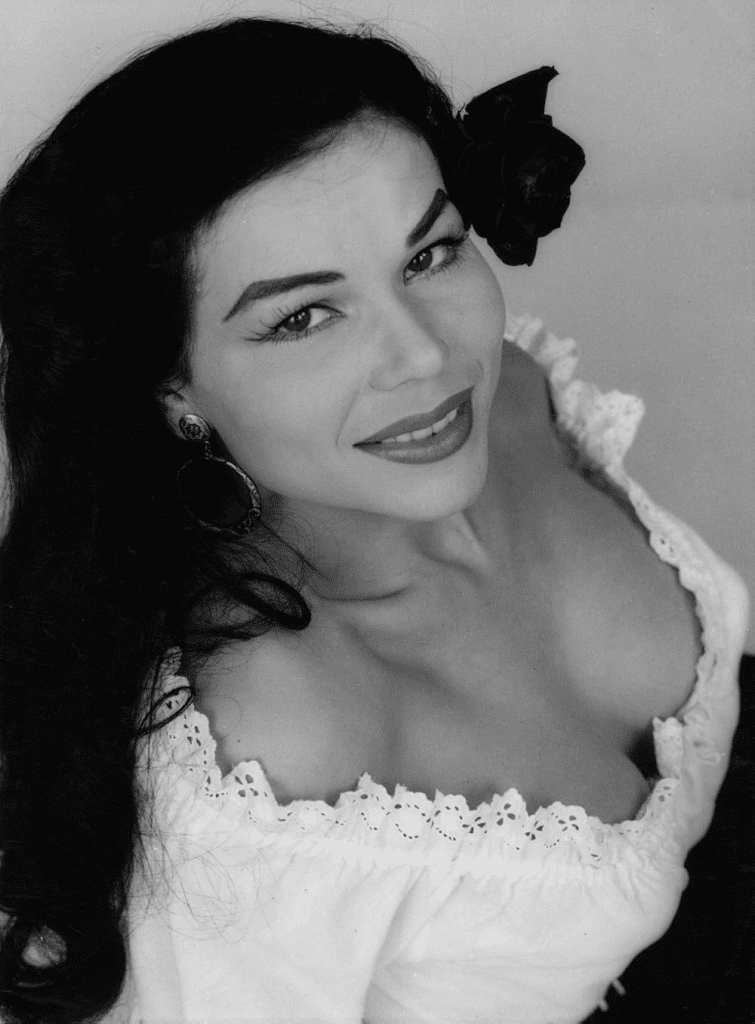
Conclusion: Why Laya Raki Still Matters Today
Laya Raki wasn’t just a dancer, actress, model, or icon. She was a survivor, a reinventor, and a woman determined to define her own future despite the chaos around her. From her rough beginnings in pre-war Germany to her glamorous stardom across continents, her story reminds us that greatness often rises from resilience.
Her journey is a testament to transformation — a reminder that anyone can rewrite their destiny with courage, charisma, and a bit of fire in the spirit.
Laya Raki remains a dazzling echo from cinema’s golden years, a woman whose legacy refuses to dim.