A Legacy Born From Grit, Grace, and Unmatched Charisma
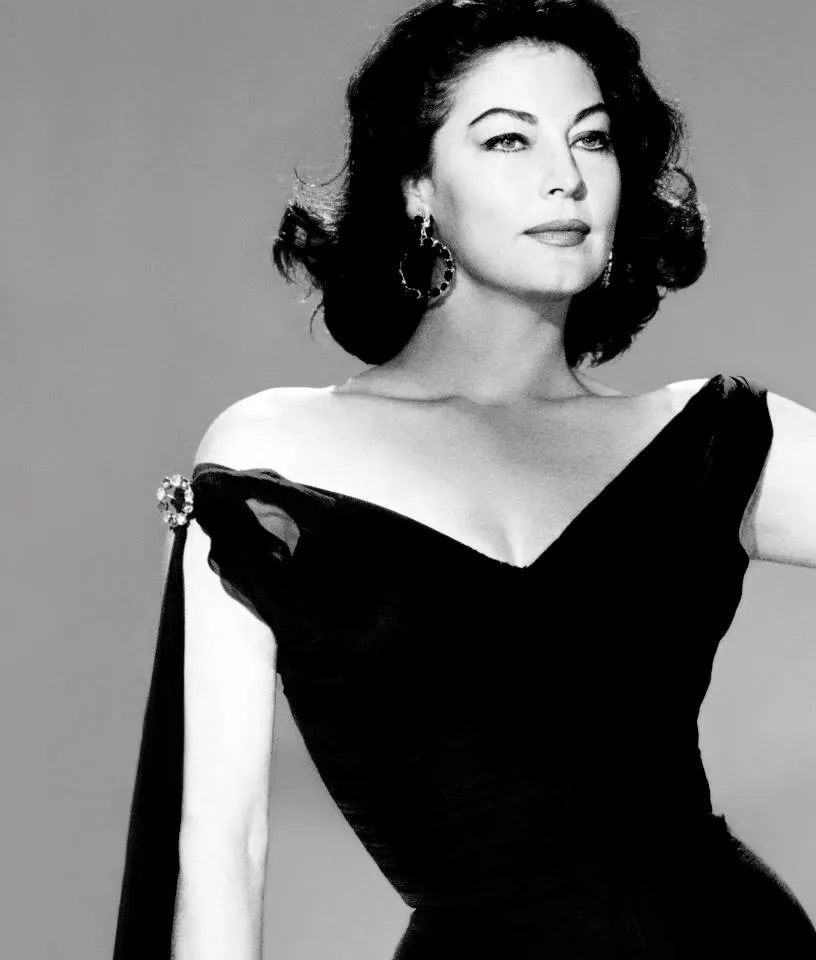
When you think of Hollywood’s Golden Age, a few luminous names instantly rise to the surface — and one of them is always Ava Gardner. Her name alone evokes images of smoky glamour, emotional depth, and a kind of magnetic allure you simply don’t see anymore. But here’s the magic of Ava: behind the intoxicating beauty was a woman shaped by grit, hardship, and an unstoppable spirit. Her rise wasn’t scripted, and her legacy wasn’t crafted by some studio machine — she forged it on her own terms.
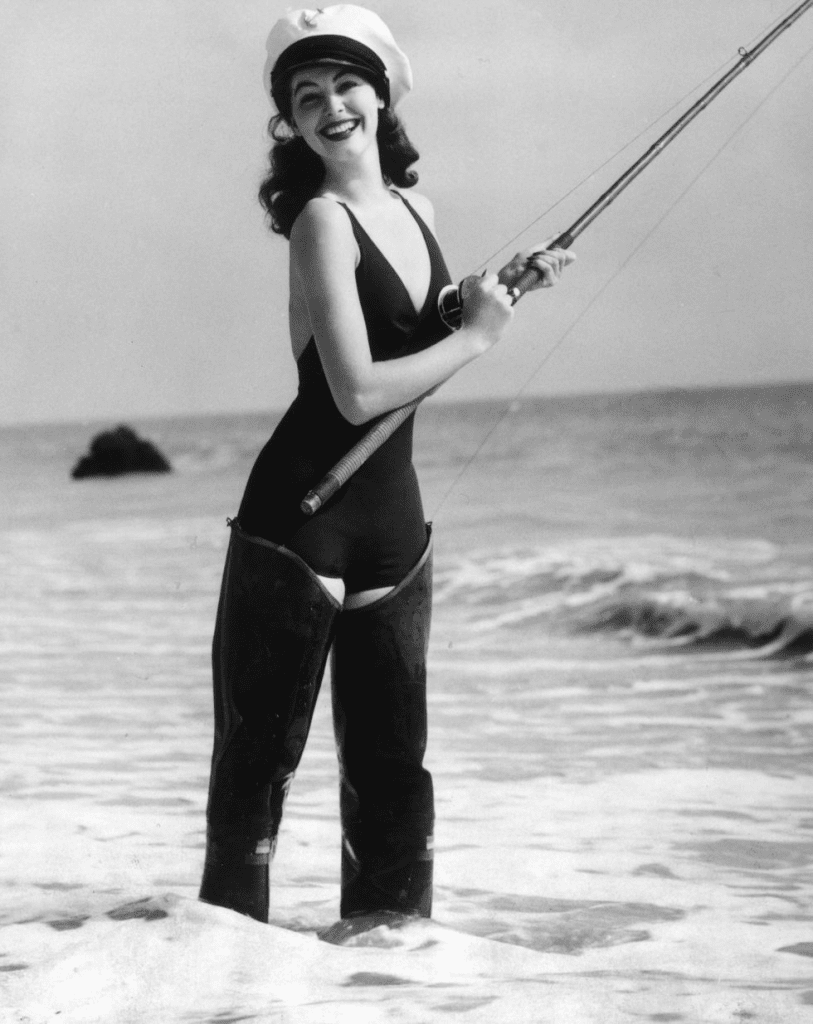
This article takes you on her remarkable journey, from her humble Southern beginnings to her reign as one of cinema’s most unforgettable figures. And trust me, once you step into Ava Gardner’s world, you’ll understand exactly why she continues to captivate hearts across generations.
From Carolina Fields to the Doorsteps of Hollywood
Ava Gardner didn’t grow up surrounded by lights or luxury. Born in 1922 in a tiny North Carolina community, her early life was defined by farm work, family struggles, and the kind of tight-knit bonds that come from growing up with very little. Picture a fiery, barefoot tomboy racing through tobacco fields — that was Ava long before the studios polished her into a leading lady.

Her life changed dramatically when a photo of her landed in a New York City studio window. A talent scout spotted her face, and before Ava even understood what fame meant, MGM was calling. She boarded a train to Hollywood with a suitcase full of hope, a thick Southern accent, and no idea she would soon become an icon.
What makes this part of her story so compelling? It’s the transformation — the reminder that anyone, even a girl from Grabtown, can shape destiny one bold choice at a time.
A Meteoric Rise Through Hollywood’s Golden Era
At first, the studio system didn’t know what to do with her. Her accent was too thick, her acting unrefined, and she felt more like a decoration than an actress. But then came “The Killers” in 1946 — her defining breakthrough. As the dangerously seductive Kitty Collins, Ava stunned critics and audiences alike. Suddenly, it wasn’t just her beauty people talked about; it was her command of the screen.
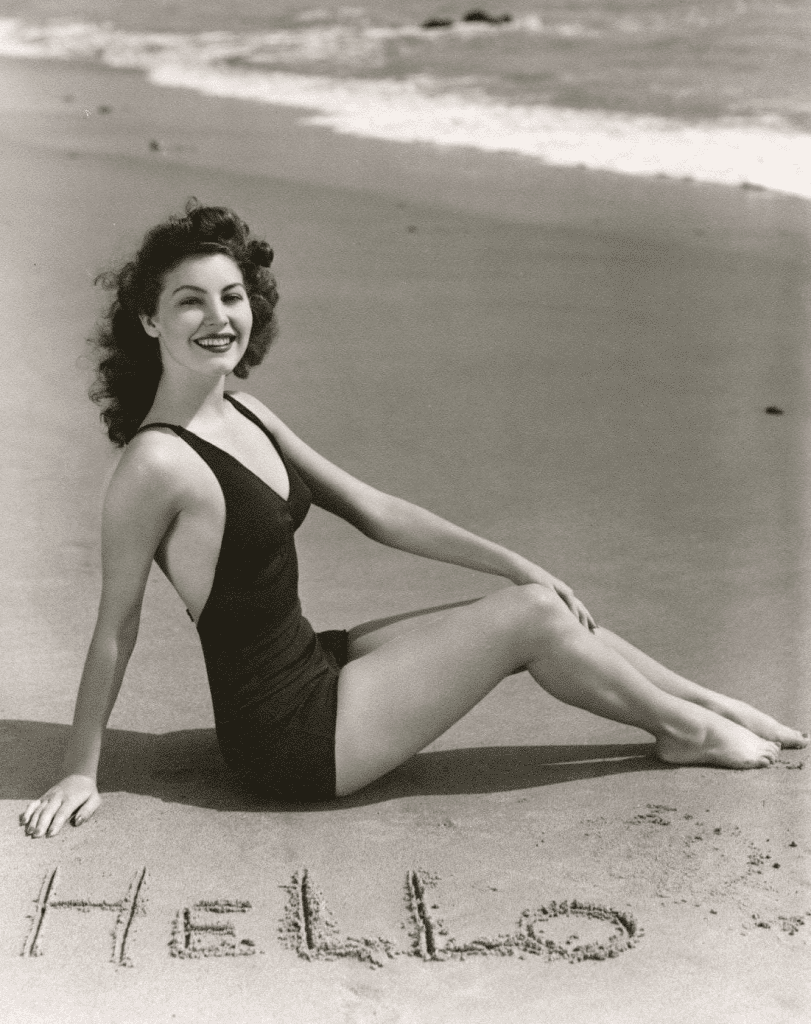
Throughout the 1950s, she starred in films that solidified her reputation as one of Hollywood’s brightest. Whether she was singing in “Show Boat,” sparring with Humphrey Bogart in “The Barefoot Contessa,” or earning her Academy Award nomination for “Mogambo,” Ava proved she could do far more than simply pose for the camera. She acted with her whole being — every expression, every glance, every breath.
Ever wonder why she stood out among a sea of glamorous actresses? Her authenticity. She never pretended to be someone she wasn’t, and that vulnerability translated into unforgettable performances.
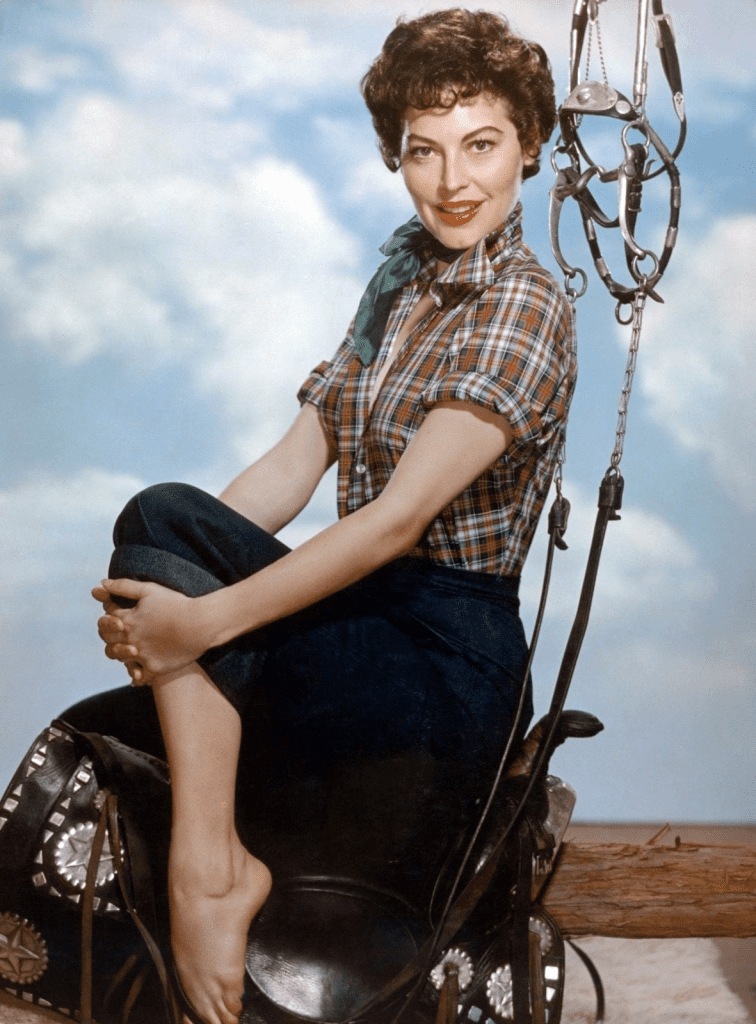
A Love Life Full of Turbulence and Passion
Let’s be honest — Ava Gardner’s personal life is almost as legendary as her film career. Her romances weren’t quiet affairs; they were fiery, passionate, and often chaotic. She married three times, beginning with Mickey Rooney, whose boyish charm fizzled quickly under the weight of Hollywood pressures. Then came Artie Shaw, a musical genius but a challenging husband whose criticisms stung more than she admitted.
And then there was Frank Sinatra — the love story that continues to fascinate fans. Their relationship was explosive, emotional, and deeply intense. They loved hard, fought hard, and inspired the kind of headlines publicists dread. Even after their divorce, they remained connected, their bond too strong to sever completely. Frank reportedly never stopped loving her.

Her romances weren’t fairy tales, but they were profoundly human — raw, imperfect, and full of depth. And perhaps that’s why audiences always believed her on-screen heartbreaks. She had lived them.
The Roles That Cemented Her Place in Film History
Ava Gardner wasn’t just another starlet; she was an actress with layers, depth, and instinctive charisma. Her signature roles showcased her range:
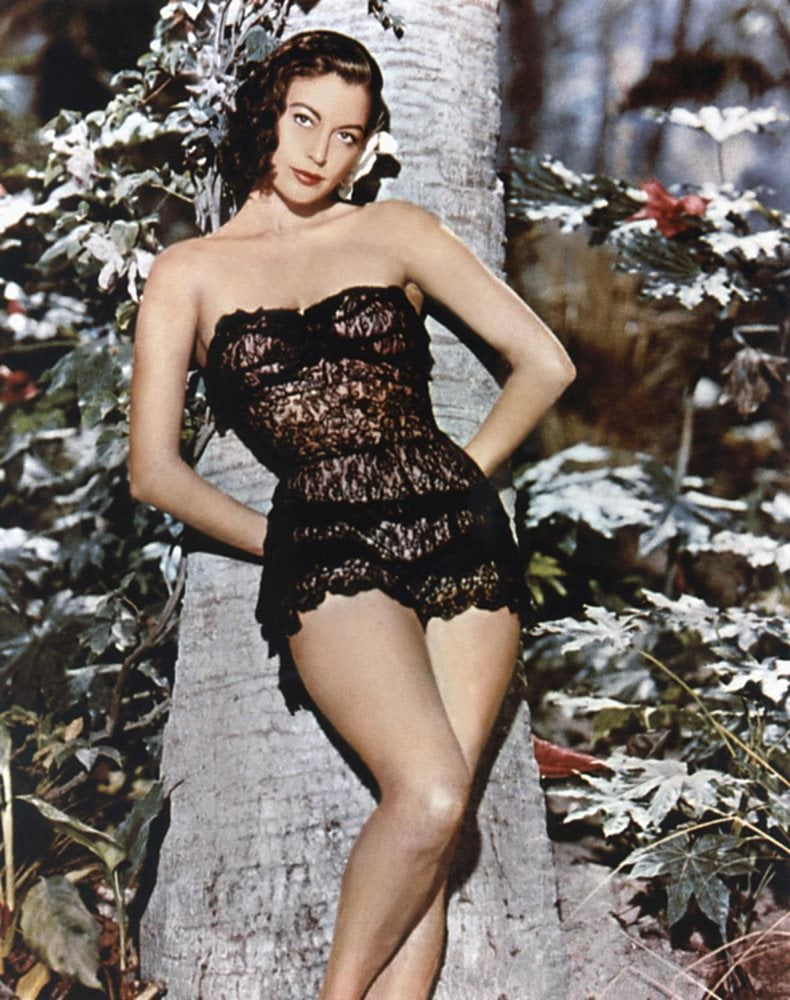
“The Killers” revealed her as the definitive femme fatale.
“The Barefoot Contessa” mirrored her own rise from humble roots.
“Mogambo” displayed her adventurous side and earned her an Oscar nomination.
“Pandora and the Flying Dutchman” captured her mythic, haunting beauty.
“The Night of the Iguana” proved she could transition into more mature, emotionally complex roles.
What tied all these roles together? A quality you can’t manufacture — presence. Ava didn’t have to speak to captivate the audience. She simply existed in the frame, and that was enough.
A Quiet Reinvention Away From Spotlight’s Glare
As Hollywood evolved, Ava chose a different path. She moved to Europe, trading the pressure of fame for a simpler life in Spain and later London. She spent her time reading, writing, and reflecting. Even after suffering a stroke in the 1980s, her spirit remained fierce. She dictated her memoir, “Ava: My Story,” with an honesty that felt refreshing compared to the carefully crafted narratives typical of celebrities.

Her final years were quieter, but they were peaceful — a stark contrast to her whirlwind early life. And in those moments, she found something she had long searched for: contentment.
A Legacy That Continues to Inspire Generations
Ava Gardner’s legacy isn’t built solely on beauty or fame. It’s built on resilience, authenticity, and passion. She came from nothing, rose to extraordinary heights, and lived a life overflowing with adventure and emotion. Her films remain timeless, her charisma unmatched, and her story a testament to what happens when you refuse to be anything less than yourself.
Conclusion
Ava Gardner’s life was a sweeping cinematic journey — raw beginnings, meteoric success, fiery love, artistic triumph, and graceful reinvention. Her story reminds us that greatness isn’t defined by perfection, but by passion, courage, and the willingness to embrace every twist and turn. She wasn’t just a Hollywood star; she was an unstoppable force whose presence still lingers in the hearts of film lovers everywhere.
Ava Gardner lived boldly, loved intensely, and left behind a legacy that will forever shimmer in cinema’s history.
