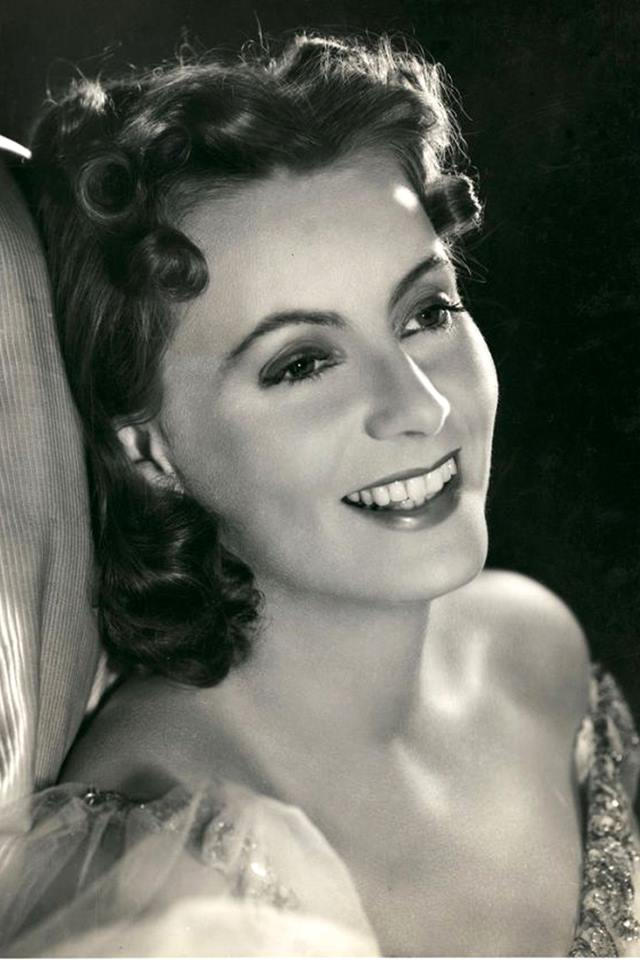
Greta Garbo: The Enigmatic Star Who Chose Solitude Over Stardom
Greta Garbo—just her name evokes images of old Hollywood glamour, the mysterious allure of a silent film icon, and the quiet departure from the limelight that still baffles fans today. Known for her unforgettable line, “I want to be alone,” and for her piercing eyes that seemed to hold a thousand unspoken words, Garbo captivated audiences during the silent film era and beyond. But just when she had reached the peak of her fame, she vanished. At the age of 36, Garbo chose a life of solitude over stardom, leaving behind a legacy that continues to captivate and mystify us. But what led her from humble beginnings to legendary status, only to retreat into seclusion? Let’s take a closer look at the extraordinary life of Greta Garbo.
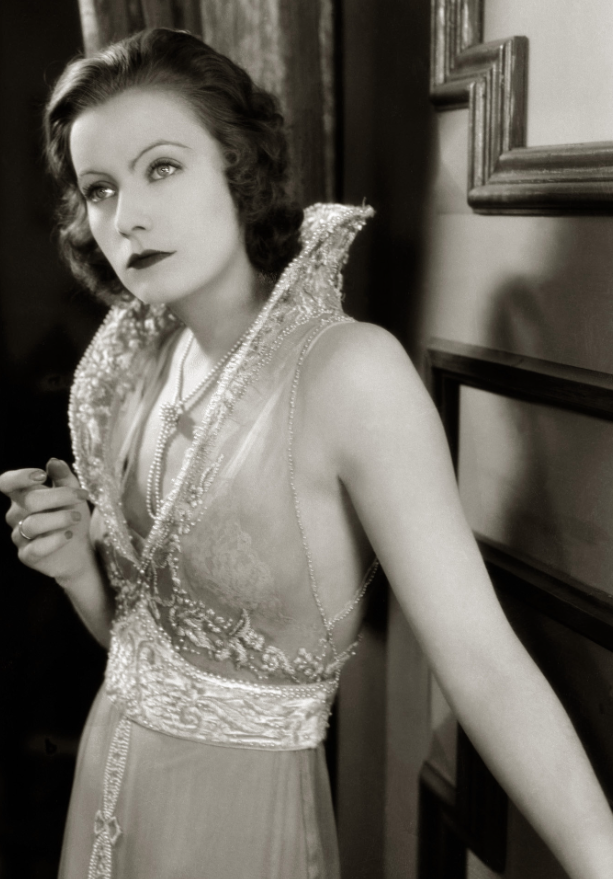
Early Life: From Stockholm Poverty to Dreaming Big
Imagine growing up in a working-class family in the early 20th century, in one of Stockholm’s poorest neighborhoods. That’s where Greta Lovisa Gustafsson was born on September 18, 1905. The youngest of three children, Garbo’s early years were shaped by financial struggle and personal loss. Her father, Karl, worked as a laborer, while her mother, Anna, labored in a factory to support the family. Tragically, her father passed away when Garbo was just 14, leaving her to shoulder more responsibility at a young age.
Despite these hardships, Garbo dreamed of a different life—one beyond the confines of poverty. She took on various jobs, including working as a clerk and lathering faces at a barber shop, all while nurturing a growing ambition to be on the stage. Isn’t it fascinating how hardship often becomes the fuel for someone’s dreams? From the beginning, Garbo knew she was destined for something bigger. Her entry into acting came through small commercials and theater schools, where she caught the eye of director Mauritz Stiller, who would become her mentor and change her life forever.
Discovery and Rise: Mauritz Stiller’s Protégée
Garbo’s breakthrough came in 1924 when director Mauritz Stiller cast her in the film The Saga of Gösta Berling. He recognized her raw potential and renamed her Greta Garbo. Stiller not only changed her name but also shaped her acting style, mentoring her intensely. His guidance led her to Hollywood, where Garbo would be introduced to the world.
When she arrived in America in 1925, Garbo barely spoke English, but her beauty and quiet intensity caught the attention of Hollywood’s studio heads. She quickly rose to fame with silent films like Torrent (1926) and The Temptress (1926), establishing herself as a sultry, enigmatic figure on screen. Her early performances were filled with understated power—Garbo didn’t need to shout to be heard. Her presence spoke louder than words, and her talent shone through in every scene. It was clear she had a rare ability to convey deep emotion with a mere glance or subtle gesture.
Hollywood Breakthrough: Silent Era Sensation
The late 1920s were a whirlwind for Garbo. Her films Flesh and the Devil (1926) and Love (1927) earned her critical acclaim and widespread recognition. In Flesh and the Devil, she starred opposite John Gilbert, and the palpable chemistry between the two was undeniable. Their off-screen romance only added to the allure of their on-screen performances, with Garbo emerging as a tragic heroine, embodying passion and heartbreak with grace and subtlety.
Her transition from silent films to talkies was nothing short of remarkable. In 1930, Garbo starred in Anna Christie, marketed with the tagline “Garbo talks!” The success of the film proved that her deep, husky voice only enhanced her mystique. Not many stars could successfully transition from the silent film era to the sound era, but Garbo did it with ease, further cementing her place as one of Hollywood’s most iconic stars.
Iconic Roles: Tragic Heroines and Rare Laughs
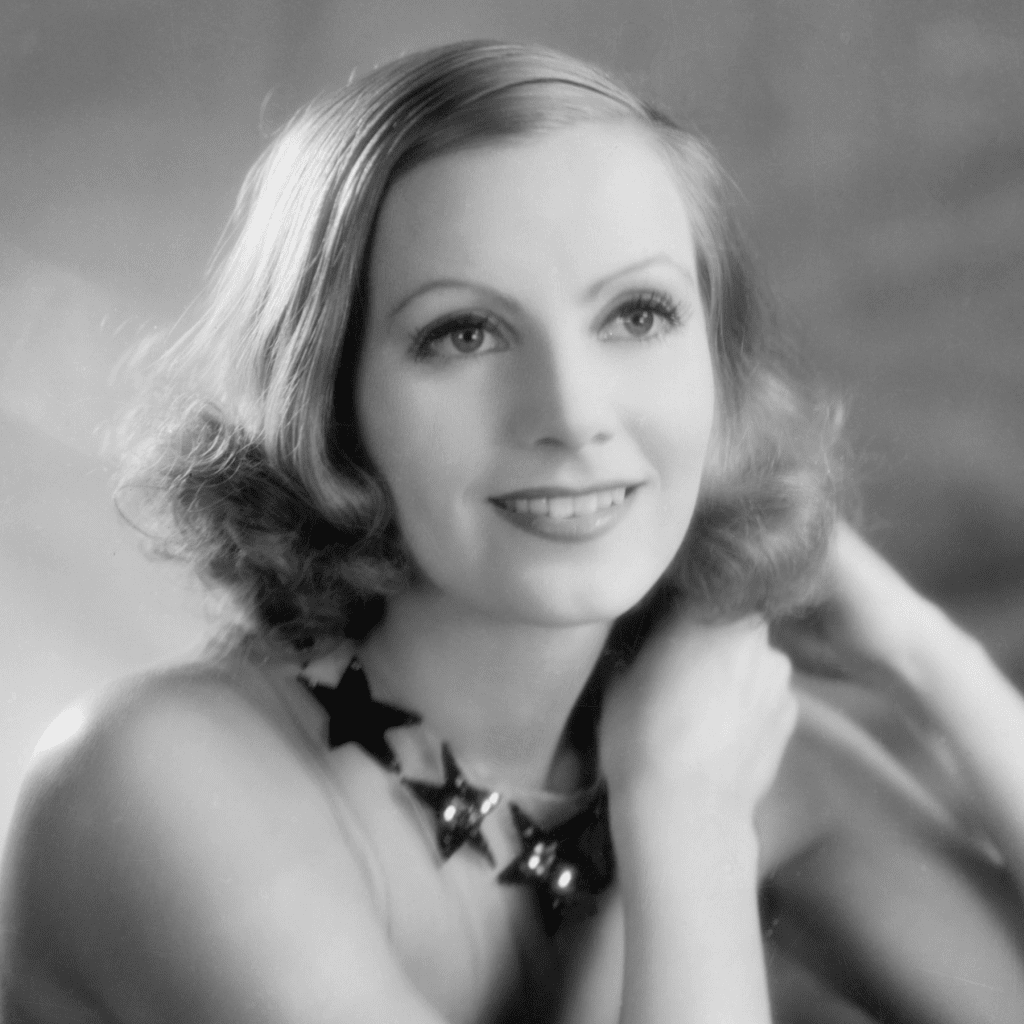
Garbo’s versatility as an actress shone through in her portrayal of both tragic and strong-willed characters. In Anna Karenina (1935), Camille (1936), and Queen Christina (1933), she became the epitome of tragic heroines, skillfully portraying doomed love, sacrifice, and emotional depth. But Garbo wasn’t just a tragic figure; she was also a comedic talent. In Ninotchka (1939), she delivered a performance so unexpected that it became legendary. The film’s famous tagline, “Garbo laughs,” marked a shift in her career and proved she could tackle both drama and comedy with equal finesse.
Garbo’s on-screen presence was unmatched. Her performances were characterized by a unique blend of melancholy, grace, and intelligence. She could portray heartbreak with a single tear or a soft gaze, leaving audiences mesmerized. It was as if Garbo had the ability to bottle raw emotion and release it in waves, making her one of the most powerful actresses of her time.
Personal Life: Romances, Losses, and Independence
While Garbo’s on-screen life was filled with love, loss, and tragedy, her real life was a well-guarded mystery. She fiercely protected her privacy, and much of her personal life remains unknown. Her most famous romantic relationship was with John Gilbert, her co-star in Flesh and the Devil. The two had an intense affair, but Garbo, known for her independence, never married or had children. She valued her autonomy above all else, and this led her to embrace solitude as she grew older.
Garbo’s introverted nature and a series of personal losses—including the deaths of her father, sister, and mentor Mauritz Stiller—further deepened her desire for privacy and solitude. Friends described her as witty yet withdrawn, a woman who craved both companionship and distance in equal measure. She seemed to be a person whose spirit was wired for solitude, finding comfort in quiet moments rather than in the bustling world of fame.
Retirement Decision: Walking Away at the Peak
At the age of 36, Garbo made a decision that shocked Hollywood—she retired. After her performance in Two-Faced Woman (1941), a film that was met with lukewarm reception, Garbo chose to step away from the public eye. She confessed years later that she had grown weary of Hollywood’s grind, and the pressures of fame no longer appealed to her. Despite numerous offers to return to acting, she refused to take on any more roles. For Garbo, peace and a simple life were more appealing than the spotlight.
Her retirement was a conscious choice, a decision to prioritize her own happiness over fame. It’s like she closed a glittering door only to open another, simpler one—a life of reflection and quiet contentment.
Life After Hollywood: New York’s Reclusive Wanderer
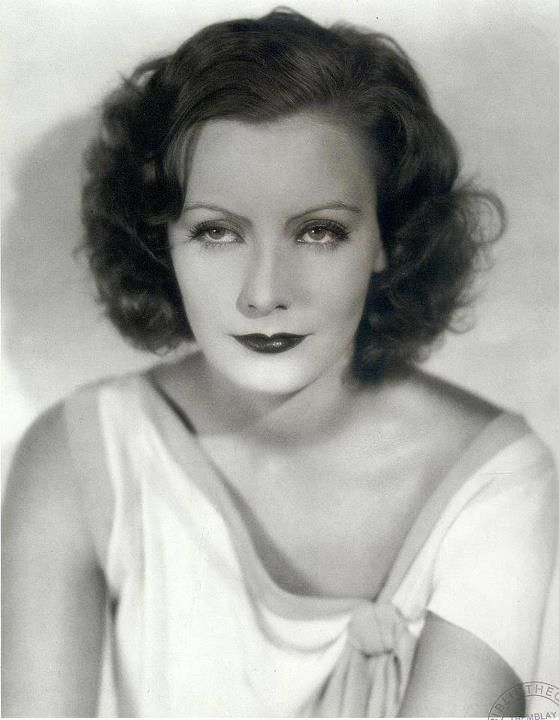
In the 1950s, Garbo settled in New York City, living a life of seclusion that contrasted sharply with her glamorous Hollywood days. She became a U.S. citizen and spent her time collecting art, traveling Europe, and taking long walks along the East River in Manhattan. Though she was often spotted by fans and paparazzi, Garbo remained elusive, always avoiding the spotlight with practiced skill.
Her life in New York was marked by simplicity. She enjoyed quiet moments with close friends, gardening, and finding peace in anonymity. She had no interviews, no public appearances, just a life that was hers to live away from the cameras. Greta Garbo passed away in 1990 at the age of 84, leaving behind a legacy of timeless films and an enigmatic aura that still captivates audiences today.
Conclusion: Greta Garbo’s Enduring Legacy
Greta Garbo’s journey from a poverty-stricken childhood in Stockholm to becoming one of Hollywood’s most iconic figures is a testament to her resilience, talent, and inner strength. Though she chose to leave the film industry at the peak of her career, her legacy endures in the timeless films she graced with her presence. Garbo’s decision to embrace solitude over fame makes her a unique figure in Hollywood history, and her enigmatic personality continues to intrigue and inspire. Greta Garbo remains an enduring icon, a symbol of the beauty, mystery, and complexity of the human spirit.