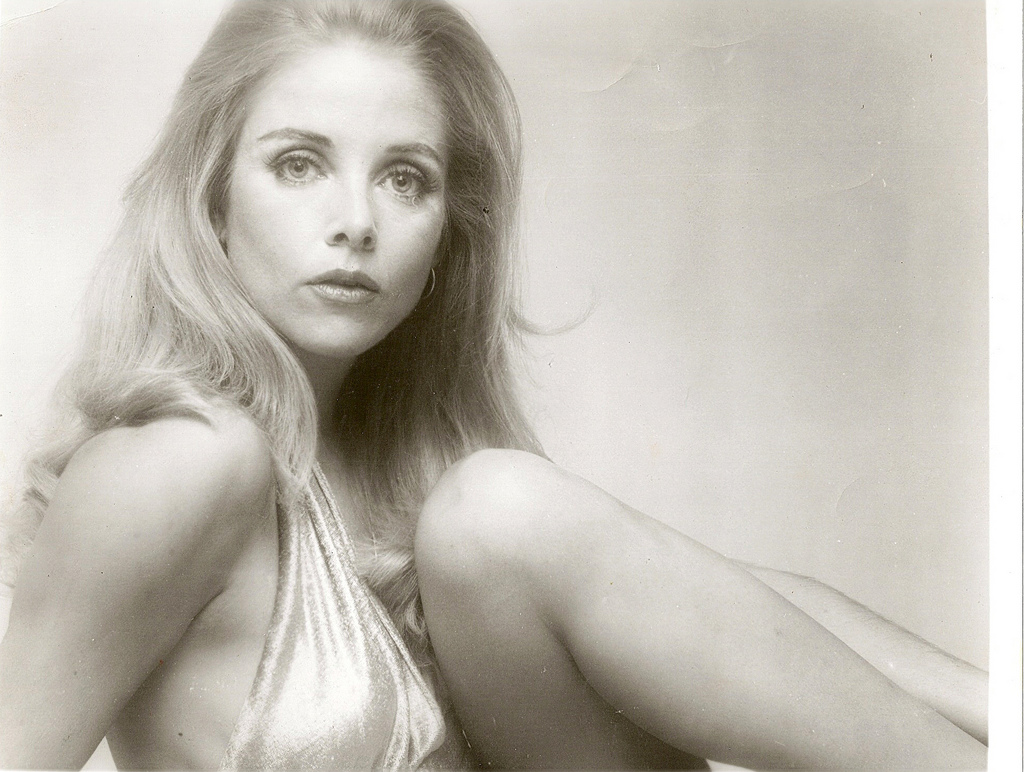
A Star Who Captured the World’s Imagination
Fresh as morning dew yet carrying a bold, magnetic allure, Sue Lyon stunned audiences the moment she appeared in Stanley Kubrick’s 1962 adaptation of Lolita. At just fourteen years old, she took on a role that ignited worldwide conversation and instantly placed her at the center of American pop culture. Her now-famous image—heart-shaped sunglasses poised on her nose and a lollipop in hand—became one of cinema’s most recognizable visuals. That single snapshot transformed her from a Midwestern girl into an international sensation, sparking both admiration and debate that continue even decades later.
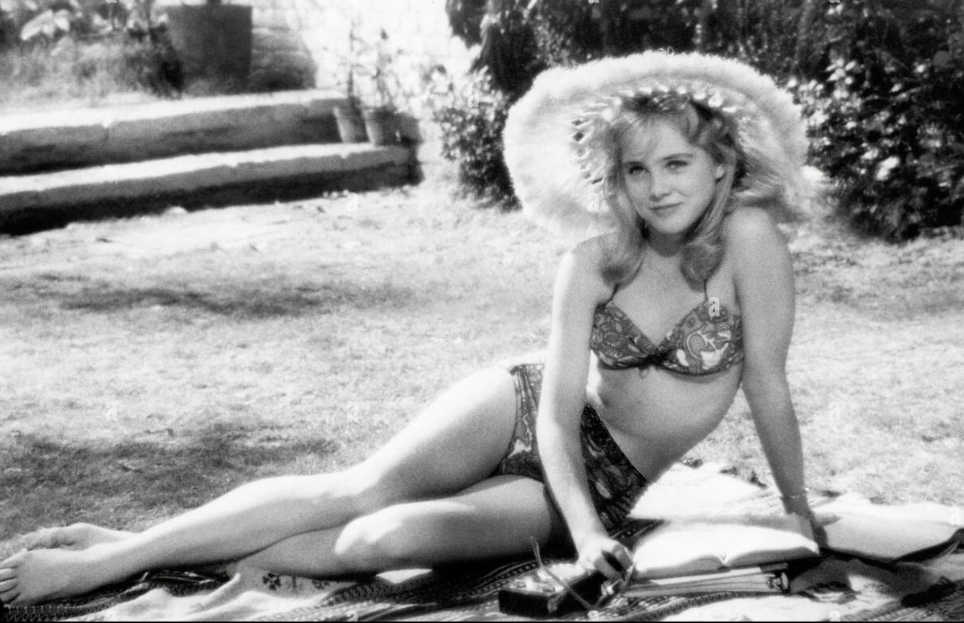
From Iowa Beginnings to Hollywood Dreams
Sue Lyon was born on July 10, 1946, in Davenport, Iowa, the youngest of five children in a warm but modest household. Life was not without hardship. When Sue was only ten months old, her father passed away, leaving her mother to raise the family alone. In search of opportunities, her mother first moved the children to Dallas and later to Los Angeles. These moves shaped Sue’s resilience and her ability to adapt, traits that would serve her well when the spotlight finally found her.
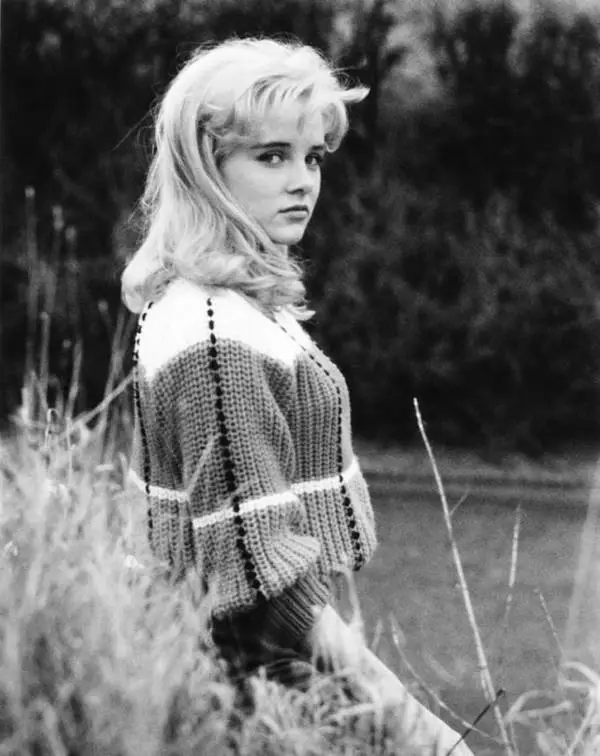
In Los Angeles, Sue began modeling to help with family expenses and quickly attracted attention. Her fresh-faced charm and natural confidence landed her early television work. She made small appearances on shows like The Loretta Young Show and Dennis the Menace, where she displayed a spark of personality that hinted at the magnetic screen presence to come. By her early teens, she was already standing out in a city brimming with talent, proving that she had something special that cameras loved to capture.
Video : The Messed-Up Life and Death of Sue Lyon (Lolita)
Breaking Barriers with Lolita
Sue’s life changed dramatically when she auditioned for Stanley Kubrick’s film adaptation of Vladimir Nabokov’s controversial novel Lolita. Beating out hundreds of other hopefuls, the 14-year-old was cast as Dolores Haze—nicknamed Lolita—the central figure in a story that explored themes of obsession and forbidden desire. Kubrick and Nabokov adjusted the character’s age for the film, but even with changes, the role demanded a remarkable balance of innocence and complexity.
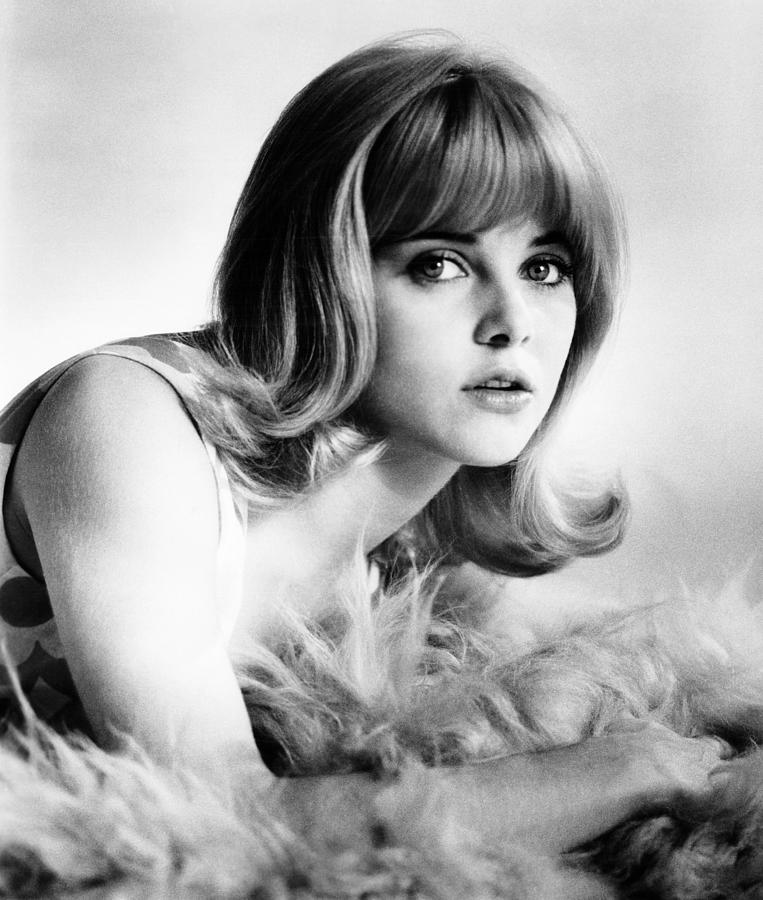
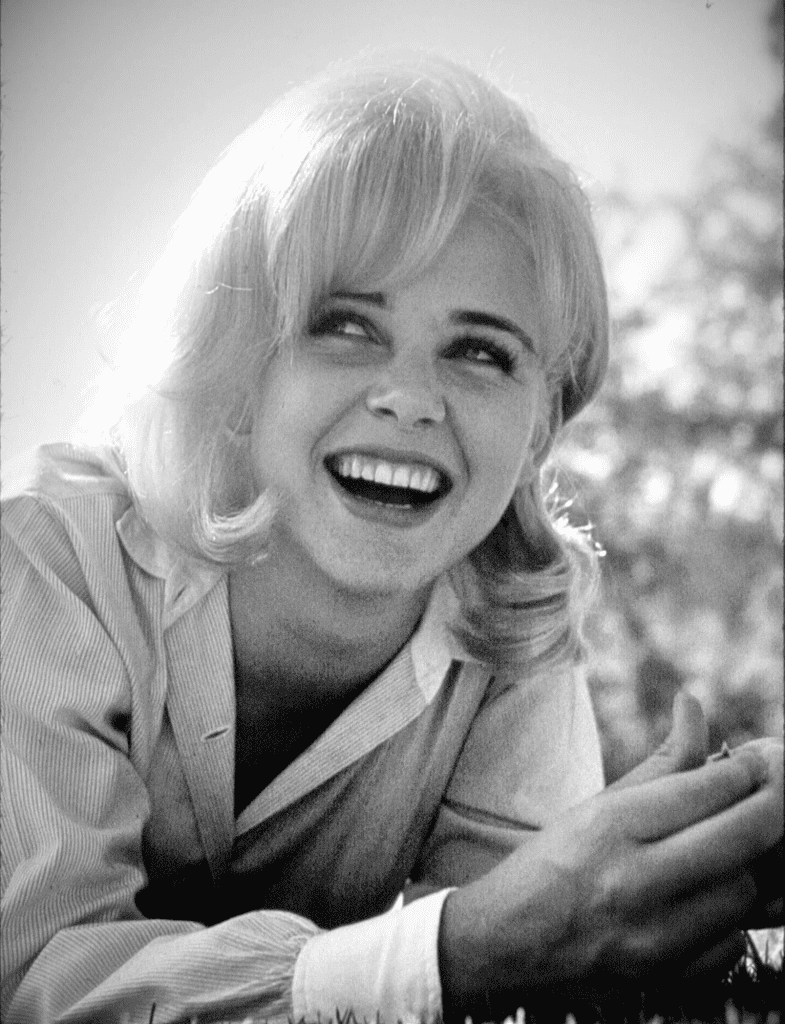
When Lolita premiered in 1962, Sue Lyon delivered a performance that defied her age. Critics were impressed by her poise and subtlety. Her ability to hint at both childlike charm and a knowing presence captured the complexity of Nabokov’s character in a way that felt both daring and unforgettable. The iconic poster featuring Sue, with her lollipop and heart-shaped sunglasses, became an enduring symbol of 1960s cinema. She earned a Golden Globe Award as Most Promising Newcomer, an achievement made even more striking because she was too young to attend the film’s own premiere.
Hollywood Highlights Throughout the 1960s
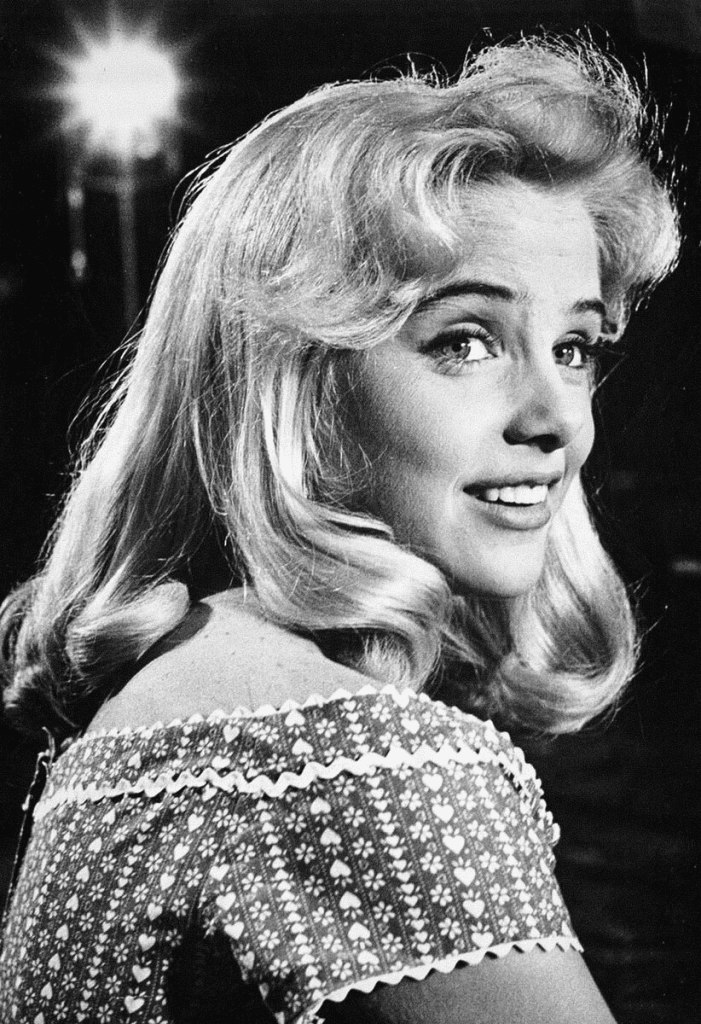
Following the worldwide attention of Lolita, Sue Lyon proved she was more than a one-role wonder. She quickly built a career that showcased her versatility and natural talent. In 1964, she starred opposite Richard Burton in John Huston’s adaptation of Tennessee Williams’ The Night of the Iguana. Playing a flirtatious teenager who complicates the life of a troubled minister, Sue delivered a performance that critics praised for its mixture of mischief and vulnerability.
She continued to shine in notable projects: John Ford’s 7 Women (1966) allowed her to demonstrate her strength in a dramatic ensemble piece set in 1930s China, while Frank Sinatra’s detective thriller Tony Rome (1967) cast her as a missing heiress whose charisma kept audiences guessing. She also brought charm and wit to films such as The Flim-Flam Man (1967) and the western Four Rode Out (1969), proving that she could adapt to different genres with ease. By the end of the decade, Sue had established herself as a talented actress capable of moving beyond the initial controversy of Lolita.
Challenging Roles in the 1970s
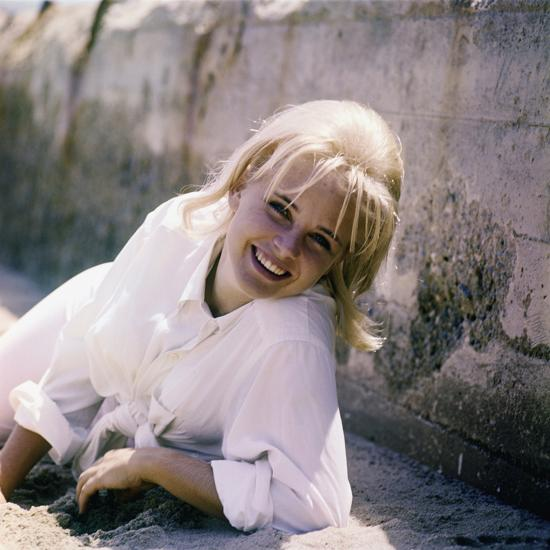
As Hollywood entered the 1970s, Sue continued to take on challenging roles, showing a willingness to explore darker and more complex characters. In the 1971 biographical film Evel Knievel, she played the daredevil’s wife, offering a quiet but steady presence alongside George Hamilton’s portrayal of the famous stuntman. In 1973, she ventured into European cinema with the Spanish-French thriller Murder in a Blue World, where she portrayed a character whose chilling actions revealed a more sinister side of her acting range.
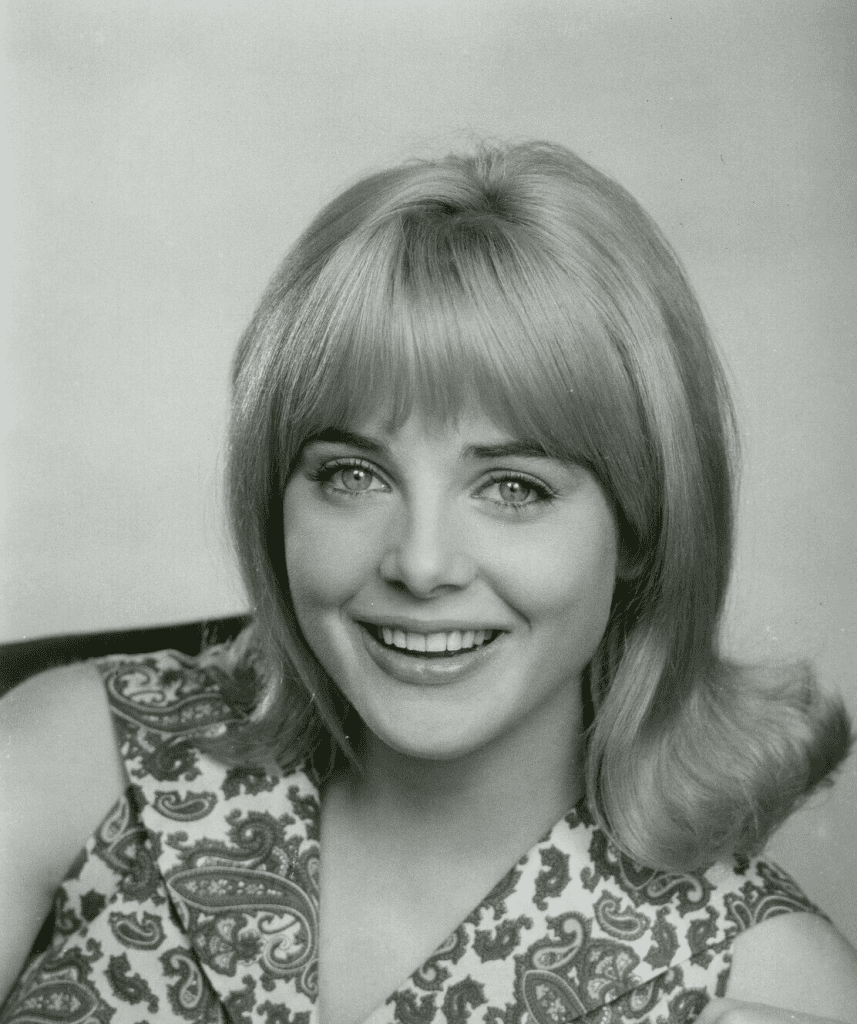
Television also became a significant part of her career during this period. She appeared in popular anthology series and TV movies, including Smash-Up on Interstate 5 (1976) and other dramatic productions that allowed her to explore a variety of roles. These projects demonstrated her ability to move seamlessly between film and television while keeping her performances authentic and engaging.
Video :The Tragic Life of Sue Lyon: How Playing Lolita at 14 Ruined Her Forever
Life Beyond the Camera
Away from Hollywood, Sue Lyon’s personal life was as dramatic as some of her film roles. She married five times, beginning with writer Hampton Fancher when she was still a teenager. Later marriages included photographer Roland Harrison, with whom she had her daughter Nona, and even a brief and highly publicized marriage to Cotton Adamson, a man who had served time in prison. Her relationships drew attention from the press, but Sue often kept her private struggles out of the spotlight, preferring to focus on raising her daughter and maintaining a measure of privacy.
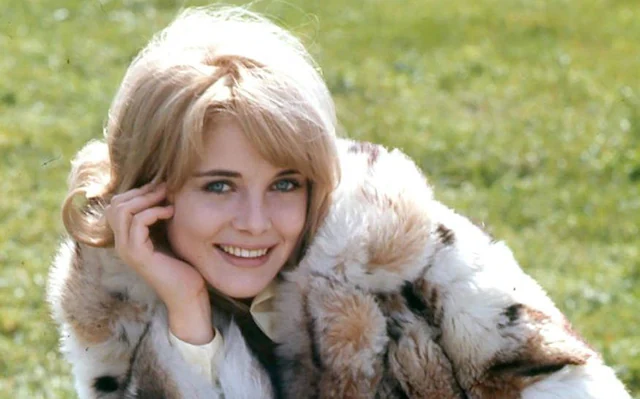
Despite the challenges and constant media curiosity, motherhood became an important anchor for Sue. She gradually stepped back from acting in the late 1970s, choosing a quieter life that allowed her to spend more time with her family. Her decision to leave Hollywood at a relatively young age reflected her desire for normalcy after years of intense public scrutiny.
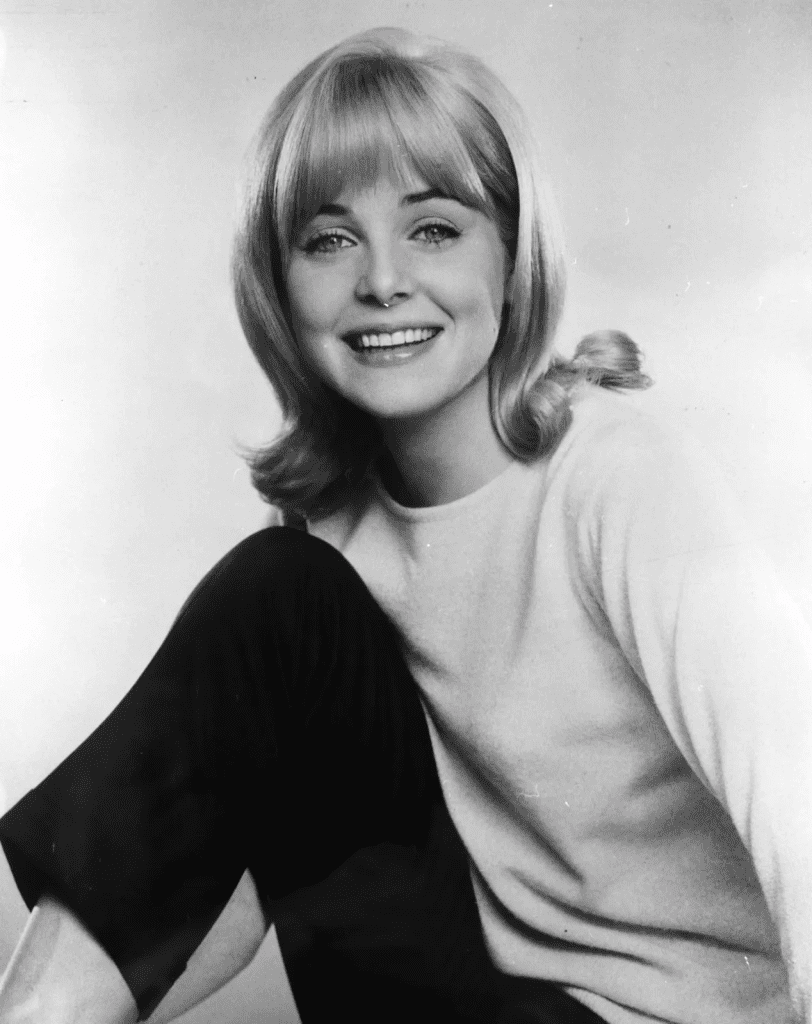
A Legacy That Endures
By the time she officially retired from acting in the early 1980s, Sue Lyon had already left a lasting imprint on American cinema. Though she never again reached the same level of fame that Lolita brought her, she continued to be a subject of fascination for film historians and movie lovers. Her work is frequently discussed in film schools and retrospectives, where her performance in Lolita is recognized as both groundbreaking and complex.
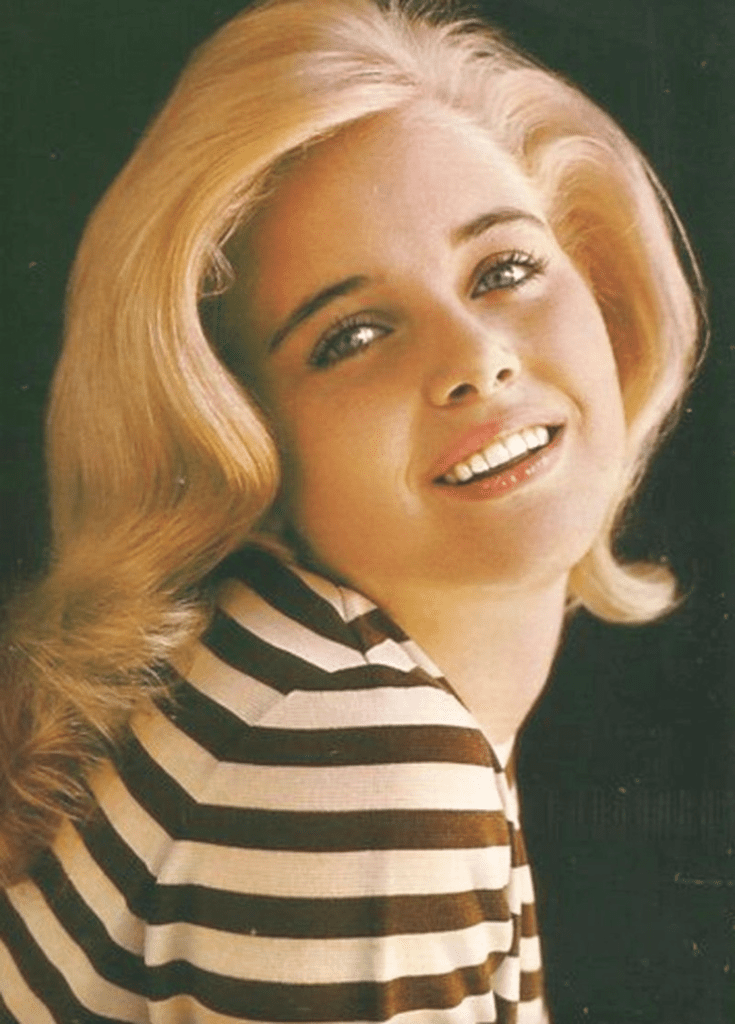
Sue Lyon passed away on December 26, 2019, at the age of seventy-three. Tributes poured in from around the world, with critics and fans celebrating not just her remarkable debut but the thoughtful, multifaceted performances she gave throughout her career. Even in 2025, her image from Lolita remains iconic, and her body of work continues to inspire actors and filmmakers who admire her courage and natural talent.
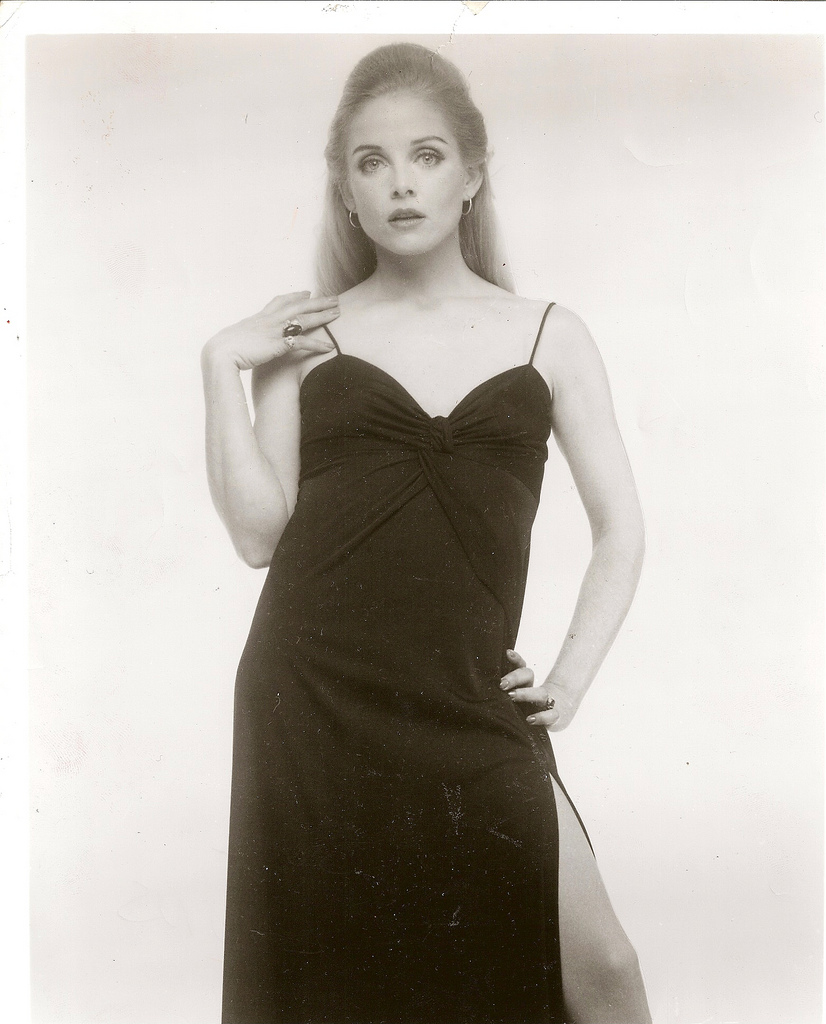
Conclusion: Sue Lyon’s Timeless Influence
From her early days in Iowa to her unforgettable role in Lolita and a career that spanned both film and television, Sue Lyon stands as a symbol of youthful courage and lasting artistic impact. She proved that she was more than a teenage sensation: she was a gifted actress who brought depth and subtlety to every performance. Decades after her passing, her work still resonates, reminding us that true talent leaves an echo that never fades.