Introduction: A Life Built on Talent, Courage, and Constant Transformation
When you hear the name Louise Robey, you don’t just think of an actress, a singer, or a model. You picture a woman who rebuilt herself again and again, refusing to stay in one box. Her life feels like a cinematic adventure: a girl from Montreal who studied ballet in Europe, became a Paris fashion discovery, a New York pop sensation, a beloved horror-series star, and later a creative storyteller for children. Her journey isn’t linear—it’s bold, unpredictable, and inspiring at every turn.
Let’s explore the remarkable path of a woman who turned reinvention into her signature move.
Early Life: Montreal Roots and A Childhood Surrounded by Creativity
Louise Robey, born Louise Anne Beris Fiona Robey in Montreal, grew up surrounded by both structure and artistry. Her father, an air force pilot, represented discipline, while her mother, an actress, embodied creativity. That balance shaped her early confidence and curiosity.
Her childhood took her across Europe, where she absorbed culture and performance. She trained at the Royal Ballet School, building a foundation of grace and discipline that would later influence every stage of her career. Even as a child, she seemed destined for something bigger than ordinary life.
An Unexpected Beginning: From Poolside Discovery to International Model
Some careers begin with careful planning. Robey’s began with a twist of fate. While relaxing by a hotel pool in Aix-en-Provence, she caught the eye of world-renowned photographer Jacques Henri Lartigue. In an instant, her life shifted. Soon her face appeared in Paris Match, Vogue Paris, and other major magazines.

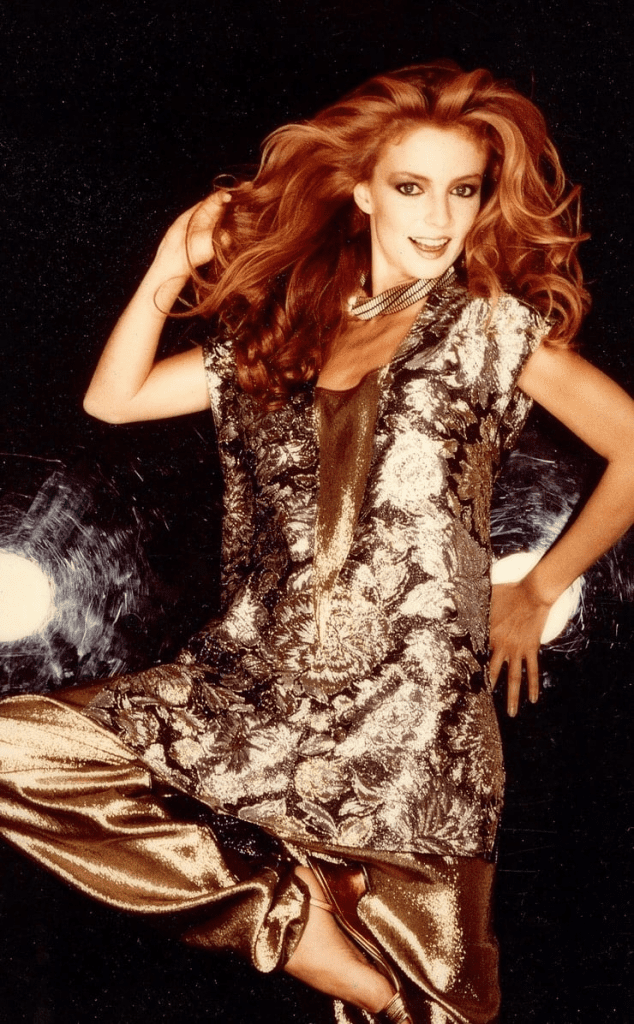
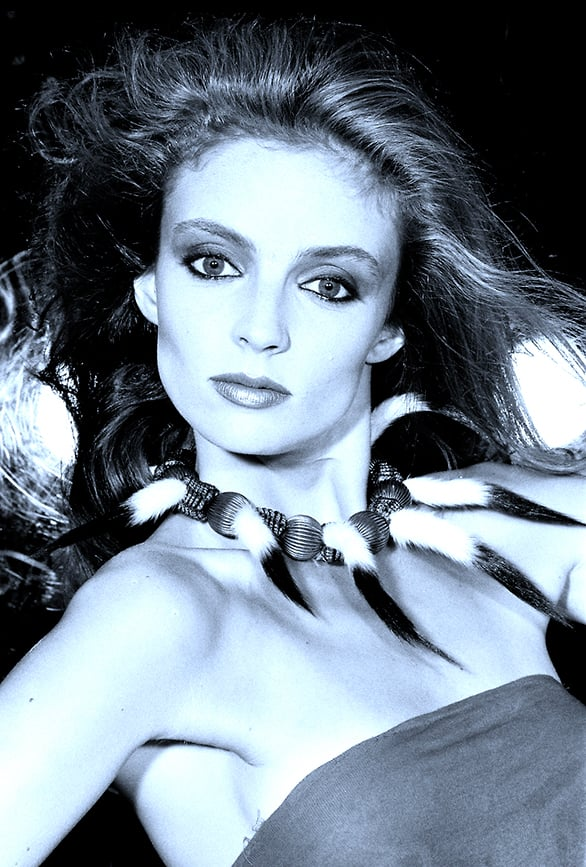
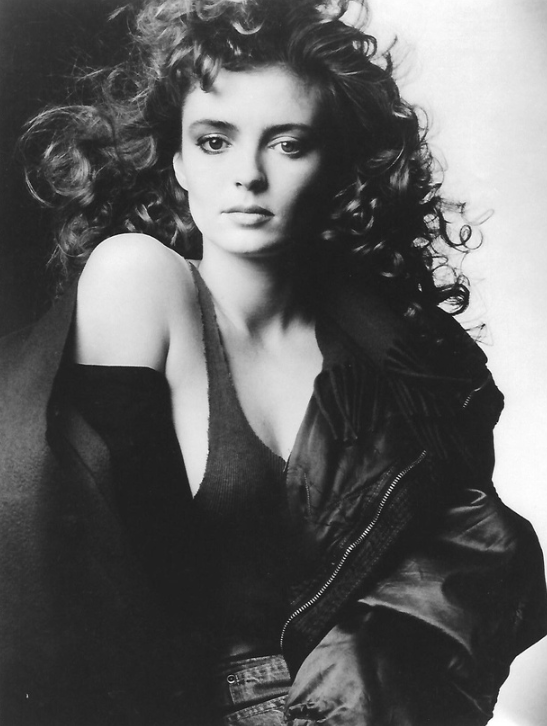
By 18, she became a top model in Paris and New York, working with brands like Maybelline, Jordache, Revlon, and L’Oréal. Her red hair, striking eyes, and effortless elegance made her a standout in a competitive industry. Modeling gave her fame, but also opened the door to something she craved more than photographs.
The Musical Evolution: A Rising Star With Something to Say
Music called to Louise Robey in a way the runway never could. Paris in the late ’70s was electrified with ska, punk, and experimental sounds, and she stepped right into that creative energy. She formed Louise and the Creeps, a band that performed on Paris streets with raw authenticity. Their unique sound earned attention from CBS France and the UK.
Even when the group dissolved before releasing an album, Robey didn’t abandon her dream. Instead, she reimagined herself once again. By 1984, she signed a solo deal with CBS/Sony and released her self-titled album.
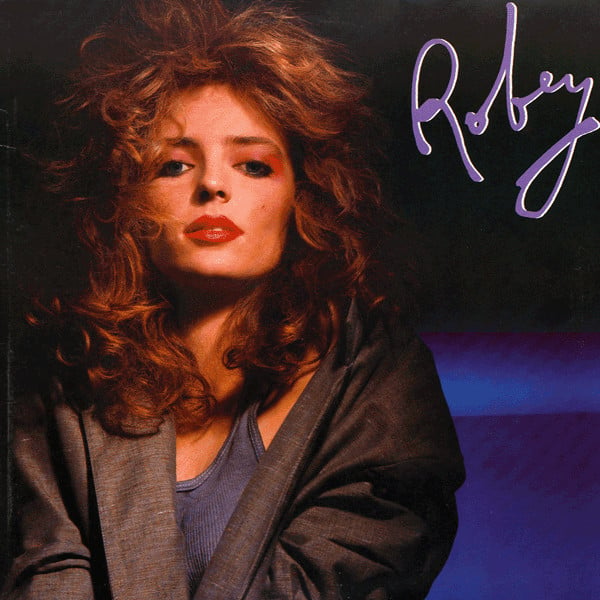
Her biggest hit, a magnetic cover of “One Night in Bangkok,” climbed the Billboard Hot 100 and hit No. 3 on the dance chart. Her voice carried a seductive confidence that set her apart. She wasn’t just a model who could sing—she became a true performer with her own sound and style.
Stepping Into Hollywood: The Breakthrough That Built a Cult Following
As the mid-1980s rolled in, Louise transitioned into acting. She trained with improv groups, appeared in films like Raw Deal and The Money Pit, and steadily built her acting resume.
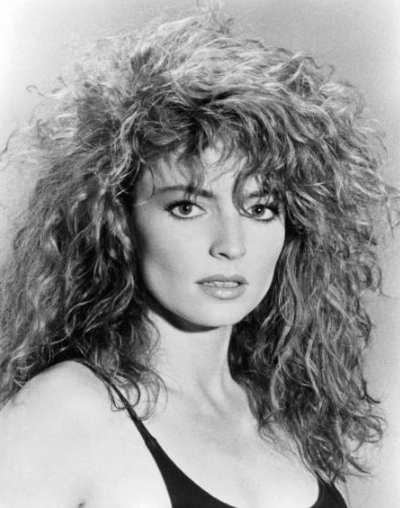
But her defining role came soon after.
She became Micki Foster in Friday the 13th: The Series, a character who blended intelligence, bold style, and determination. Over 72 episodes, she helped turn the show into one of the top syndicated dramas of the late ’80s. The series gave her international recognition and turned her into a cult icon among horror fans.
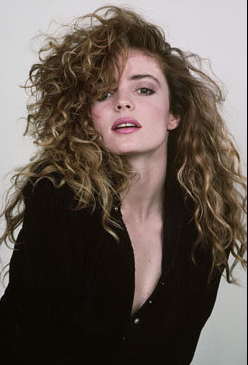
Her portrayal of Micki was unique—she wasn’t the typical damsel-in-distress. She was sharp, stylish, and central to the action. To this day, her conventions panels draw big crowds, proving her role left a lasting mark.
Personal Life: Love, Growth, and a New Sense of Purpose
Off screen, Louise Robey lived a life just as layered as her career. She married photographer Stan Shaffer and later Charles Vere, whose family ties connected her briefly to British aristocracy. During that marriage, she welcomed her son, James, a chapter that softened her life and grounded her.
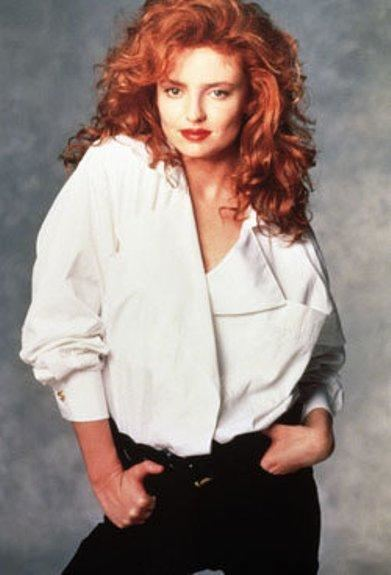
Following her divorce, she focused on raising James while maintaining her creative drive. Her personal life had highs and lows, but she carried herself with resilience and quiet strength. Through every change, she showed an ability to adapt, love deeply, and move forward with dignity.
Creative Reinvention: From Cult Actress to Children’s Author and Artist
Robey’s creativity didn’t end with music or acting. In later years, she turned toward storytelling. She began writing and illustrating children’s books, bringing whimsical tales to life with themes of bravery and imagination. Her art spoke to her own growth—gentler, colorful, filled with lessons learned from a life bursting with reinvention.

She also pursued visual art and occasional property development, always finding new ways to express creativity. Reinvention wasn’t just a phase for her—it was the backbone of her entire identity.
Louise Robey Today: Grace, Creativity, and A Legacy of Reinvention
Today, Louise Robey enjoys a quieter, artistic life. She continues creating, interacting with fans, and occasionally appearing at events. She’s the kind of woman who doesn’t chase the spotlight anymore—yet somehow still lights up any room she enters.
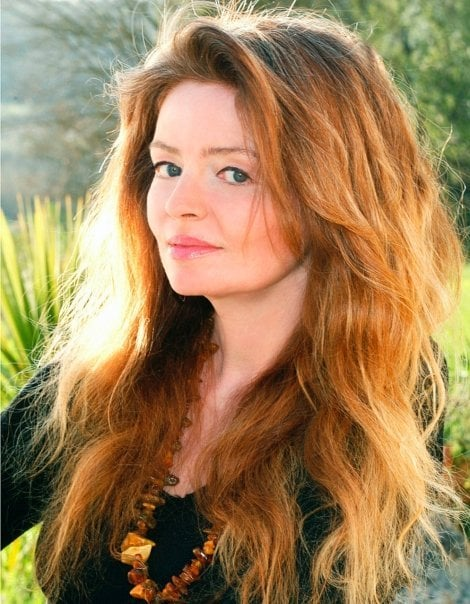
Her journey reflects courage, talent, and above all, persistence. She built a legacy across music, acting, modeling, writing, and visual art. Few artists can claim that level of versatility, and even fewer can do it with such authenticity.
Conclusion: A Life That Proves Reinvention Is a Superpower
Louise Robey’s story isn’t just about fame. It’s about the courage to evolve. From Montreal to Paris runways, New York recording studios, and Hollywood film sets, she has lived many creative lives—and each one added something new to her legacy.
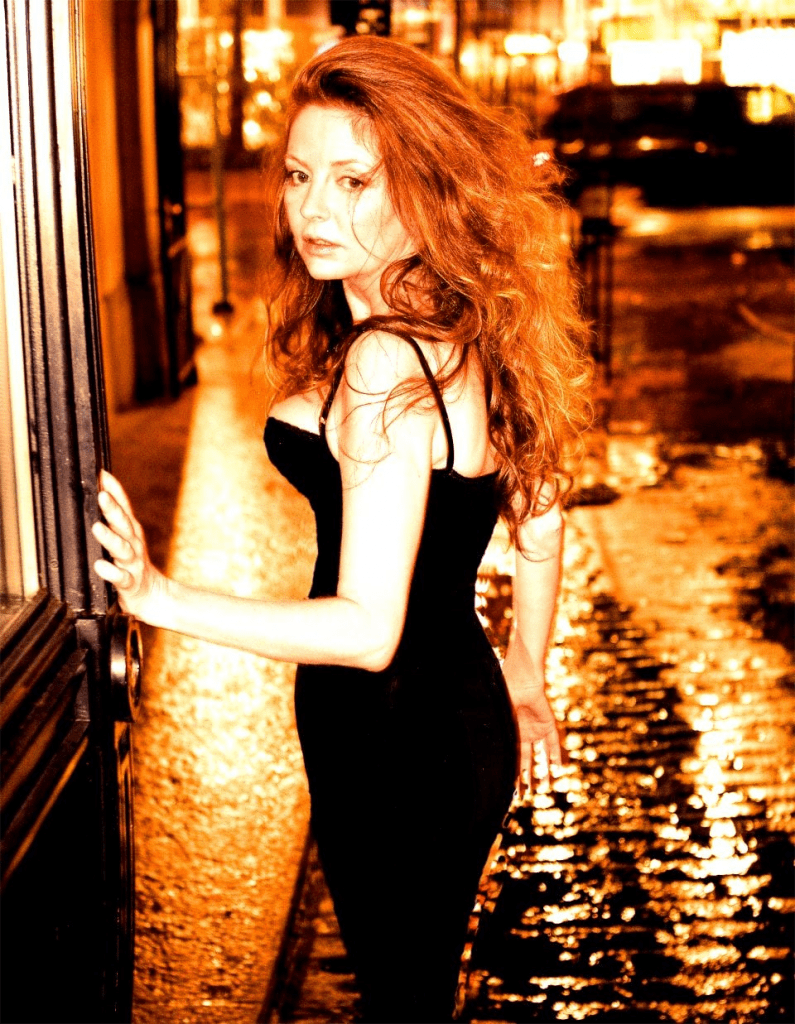
She shows us that life doesn’t have to fit a single mold. Reinvention isn’t starting over; it’s leveling up. And Louise Robey mastered that art beautifully.
Her journey will continue to inspire anyone who dares to ask, “What else can I become?”