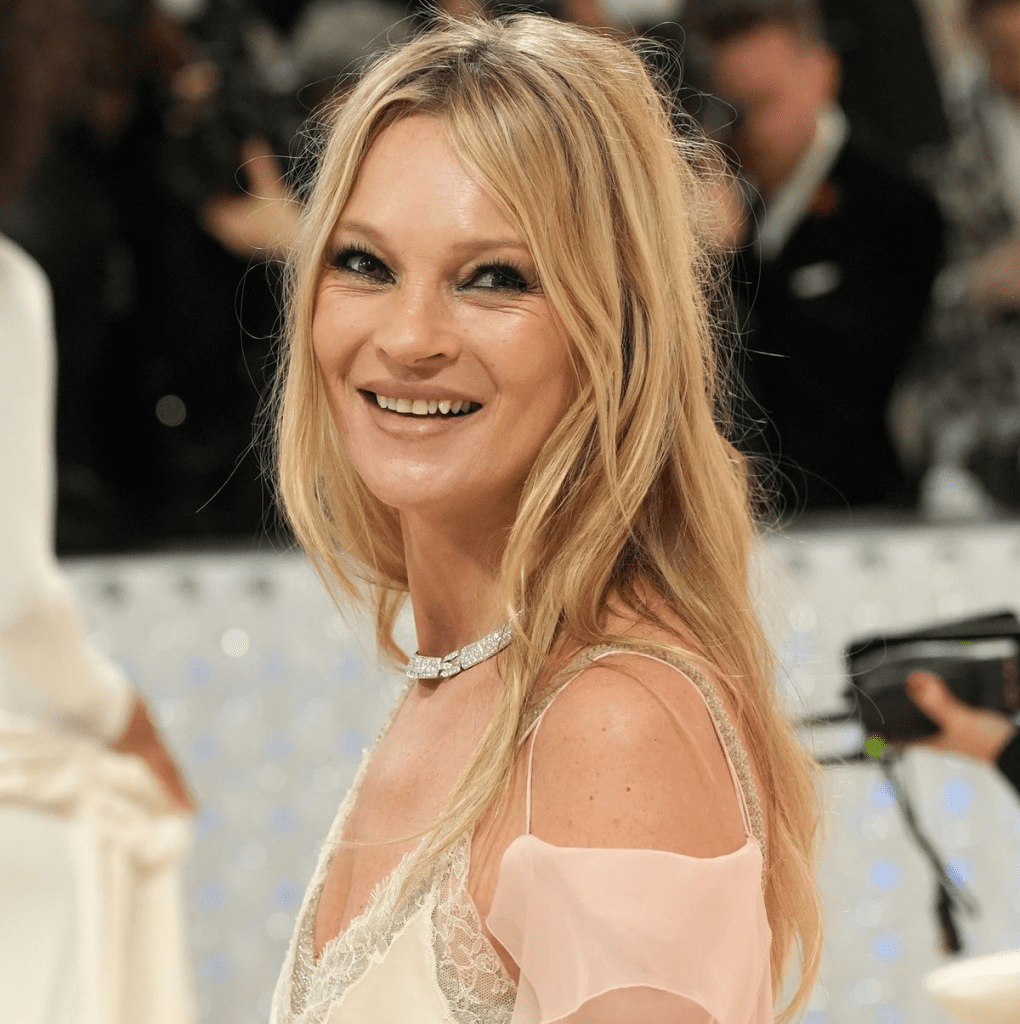
Introduction: why Kate Moss still shapes fashion today
Few names have the power to stop the fashion world mid-sentence. Kate Moss is one of them. From a chance discovery as a teenager to becoming a symbol of modern style, she didn’t just follow trends—she changed the rules. Her influence stretches across decades, designers, and generations. At 52, she’s selective, grounded, and still unmistakably relevant. How did she get here? Let’s unpack a journey filled with bold shifts, resilience, and an instinct for reinvention.

Humble beginnings and a discovery that changed everything
Born Katherine Ann Moss on January 16, 1974, in Croydon, London, Kate grew up in a working-class family. Her childhood was ordinary in the best way—local schools, a close-knit home, and a life that didn’t scream “global icon.” That’s what makes the turning point so cinematic. At 14, returning from a family trip, she was spotted at JFK Airport by Sarah Doukas of Storm Model Management. One moment, she was a teenager heading home; the next, she was stepping into fashion history.
She signed with Storm soon after. Early shoots revealed a look that didn’t fit the mold of the time—petite, understated, and strikingly real. Like lightning finding the tallest point, the industry recognized something different and leaned in.
The rise of a new aesthetic in the 1990s
By the early 1990s, Kate Moss emerged as the face of a new era. Her images for The Face magazine, shot by Corinne Day, introduced a raw, minimalist vibe that contrasted sharply with the glossy glamour dominating runways. Then came the campaign that changed everything: Calvin Klein’s Obsession in 1993. The visuals were simple, intimate, and unforgettable.
That moment didn’t just launch a career—it shifted fashion’s compass. Designers embraced restraint. Editorials favored authenticity. Kate’s look became shorthand for a new cool that felt accessible and edgy at the same time. Magazine covers multiplied, runway calls poured in, and her presence became a constant across global fashion capitals.
Walking the world’s biggest runways and collaborations
As the decade progressed, Kate walked for the most influential houses in fashion. Chanel, Versace, Dior—her calendar filled with shows and campaigns that cemented her as a staple of high fashion. She didn’t overpower clothes; she elevated them. Designers loved her because she understood how to let a garment speak.
Her collaborations extended beyond runways. Editorial work stacked up, and creative partnerships flourished. Over the years, she appeared on hundreds of magazine covers, each one reinforcing her status as a muse who never felt dated.

Navigating controversy and proving resilience
Fame doesn’t travel alone, and Kate’s life unfolded under constant scrutiny. High-profile relationships fueled headlines, and personal challenges occasionally overshadowed her work. In the mid-2000s, public setbacks threatened her standing. Brands paused. Critics predicted a fall.
Instead, she recalibrated. Projects resumed. Campaigns returned. She faced the storm, then sailed on. The lesson was clear: longevity comes from resilience. Like a model adjusting to changing light, she adapted without losing her core identity.
Turning influence into business ventures
Kate Moss understood something crucial—icon status can be a platform, not a finish line. She translated her style into accessible fashion through successful collaborations with high-street retailers. Collections sold out quickly, blending bohemian ease with everyday wearability.
She also launched fragrances that resonated with fans and explored creative projects beyond modeling. In 2016, she founded the Kate Moss Agency, representing fresh talent and guiding new faces through the industry she knew so well. The agency reflected her belief in mentorship and evolution.
Later ventures leaned into wellness and lifestyle. These projects showed a woman exploring balance and intention, not just visibility. Some experiments thrived; others taught lessons. Either way, she kept moving forward.
Motherhood and a more grounded chapter
One of the most meaningful roles in Kate’s life is motherhood. She welcomed her daughter, Lila Grace, in 2002. As Lila grew, Kate shifted priorities, stepping back from the relentless pace of fashion to be present. Today, Lila has carved her own path in modeling, supported—but not overshadowed—by her mother.
They share moments on and off camera, a reminder that legacy can be personal as well as professional. Kate’s home in the English countryside reflects this quieter rhythm. Gardens, routines, and family time have replaced nonstop travel. It’s a recalibration that feels earned.
Why Kate Moss remains influential in 2026
At a time when trends move at the speed of a swipe, Kate Moss stands as proof that style isn’t about noise—it’s about instinct. She makes fewer appearances now, but each one carries weight. Designers still call. Editors still listen. Audiences still care.

Her influence lives in silhouettes, attitudes, and the confidence to break from expectations. She showed that individuality could be aspirational, that minimalism could be bold, and that reinvention doesn’t require explanation.
Lessons from a career built on instinct
What can we learn from Kate’s journey? Trust your difference. Stay adaptable. Let setbacks sharpen your focus rather than define your future. Like fashion itself, her career evolved through contrast—quiet moments followed by impact, simplicity paired with daring.
She never chased approval. She trusted her eye, her timing, and her sense of self. That authenticity became her signature.
Conclusion: a legacy that keeps evolving
Kate Moss’s story is one of chance meeting preparation, talent meeting timing, and resilience meeting reinvention. From a teenage discovery to a global fashion force, she reshaped aesthetics, weathered storms, built businesses, and prioritized family. At 52, living a grounded life while remaining culturally vital, her legacy feels secure—and still unfolding. She didn’t just model clothes; she modeled how to evolve with grace.