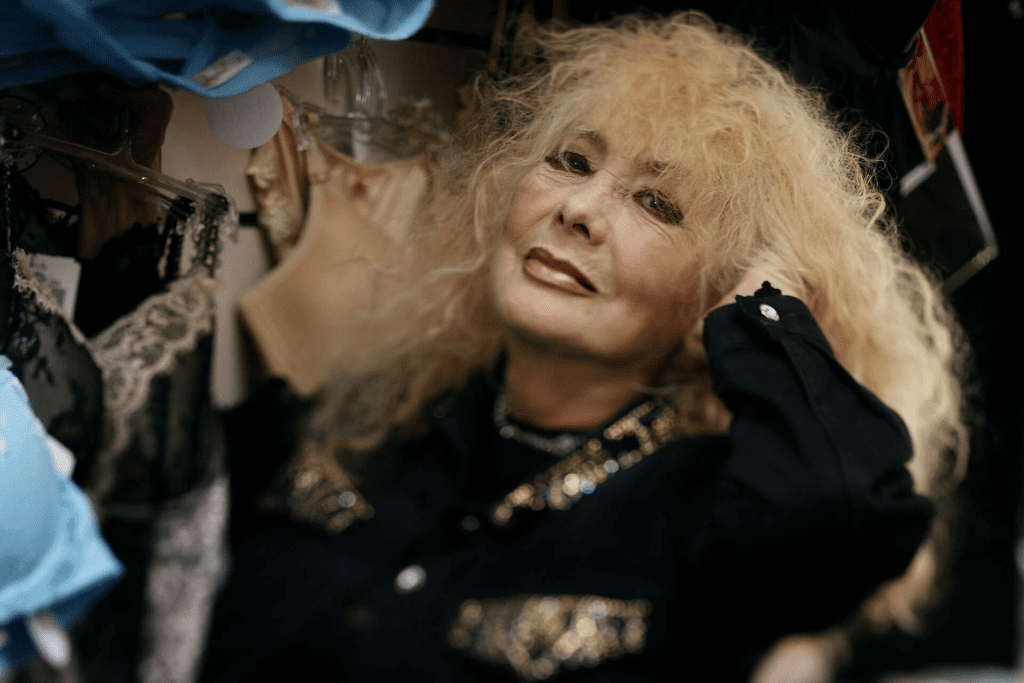
Introduction: why Carol Doda still matters today
Every era has a few people who don’t just follow change—they ignite it. Carol Doda was one of those rare sparks. In the heart of San Francisco during the 1960s, she helped flip the script on nightlife, performance, and personal freedom. Her story isn’t about shock for shock’s sake. It’s about courage, timing, and a city ready to breathe differently. Let’s take a walk through her life, from gritty beginnings to cultural legend, and see why her name still echoes decades later.
Early life and growing up fast in California
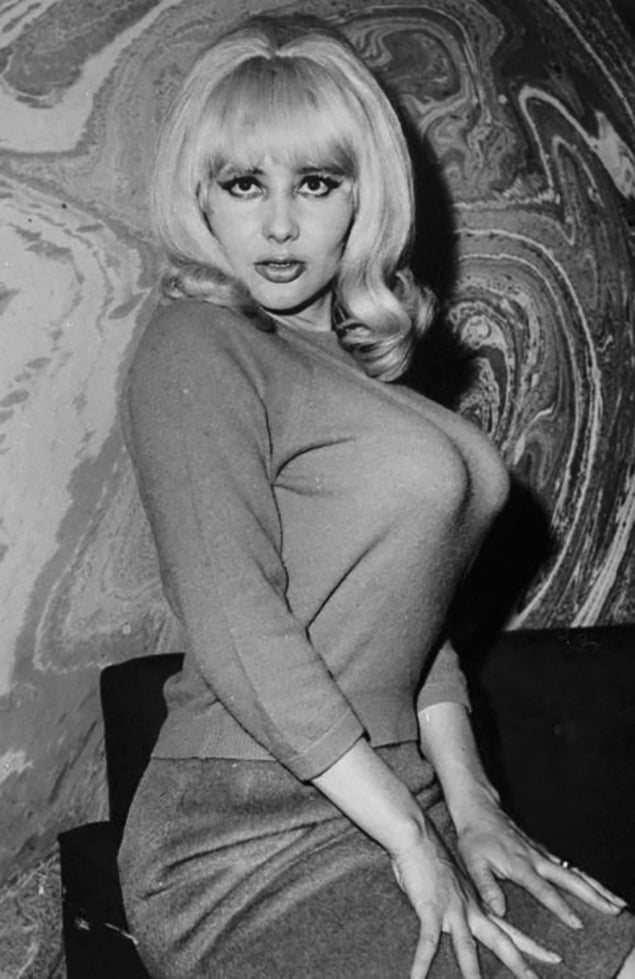
Carol Ann Doda was born on August 29, 1937, in Vallejo, California, and spent much of her youth in San Francisco. Life didn’t hand her easy cards. Her parents separated when she was very young, and stability wasn’t guaranteed. She left school early and started working as a cocktail waitress at just fourteen. That’s not a childhood most people imagine, but it forged resilience.
Those early years taught her how to read a room, connect with strangers, and stand her ground. Picture a teenager navigating busy venues, learning confidence the hard way. It’s often the toughest starts that create the strongest sense of self. For Carol, the city became both her classroom and her stage.
Finding her place in North Beach nightlife
By her late teens, Carol had settled into San Francisco’s North Beach scene, a neighborhood buzzing with music, art, and rebellion. She worked in clubs and lounges where energy mattered more than polish. Eventually, she joined the Condor Club, a lively spot owned by Gino Del Prete and Pete Mattioli.
She began as a dancer, drawing attention with charisma and timing. The Condor already had a pulse, but Carol added electricity. It felt like a meeting of forces: a city hungry for expression and a performer unafraid to step forward.
The moment that changed everything
On June 19, 1964, history tilted. Carol made an entrance that would become legendary, descending from the ceiling on a hydraulic piano during her performance. What followed wasn’t just a bold act—it was a cultural statement. The audience response was immediate and overwhelming. Lines stretched around the block, and the Condor Club transformed into a landmark overnight.
She performed multiple shows each night, blending movement with popular music of the time. A towering neon sign outside the club celebrated her presence, glowing over Broadway Street. Ask yourself this: how often does one person reshape an entire industry with a single decision? That’s the kind of impact Carol had.
Signature elements that defined her performances
Several details made Carol’s shows unforgettable. The piano entrance created anticipation. The music connected her to the era’s youthful energy. Most importantly, her confidence set the tone. She wasn’t playing a role forced upon her. She owned the stage, and audiences felt that authenticity instantly.
Over time, she refined her performances, always keeping them fresh. The goal wasn’t repetition. It was connection. That mindset kept crowds coming back year after year.
Media attention and cultural conversation
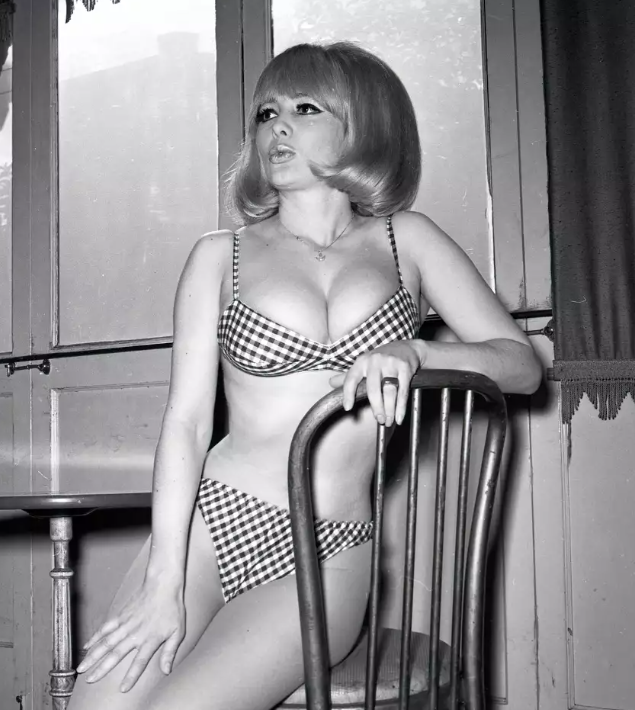
The spotlight followed quickly. Newspapers, magazines, and commentators debated what Carol represented. Some praised her as a symbol of liberation. Others criticized the change she embodied. But no one ignored her. Influential writers captured her impact as part of a broader cultural shift, placing her alongside the changing attitudes of the 1960s.
Celebrities, artists, and even politicians visited the Condor Club. Carol appeared in films and pop culture projects, further cementing her place in the era’s story. In many ways, she bridged the gap between the buttoned-up past and a more expressive future.
Reinvention beyond the spotlight
Carol never stayed frozen in one chapter. As the years passed, she explored new ways to perform and connect. In the late 1960s and 1970s, she expanded into television appearances and other entertainment ventures. Later, she stepped back from constant stage performances without abandoning creativity.
She opened a boutique focused on fashion, channeling her entrepreneurial instincts. Music remained part of her life, and she eventually fronted a band, performing in smaller, more intimate venues around North Beach. Think of it like swapping a stadium for a jazz club—same passion, different rhythm.
Personal life and quiet strength
Behind the public image, Carol valued privacy. Her personal life included early marriages and two children, though family connections were complicated over time. She experienced loss, including the passing of her daughter, a pain she carried quietly.
Friends often described her as warm, proud, and deeply loyal. She found happiness in routines, familiar faces, and the city she loved. Fame didn’t harden her. If anything, it made her appreciate simplicity even more.
Later years and lasting influence
Health challenges emerged in her later years, and she gradually retreated from public life. Carol passed away peacefully on November 9, 2015, at the age of 78, due to complications from kidney failure. She spent her final chapter in San Francisco, surrounded by the city that shaped her and was shaped by her in return.
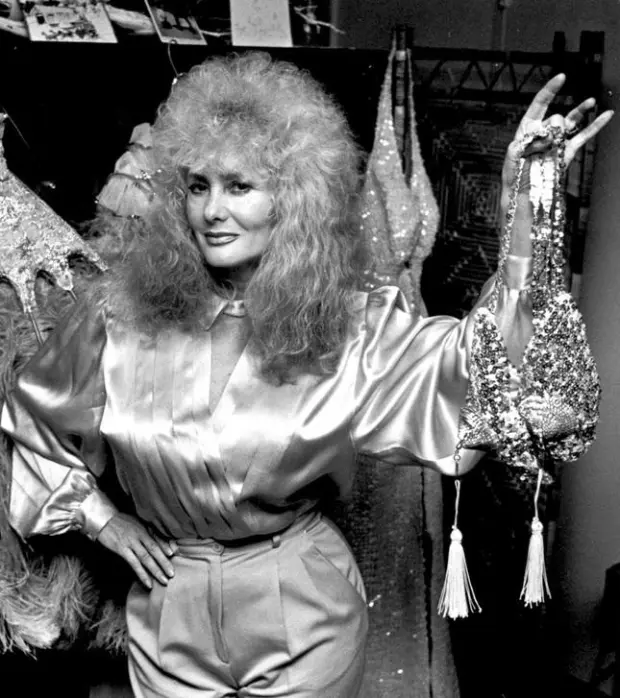
Today, her legacy lives on through documentaries, historical recognition, and ongoing conversations about cultural change. The Condor Club’s place in history remains tied to her name, and retrospectives continue to introduce her story to new generations.
Why Carol Doda’s legacy endures
Carol Doda wasn’t trying to be a symbol. She was simply being herself in a moment ready for transformation. That authenticity is why her impact lasted. She showed that confidence can be revolutionary, that performance can spark dialogue, and that one person can influence an entire cultural shift without losing their humanity.
Her life reminds us that change doesn’t always arrive quietly. Sometimes it descends from the ceiling, bold and unapologetic, inviting the world to see things differently.
Conclusion: remembering a woman who helped redefine an era
Carol Doda’s journey from a young waitress in San Francisco to a trailblazing entertainer is a story of bravery, adaptability, and joy. She helped redefine nightlife, challenged social norms, and left an unmistakable mark on cultural history. Through reinvention, personal trials, and quieter later years, she stayed true to herself and her city. Decades later, her story still shines as a reminder that real change often begins with one fearless step onto the stage.