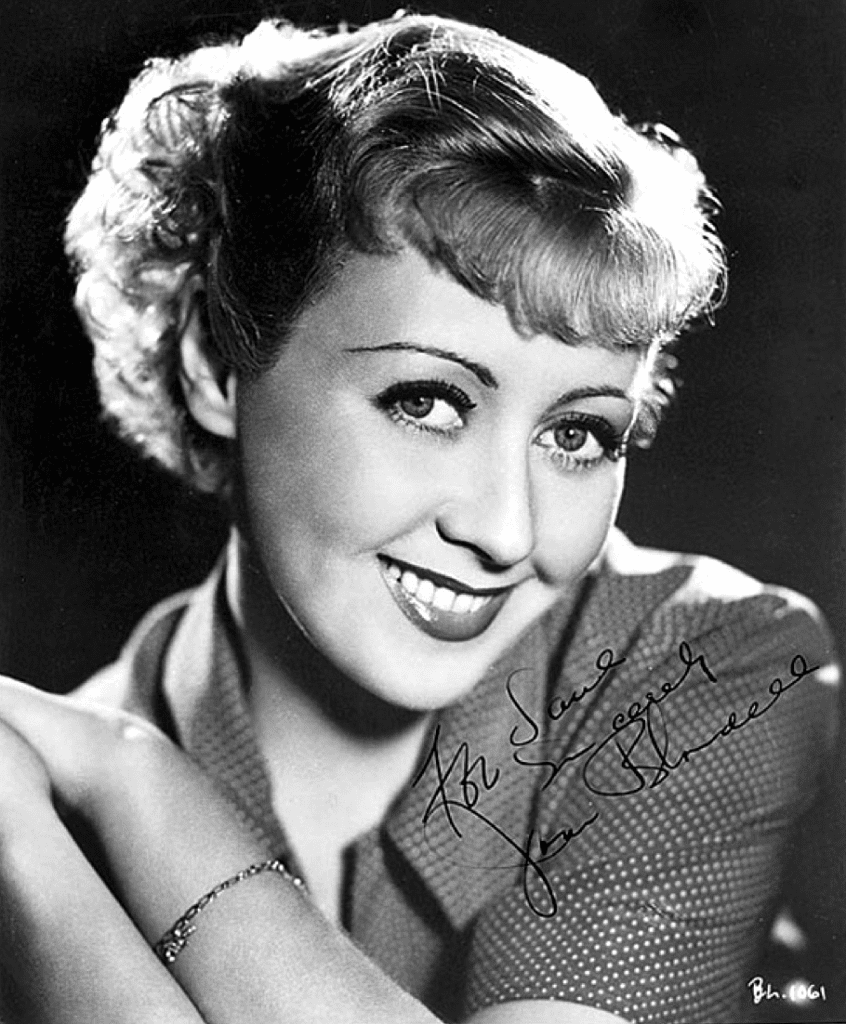
Joan Blondell: The Golden Age Firecracker Who Defined Hollywood Wit and Heart
Ever watch a classic black-and-white film and feel instantly drawn to a woman with sparkling eyes, fearless humor, and a presence that steals every scene? That’s Joan Blondell—a star whose energy leapt from the screen and never let go. Born Rose Joan Blondell on August 30, 1906, in New York City, she became one of Hollywood’s most beloved performers, lighting up cinema for more than five decades. From vaudeville stages to Pre-Code comedies, musicals, and later character roles, her career reads like a masterclass in adaptability, grit, and charm. Let’s take a conversational stroll through her remarkable life and legacy.
Vaudeville Beginnings: Growing Up Under the Footlights
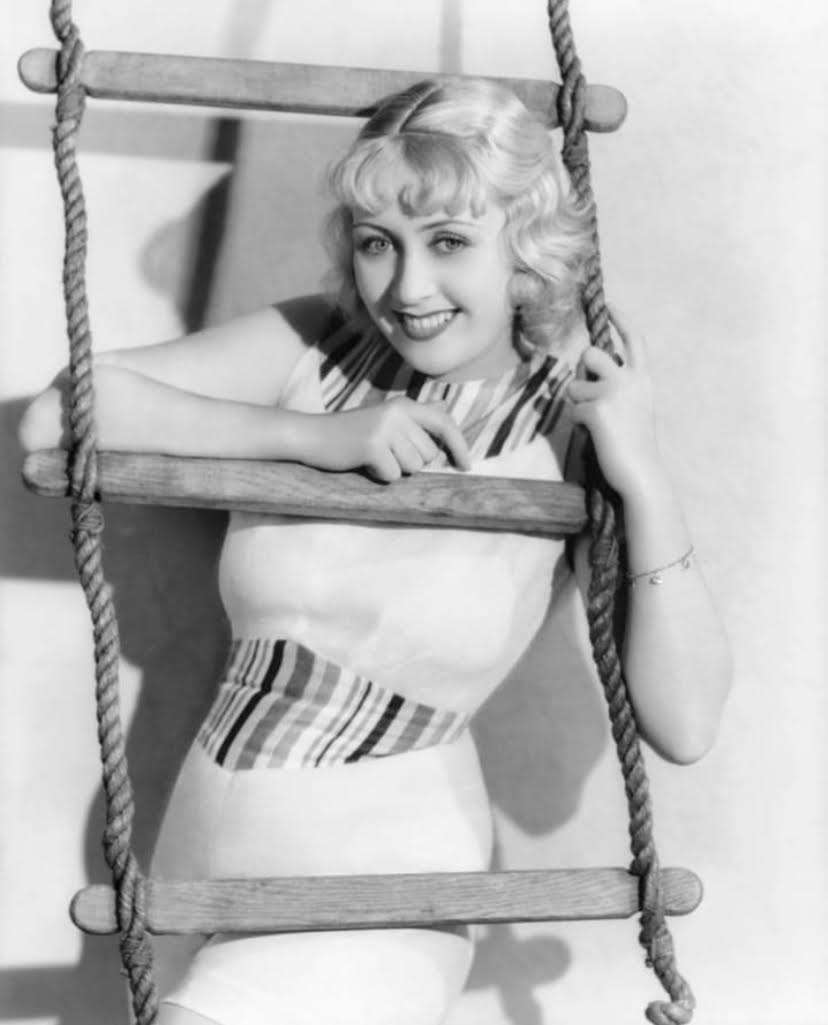
Joan’s childhood wasn’t spent in a single hometown—it unfolded on the road. Her parents, Eddie and Kathryn Blondell, were vaudeville performers, and show business was the family trade. Legend has it she appeared on stage at just four months old, carried in a cradle. Imagine that: your first memories wrapped in applause and stage lights.
Touring took the family across the United States and overseas, including Europe and Australia. Formal schooling came and went, but real education happened nightly onstage. Those early lessons—timing, resilience, reading a room—shaped Joan’s instinctive screen presence. It’s like learning to surf before you can walk; once the waves hit, you already know how to ride them.
From Pageants to Broadway: A Star Takes Shape
As a teenager, Joan settled briefly in Dallas and entered beauty competitions under the name “Rosebud Blondell.” She won Miss Dallas in 1926 and placed impressively at Miss America. But the crown wasn’t the goal—acting was. She headed to New York, landing roles in Broadway productions and revues like the Ziegfeld Follies.
Her big break came when she starred opposite James Cagney in the stage play Penny Arcade. Warner Bros. saw the spark and adapted it into Sinners’ Holiday (1930), signing Joan to a contract that would define the next decade of her life. The curtain rose on her Hollywood era, and she never looked back.
Pre-Code Powerhouse: The Wisecracking Warner Years
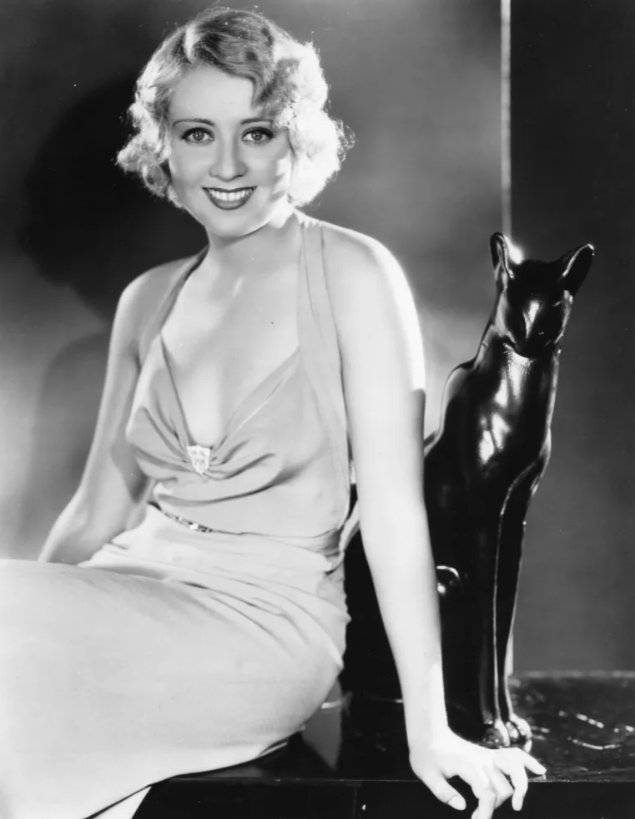
The early 1930s were Joan’s playground. At Warner Bros., she became the queen of quick wit—playing street-smart showgirls, secretaries with bite, and friends who always had the sharpest comeback. Paired often with Glenda Farrell, she formed one of cinema’s most electric duos, appearing together in nine films.
Movies like Gold Diggers of 1933, Footlight Parade, and Dames captured her at full throttle. The Pre-Code era allowed her to be bold and funny without filters, and audiences loved it. During the Great Depression, her characters felt like a strong cup of coffee—uplifting, honest, and brimming with life.
Evolving Roles: From Leading Lady to Character Treasure
By the late 1930s, Joan made a smart pivot. She stepped away from studio contracts to freelance, choosing roles that showcased depth and maturity. One of her most cherished performances came as Aunt Sissy in A Tree Grows in Brooklyn (1945), a role she considered her personal favorite.
She followed with powerful turns in Nightmare Alley (1947) and The Blue Veil (1951), the latter earning her an Academy Award nomination. As the years rolled on, she kept stealing scenes in films like The Cincinnati Kid (1965), Opening Night (1977), and Grease (1978). Even when screen time was brief, her impact was lasting—proof that presence beats volume every time.
Life Beyond the Camera: Love, Family, and Resilience
Joan’s personal life had its share of twists. She married three times, including a high-profile union with actor Dick Powell. Together they raised children, and family remained her anchor through Hollywood’s ups and downs. She also explored writing, penning a novel inspired by her vaudeville roots.
Despite challenges—financial stress, changing industry tides—she kept working, adapting, and showing up with generosity and humor. It’s the kind of resilience that doesn’t shout; it simply endures.
A Lasting Legacy: Why Joan Blondell Still Matters
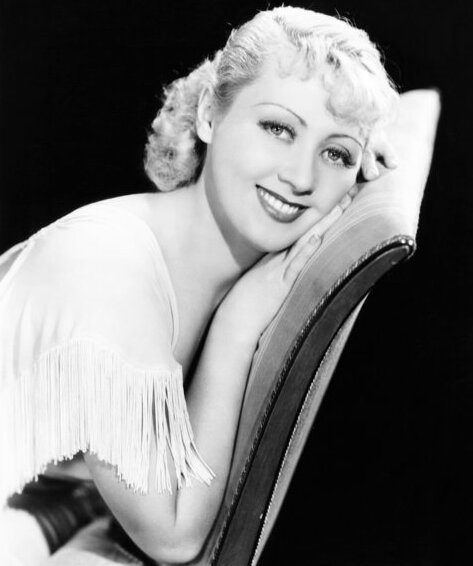
What makes Joan Blondell unforgettable isn’t just her filmography—though over 100 credits is nothing to sneeze at. It’s her spirit. She bridged eras, from silent-era vaudeville to late-70s cinema, bringing warmth, wit, and authenticity to every role. A star on the Hollywood Walk of Fame honors her name, but her real legacy lives in the performances that still feel alive today.
Conclusion
Joan Blondell’s journey—from a cradle on the vaudeville stage to a defining voice of Hollywood’s Golden Age—shows how talent, timing, and heart can create something timeless. She made us laugh during hard times, moved us in quiet moments, and proved that reinvention is an art. Decades later, her spark still jumps off the screen, reminding us why classic cinema continues to enchant. If you ever need a reminder that charisma and kindness never go out of style, cue up a Joan Blondell film and let the magic roll.