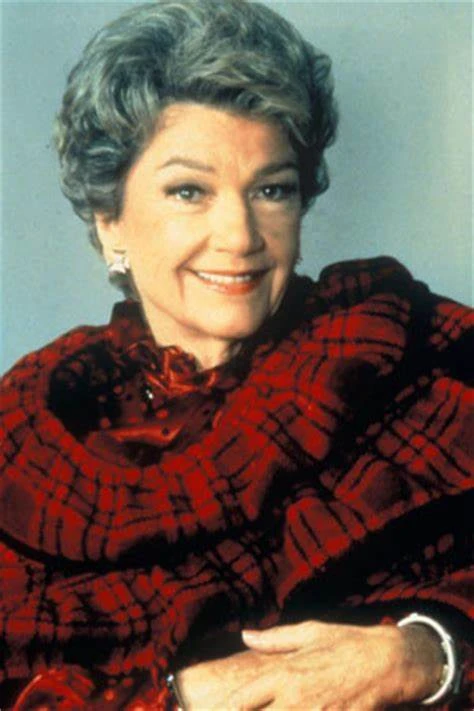
Why Anne Baxter Still Captivates Film Lovers Today
Have you ever watched a classic movie and felt drawn to one performer who doesn’t shout for attention but commands it anyway? That magnetic pull is exactly what Anne Baxter brought to the screen. She wasn’t just beautiful or talented — she was deliberate. Every glance, every pause, every line felt purposeful.
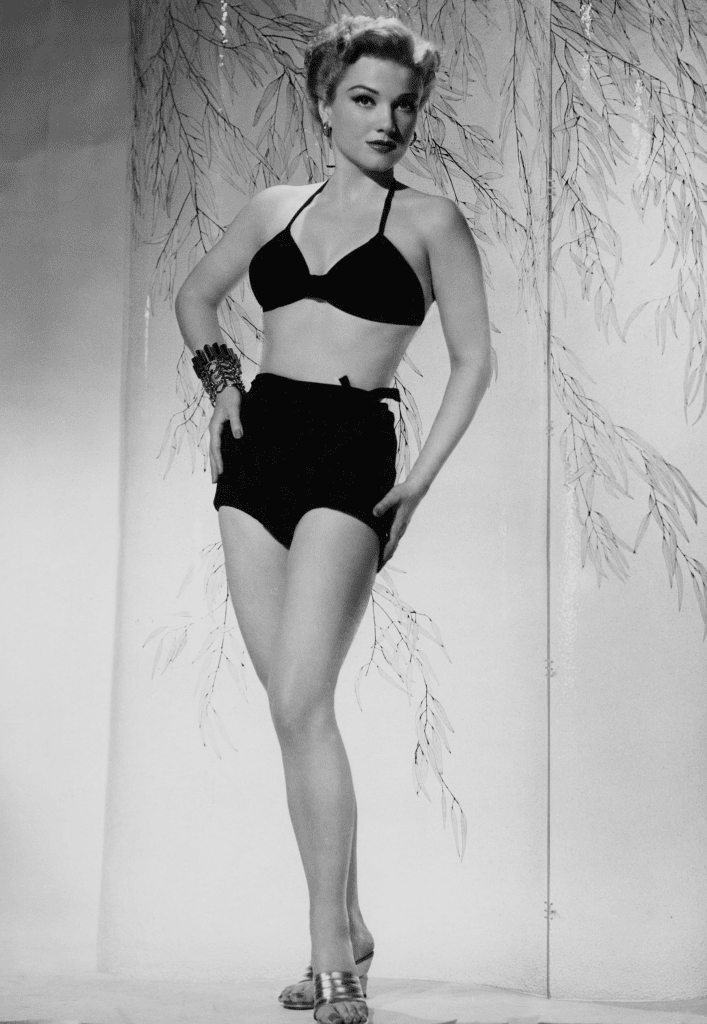
Anne Baxter belonged to Hollywood’s Golden Age, but her work feels timeless. She delivered emotional depth long before it became fashionable, and she never relied on gimmicks. Instead, she trusted intelligence, restraint, and raw honesty. That’s why her performances still hold up decades later.
A Creative Childhood Rooted in Artistic Legacy
Anne Baxter was born on May 7, 1923, in Michigan City, Indiana, into a family steeped in creativity. Her mother was the daughter of the legendary architect Frank Lloyd Wright, a man whose vision reshaped modern design. That artistic DNA mattered. It shaped how Anne saw the world and how seriously she took creative expression.
The family later moved to New York City, where Anne attended the prestigious Brearley School. At just ten years old, after watching Helen Hayes perform on Broadway, she declared she would become an actress. No hesitation. No backup plan. That clarity at such a young age is rare.
By thirteen, Anne made her Broadway debut in Seen but Not Heard. She wasn’t playing at acting — she was already doing the work. Formal training followed under Maria Ouspenskaya, one of the most respected acting teachers of the era. Discipline and craft became her foundation.
Hollywood Calling and the Road to Recognition
In 1940, Anne Baxter headed west after signing a contract with 20th Century-Fox. She initially tested for Alfred Hitchcock’s Rebecca, but the studio felt she was too young for the lead. Still, they recognized her potential and kept her on.
Early roles were modest, but momentum built quickly. She appeared in Orson Welles’ The Magnificent Ambersons, delivering a poised, emotionally grounded performance. During World War II, she took on patriotic roles in films like The North Star and The Fighting Sullivans, proving she could balance sincerity with strength.
Then came the role that changed everything.
The Performance That Won Her an Oscar
In 1946, Anne Baxter stunned audiences in The Razor’s Edge. As Sophie MacDonald, a woman shattered by grief and emotional loss, Anne gave a performance that felt almost too real. Her portrayal was devastating, vulnerable, and fearless.
The Academy took notice. She won the Oscar for Best Supporting Actress, along with a Golden Globe. Anne later revealed she drew on personal grief to access that emotional depth. It wasn’t acting as display. It was acting as truth.
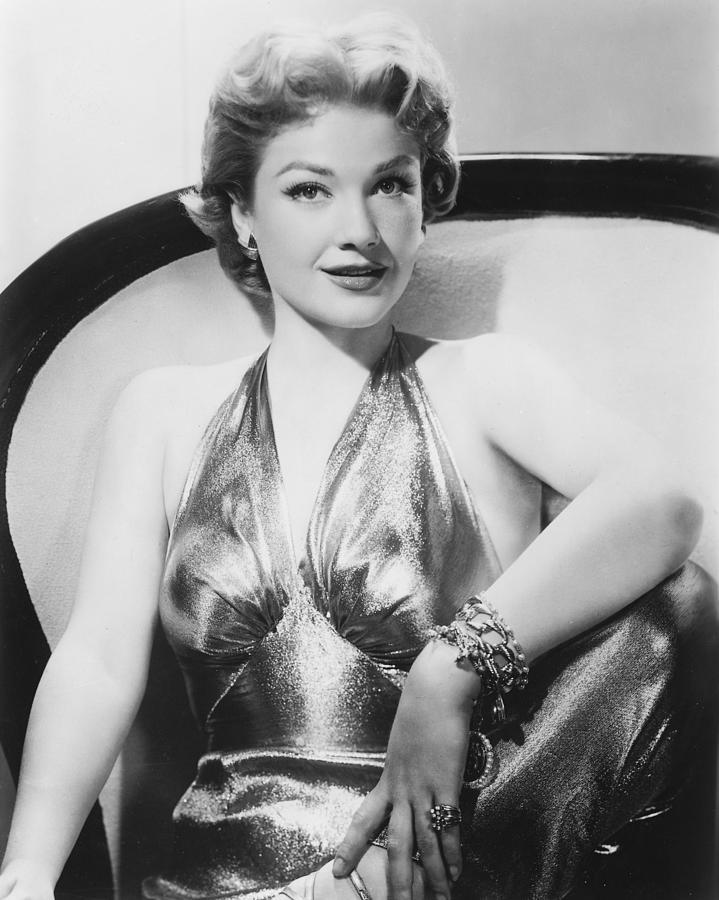
That performance cemented her reputation as one of Hollywood’s most serious talents.
Eve Harrington and a Career-Defining Role
If Anne Baxter’s Oscar proved her skill, All About Eve made her unforgettable. As Eve Harrington, the ambitious young actress who quietly manipulates her way to the top, Anne delivered one of cinema’s greatest performances.
What made Eve chilling wasn’t cruelty. It was control. Anne played her with sweetness that slowly cracked to reveal calculation underneath. She refused to be campy. Instead, she was precise. That precision made Eve terrifying.
Anne earned an Academy Award nomination for Best Actress and famously refused to be moved into the supporting category. She believed in the role, and history proved her right. Eve Harrington remains one of film’s most iconic characters.
Epic Films and Standing Among Legends
Anne Baxter never shied away from large-scale projects. She starred opposite Gregory Peck in Yellow Sky, blending toughness with elegance. Then came Cecil B. DeMille’s monumental The Ten Commandments.
As Nefretiri, the Egyptian princess torn between power and love, Anne stood tall beside Charlton Heston and Yul Brynner. She brought restraint to spectacle, grounding the epic with emotional credibility. DeMille insisted she keep her natural features, believing her face conveyed authority without excess.
It was another reminder that Anne didn’t need exaggeration to dominate a frame.
Personal Life and a Brave Change of Direction
Off-screen, Anne lived boldly. She married actor John Hodiak and had a daughter before the marriage ended. In 1960, she married rancher Randolph Galt and made a surprising choice — she stepped away from Hollywood.
Anne moved to Australia and later New Mexico, raising her children and living a quieter life. At a time when most actors clung to relevance, she chose perspective. She later chronicled this chapter in her memoir Intermission: A True Story, offering an honest look at fame, exhaustion, and reinvention.
Her third marriage ended tragically when her husband passed away shortly after they wed, another reminder that her life carried as much drama as any script.
Return to the Stage and Television Success
Anne eventually returned to acting, adapting as the industry changed. In a poetic full-circle moment, she took over Bette Davis’s role in the Broadway musical Applause, a project directly inspired by All About Eve.
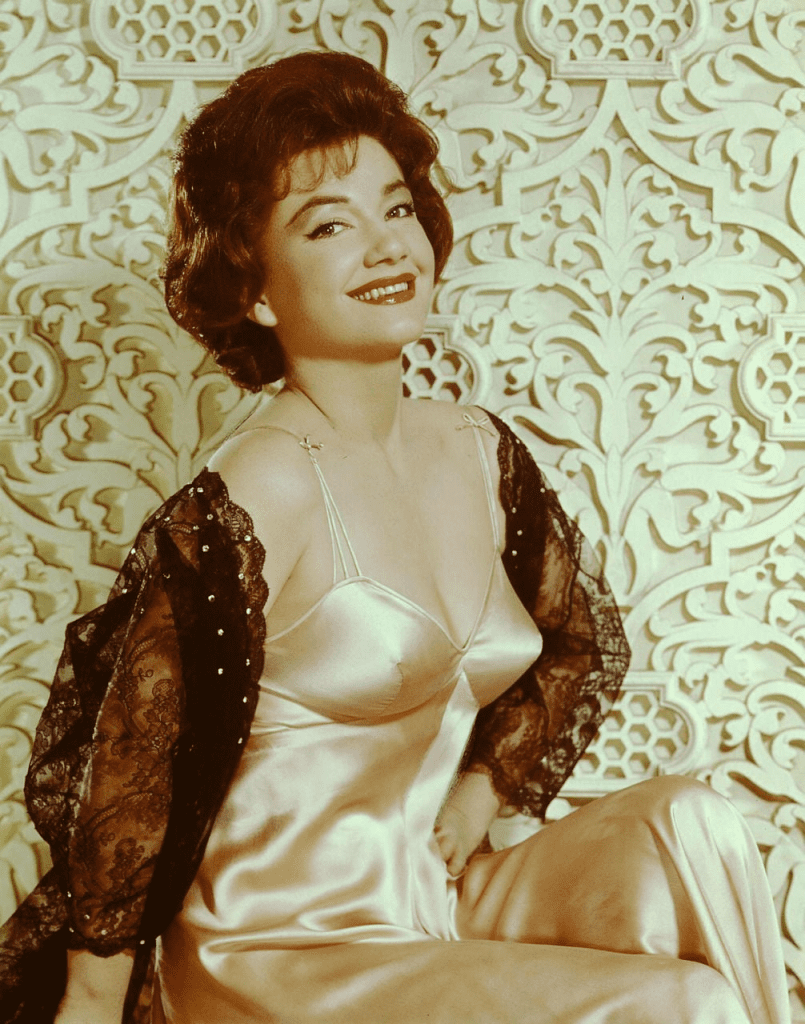
Television became her new arena. She earned an Emmy nomination for The Name of the Game and later enjoyed a successful run as Victoria Cabot on the series Hotel. Guest appearances on popular shows kept her visible, respected, and working.
She never chased trends. She chose roles that suited her voice and experience.
A Sudden Farewell and Enduring Impact
Anne Baxter passed away unexpectedly on December 12, 1985, after suffering a brain aneurysm while walking in New York City. She was only 62. The loss shocked fans and colleagues alike.
Yet her legacy didn’t fade. Her performances continue to be studied, admired, and rediscovered by new generations.
Conclusion: Why Anne Baxter’s Legacy Still Shines
Anne Baxter wasn’t loud. She didn’t rely on spectacle or scandal. She trusted intelligence, emotional truth, and discipline — and that trust paid off. From her Oscar-winning heartbreak to her unforgettable turn as Eve Harrington, she brought depth to every role.
Her career reminds us that real power on screen doesn’t come from excess. It comes from control, clarity, and conviction. Decades later, Anne Baxter’s work still resonates, proving that true artistry never goes out of style.