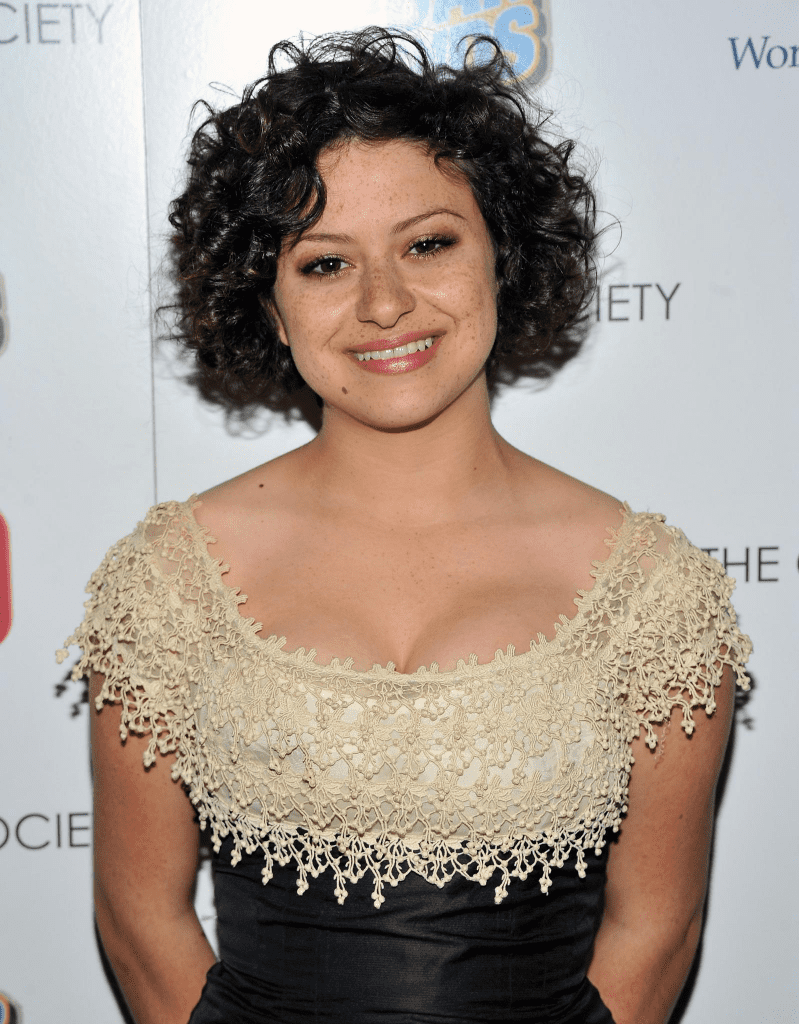
Introduction: Why Alia Shawkat Feels Different
Some actors chase attention. Others earn it without ever asking. Alia Shawkat belongs firmly in the second group. Watching her work often feels like discovering a hidden detail in a painting—the kind you miss at first glance, then can’t stop thinking about. She doesn’t overwhelm a scene. She settles into it, lives there, and lets truth do the heavy lifting. Over the years, that approach has quietly shaped one of the most interesting careers in modern film and television.
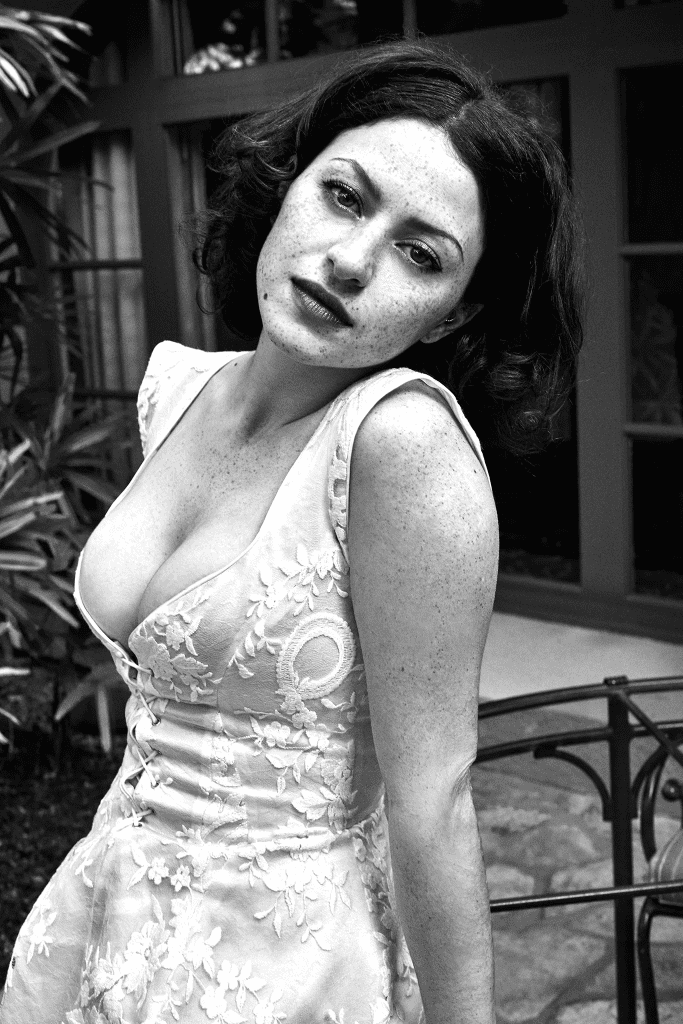
Roots in the Desert: A Childhood That Shaped Her Perspective
Alia Martine Shawkat was born on April 18, 1989, in Riverside, California, and raised in Palm Springs. Growing up in the desert gave her a unique sense of space and stillness—qualities that later showed up in her performances. Her father is Iraqi-American, her mother Norwegian-American, and her upbringing blended cultures in a way that felt natural rather than performative.
Creativity was always nearby. Her maternal grandfather, actor Paul Burke, introduced the idea of performance early on, but Alia didn’t rely on legacy. She started modeling as a child, appeared in commercials, and landed her first film role at age ten in Three Kings. These early experiences weren’t glamorous, but they were grounding. They taught her how sets work, how to listen, and how to observe—skills that would become her quiet superpower.
Early Television Years: Learning the Craft Without the Spotlight
Before becoming a recognizable face, Alia Shawkat spent her teenage years working steadily. On Nickelodeon’s State of Grace, she played Young Hannah Rayburn, gaining experience without the pressure of instant celebrity. This period mattered. She learned to approach acting as work, not spectacle.
Those years shaped her discipline. Instead of chasing attention, she focused on consistency. Line by line, scene by scene, she learned how to make small moments feel lived-in. That foundation would pay off in a big way sooner than anyone expected.
The Role That Defined a Generation: Maeby Fünke
In 2003, Alia Shawkat stepped into the role of Maeby Fünke on Arrested Development, and everything changed. At just fourteen, she held her own alongside seasoned performers like Jason Bateman and Jessica Walter. Maeby was sarcastic, clever, and emotionally sharper than the adults around her. Alia delivered every line with deadpan precision.
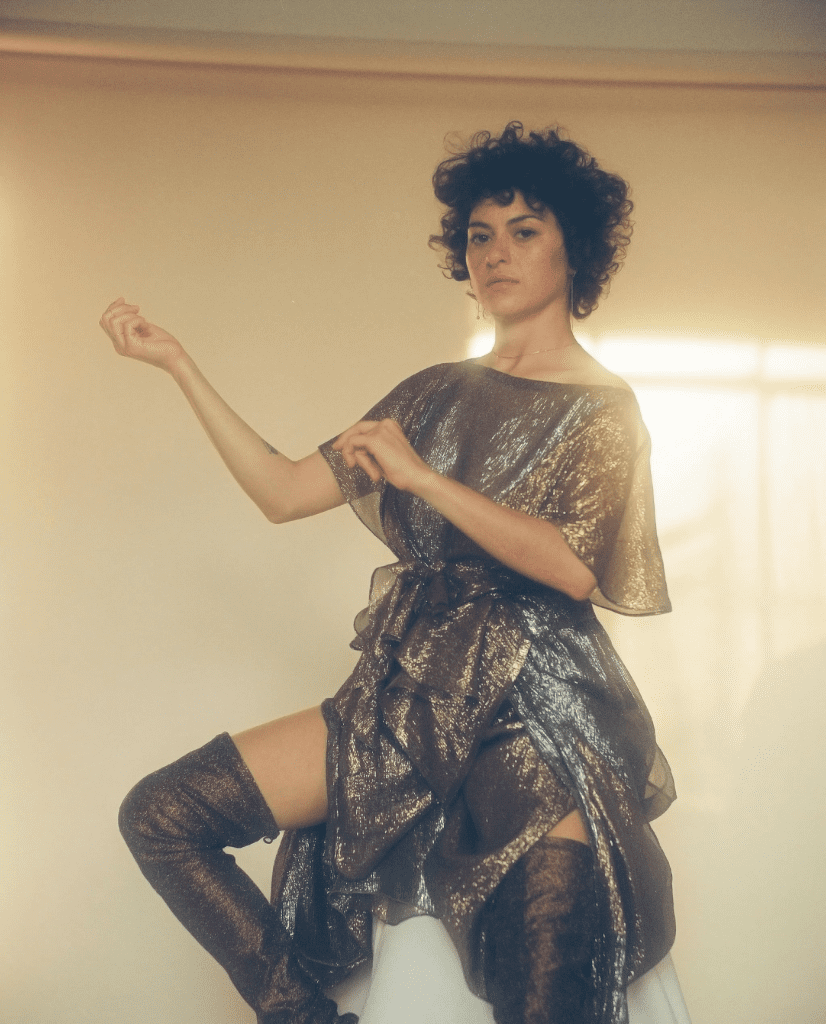
The show’s original run and later revival gave her nearly two decades with the character. While some actors struggle to escape a defining role, Alia used it as a springboard. She openly acknowledged mixed feelings about being so closely associated with Maeby, but instead of resisting it, she leaned forward—choosing projects that proved her range went far beyond comedy.
Choosing Indie Films Over Easy Fame
Rather than jumping into blockbuster territory, Alia Shawkat made a deliberate choice. She gravitated toward independent films where nuance mattered more than scale. In Whip It, Green Room, and First Cow, she explored vulnerability, toughness, and quiet humanity.
Her performances often feel understated, but that’s the point. She doesn’t signal emotion; she lets it emerge. Films like The Final Girls, Animals, and Being the Ricardos showed her ability to support a story without stealing focus—while still being unforgettable. In Atropia, she not only starred but also stepped behind the scenes as an executive producer, proving she understands storytelling from every angle.
Television Reinvention: Search Party and Complex Women
If Arrested Development introduced Alia Shawkat to the world, Search Party reintroduced her on her own terms. As co-creator, producer, and star, she shaped Dory Sief into one of television’s most complicated characters. Dory was flawed, obsessive, funny, and deeply human. Watching her felt like holding up a mirror you weren’t always comfortable with.
The show’s five-season run moved effortlessly between comedy, thriller, and satire. Alia didn’t smooth out the character’s edges. She embraced them. That honesty made the performance resonate long after the series ended. Roles in The Old Man and other television projects continued that pattern—smart stories, complicated people, no shortcuts.
Life Beyond the Camera: Creativity, Identity, and Balance
Away from the screen, Alia Shawkat keeps her life intentionally grounded. She paints, draws, sings jazz standards, and even welds metal sculptures. These creative outlets aren’t hobbies—they’re extensions of how she processes the world.
She’s also open about identity, motherhood, and values, but never in a performative way. Welcoming her first child in 2023 marked a new chapter, one that added depth rather than distraction. She’s selective with projects now, guided by meaning instead of momentum.
Theater and the Road Ahead in 2026
As 2026 unfolds, Alia Shawkat continues to evolve. Her upcoming Off-Broadway debut signals a return to the roots of performance—live, immediate, and unfiltered. Theater demands presence in its purest form, and it’s a natural next step for someone who thrives on authenticity.
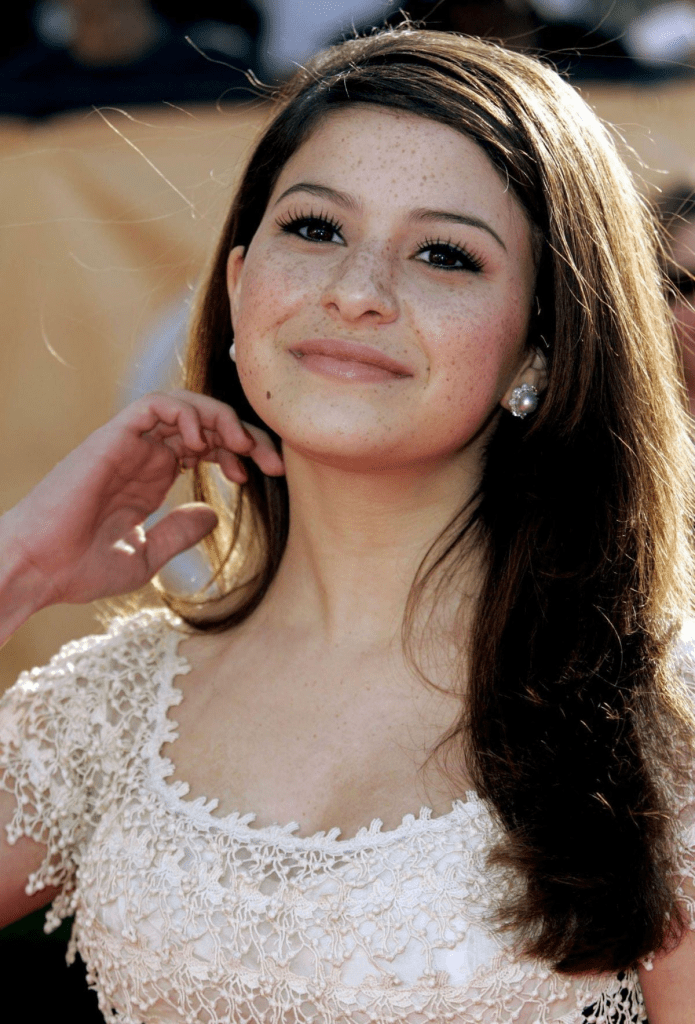
With film, television, voice work, and stage projects ahead, she shows no interest in slowing down. She’s simply choosing carefully, as she always has.
Why Alia Shawkat Endures
What makes Alia Shawkat stand out isn’t volume—it’s resonance. She plays characters who feel real because she allows them to be messy, uncertain, and unfinished. In an industry often obsessed with polish, she reminds us that truth is more compelling.
From a sharp-tongued teenager to a layered adult navigating complex worlds, her career reflects growth without compromise. She doesn’t dominate the screen; she inhabits it. And that’s why her work stays with you.
Conclusion: Quiet Talent That Lasts
Alia Shawkat’s journey proves that lasting impact doesn’t come from chasing trends. It comes from patience, curiosity, and respect for the craft. By choosing depth over noise and honesty over spectacle, she’s built a career that feels personal, thoughtful, and enduring. As she steps into new creative spaces in 2026 and beyond, one thing feels certain: she’ll continue doing what she does best—making us lean in, pay attention, and feel something real.