Early Life and the Spark of Creativity
Born on January 4, 1956, in Charleston, West Virginia, Ann Magnuson grew up with a journalist mother and a lawyer father, giving her a unique perspective on the world. She also had a brother, Bobby, whose later battle with AIDS deeply impacted her personal and artistic life. As a child, Ann displayed a natural curiosity and sensitivity, often hiding in corners to observe the world, soaking up stories that would later shape her eclectic performances. Inspired by the PBS documentary An American Family, she began dreaming beyond the Appalachian hills, imagining a life steeped in art, performance, and cultural exploration.
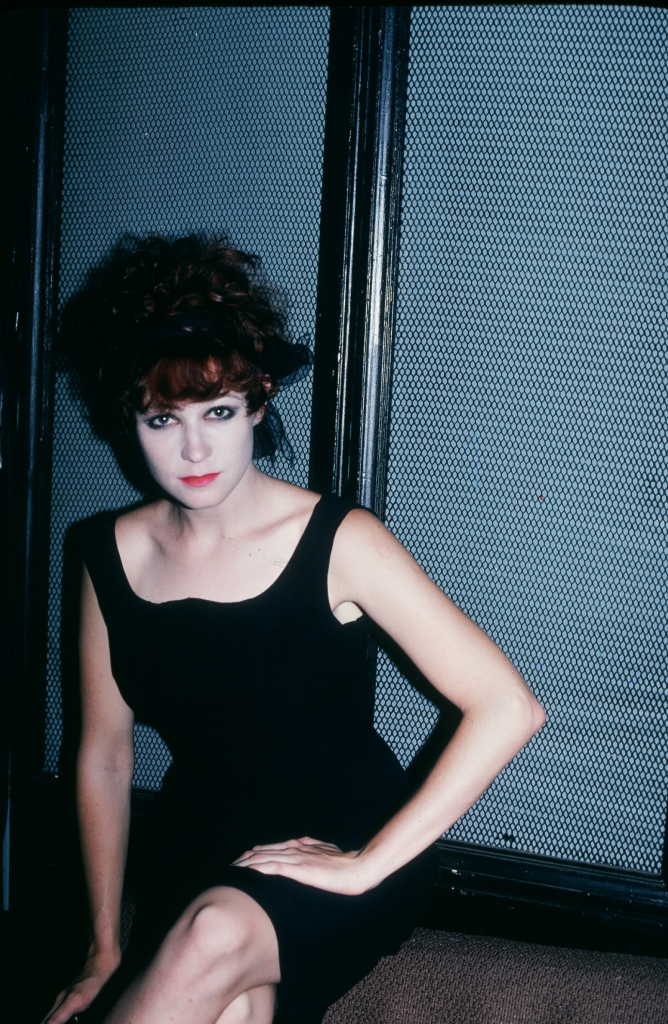
From Small-Town Roots to New York’s Underground Scene
After earning a BFA in Theater and Cinema from Denison University in 1978, Ann moved to New York City and immersed herself in the vibrant downtown arts scene. She began performing at iconic venues such as the Mudd Club and later took over the legendary Club 57, turning a basement space in a Polish National church into a hub for artists like Keith Haring and Kenny Scharf. She brought her playful, fearless energy to the stage, creating eccentric characters such as Anoushka, the Soviet lounge singer with backward wigs and mock-Russian covers of pop hits. Ann also co-founded the all-girl percussion group Pulsallama, releasing quirky tracks like The Devil Lives In My Husband’s Body, which captured the chaotic, rebellious spirit of the early ‘80s downtown scene.
Film and Television Breakthroughs
Ann Magnuson’s screen career flourished in the mid-1980s. Her breakout role came in Susan Seidelman’s Desperately Seeking Susan (1985), where she shared the screen with Madonna and showcased her sharp comedic timing and bold presence. This led to roles alongside John Malkovich in Making Mr. Right (1987) and David Bowie in The Hunger (1983). She also appeared in Tequila Sunrise (1988) and Clear and Present Danger (1994), demonstrating her versatility across genres. On television, Ann became a familiar face in the ABC sitcom Anything but Love (1989–1992), and she later guest-starred in shows like Frasier, Modern Family, CSI: Miami, and Star Trek: Picard.
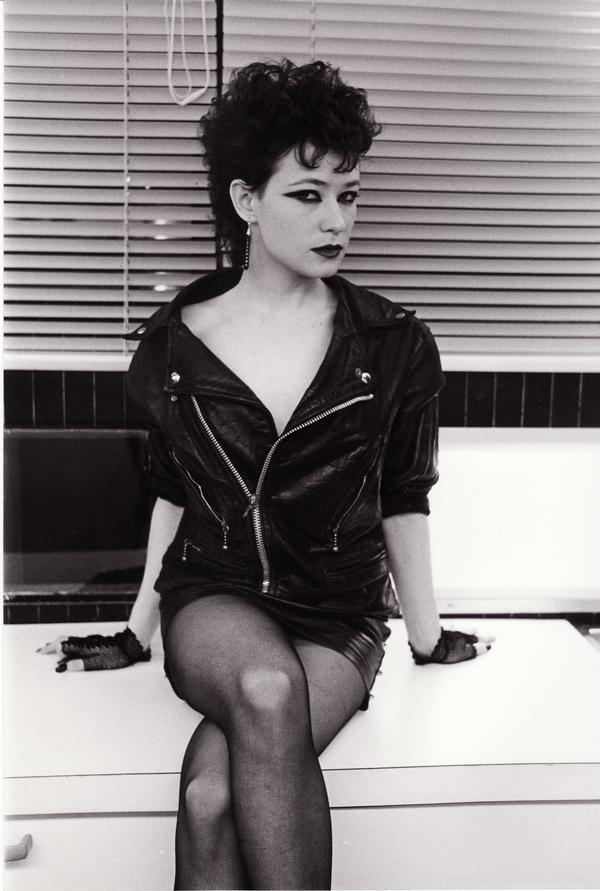
Avant-Garde Music Ventures: Bongwater and Beyond
In 1985, Ann co-founded the experimental band Bongwater with producer Mark Kramer. The group combined spoken word, satire, and psychedelic rock, releasing five albums and cultivating a devoted cult following. Bongwater’s work perfectly captured the downtown chaos and whimsy of the era. After the band dissolved in 1992, Ann pursued a solo music career, releasing albums like The Luv Show (1995), Pretty Songs & Ugly Stories (2007), and Dream Girl (2016), while collaborating with legends such as John Cale. Her live performances and anniversary revivals kept her music fresh, bridging the gap between her downtown roots and contemporary audiences.
Theater, One-Woman Shows, and Curatorial Work
Ann never limited herself to film or music. She became renowned for her one-woman shows, including You Could Be Home Now (1990), Rave Mom (2001), and Pretty Songs & Ugly Stories. These performances blended storytelling, music, and surreal theatrics. She also performed in plays by Amy and David Sedaris, John Patrick Shanley, and others, proving her versatility. Beyond performance, Ann curated major exhibitions, such as the Club 57 retrospective at MoMA (2017–2018) and the East Village West show in 2011, preserving the legacy of the downtown art movement she helped shape.
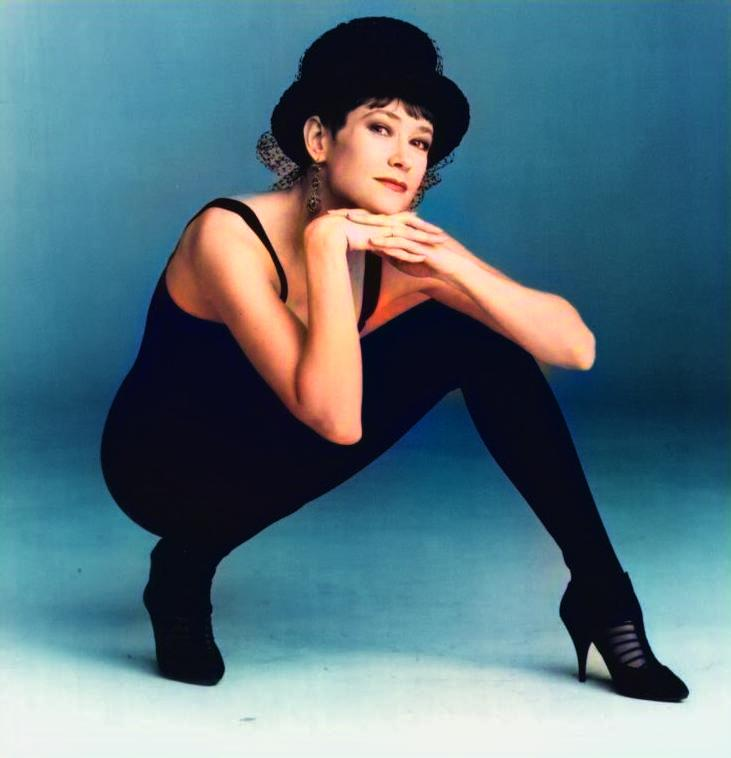
Personal Life and Continued Creativity
In 2002, Ann married architect John Bertram and settled in a Richard Neutra-designed home in Silver Lake, Los Angeles. She balances her personal life with ongoing creative projects, including live music, theater revivals, and her Dream Puppet Theater series. At nearly 70, she remains a vibrant force in the arts, sharing her experiences while mentoring younger generations and supporting causes tied to her brother’s memory.
Legacy and Cultural Impact
Ann Magnuson is more than an actress or musician — she’s a cultural chameleon whose work embodies the energy, irreverence, and innovation of 1980s downtown New York. From curating art, pioneering experimental music, and redefining performance, to starring in cult films and iconic television roles, she has left an indelible mark across multiple creative fields. Her career exemplifies the power of versatility, fearlessness, and sustained artistic vision.
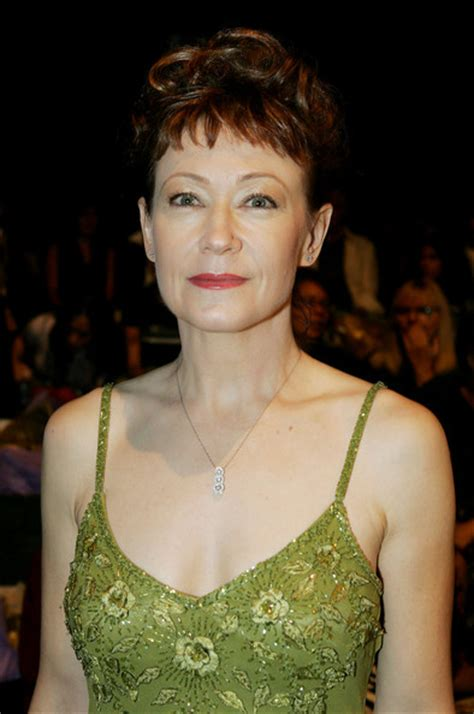
Conclusion: Reinvention and Enduring Influence
Ann Magnuson’s life and career illustrate what it means to thrive across multiple creative worlds. She transformed the downtown scene, created unforgettable music and performances, and captivated audiences on screen and stage. Her story demonstrates the power of relentless curiosity, bold experimentation, and a commitment to authenticity. From West Virginia to the heart of New York and beyond, Ann continues to inspire as a symbol of artistic freedom and enduring impact.