Introduction: When One Role Changes Everything
Some actors spend decades chasing recognition. Others step into a single role and leave a mark that never fades. Molly Peters belongs to that rare second group. Her appearance in a classic spy film made her instantly recognizable across the world, yet her life unfolded far from the noise of endless fame. Curious how a woman from rural England became an unforgettable screen presence and then chose a quieter path? Let’s walk through the remarkable journey of Molly Peters, a story shaped by chance, courage, and grace.
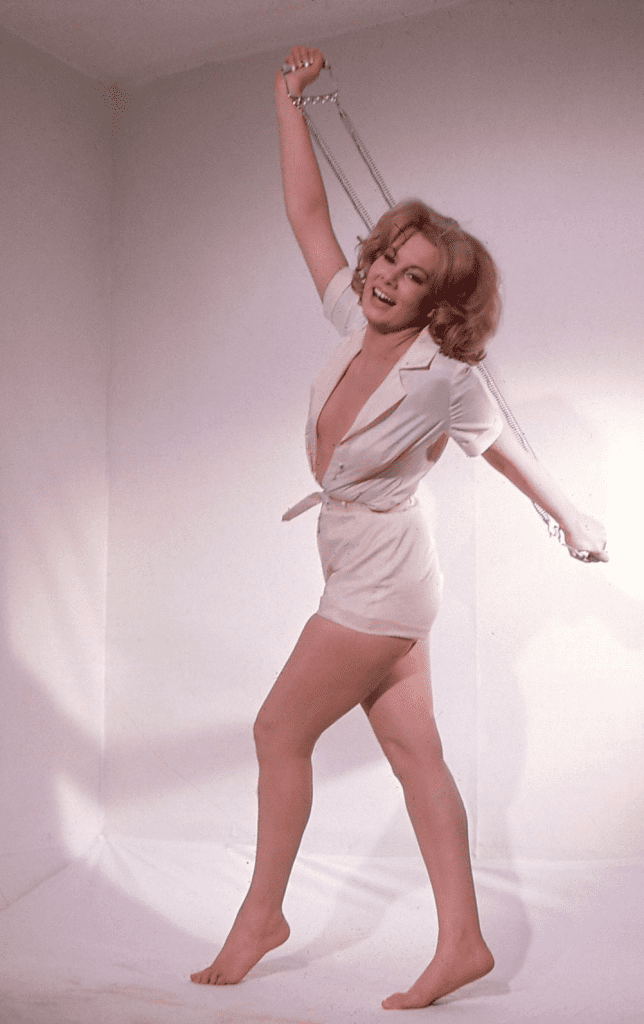
Early Life and Humble Beginnings in Suffolk
Molly Peters was born Vivien Mollie Rudderham on March 15, 1939, in the small village of Walsham-le-Willows, Suffolk. Her childhood couldn’t have been more different from the glamorous image audiences later saw on screen. She grew up surrounded by fields, farms, and a close-knit community, learning the value of hard work early in life.
As a young woman, she moved to London looking for opportunity, not stardom. She worked ordinary jobs, including in retail, simply trying to build a future. Life wasn’t always kind. At a young age, she faced personal challenges that demanded strength and maturity beyond her years. Those experiences shaped her resilience and grounded nature, qualities that stayed with her long after fame arrived.
From Modeling to the Camera Lens
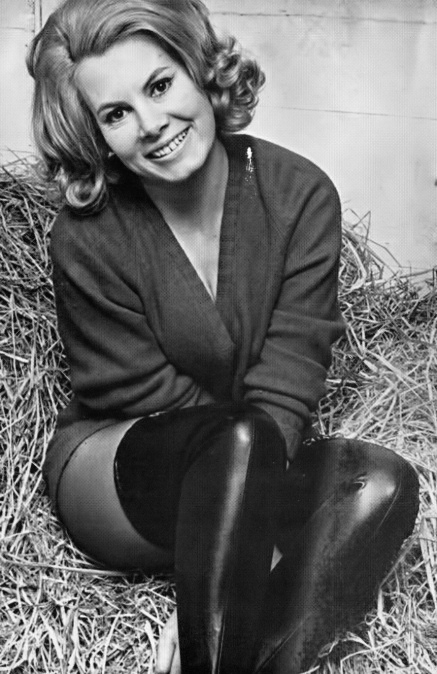
Sometimes, opportunity knocks softly. Friends encouraged Molly Peters to try modeling, and that suggestion changed everything. Her natural elegance and expressive presence made her stand out immediately. She began posing for glamour photography, gaining attention without chasing it.
Modeling opened doors to the entertainment world, where casting directors noticed her calm confidence. She didn’t force herself into the spotlight. Instead, the spotlight found her. This organic rise set her apart in an industry often driven by loud ambition.
Breaking into Acting: A Timely Discovery
Molly Peters’ transition from modeling to acting happened almost by accident. Director Terence Young noticed her and offered her a small, uncredited role in The Amorous Adventures of Moll Flanders in 1965. The part was brief, but it was enough to spark interest.
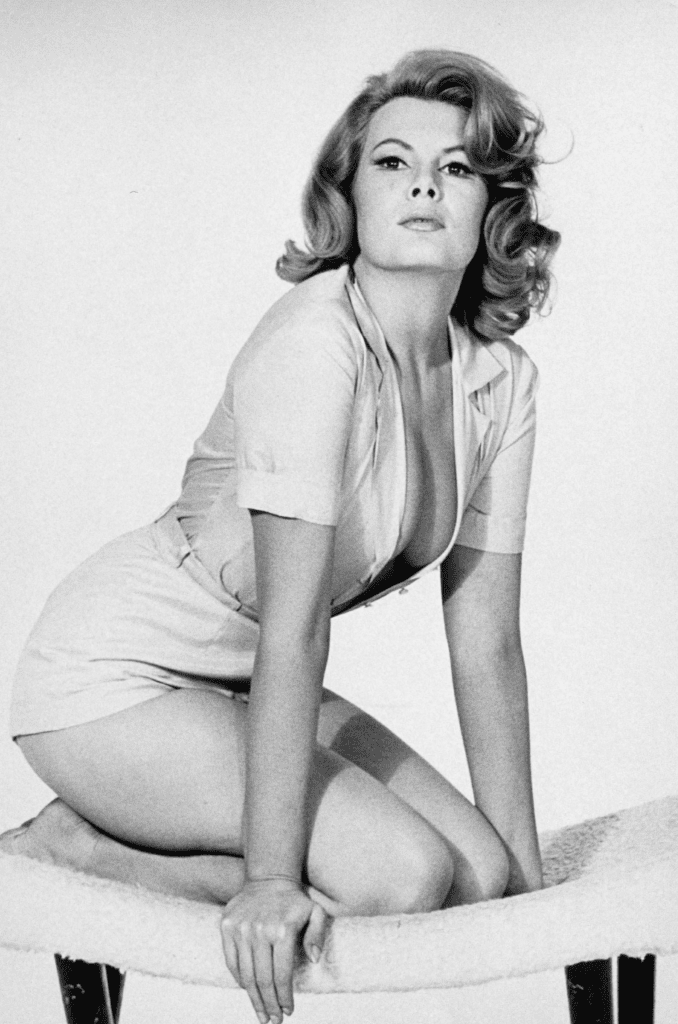
That moment led directly to an audition that would define her legacy. Young remembered her presence and recommended her for a role in a major spy film already generating global excitement. Timing, talent, and trust aligned perfectly.
Thunderball and Instant Global Recognition
In 1965, Molly Peters appeared as Patricia Fearing in Thunderball, starring opposite Sean Connery. The role itself was short, but its impact was massive. As a nurse at a health clinic, her scenes carried an understated intensity that audiences immediately noticed.
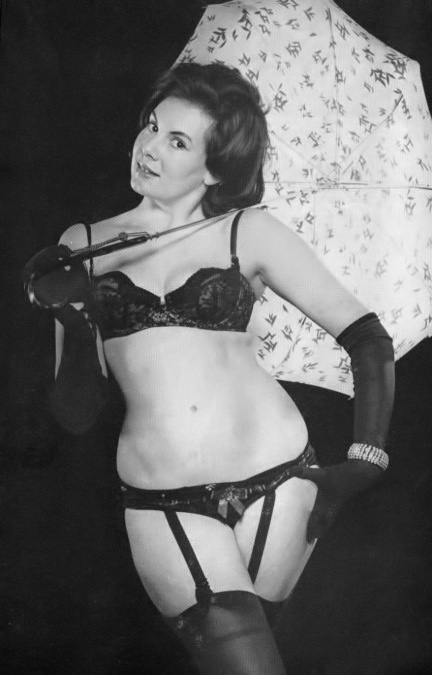
Her appearance became iconic for pushing boundaries at the time, contributing to conversations about changing attitudes in cinema. Yet what truly made the moment memorable wasn’t shock value. It was her poise. She conveyed confidence without excess, mystery without force.
Almost overnight, Molly Peters became part of film history. The movie’s success took her around the world, from premieres to press events, where she experienced fame at full volume. Fans recognized her everywhere. For someone who never chased celebrity, the sudden attention felt surreal.
Working with Legends and On-Set Experiences
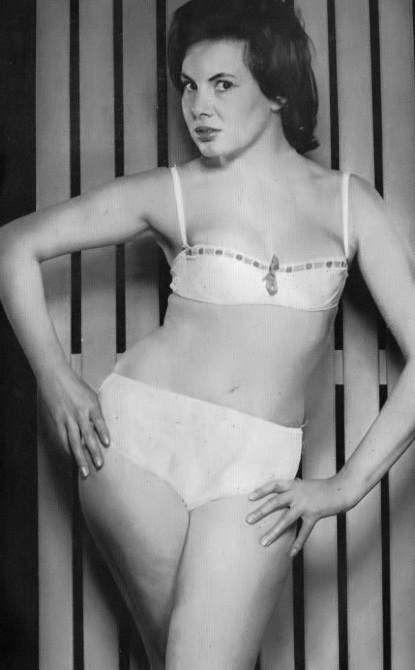
Behind the scenes, Molly Peters remembered the set as professional and surprisingly warm. She spoke fondly of Terence Young’s refined direction and Sean Connery’s playful, respectful energy. Those experiences left her with positive memories rather than industry bitterness.
Unlike many rising stars, she didn’t feel consumed by ambition. She enjoyed the work, appreciated the opportunity, and stayed true to herself. That balance would later influence her life choices.
Why Her Acting Career Ended So Soon
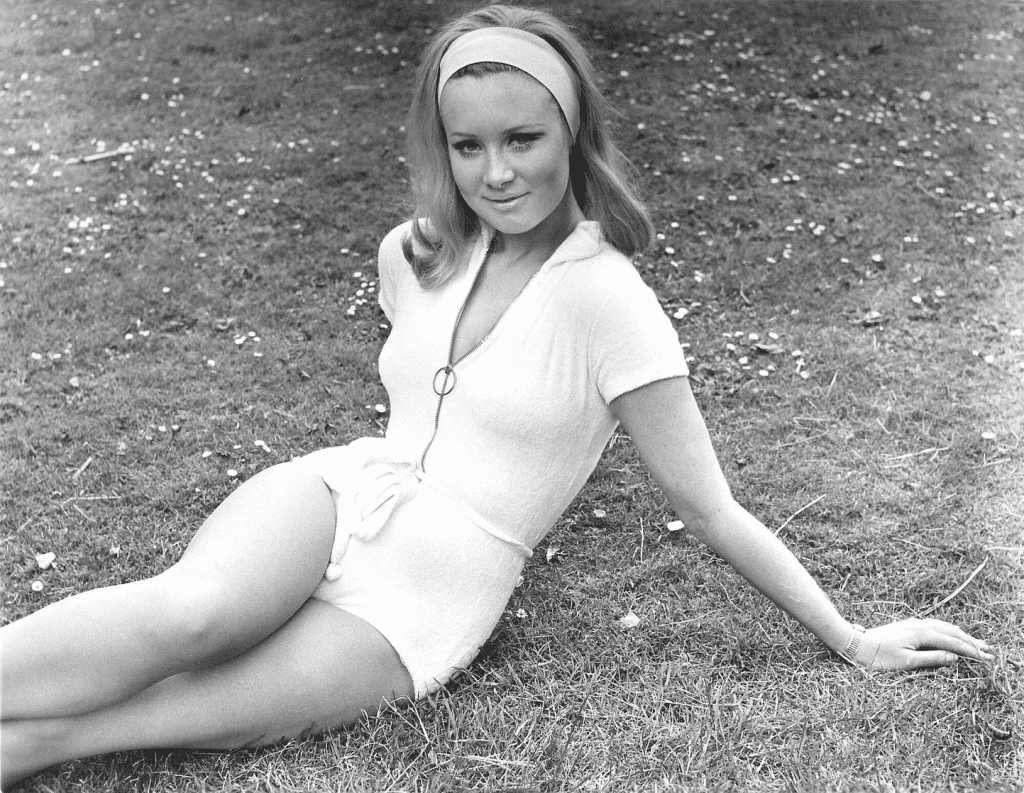
After Thunderball, expectations were high. Many assumed Molly Peters would become a long-term screen presence. She appeared in a few additional projects, including Target for Killing and Don’t Raise the Bridge, Lower the River. Then, almost as quickly as she arrived, she stepped away.
The reason wasn’t a lack of interest from audiences. A professional dispute with her representation restricted her opportunities at a critical moment. Frustrated and unwilling to fight the system, she chose something rare in entertainment: she walked away.
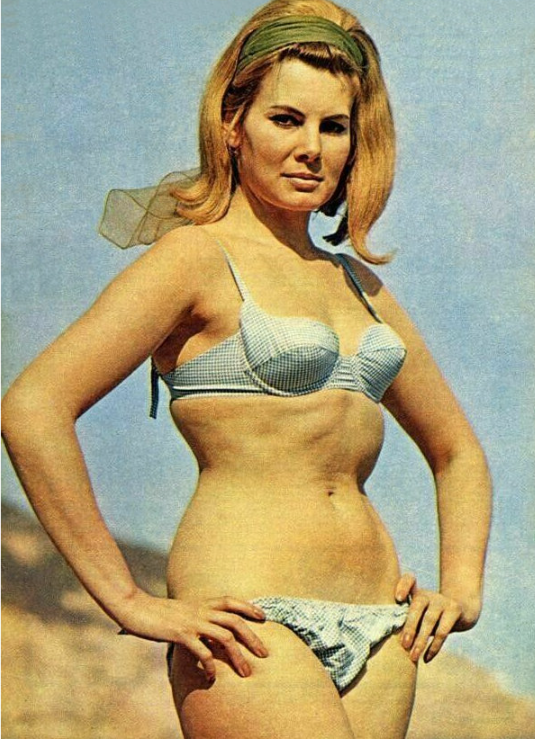
Think of it like a brilliant spark that chooses not to burn endlessly. Molly Peters valued peace over pressure, authenticity over attention.
Life Beyond the Spotlight
Away from the cameras, Molly Peters built a life rooted in family and privacy. She married, settled back in Suffolk, and focused on raising her children. Fame became a chapter, not the whole story.
Life also brought profound sorrow. The loss of her son in 2013 was devastating, a tragedy she described as life-altering. Despite personal hardships, she carried herself with dignity and quiet strength.
In later years, she occasionally appeared at fan events, warmly surprised by how deeply people still remembered her work. She also participated in documentaries reflecting on her film experience, offering insight without bitterness or regret.
Health Challenges and Graceful Resilience
In 2011, Molly Peters suffered a mild stroke, another test of resilience. True to form, she faced recovery privately and without drama. She never sought sympathy, only understanding.
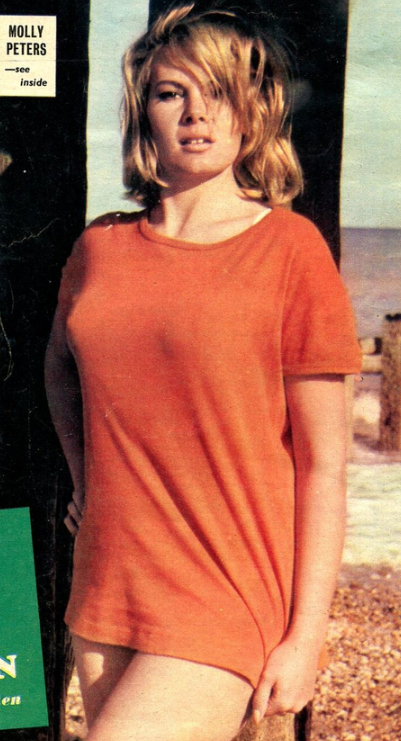
Her approach to life remained consistent: grounded, thoughtful, and sincere. Even as public interest resurged in classic cinema, she stayed comfortable in her own rhythm.
Legacy and Lasting Impact
Molly Peters passed away on May 30, 2017, leaving behind a legacy far larger than her filmography. She remains remembered as a key figure in cinematic history, not because of quantity, but because of impact.
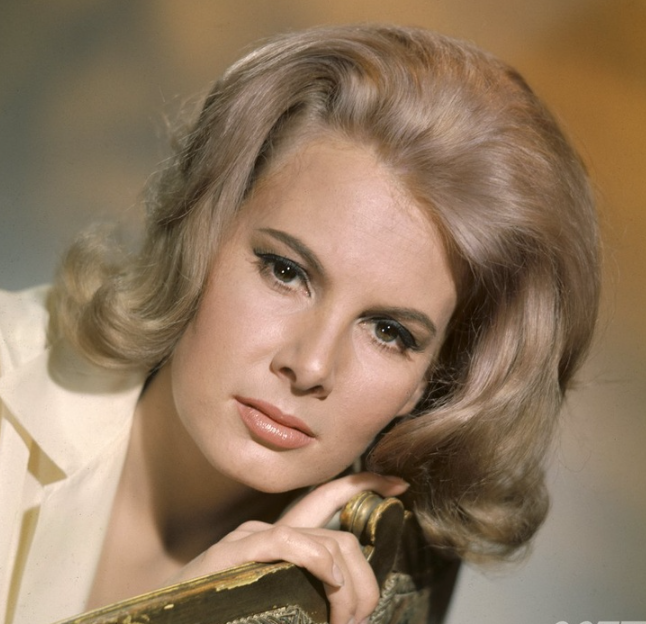
Her story reminds us that influence isn’t measured by time spent in the spotlight. Sometimes, a single moment, delivered with confidence and authenticity, echoes for generations. Like a perfectly timed note in a song, her performance still resonates.
Conclusion: A Life Lived on Her Own Terms
Molly Peters showed the world that success doesn’t have to be loud to be lasting. From rural beginnings to international recognition, and then back to a life of quiet meaning, her journey feels refreshingly human.
She didn’t chase endless roles or cling to fame. She chose dignity, family, and peace. And in doing so, she left behind something rare in entertainment: a legacy defined not by excess, but by elegance. Her story proves that sometimes, stepping away is the most powerful choice of all.