Helga Lehner: From Vienna’s Cultural Heart to an Unforgettable Voice in European Cinema
Have you ever noticed how some talents don’t chase the spotlight, yet somehow leave a deeper imprint than many household names? That’s exactly the story of Helga Lehner. She began as a trained actress in post-war Austria, appeared in a wave of international films during the 1960s, and then quietly reinvented herself as one of the most recognizable voices behind the scenes in German-speaking Europe. Her career proves that impact isn’t always about being seen—it’s often about being heard.
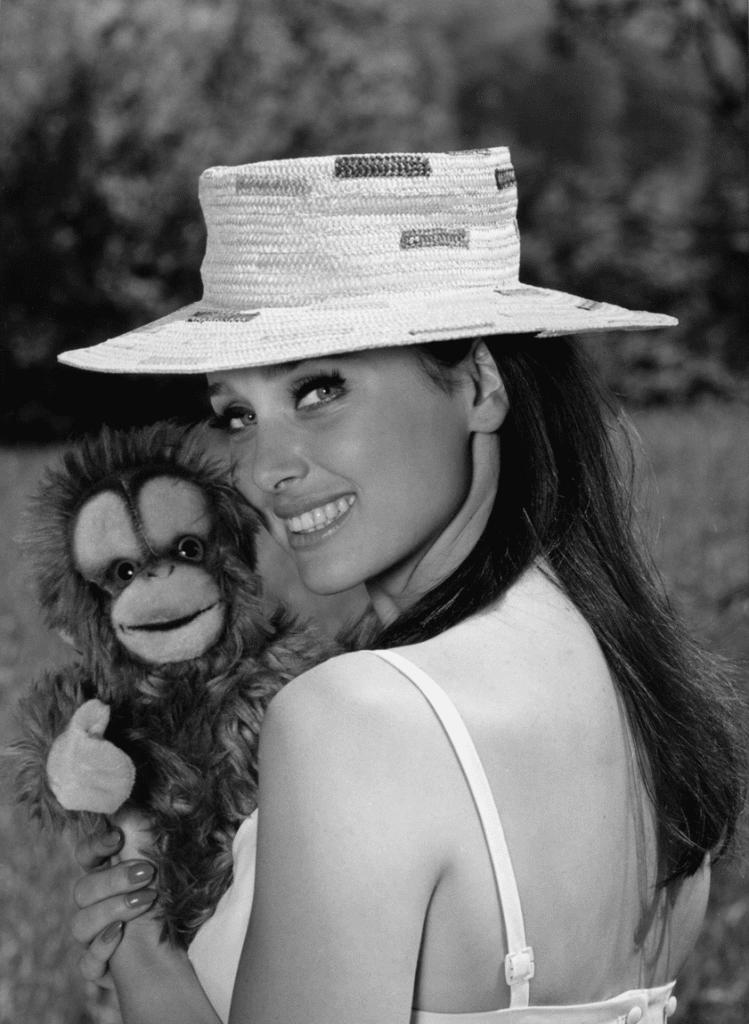
Let’s take a relaxed, human look at the life and career of Helga Lehner, a woman whose work traveled from movie screens to everyday city life.
Early Life in Vienna: Growing Up Surrounded by Culture
Helga Anna Lehner was born on January 5, 1944, in Vienna, Austria, during the final years of World War II. Vienna at that time was a city learning how to breathe again—rebuilding its streets, its spirit, and its creative soul. Music, theater, and literature were woven into daily life, and Helga grew up right in the middle of that artistic atmosphere.
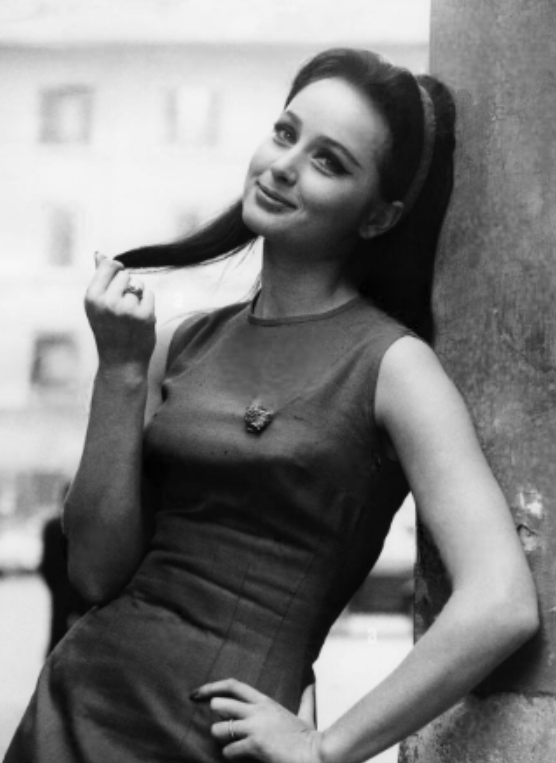
Details about her family life remain private, but one thing is clear: she felt drawn to performance early on. Instead of drifting into acting casually, she pursued it seriously. She trained at the renowned Mozarteum University in Salzburg, a school known for discipline and artistic rigor. That training gave her something invaluable—control, clarity, and confidence.
Before film cameras ever found her, she also worked in radio, including early experience with RIAS Berlin. That time behind the microphone sharpened her sense of timing and vocal expression, skills that would later define the second half of her career.
First Steps Into Film: Entering the 1960s Screen World
Breaking into film during the early 1960s wasn’t easy, especially for young actresses navigating a male-dominated industry. Helga Lehner made her screen debut with German-language productions, including Das Haus in Montevideo (1963), a light comedy that allowed her natural charm and composure to shine.
She quickly became a familiar face in European cinema. Directors valued her elegance, her calm presence, and her ability to fit seamlessly into ensemble casts. Rather than pushing for constant leading roles, she built momentum by choosing projects that suited her strengths.
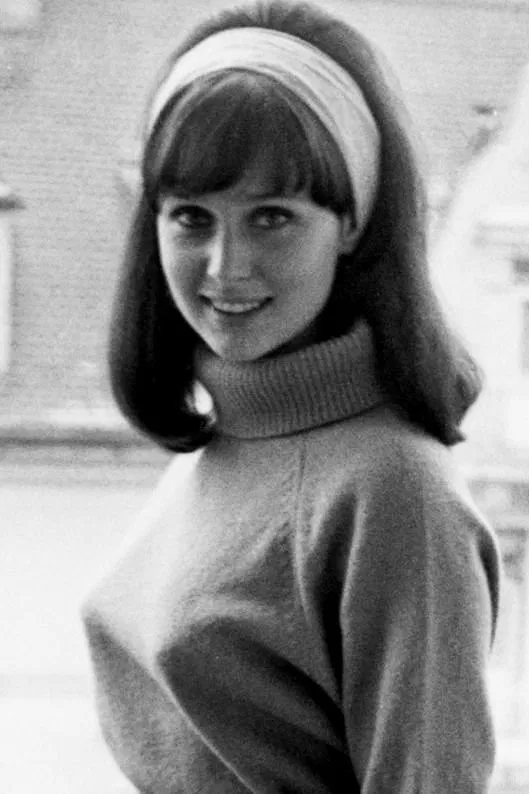
This steady approach opened doors beyond Germany and Austria, leading to international co-productions that defined the most active phase of her on-screen career.
International Breakthrough: Thrillers, Adventures, and Co-Productions
The mid-1960s marked Helga Lehner’s busiest and most visible years. European cinema was booming with thrillers, spy stories, and adventure films aimed at global audiences. Helga fit perfectly into that landscape.
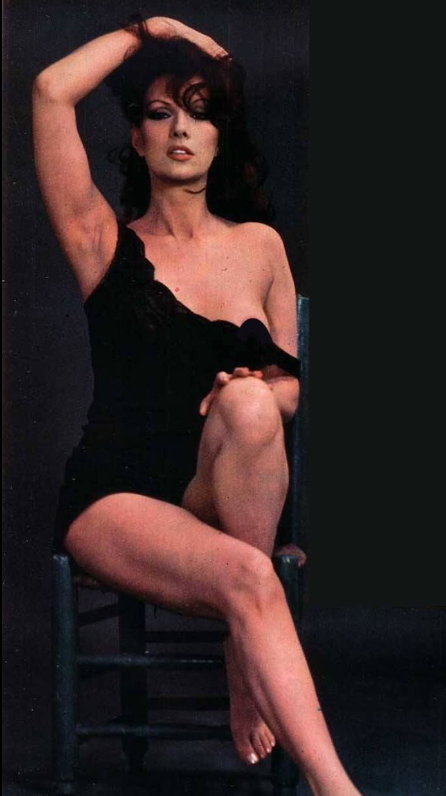
One notable project was 24 Hours to Kill (1965), a suspense-filled thriller set in Beirut and featuring an international cast. The film blended tension, exotic locations, and political intrigue, and Helga’s performance added quiet depth to the ensemble.
That same year, she appeared in Code Name: Jaguar, also known as Launchpad to Hell, a spy adventure packed with action and Cold War atmosphere. These films traveled well beyond national borders, introducing her to viewers across Europe and beyond.
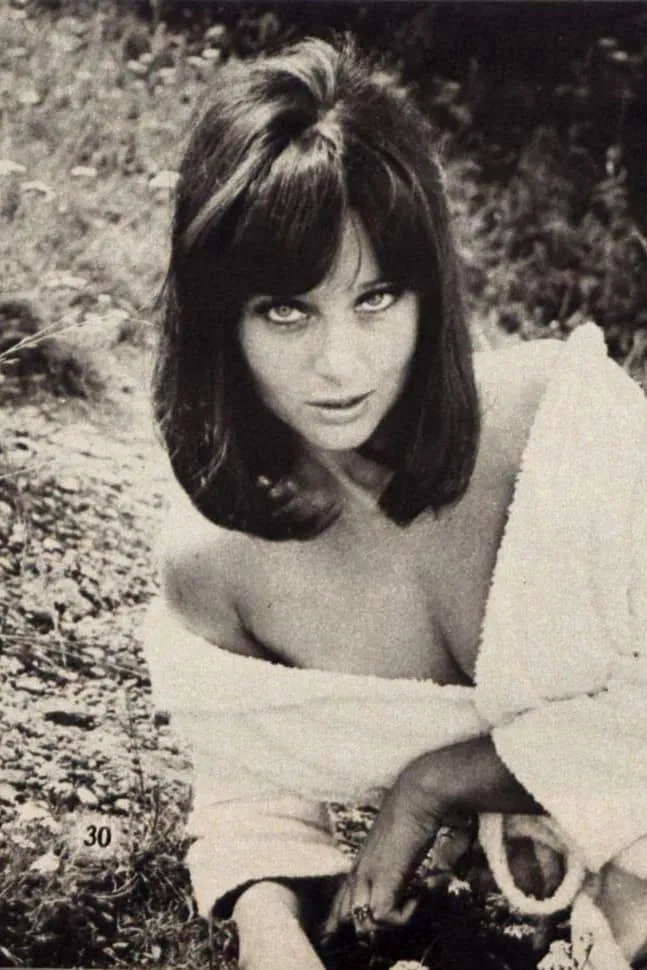
She also balanced heavier projects with lighter ones, such as Wenn man baden geht auf Teneriffa (1969), a playful comedy reflecting the era’s fascination with travel and leisure. Like a skilled traveler herself, Helga moved easily from genre to genre.
A Career Shift That Changed Everything
By the late 1960s and early 1970s, the film industry began to change. Production slowed, tastes shifted, and opportunities evolved. Instead of fighting the current, Helga Lehner adapted.

She returned to her roots in voice work and radio, turning what might have been a quiet transition into a powerful reinvention. Her clear, warm, and precise voice made her a natural fit for dubbing foreign films into German.
She contributed to German-language versions of major international releases, including Batman (1989) and Death Becomes Her (1992). Through her voice, global stories became accessible to millions of viewers who never saw her face—but remembered her tone.
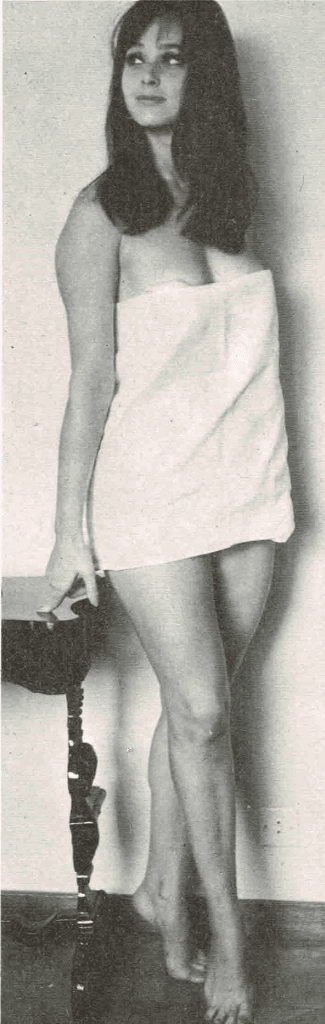
The Voice Everyone Heard but Rarely Saw
Perhaps the most fascinating chapter of Helga Lehner’s career came not from cinema, but from everyday life. For years, she served as the official announcement voice for Berlin’s public transportation system.
Think about that for a moment. Every day, countless commuters heard her calm, steady voice guiding them through the city—stops, transfers, directions. She became part of Berlin’s rhythm, a reassuring presence during morning rush hours and late-night rides.
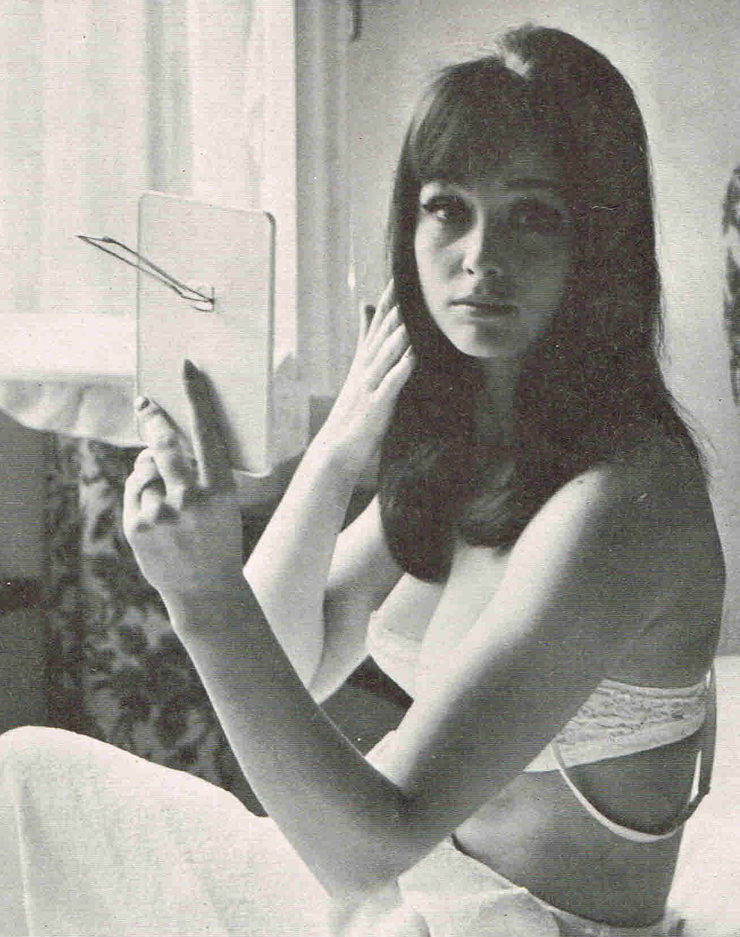
It’s rare for an actress to reach so many people without appearing on screen. Helga Lehner managed exactly that, becoming one of the most widely heard voices in the city.
Later Roles and Select Appearances
Even as voice work became her main focus, Helga didn’t disappear from acting entirely. She took on selective film roles that explored serious themes, including The Hunger Years: In a Land of Plenty (1979), a thoughtful look at post-war realities.
She also appeared in thrillers such as Frustration (1971) and City of Fear, continuing to demonstrate her versatility. But by this stage, her approach was different. She chose projects carefully, prioritizing quality and personal satisfaction over visibility.
A Private Life Away From the Spotlight
Unlike many performers, Helga Lehner never chased celebrity culture. She kept her personal life out of the public eye, rarely giving interviews or sharing private details. There were no scandals, no dramatic headlines—just a quiet, intentional life.
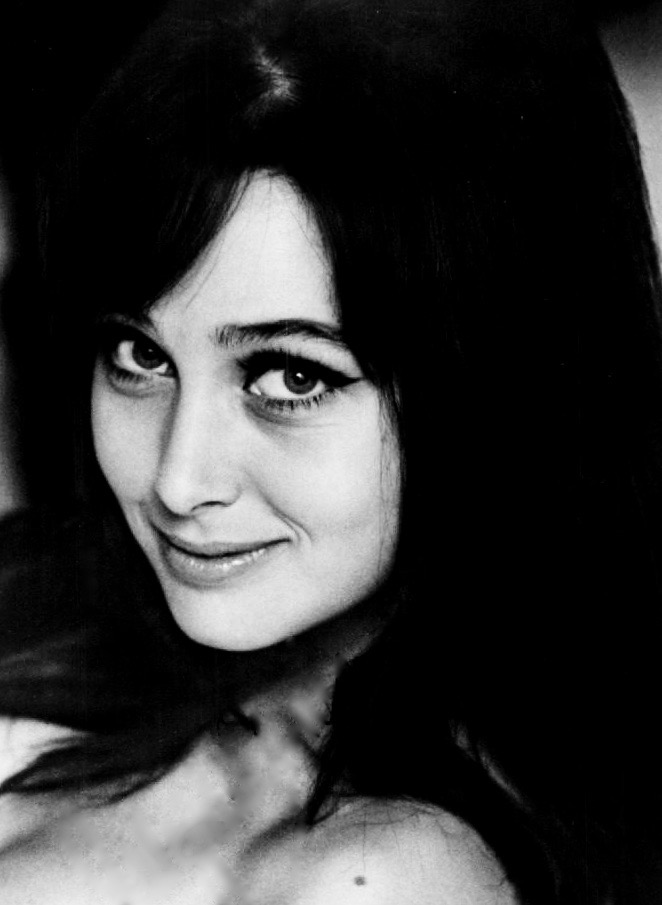
Her career connected Austria and Germany, and she likely moved between cultural centers while maintaining strong roots. That balance between public work and private peace defined her choices, especially later in life.
Life Today: Quiet Reflection at 81
As of 2025, Helga Lehner is 81 years old and fully retired. She no longer appears in films or voice projects, but her work continues to surface through classic movie retrospectives and rediscovered European cinema.
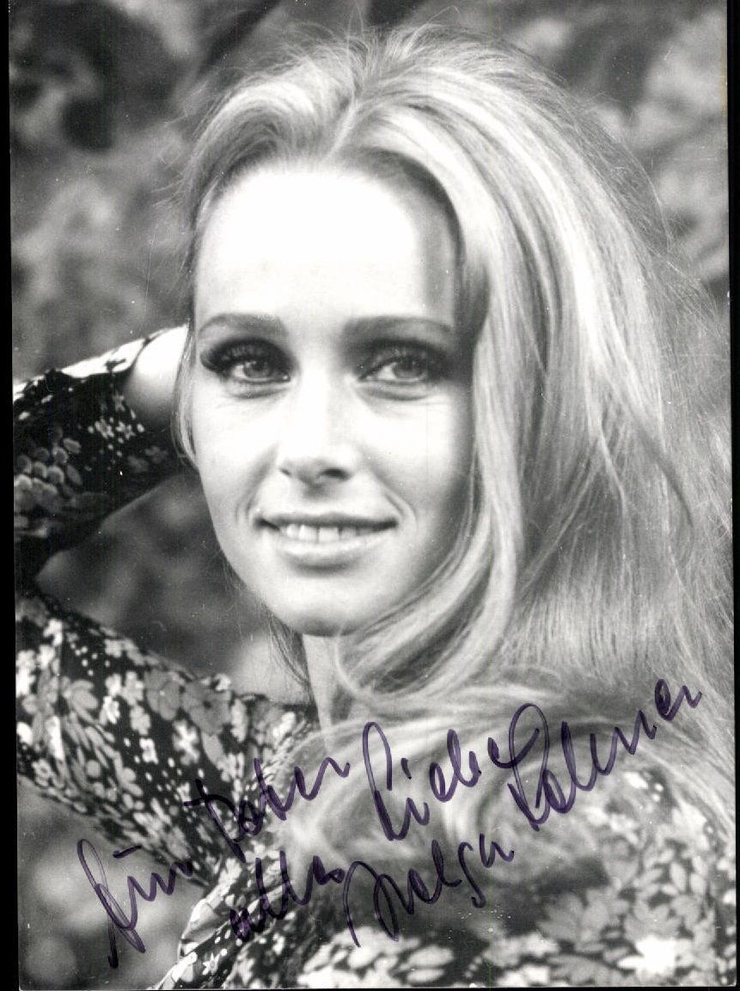
Many people may not immediately recognize her name, but they remember her voice, her presence, and the calm authority she brought to every role. In a way, that’s the most lasting kind of recognition.
Conclusion: A Legacy Built on Versatility and Grace
Helga Lehner’s journey—from wartime Vienna to international film sets, and from the screen to one of Europe’s most familiar voices—shows what a truly adaptable career looks like. She didn’t cling to one version of success. She evolved, found new ways to contribute, and stepped away when the moment felt right.

Her legacy lives in classic films, in dubbed performances that shaped how stories were heard, and in the everyday memories of people who once followed her voice through city streets. Helga Lehner reminds us that not all stars shine loudly—some glow steadily, leaving echoes that last far longer than applause.