Deborah Watling: A Radiant Legacy That Still Captivates Fans Worldwide
Deborah Watling wasn’t just another face on television—she was a spark, a presence, a vibrant force who carved her name into British entertainment with charm, grit, and a uniquely youthful fire. Best known as Victoria Waterfield in Doctor Who, she became one of the most memorable companions of the 1960s era. But her story stretches far beyond the TARDIS. It’s a tale of talent, family, perseverance, and a career that danced across screens and stages with undeniable brilliance.
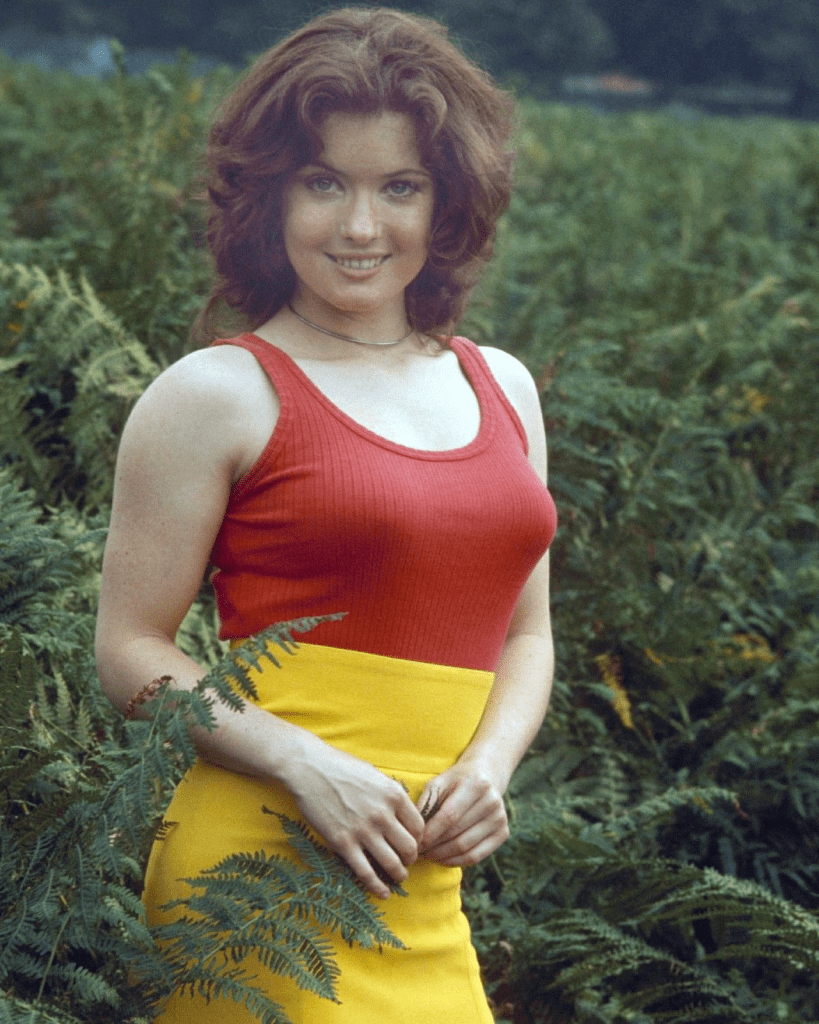
In this article, we’ll wander through her journey—from childhood stardom to sci-fi fame to her later triumphs in theater—exploring why Deborah Watling remains an enduring icon. Ready to dive into her world? Let’s step into the spotlight.
Early Life In Essex: Born Into A Family Of Performers
Deborah Watling arrived on January 2, 1948, in Loughton, Essex, and from the very beginning, lights and scripts surrounded her. Acting wasn’t a distant dream—it was part of the family DNA. Her father, Jack Watling, was a well-known actor with a distinguished career in film and television. Her mother, Patricia Hicks, came from the stage, bringing another layer of artistry into the household.
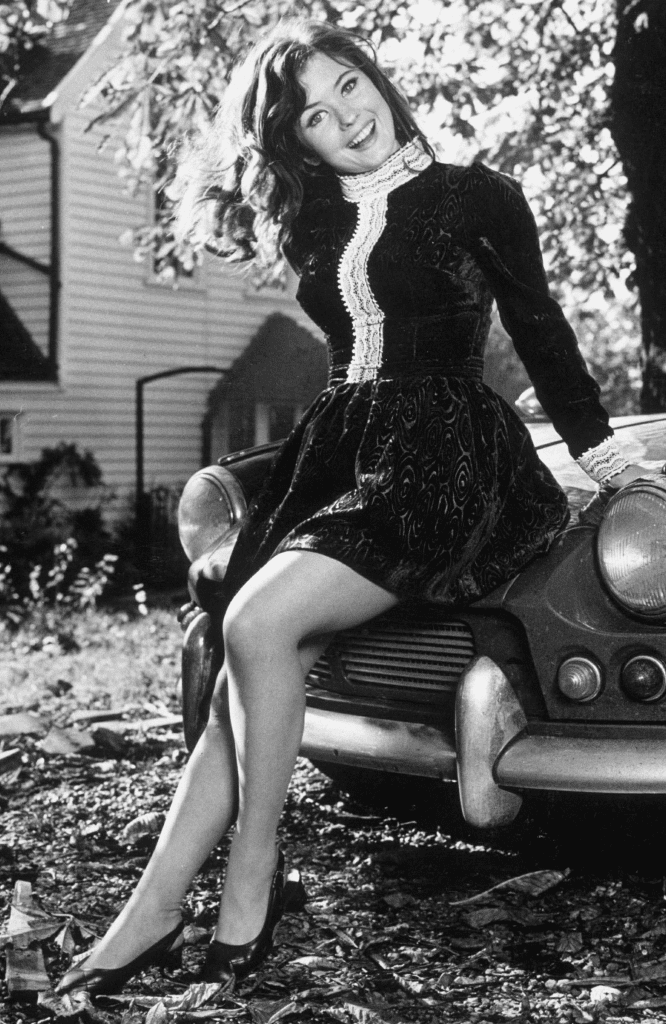
Growing up in a bustling creative family, Deborah absorbed performance like second nature. She attended Braeside School in Buckhurst Hill and later spent time at the Italia Conti Stage School. While she considered other paths—like dentistry—her heart knew exactly where she belonged. Acting wasn’t just something she did; it was the language she spoke best.
Have you ever felt pulled toward something so strongly it almost felt inevitable? That was Deborah with performing. And it didn’t take long for audiences to feel that spark too.
Video : Deborah Watling Doctor Companion
From Child Performer To Rising Star: Her First Big Roles
Deborah Watling’s entry into show business happened early and fast. At just 11 years old, she appeared in the TV series William Tell, making her mark with a natural blend of innocence and confidence. The same year, she landed a recurring role in The Invisible Man, where she showcased her ability to play expressive, lovable characters who stuck with viewers long after the screen faded.
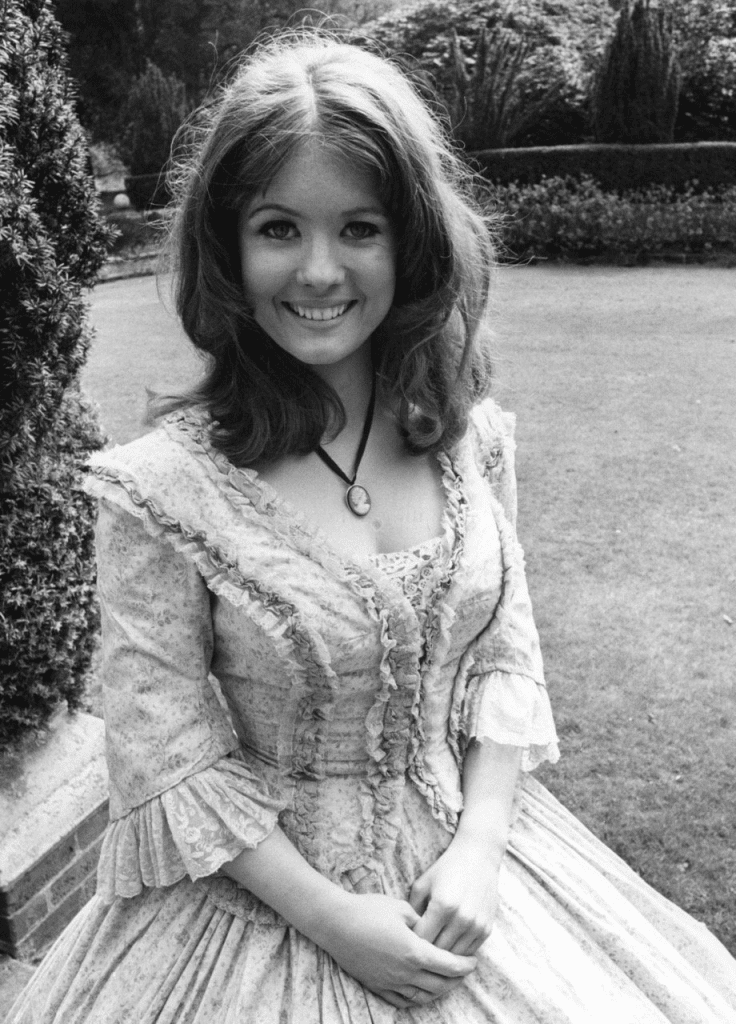
Her big breakthrough arrived in 1965 with Alice, Dennis Potter’s television adaptation inspired by the works of Lewis Carroll. Deborah played Alice with a dreamlike tenderness that critics and audiences adored. The role captured a perfect mix of childhood wonder and emotional depth—a combination that would become her signature strength.
These roles weren’t just stepping stones. They were proof that Deborah possessed the rare quality of transforming simple characters into lasting impressions.
Doctor Who And The TARDIS: Victoria Waterfield’s Lasting Magic
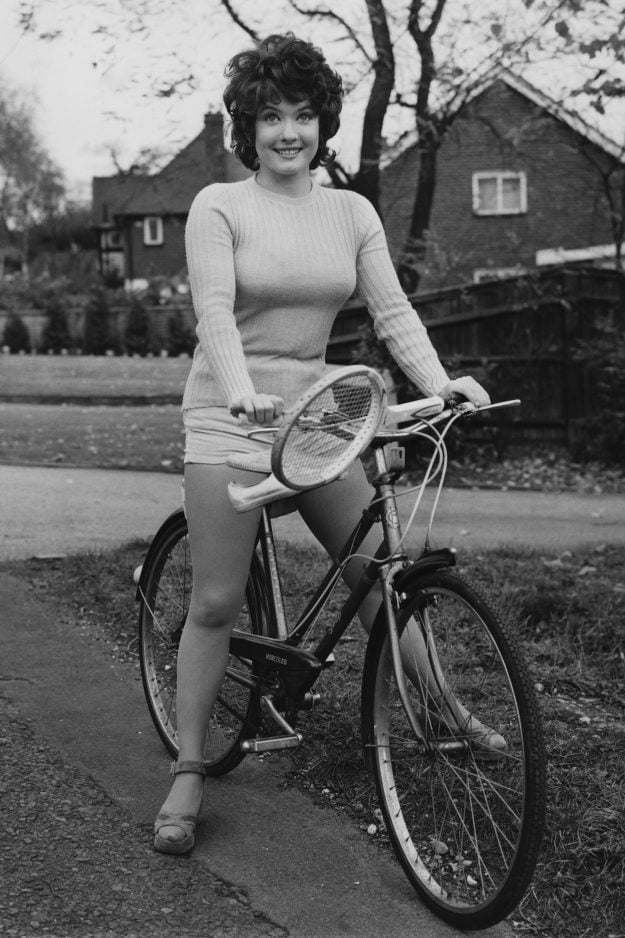
Ask any Doctor Who fan about the classic era, and you’ll see Deborah Watling’s name light up their memories. Cast as Victoria Waterfield in 1967, she became the companion to Patrick Troughton’s Second Doctor. Her character was gentle yet courageous, emotional but resilient—a Victorian-era young woman suddenly thrown into the chaos of alien worlds and time-traveling adventures.
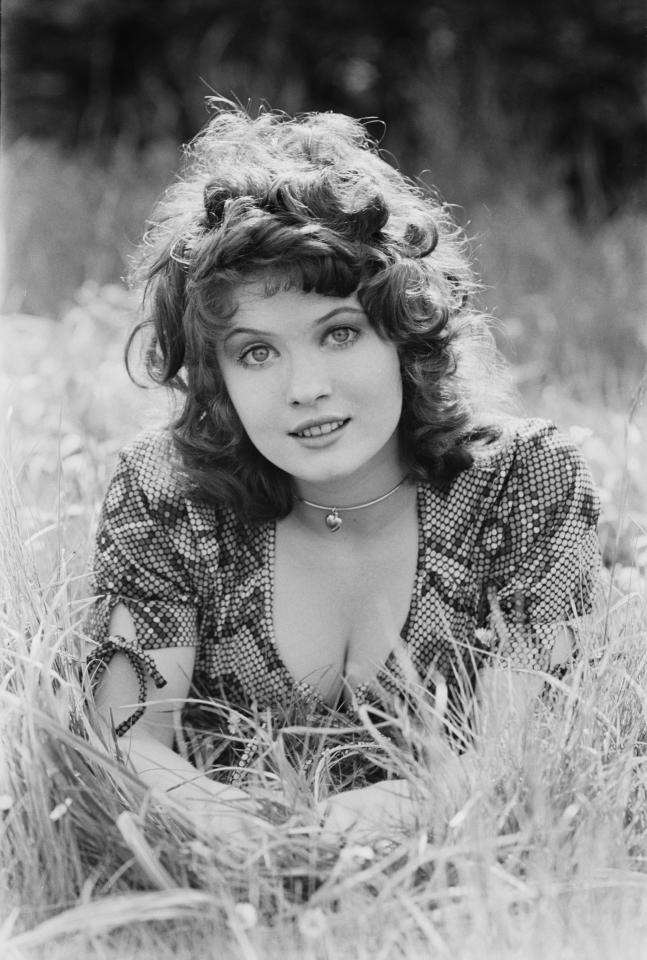
Deborah brought a refreshing authenticity to Victoria. Her expressive eyes, empathetic reactions, and heartfelt delivery made viewers genuinely care for her character. Even when facing Cybermen, Yeti, or Daleks, she balanced fear with fierce loyalty.
Unfortunately, many of her episodes were lost due to BBC’s archival wiping policies, but the surviving stories—especially The Tomb of the Cybermen—continue to showcase her brilliance. Fans still celebrate her for giving Victoria a depth that transcends the limits of 1960s television.
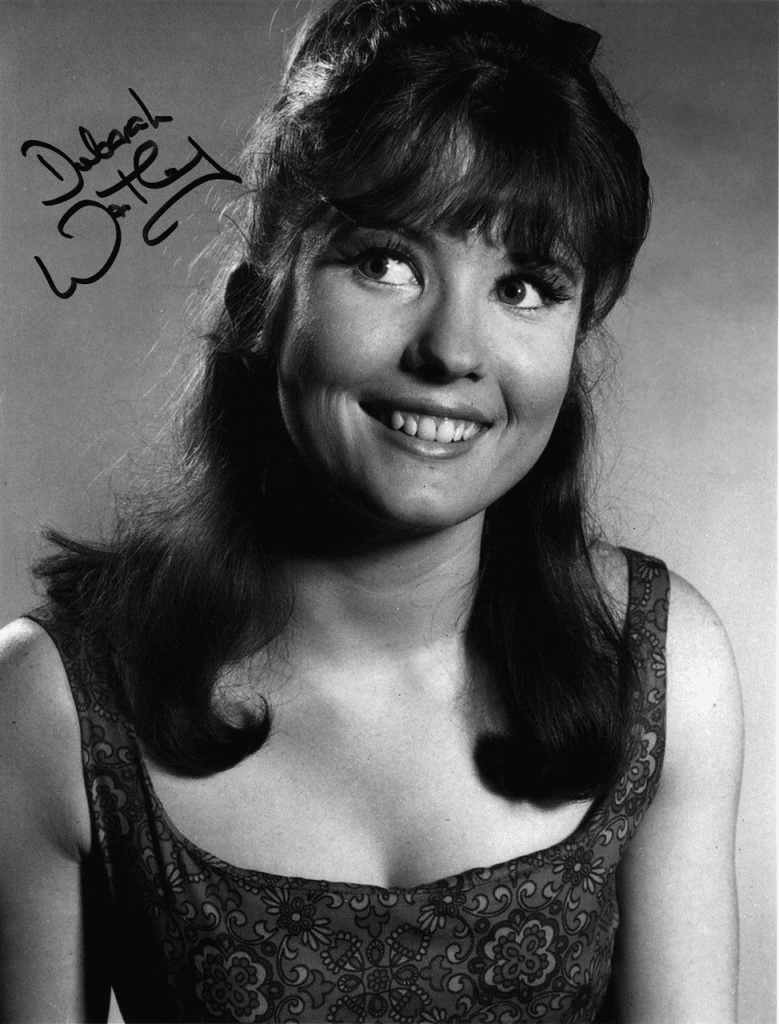
Isn’t it amazing how some roles linger in our cultural memory long after the cameras stop rolling? Deborah’s performance as Victoria is one of those timeless treasures.
Beyond The TARDIS: Films, Television, And A Return To The Stage
After leaving Doctor Who, Deborah Watling continued to shape an impressive and diverse career. She joined the BBC soap The Newcomers, bringing warmth and nuance to her role as Milly. Audiences connected with her instantly, drawn to her familiar blend of sincerity and charm.
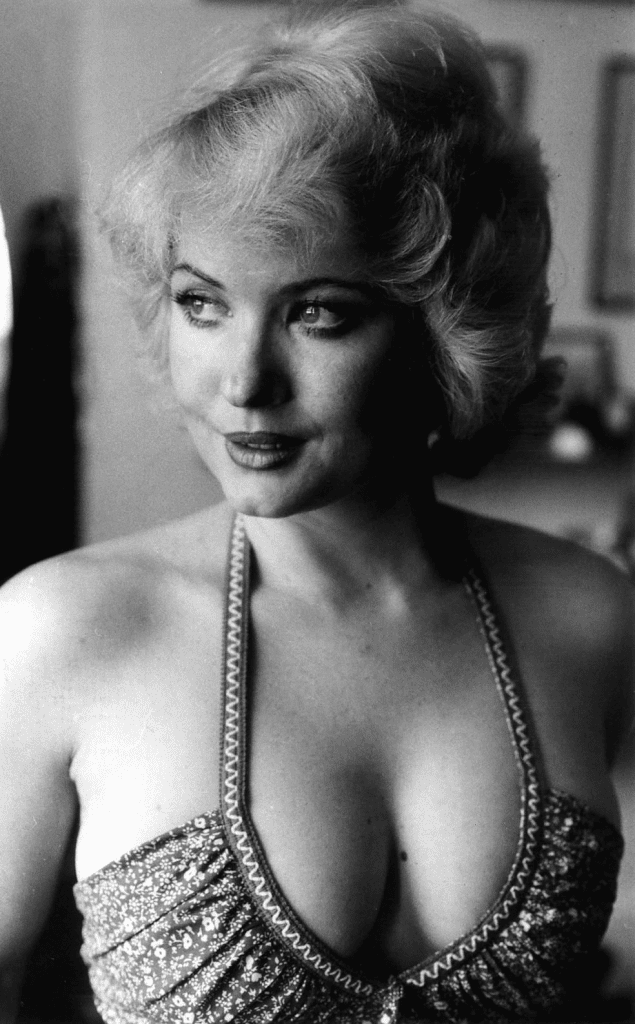
Her film career blossomed as well. Deborah appeared in That’ll Be The Day (1973) alongside David Essex and Ringo Starr, and she later starred in Take Me High with Cliff Richard. She moved easily between cheerful, dramatic, and musical roles—proving that her range extended far beyond science fiction.
But the stage called her home again. Theater offered her something television couldn’t: the exhilarating electricity of a live audience. She toured with the comedy Noises Off, appeared in Abigail’s Party, and eventually delivered a deeply moving performance as Mrs. Alving in Ibsen’s Ghosts. Theater became her sanctuary, a place where her talent matured and deepened.
Video : DEBORAH WATLING TRIBUTE
A Personal Life Filled With Quiet Strength
Behind the performances stood a woman of kindness, humor, and quiet resilience. Deborah married twice, ultimately finding lasting companionship with Steve Turner in 1992. Friends and colleagues described her as warm, fiercely loyal, and always quick to laugh—a brightness that made her presence unforgettable both on and off the stage.
Her life took a heartbreaking turn in 2017 when she was diagnosed with lung cancer. Deborah passed away on July 21 of that year at age 69, surrounded by family. The news rippled through the entertainment world, touching fans and co-stars alike.
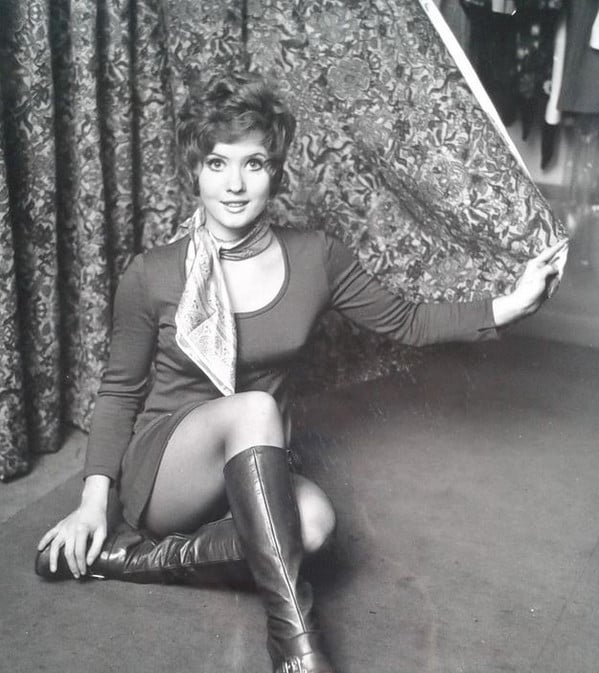
It’s always hard to say goodbye to someone who left so much joy behind. Yet her memory shines in every story, every performance, every fan she inspired.
An Enduring Legacy That Still Shines Bright
Even today, Deborah Watling’s impact continues to grow. Her Doctor Who episodes are revisited, restored when possible, and celebrated by new generations of fans. Audio dramas and fan conventions keep Victoria Waterfield’s spirit alive, while her earlier performances have found renewed appreciation in retrospectives and archives.
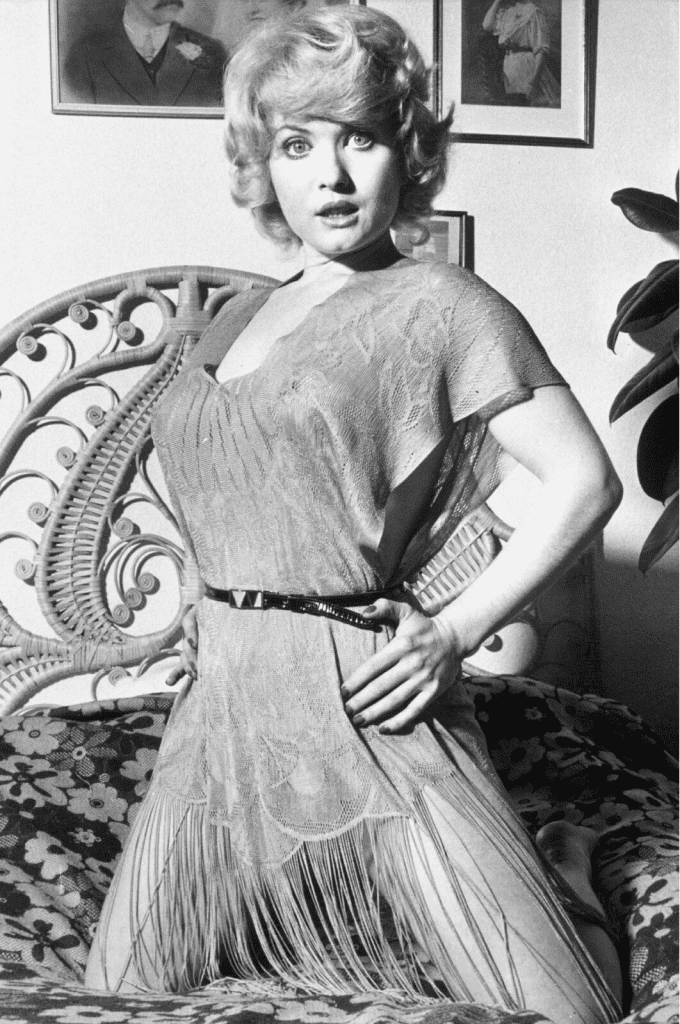
Deborah didn’t chase fame. She built a career on heart, dedication, and undeniable talent. And that’s why people still talk about her—not just as an actress, but as a force of joy whose light never really went out.
Conclusion: Celebrating A Life That Touched Generations
Deborah Watling’s life was a tapestry of creativity, courage, and unforgettable roles. From her childhood breakthroughs to her iconic run in Doctor Who and her powerful stage performances, she brought emotion and authenticity to everything she touched. Her passing was a profound loss, but her legacy continues to echo—through fans, through her work, and through the characters she immortalized.
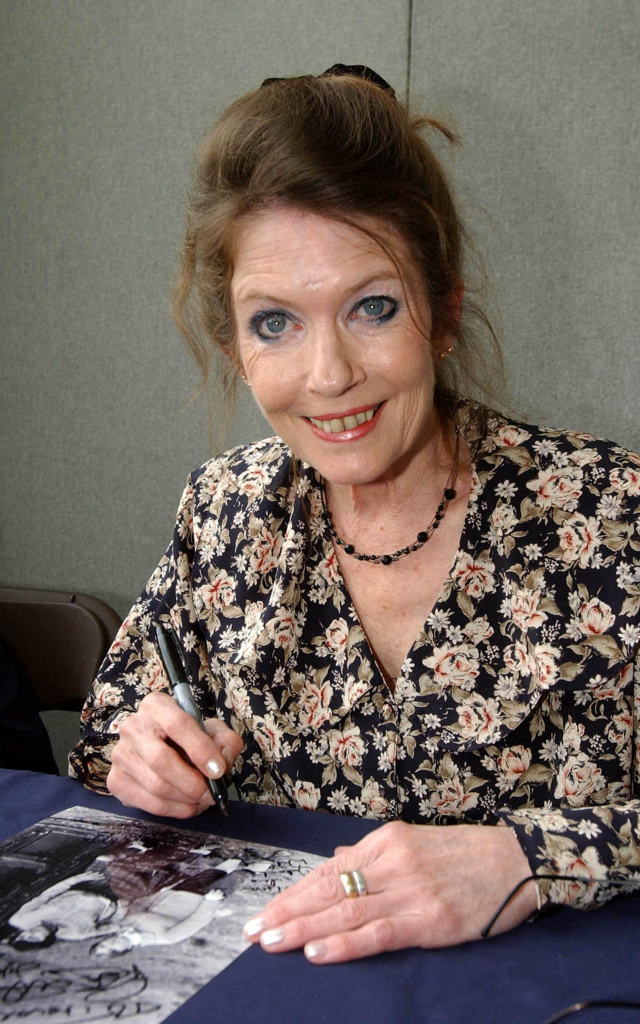
She may have left the stage, but her spirit remains center spotlight.
And maybe that’s the most beautiful part of her story.