Introduction: A Life That Feels Like a Movie Script
Some lives unfold like carefully written screenplays. Others feel improvised, shaped by chance encounters, distant places, and unexpected turns. Linda Christian belongs firmly in the second category. Born Blanca Rosa Welter in 1923, she lived a life that crossed continents, languages, and eras of cinema. Long before spy franchises ruled the box office, Linda Christian became a quiet pioneer, setting a standard of elegance, mystery, and international allure that still echoes today. How did a girl raised between countries become one of Hollywood’s most unforgettable figures? Let’s step into her story.
A Childhood Without Borders
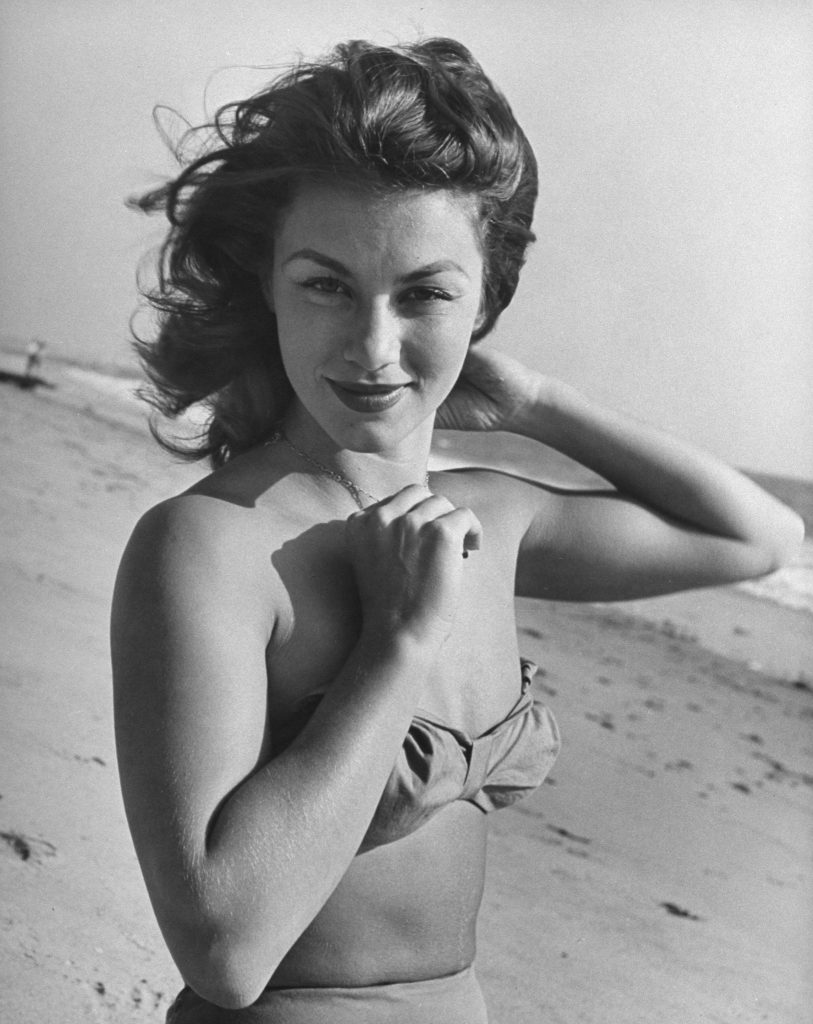
Linda Christian’s early life reads like a passport stamped with adventure. Born to a Dutch oil executive father and a mother of Spanish, German, and French heritage, she grew up moving across South America, Europe, the Middle East, and parts of Africa. Constant travel shaped her worldview early. While most children learned one language, she absorbed many, eventually speaking French, German, Dutch, Spanish, English, Italian, and even bits of Arabic and Russian.
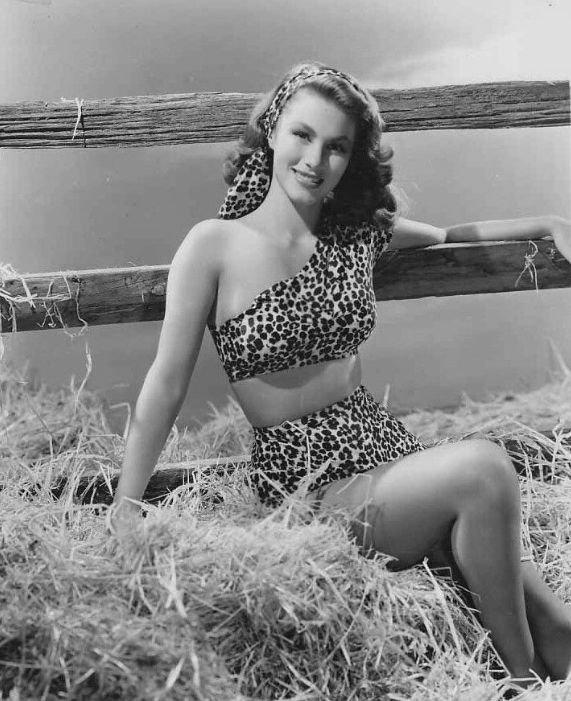
Originally, Linda Christian had no plans for fame. She dreamed of becoming a doctor, a goal rooted in discipline rather than glamour. Yet life had other ideas. As a teenager living in Mexico, a chance meeting with legendary actor Errol Flynn altered her path. Flynn recognized something special in her presence and encouraged her to pursue acting. He even helped shape her screen name. One conversation, one nudge, and an entirely different future opened up.
Entering Hollywood: The Golden Age Beckons
Armed with confidence and curiosity, Linda Christian headed to Los Angeles and soon signed with MGM. Her early roles were modest but meaningful. She made her screen debut in the musical Up in Arms alongside Danny Kaye, instantly fitting into Hollywood’s polished studio system. Audiences noticed her exotic charm and graceful confidence.
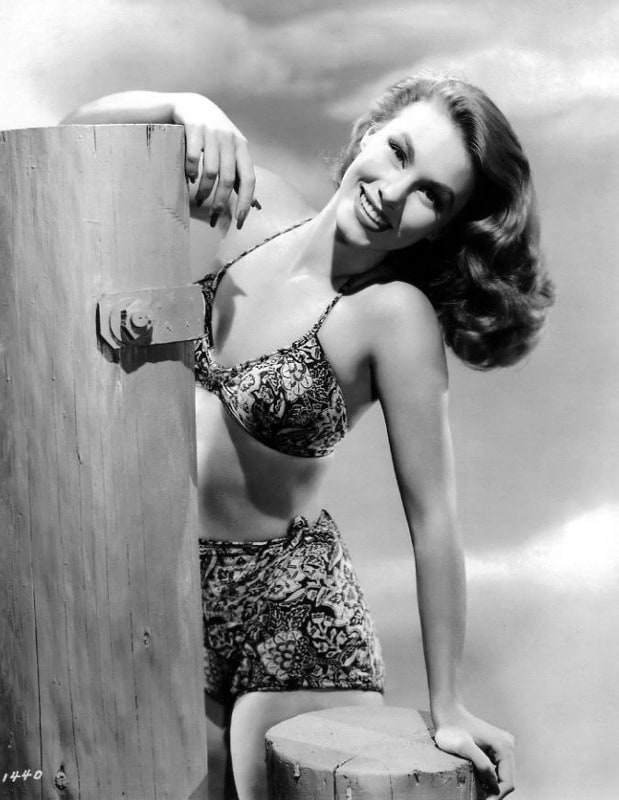
Her breakout came with films like Green Dolphin Street, where her international look added depth and intrigue. Then came Tarzan and the Mermaids, where she starred opposite Johnny Weissmuller in his final appearance as Tarzan. The role cemented her as a leading lady with both beauty and presence. In an era overflowing with stars, she still managed to stand apart.
Becoming the First Bond Girl
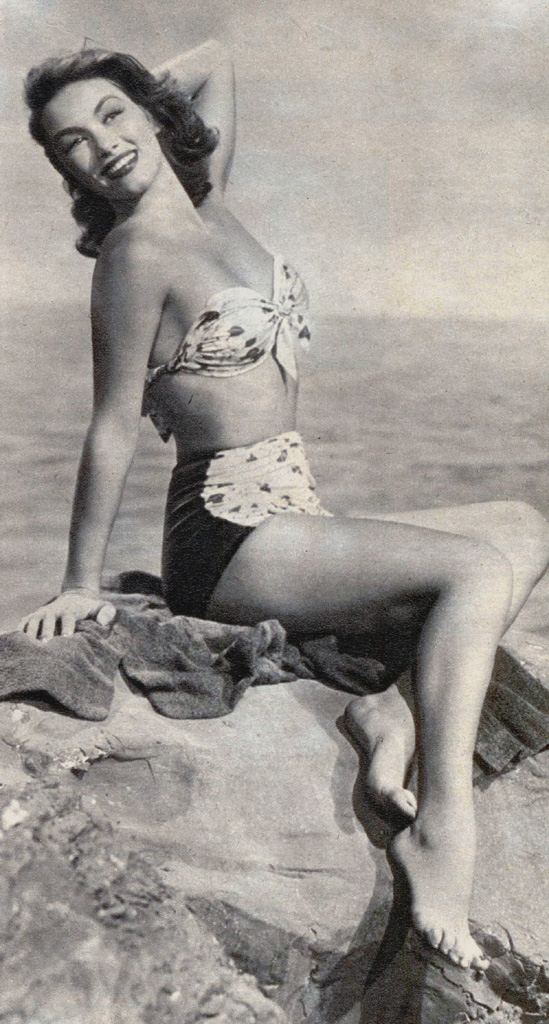
Here’s a twist many people don’t expect. The Bond girl legacy didn’t begin on the big screen. In 1954, Linda Christian made television history by appearing as Valerie Mathis, a version of Vesper Lynd, in a CBS adaptation of Casino Royale. Barry Nelson played James Bond, years before the character became a global film phenomenon.
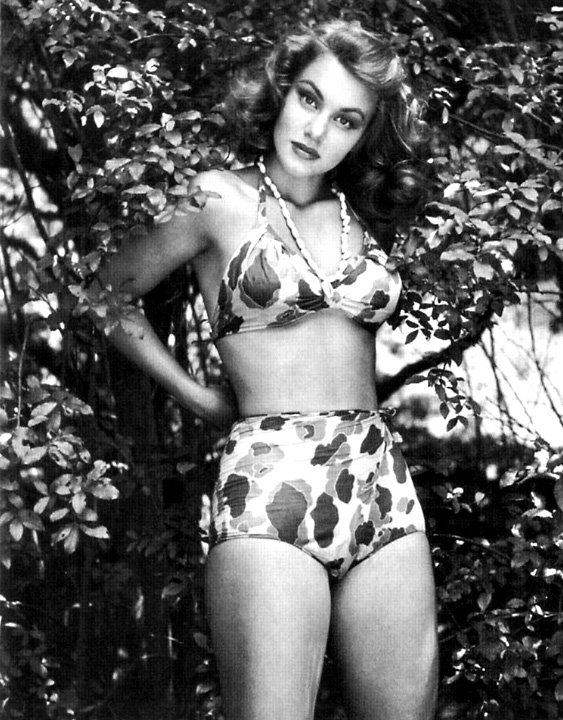
Linda Christian’s role established the blueprint: elegance, intelligence, and quiet danger wrapped into one character. She wasn’t just a romantic interest. She was central to the story’s tension and intrigue. Without realizing it at the time, she became the very first Bond girl, setting the tone for generations of characters to come. Isn’t it fascinating how history sometimes hides in plain sight?
A Hollywood Love Story That Captivated the World
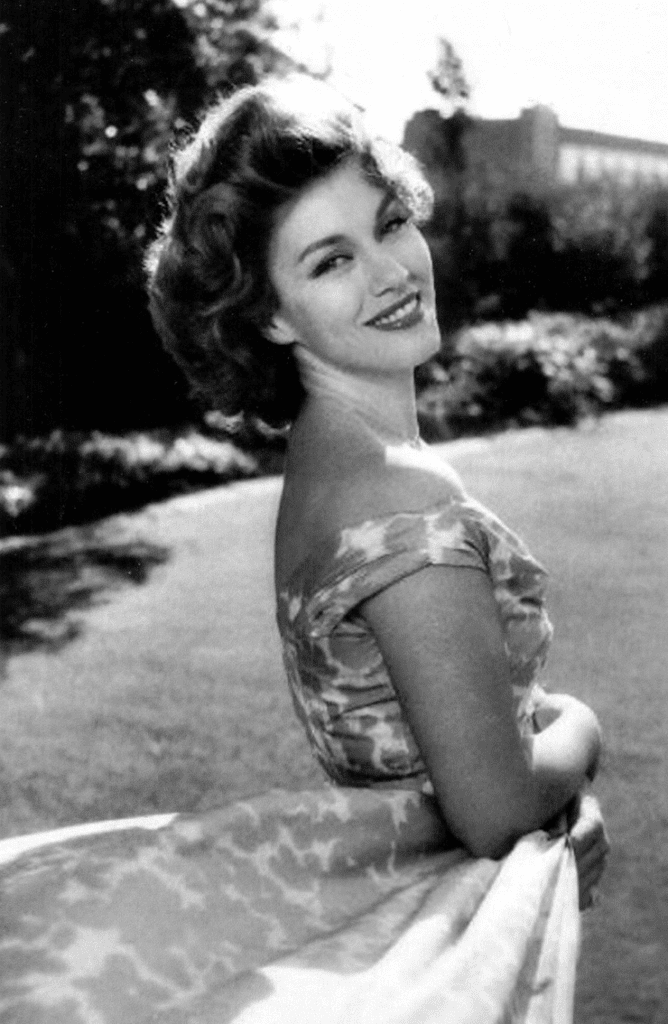
Linda Christian’s personal life was just as cinematic as her career. In 1949, she married Tyrone Power, one of Hollywood’s most celebrated leading men. Their wedding in Rome drew enormous crowds and media attention, turning the event into an international spectacle. They were Hollywood royalty, the kind of couple people wrote about in breathless headlines.
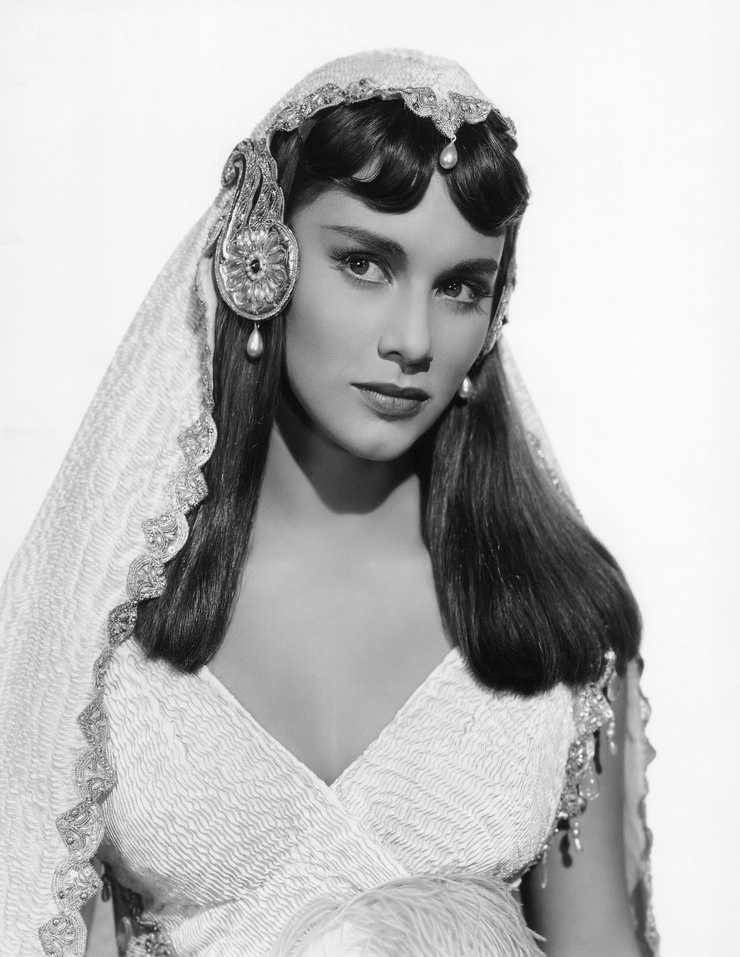
Together, they had two daughters. Romina Power went on to become a successful singer in Italy, while Taryn Power pursued acting. Yet fame has a way of amplifying pressure. The marriage ended in divorce in 1956. Just two years later, Tyrone Power died suddenly of a heart attack at the age of 44. The loss marked a turning point in Linda Christian’s life, reshaping her priorities and outlook.
Reinvention Beyond Hollywood
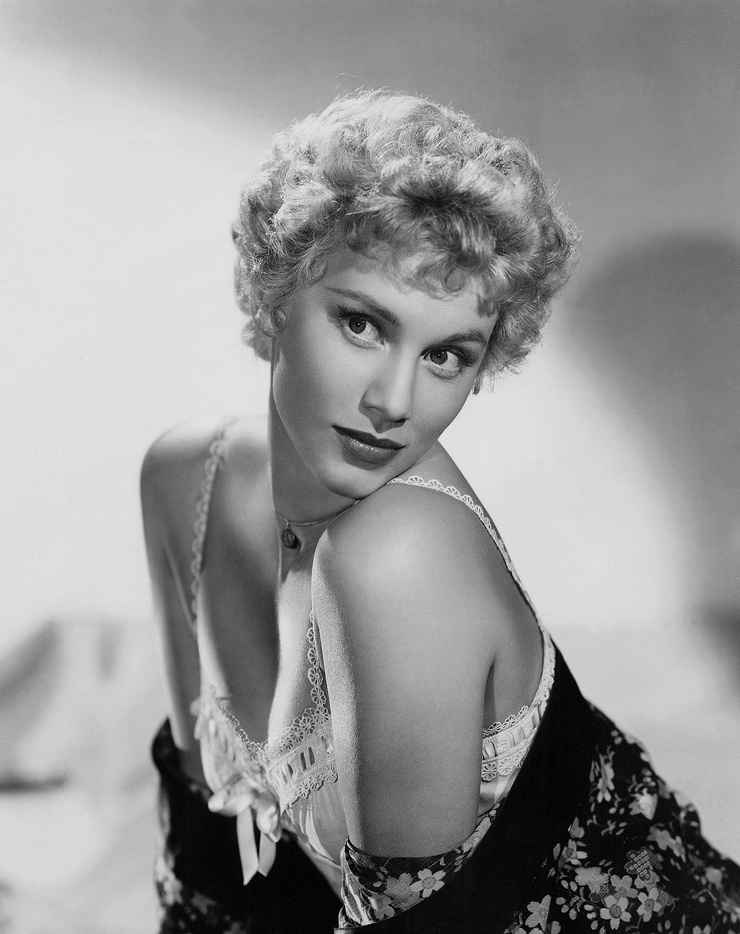
After her divorce, Linda Christian didn’t disappear. Instead, she shifted direction. She appeared in films like Athena and later The V.I.P.s, sharing the screen with stars such as Elizabeth Taylor and Richard Burton. Over time, she gravitated toward European cinema, especially Italian productions, where her multilingual skills became a powerful asset.
Her life off-screen continued to attract attention. She was romantically linked to notable figures, including racing driver Alfonso de Portago. A widely published photograph of the two shortly before his fatal accident added another dramatic chapter to her story. Yet through it all, Linda Christian maintained dignity and composure, refusing to let scandal define her.
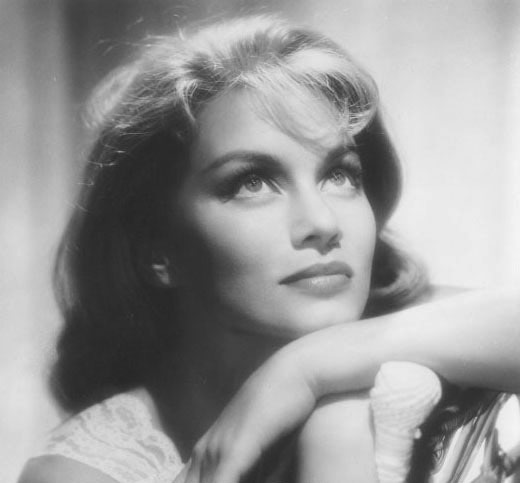
Later Years: Quiet Strength and Reflection
As the decades passed, Linda Christian gradually stepped back from public life. She settled in California, focusing on family and embracing a quieter rhythm. Fame had once been constant and overwhelming. Now, privacy felt earned.
She battled colon cancer later in life and passed away on July 22, 2011, at the age of 87 in Palm Desert. Even years after her death, her influence continues. In 2023, she was portrayed by actress Sarah Gadon in the film Ferrari, introducing her story to a new generation and reminding audiences of her lasting impact.
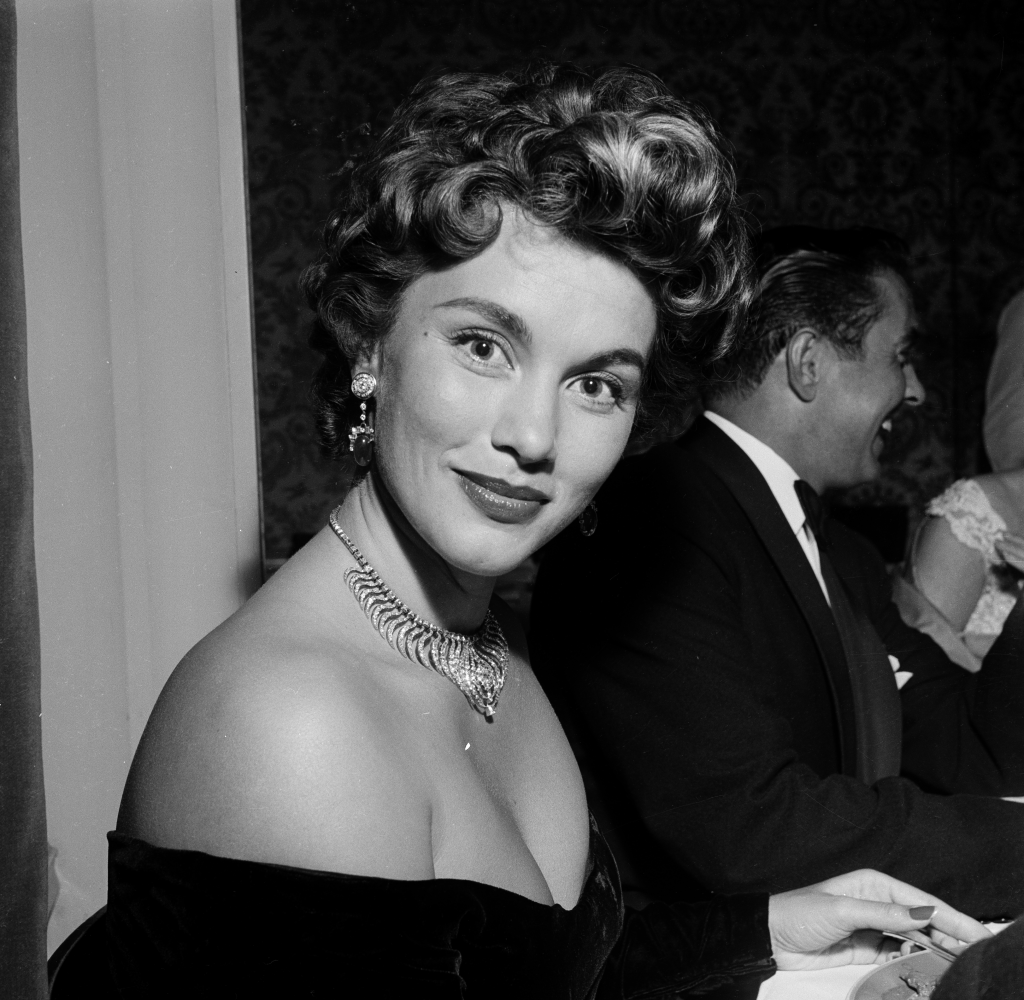
Why Linda Christian Still Matters Today
Linda Christian’s legacy isn’t built on volume or controversy. It rests on firsts, on grace, and on a global identity that felt ahead of its time. She represented a bridge between cultures, languages, and cinematic eras. For Latina actresses and international performers, her success opened doors that had previously seemed closed.
She showed that you didn’t need to dominate headlines forever to leave a mark. Sometimes, appearing at the right moment and delivering something unforgettable is enough.
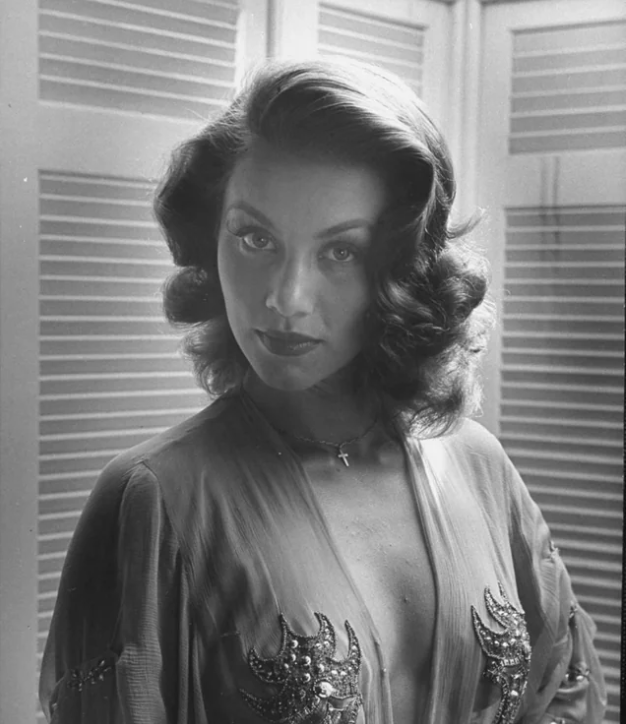
Conclusion: A Legacy Written in Elegance
Linda Christian lived a life shaped by movement, chance, and quiet courage. From a globe-trotting childhood to Hollywood’s golden age, from becoming the first Bond girl to navigating love and loss under the spotlight, she turned each chapter into something memorable. Her story reminds us that true legacy isn’t about staying visible at all costs. It’s about impact, timing, and authenticity.
Decades later, her name still sparks curiosity. And maybe that’s the ultimate sign of a life well lived—one that continues to invite us to look closer, long after the curtain falls.