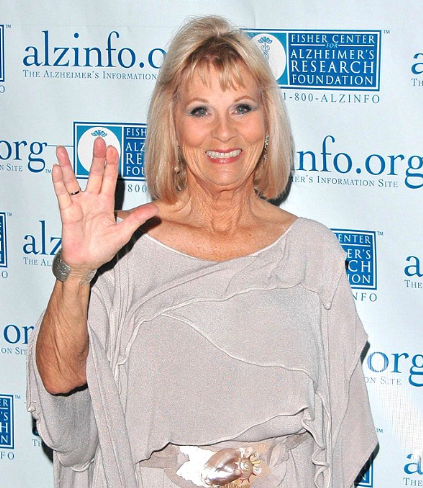
Why Grace Lee Whitney’s Story Still Resonates Today
Some careers sparkle. Others endure. Grace Lee Whitney managed to do both—and then something rarer. She didn’t just entertain audiences; she lived a story that mirrored the human condition with all its detours, stumbles, and hard-earned victories. Best remembered as Yeoman Janice Rand on Star Trek, Grace’s real-life journey went far beyond the bridge of the Enterprise. It was a voyage through early fame, painful setbacks, recovery, and purpose.

This isn’t just a Hollywood bio. It’s a reminder that even when life knocks you off course, you can still find your way home.
Michigan Roots and a Calling That Started Early
Grace Lee Whitney was born Mary Ann Chase on April 1, 1930, in Ann Arbor, Michigan. Adopted by the Whitney family, she grew up in Detroit with a steady upbringing that balanced school and creativity. Even as a kid, she felt the pull of performance.
By 14, she was already singing on Detroit’s WJR radio as a featured “girl singer.” While most teens were figuring out algebra, Grace was finding her voice on the airwaves. That early confidence became her compass. She left home young, refined her stage name, and chased opportunity with a suitcase and a dream.
Learning the Craft the Old-School Way
Grace didn’t wait for luck to find her. She toured with big bands, opened for jazz and music legends, and sang with orchestras led by Spike Jones and Fred Waring. Night after night, she learned timing, discipline, and how to connect with an audience—skills no classroom can teach.
That grind paid off. In the early 1950s, she stepped onto Broadway in Top Banana, then moved into the film version. From there, Hollywood doors began to open.
From Broadway to Busy Hollywood Sets
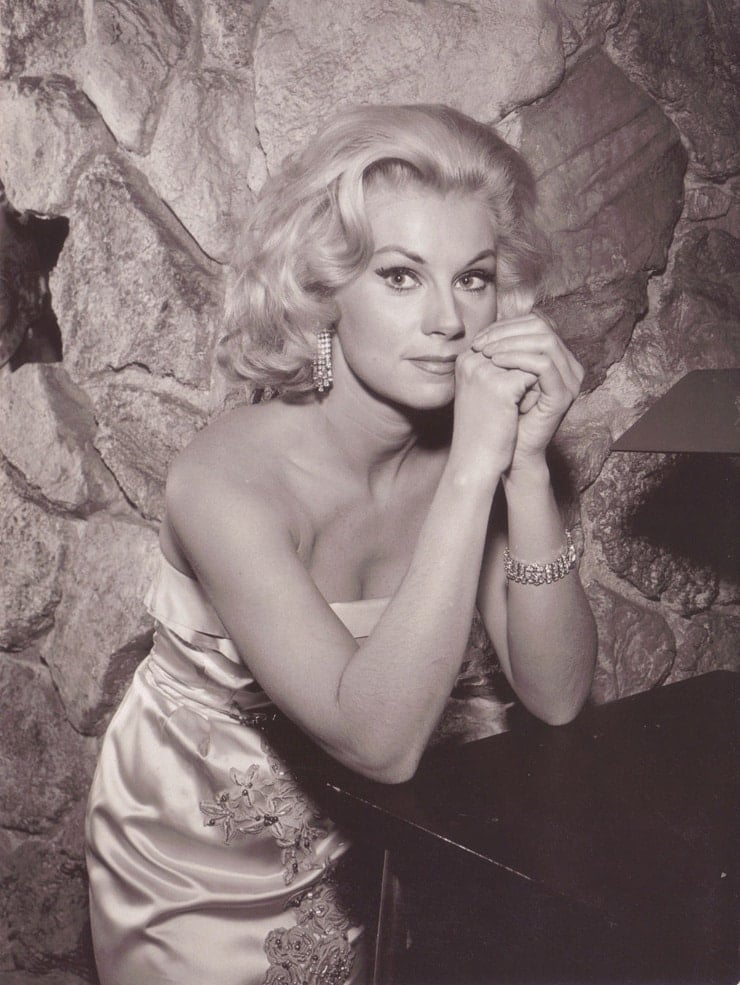
The 1950s and early 1960s were a blur of work. Grace appeared in films like Some Like It Hot and Irma la Douce and racked up guest roles across television. Think Gunsmoke, The Outer Limits, Bewitched, and Batman. She performed in live variety sketches alongside comedy giants like Groucho Marx and Red Skelton.
She wasn’t boxed into one lane. Grace sang, danced, acted, and even lent her image to early advertising work. Versatility became her calling card—like a Swiss Army knife for entertainment.
Becoming Yeoman Janice Rand
In 1966, creator Gene Roddenberry cast Grace as Yeoman Janice Rand, Captain Kirk’s capable assistant aboard the Enterprise. From her first appearance in “The Man Trap,” audiences connected with Rand’s professionalism and quiet strength. That iconic hairstyle didn’t hurt either.
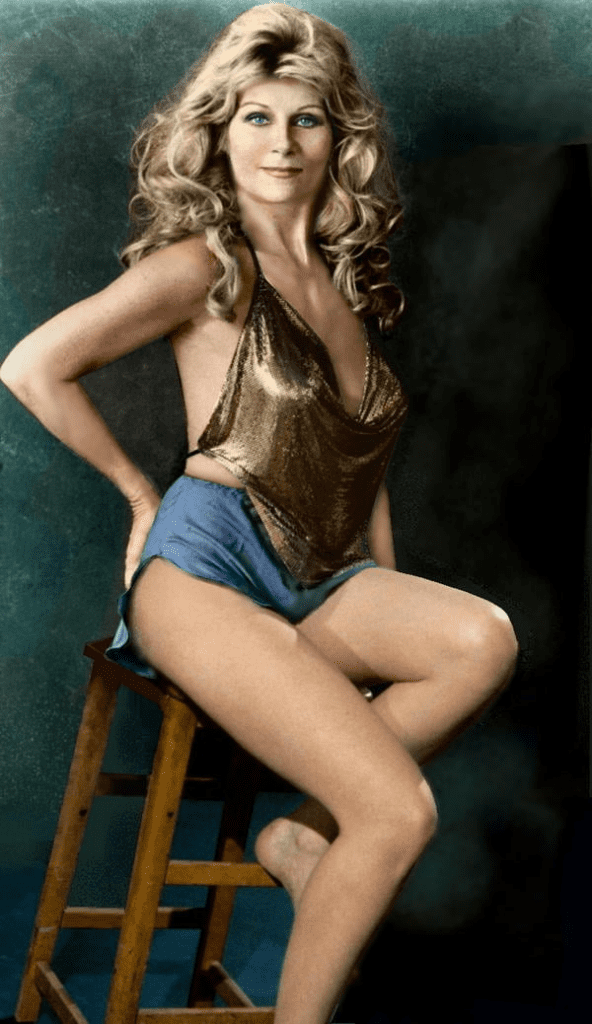
Grace appeared in the show’s first eight episodes, helping define the look and tone of early Star Trek. Yet behind the scenes, producers decided to remove the character to give Kirk more romantic freedom. The decision ended Grace’s regular role abruptly.
Years later, the franchise welcomed her back. She returned in Star Trek: The Motion Picture as a transporter chief, then appeared in Star Trek III: The Search for Spock, Star Trek IV: The Voyage Home, and Star Trek VI: The Undiscovered Country, where Janice Rand finally earned a lieutenant promotion. She later appeared in Star Trek: Voyager as well.
When Success Slips Away
Here’s the part most bios skip. After leaving Star Trek, Grace struggled deeply with addiction—an issue that had followed her since her teens. The loss of steady work intensified the problem, and life spiraled. She later shared in her memoir The Longest Trek: My Tour of the Galaxy how trauma and isolation weighed on her during those years.
She hit bottom. Hard. At one point, she lived on Hollywood’s Skid Row. It’s the kind of chapter that would end many stories. For Grace, it became the turning point.
Choosing Recovery and Reclaiming Life
In 1981, with help from friends including Leonard Nimoy, Grace committed to sobriety through a 12-step program. She embraced faith, accountability, and community. Recovery wasn’t a single decision; it was daily work. And she did the work.
By the early 1990s, she relocated to Coarsegold, California, near Yosemite—a quieter place to rebuild. There, Grace transformed pain into purpose.
Turning Survival Into Service
Grace spent decades speaking at conventions, churches, prisons, and women’s facilities, sharing her story to help others find hope. She connected with fans not just as an actress, but as someone who had walked through fire and come out stronger.
She stayed close to Star Trek fandom, performing humorous original songs, attending conventions, and celebrating the community that never forgot her. To Grace, sobriety wasn’t a footnote—it was the achievement she valued most.
A Legacy Bigger Than One Role
Grace Lee Whitney passed away on May 1, 2015, at age 85, at her home in Coarsegold. She left behind two sons, grandchildren, and generations of fans who admired her honesty and resilience.
Her life proves that redemption is possible. Fame may open doors, but character determines how you walk through them—and whether you find your way back when you’re lost.
Conclusion: The Longest Trek Leads Home
Grace Lee Whitney’s journey stretched from Michigan radio studios to the bridge of the Enterprise and into a life defined by recovery and service. She showed us that setbacks don’t cancel purpose, and that courage isn’t the absence of fear—it’s choosing to stand up again.
Her story endures because it’s real. And like the best voyages, it reminds us that no matter how far we travel, the most meaningful destination is becoming whole.