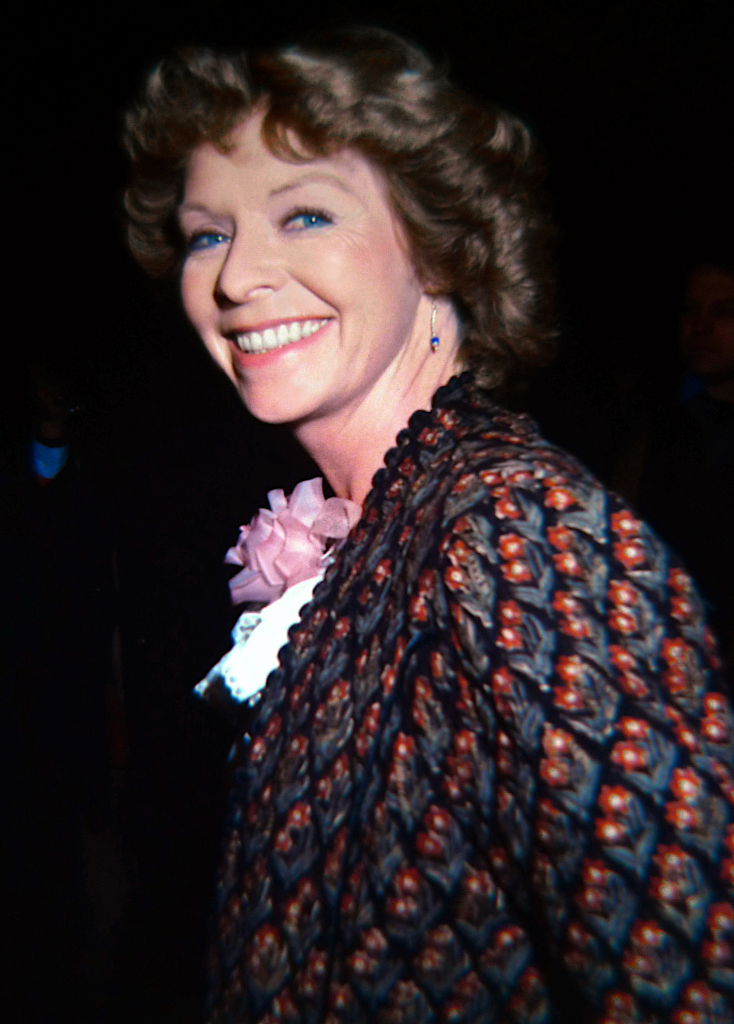
Susannah York: The Timeless British Actress Who Redefined Cinema with Grace and Grit
Few performers manage to leave an imprint on film, theater, and television that lasts decades, but Susannah York did just that. With her piercing blue eyes, delicate yet commanding presence, and fearless choice of roles, she became a defining face of 1960s and 70s cinema while remaining a grounded, multifaceted artist.
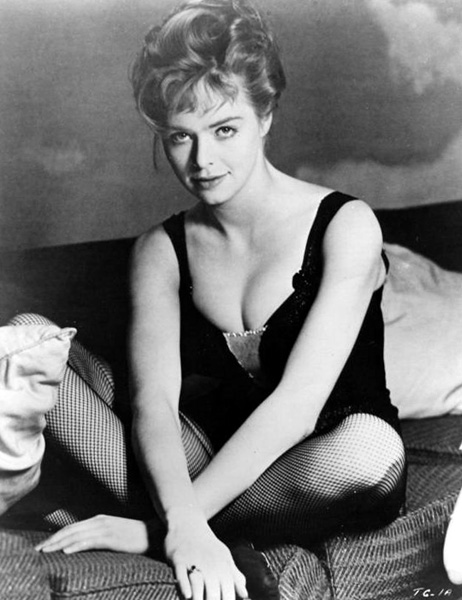
Early Life: From Chelsea to the Scottish Highlands
Born Susannah Yolande Fletcher on January 9, 1939, in Chelsea, London, Susannah York experienced a childhood that was both ordinary and formative. Following her parents’ divorce, she spent much of her youth in a remote Scottish village, where the stark landscapes and quiet environment helped shape the resilience and emotional depth that would define her performances. Early exposure to literature and storytelling, thanks to her father’s love of books, planted the seeds for her future creative endeavors.
Her determination led her to the Royal Academy of Dramatic Art (RADA) in London, graduating in 1958. There, she rubbed shoulders with future stars like Peter O’Toole and Albert Finney, honing her craft in an environment that demanded excellence and discipline. Winning the prestigious Ronson Award at RADA marked her as a performer destined for a luminous career.
Rise to Stardom: Breaking onto the Silver Screen
Susannah’s first film, Tunes of Glory (1960), paired her with legends Alec Guinness and John Mills. Though a small role, it highlighted her ability to convey emotional depth with subtlety.
Her true breakout came in the 1960s with the rollicking, Oscar-winning comedy Tom Jones (1963), where she played Sophie Western. Her charm, wit, and natural radiance captured international audiences, making her one of Britain’s most sought-after actresses. She followed this with A Man for All Seasons (1966), portraying Margaret More, and boldly embraced challenging roles in The Killing of Sister George (1968), showing she would not shy away from controversial or emotionally intense parts.
A Career-Defining Performance: They Shoot Horses, Don’t They?
1969’s They Shoot Horses, Don’t They? solidified Susannah York as a powerhouse of emotional vulnerability. As a contestant in a brutal Depression-era dance marathon, she portrayed desperation, fragility, and resilience simultaneously. Critics lauded her performance, which earned her an Academy Award nomination for Best Supporting Actress and a BAFTA win. The role demonstrated that York could anchor a film with subtlety and intensity, leaving audiences breathless.
Awards, Accolades, and Bold Role Choices
Susannah never settled for comfort or mainstream appeal. She won Best Actress at Cannes in 1972 for Robert Altman’s Images, portraying a woman descending into schizophrenia. The role demanded an extraordinary emotional range, pushing York beyond conventional cinematic beauty into profound artistry.
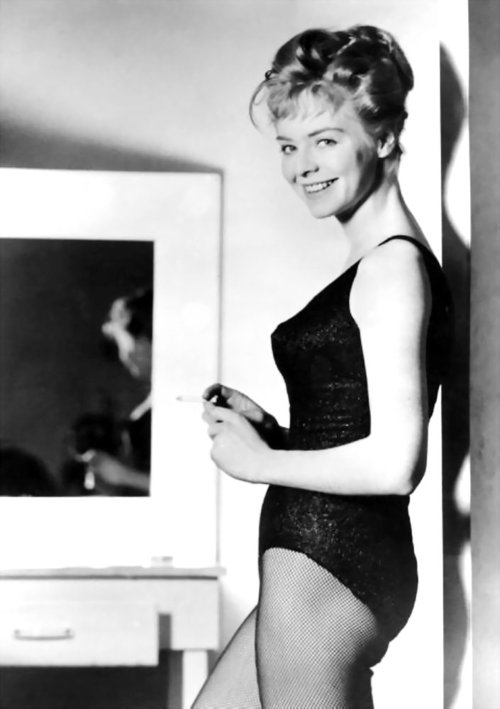
She also appeared in blockbuster films like Superman (1978) and Superman II (1980), playing Lara, mother of Superman. Though smaller roles, they introduced her ethereal presence to global audiences, bridging mainstream cinema and her established reputation for complex, daring performances.
Stage and Writing: Expanding Her Creative Palette
Beyond film, Susannah thrived on stage. From Shakespearean classics to solo shows like The Loves of Shakespeare’s Women, she demonstrated versatility and intensity. Her portrayal of Alexandra Kollontai in a one-woman show during the Edinburgh and Sydney Festivals of 1989 was widely praised, further proving her stage prowess.
Susannah also wrote two beloved children’s novels, In Search of Unicorns (1973) and Lark’s Castle (1976), showcasing her imaginative talents and desire to tell stories beyond acting. Her work extended to television, with performances in We’ll Meet Again (1982) and guest roles in later series such as Holby City (2003).
Personal Life: Family, Challenges, and Advocacy
Married to writer Michael Wells in 1959, Susannah had two children, including actor Orlando Wells. Though divorced in 1976, she remained a devoted mother. Beyond family, she was politically active, advocating for nuclear disarmament and human rights, reflecting the conscientiousness that informed both her life and career.
In her later years, she battled bone marrow cancer with remarkable courage, continuing to work until her final days. She passed away on January 15, 2011, just six days after turning 72, leaving a legacy of art, integrity, and resilience.
Legacy: A Life of Courage, Creativity, and Timeless Influence
Susannah York remains an enduring icon because she embraced complexity in every facet of her career. From the carefree yet spirited Sophie in Tom Jones to the tortured contestant in They Shoot Horses, Don’t They?, and the psychologically intense Images, she brought nuance, charm, and ferocity to each role.
She seamlessly bridged film, stage, and literature, proving that true artistry requires versatility and boldness. Her work continues to inspire actors and audiences alike, reminding us that beauty, talent, and intelligence can coexist powerfully on screen and stage.
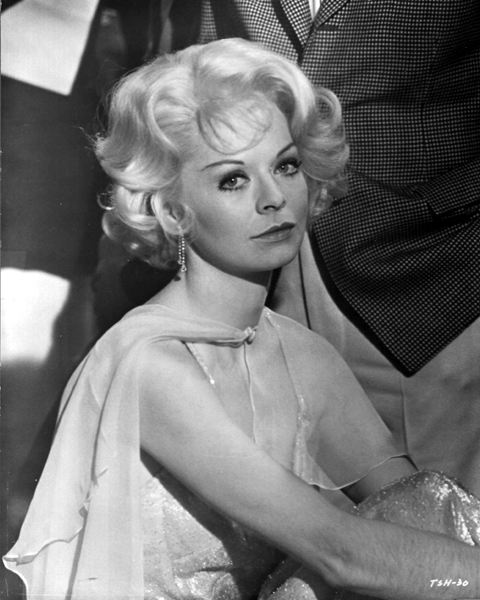
Even in the face of personal and health challenges, Susannah exemplified resilience, grace, and commitment to craft. Her legacy is not just in her performances, but in the courage to take risks, push boundaries, and live authentically as an artist.
Conclusion: Celebrating Susannah York’s Enduring Brilliance
The story of Susannah York is one of depth, dedication, and fearless artistry. From her early days in Scotland to her RADA training, iconic film roles, stage triumphs, and literary endeavors, she consistently challenged expectations. She balanced vulnerability with strength, whimsy with gravitas, and mainstream appeal with daring creativity.
Decades after her breakthrough, audiences still remember her subtle, piercing gaze and the emotional intensity she brought to every role. Susannah York is not just a memory of the Swinging Sixties — she is a testament to a life lived boldly, passionately, and unapologetically on her own terms. Her story inspires new generations of performers to embrace courage, complexity, and authenticity in every endeavor.