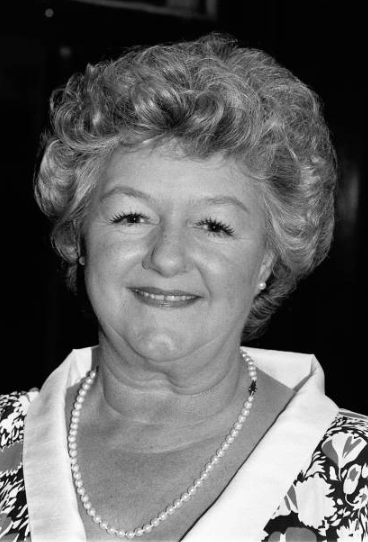
A Name That Still Sparks Laughter Across British Screens
If you’ve ever stumbled upon a classic British comedy and found yourself smiling before the punchline even landed, chances are Joan Sims was on screen. Joan Sims was not just an actress; she was a comforting presence, a comic heartbeat, and a familiar friend to millions. With impeccable timing, expressive warmth, and remarkable versatility, she became one of the most beloved performers in British entertainment history.
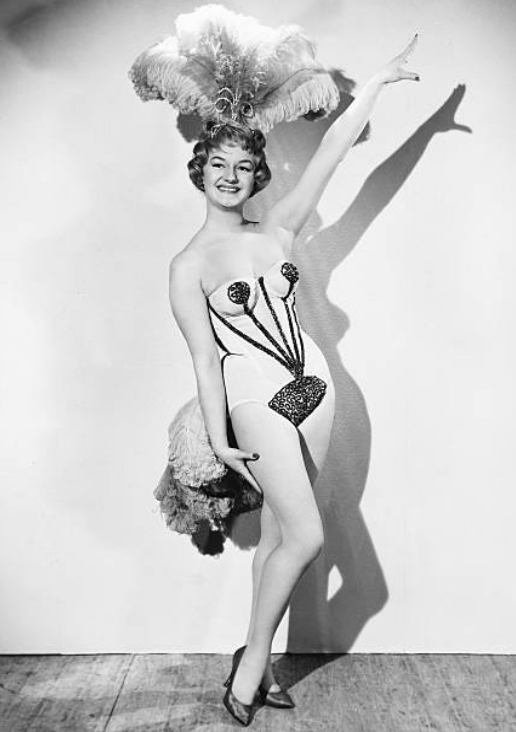
Her career spanned decades, crossing film, television, stage, and radio. Yet her journey began far from glamour, rooted in everyday life and driven by persistence. Let’s take a deeper look at the life, career, and lasting legacy of Joan Sims.
Early Life In Essex And The Spark Of Performance
Joan Sims was born Irene Joan Marion Sims on May 9, 1930, in Laindon, Essex. Her father worked as a railway station master, and her mother managed the household. She grew up as an only child in a modest, practical environment where imagination became her playground.
From a young age, Joan loved performing. She reportedly entertained passengers at the railway station, turning waiting time into her very first audience experience. That playful instinct never faded. Acting wasn’t a distant fantasy; it became a clear goal early on.
After several attempts, she earned a place at the Royal Academy of Dramatic Art in 1946. Those rejections didn’t discourage her. Instead, they sharpened her resolve. By the time she graduated in 1950, she had developed strong vocal control, stage discipline, and an instinctive understanding of character that would define her career.
From RADA Graduate To Reliable Screen Performer
Joan Sims began her professional life in repertory theatre and pantomime, where adaptability was essential. One night she might play broad comedy, the next emotional drama. This training shaped her versatility.
Her early film roles in the 1950s included appearances in Will Any Gentleman?, Trouble in Store, The Belles of St. Trinian’s, and Doctor in the House. These weren’t leading roles, but they mattered. Joan had the rare ability to make small parts memorable without stealing focus.
Television followed naturally. Casting directors recognized her reliability, clarity, and warm presence. She became the kind of actress audiences trusted instantly, like a familiar voice on the radio that made everything feel comfortable.
The Carry On Era And A Record-Breaking Legacy
In 1958, Joan Sims joined Carry On Nurse, marking the beginning of one of the most iconic partnerships in British film history. Over the next two decades, she appeared in 24 Carry On films, more than any other actress in the franchise.
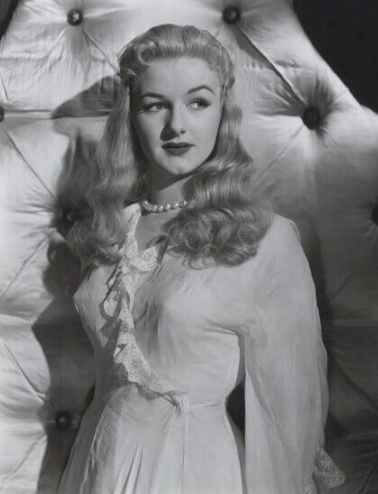
Joan Sims could do everything. She played glamorous women, strict authority figures, awkward romantics, and hilariously sharp-tongued wives. Films such as Carry On Cleo, Carry On Camping, Carry On Up the Khyber, and Carry On Matron showcased her range.
What made her special was balance. She delivered cheeky humor without cruelty, confidence without arrogance. Directors trusted her completely, knowing she would land every line with precision. Fellow performers admired her deeply, often calling her the most technically gifted member of the ensemble.
Television Triumphs And Deeper Character Work
While the Carry On films brought fame, television gave Joan Sims space to explore richer roles. She portrayed Gran in Till Death Us Do Part, convincingly playing an elderly woman while still in her thirties. Her performance blended sharp humor with emotional realism.
Other memorable roles followed. She became Madge Kettlewell in Sykes, Mrs Bloomsbury-Barton in Worzel Gummidge, and Mrs Wembley in On the Up, where her line “Just the one!” became iconic. Later, she appeared in As Time Goes By, introducing her talent to a new generation of viewers.
Joan also handled drama with quiet power, appearing in adaptations like Martin Chuzzlewit. Her performances felt lived-in, honest, and human, like stories told by someone who truly understood people.
Personal Life, Independence, And Quiet Strength
Joan Sims never married. She once said simply that the right person never arrived, and she made peace with that. She valued independence and close friendships over conventional expectations.
She shared a long relationship with actor Tony Baird and maintained deep bonds with colleagues such as Hattie Jacques. Despite her cheerful public image, she faced private struggles later in life, including depression and alcohol dependency following personal losses.
In her autobiography High Spirits, published in 2000, Joan spoke candidly about these challenges. Her honesty revealed courage and self-awareness, reminding readers that even those who make us laugh carry unseen weight.
Later Years, Health Challenges, And Final Performances
The late 1990s brought health difficulties, including Bell’s palsy and a serious hip fracture. Still, Joan continued working when she could. One of her final major roles came in The Last of the Blonde Bombshells alongside Judi Dench, a project she deeply valued.
Complications following surgery eventually led to hospitalization. Joan Sims passed away on June 27, 2001, at the age of 71. Her death marked the end of an era, but not the end of her presence.
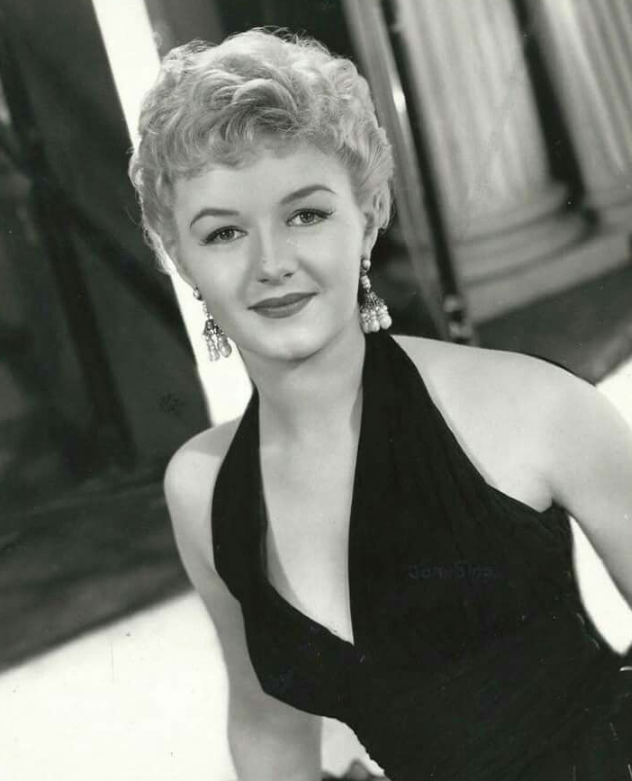
A Legacy That Refuses To Fade
Today, Joan Sims remains a cornerstone of British comedy. Her performances continue to air regularly, introducing new audiences to her talent. Biographies, documentaries, and fan tributes celebrate her contribution to entertainment history.
She proved that comedy could be kind, clever, and deeply human. Joan Sims didn’t just make people laugh. She made them feel at ease, as if they were sharing a joke with an old friend.
Conclusion: Why Joan Sims Still Matters
Joan Sims’ journey from a railway station in Essex to the heart of British comedy is a story of resilience, talent, and authenticity. Through rigorous training, tireless work, and unmatched versatility, she became an irreplaceable figure in film and television.
Her roles in the Carry On films, her beloved television characters, and her honesty off-screen created a legacy built on warmth and trust. Even years after her passing, Joan Sims continues to bring laughter into living rooms, proving that true performers never disappear. They simply live on through the joy they leave behind.