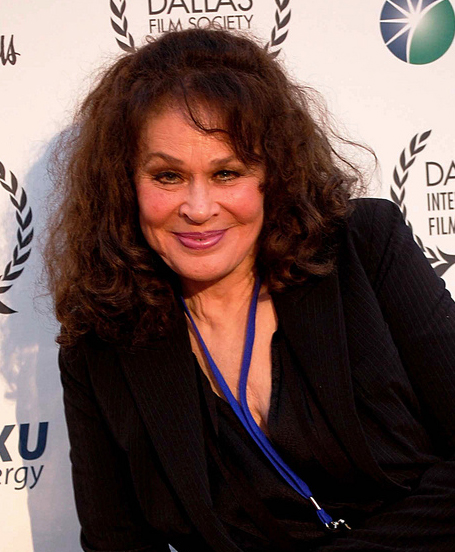
Introduction: Why Karen Black Still Captivates Us
Have you ever watched a movie and felt like an actor wasn’t performing at all, but simply existing on screen? That’s the magic Karen Black brought to every role. She didn’t chase polish or conventional stardom. Instead, she leaned into vulnerability, awkward honesty, and emotional risk. Karen Black became unforgettable because she felt real. From New Hollywood classics to cult horror favorites, her career reads like a masterclass in fearless storytelling.

Early Life and Creative Roots in Illinois
Karen Black was born Karen Blanche Ziegler on July 1, 1939, in Park Ridge, Illinois. Growing up near Chicago, she was surrounded by creativity from the start. Her mother, Elsie, was a successful children’s author, while her father worked as an engineer. It wasn’t a flashy upbringing, but it planted the seeds of imagination early.
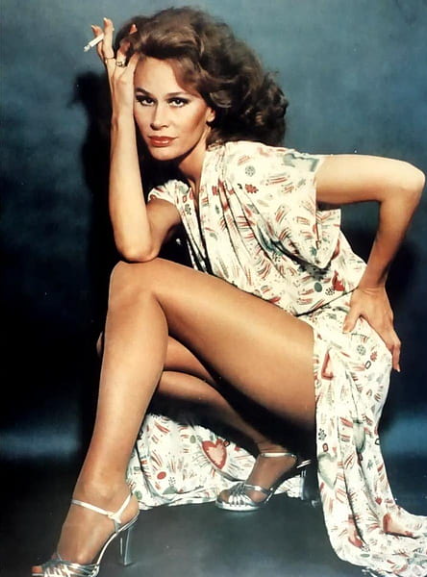
By age 15, Karen enrolled at Northwestern University, a bold move that hinted at her restless ambition. But classrooms couldn’t hold her for long. At 17, she packed up and moved to New York City, chasing acting with nothing but grit and instinct. She worked day jobs to survive and performed wherever she could, from off-Broadway stages to experimental productions. Ever felt that urge to leap before you’re ready? That was Karen Black in a nutshell.
Breaking Through on Stage and Early Screen Roles
Karen’s stage breakthrough came in the mid-1960s with The Playroom, a performance that earned critical acclaim and industry attention. She wasn’t loud or showy. She drew people in quietly, like a slow-burning flame.
Her first major film role arrived in 1966 with You’re a Big Boy Now, directed by Francis Ford Coppola. Television roles followed, but the real turning point came with Easy Rider in 1969. Playing a free-spirited woman in the heart of counterculture America, Karen captured the era’s uncertainty and rebellion in a way that felt effortless. That role cracked Hollywood wide open for her.
The Golden Era: New Hollywood Stardom
The 1970s marked Karen Black’s rise as a defining face of New Hollywood cinema. Her performance as Rayette in Five Easy Pieces remains legendary. Opposite Jack Nicholson, she portrayed a woman overflowing with devotion, longing, and quiet desperation. The role earned her an Academy Award nomination and a Golden Globe win. More importantly, it etched her into film history.
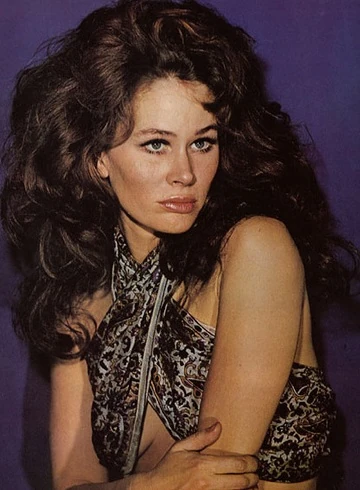
She followed with another Golden Globe-winning role as Myrtle Wilson in The Great Gatsby. Then came Robert Altman’s Nashville, where Karen didn’t just act—she sang and wrote music for her character. That film showcased her range and earned a Grammy nomination. Movies like Airport 1975, The Day of the Locust, and Alfred Hitchcock’s final film Family Plot confirmed her status as one of the most daring actresses of her generation.
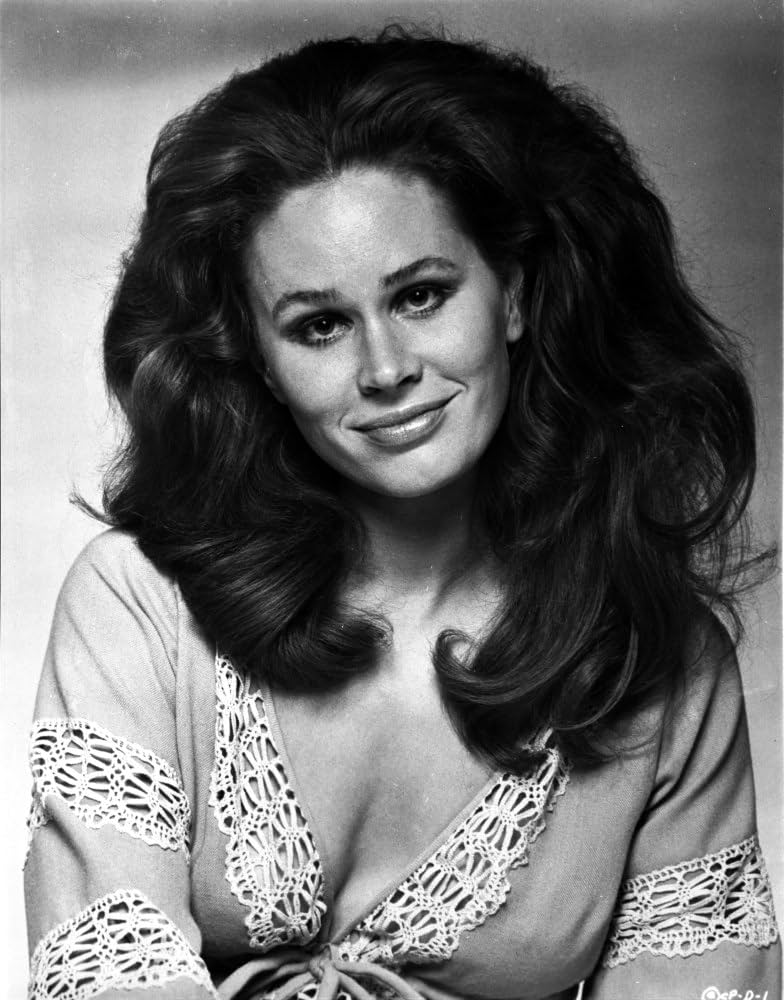
Embracing the Unusual: Horror and Cult Cinema
Some actors avoid genre work. Karen Black ran straight toward it.
Her performance in the television film Trilogy of Terror became iconic, especially her one-woman battle with the Zuni doll. It terrified audiences and cemented her reputation as a master of psychological intensity.

She continued exploring darker territory in films like Burnt Offerings and Invaders from Mars. In the 1980s, she delivered a powerful and sensitive performance in Come Back to the 5 & Dime, Jimmy Dean, Jimmy Dean, proving her commitment to complex characters never wavered.
When mainstream roles slowed, Karen didn’t fade. She reinvented herself through independent films and horror projects, sometimes appearing in multiple movies a year. Her role in House of 1000 Corpses introduced her to a new generation, turning her into a cult icon all over again. Fans celebrated her eccentric energy, proving authenticity never goes out of style.
Life Beyond the Camera: Family and Creativity
Karen Black’s personal life was layered and human, much like her performances. She married four times and had a son, Hunter, who followed her into filmmaking. Later, she adopted a daughter and reconnected with another child later in life, a reunion that added depth to her already rich story.
She also explored writing, music, and playwriting. Her creative drive never slowed. In 2007, she premiered her play Missouri Waltz, proving that storytelling was her lifelong language. She spoke openly about personal growth, faith, and family, grounding her artistic life in meaning.
Facing Illness with Courage
In 2010, Karen Black was diagnosed with a rare form of cancer. Even then, she continued working, creating, and connecting with fans. She approached illness the same way she approached acting—with honesty and resilience. Karen passed away on August 8, 2013, at the age of 74, leaving behind a body of work that spans nearly 200 credits.
The Enduring Legacy of Karen Black
Karen Black wasn’t built for ordinary stardom. She thrived in emotional corners, in flawed characters, in stories that linger long after the credits roll. With major awards, cult admiration, and decades of fearless performances, her influence continues to ripple through film culture.
Her legacy reminds us that success doesn’t come from fitting in. It comes from leaning into who you truly are. Karen Black did exactly that, and in doing so, she became unforgettable.